


Feeding a family every night can be overwhelming. Between busy schedules, different preferences, and the constant “What’s for dinner?” question, it’s easy to feel stuck. That’s where a meal rotation comes in. By creating a simple cycle of family-friendly dinners, you’ll save time, reduce stress, and make grocery shopping easier.
Instead of starting from scratch every week, a meal rotation gives you a reliable structure to lean on. It’s not about eating the same boring meals—it’s about creating a rhythm your family can count on while still leaving space for variety. Over time, you’ll find this system helps you reclaim energy and frees up your evenings for connection instead of last-minute planning.
Here’s how to build a meal rotation in 5 simple steps.
Step 1: Choose Your Cycle Length

Decide how long you want your rotation to be. Some families prefer a 5-day cycle to cover weekdays, while others like a 7-day cycle to plan for the entire week. If your family wants more variety, you can extend it to 10 or 14 days.
- 5 days works well for repeating favorites and leaving weekends flexible.
- 7 days covers the full week and builds routine.
- Longer cycles add variety but can be harder to manage.
When you’re starting out, shorter cycles are easier to stick with and keep consistent. A shorter cycle also allows you to notice what meals work best for your family before adding more. As you get comfortable, you can slowly add more days or rotate in new meals to keep it interesting.
Step 2: Assign Themes for Each Day

Themes help take the guesswork out of planning. Instead of starting from scratch each night, you just plug in meals under a category. This creates structure while still leaving plenty of room for flexibility.
- Taco Tuesday (Mexican/Tex-Mex)
- Pasta Night (Italian favorites)
- Sheet-Pan Thursday (easy oven meals)
- Soup or Stew Night (comforting one-pots)
- Leftover Night (clean out the fridge)
Themes also make meal planning fun, especially for kids who love looking forward to their favorite nights. They can even become family traditions that everyone remembers and enjoys. Once you have themes in place, you’ll notice planning and shopping feel more natural and less stressful.
Step 3: Pick 2–3 Go-To Recipes Per Theme

Once you have themes, list two or three meals you know your family enjoys for each. This gives you built-in variety while still keeping it simple. It also helps you avoid burnout from eating the exact same dish every week.
- Taco Night: beef tacos, chicken tacos, veggie tacos
- Pasta Night: spaghetti, baked ziti, pesto chicken pasta
- Soup Night: chili, chicken noodle, minestrone
Having multiple recipes per theme also ensures you’re not stuck when an ingredient is out of stock or too expensive. You can simply swap in another option without reworking your whole plan. Over time, this list becomes your go-to “family favorites” collection that makes meal prep so much easier.
Step 4: Build a Grocery List Around the Rotation
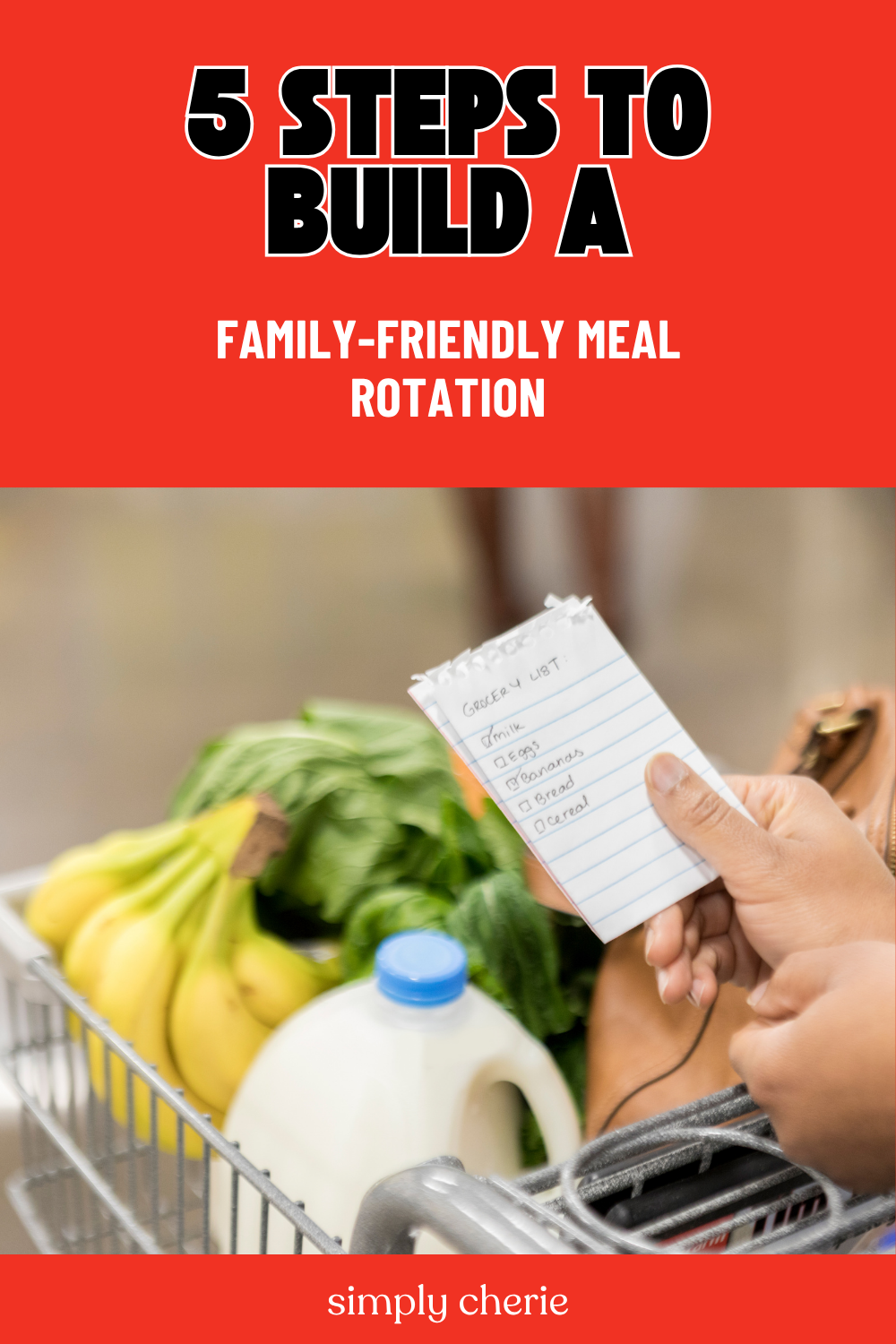
A meal rotation streamlines shopping. Once you know your themes and recipes, create a master grocery list of recurring ingredients. This list can be used week after week, saving time and avoiding forgotten items.
- Proteins: ground beef, chicken, beans
- Carbs: pasta, tortillas, rice
- Veggies: bell peppers, onions, broccoli
- Pantry Staples: broth, sauces, spices
With a master list, you’ll shop faster and reduce food waste since you know exactly what you need. You’ll also find it easier to buy in bulk for items you use frequently, which can save money. As your rotation evolves, you can update the list to reflect new meals while keeping the essentials steady.
Step 5: Stay Flexible & Refresh as Needed
A good meal rotation isn’t rigid—it’s meant to work with your family, not against you. Swap in new meals occasionally, leave a “wild card” night for takeout or something spontaneous, and adjust the cycle as your family’s tastes change. Flexibility is what keeps the system sustainable over time.
- Rotate in new recipes once a month.
- Retire meals no one is excited about.
- Let kids help pick meals to build buy-in.
Remember, this isn’t about perfection—it’s about creating ease in your evenings. Even with a set rotation, you can still experiment when you feel inspired. The key is finding the balance between consistency and creativity so dinner stays simple but never boring.
Final Thoughts
A family-friendly meal rotation saves time, reduces stress, and makes dinner planning so much easier. With just five steps—choosing a cycle, assigning themes, picking recipes, building your grocery list, and staying flexible—you can create a rhythm that works for your household. Once it’s in place, you’ll wonder why you didn’t start sooner.
Meal rotations also give you space to focus on what matters most—sharing dinner with the people you love. Instead of wasting energy on endless decisions, you’ll enjoy more evenings of connection around the table. And as your family grows and changes, your rotation can grow with it.

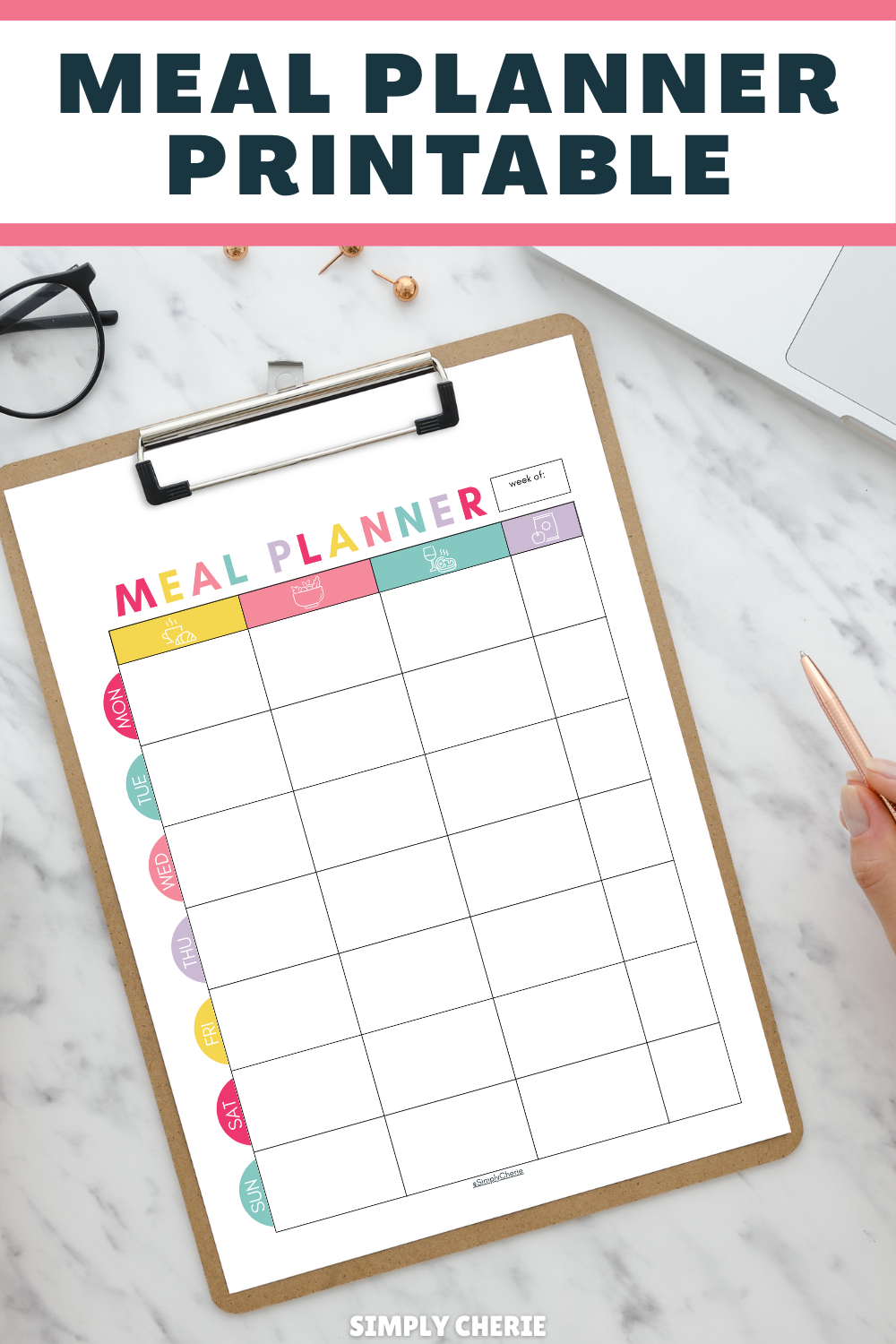
👉🏼 The Weekly Meal Planner is the perfect tool to set up your rotation and adjust it week by week. It’s simple, flexible, and designed to make meal planning a whole lot easier.
You may also enjoy these:
- 3 Reasons Why Meal Planning Saves Time (and Sanity) in Busy Seasons
- How to Create a Weekly Meal Plan in Under 15 Minutes
This post may contain affiliate links, which means I may earn a commission if you purchase through them (at no extra cost to you!) Portions of this content may be generated by AI.
Comments ()