


When life gets busy, meal planning often feels like one more chore. But the truth is, taking just 15 minutes once a week can completely change how your days flow. Imagine no more last-minute takeout, no more standing in front of the fridge wondering what to cook, and no more wasted groceries. Instead, you’ll feel prepared, calmer, and more in control of your evenings.
The best part is, you don’t have to reinvent the wheel every week. A smart structure plus a little flexibility makes the process quick and stress-free. Once you get the hang of this method, it becomes a habit that runs on autopilot. You’ll save time, money, and mental energy. And if you want to make it even smoother, you can grab my Meal Planner + Grocery List Template to have the plan and list side by side. Here’s how to get it all done in under 15 minutes.
1. Establish a Simple Framework
The fastest way to meal plan is to start with a framework instead of a blank page. By giving yourself a guide, you cut down on decision fatigue and already know the type of meal to plug in. You don’t need to plan every breakfast, lunch, and dinner — just dinners are enough to transform your week. Having 5–6 dinners scheduled leaves room for dining out, leftovers, or last-minute cravings. This balance keeps you consistent without feeling boxed in.
Pick “theme nights” for predictability, like Pasta Mondays or Taco Tuesdays. Reuse tried-and-true meals that your family loves, so you’re not reinventing the wheel. You’ll also build a rotation that makes meal planning even quicker in the future. Once the framework is in place, filling in the details is easy. This step should only take about 2 minutes and is the backbone of your entire plan.
- Example theme nights: pasta, tacos, stir-fry, sheet pan, leftovers, breakfast-for-dinner.
- Rotate favorites weekly so everyone knows what to expect.
- Plan only dinners if time is tight — they make the biggest impact.
- Stick to 5–6 meals and let the extra day stay flexible.
2. Inventory What You Already Own

Before you start writing down new meals, look at what’s in your fridge, freezer, and pantry. This step saves money and prevents food waste. It only takes 2–3 minutes to glance at what needs to be used up. For example, if you have ground turkey and zucchini, you can quickly build meals around those. Doing this ensures you don’t overbuy ingredients you already have. It also helps you plan realistic meals with the food that’s available. Even better, it keeps you from wasting produce that’s on its last leg. This habit is one of the simplest ways to cut down on grocery costs. Once you’ve noted your proteins, produce, and pantry items, you’re ready to fill in your meal plan.
- Check proteins first: chicken, beef, tofu, beans — these usually anchor meals.
- Spot produce that needs to be used: spinach, bell peppers, broccoli.
- Note pantry staples like pasta, rice, and canned tomatoes for easy pairings.
- Write down “must-use” items to guide the week’s plan.
3. Match Meals to Your Week
A meal plan that doesn’t match your schedule will fail every time. Look at your calendar before locking in meals. Busy nights need fast or hands-off meals, while calmer evenings are great for something that takes more time. For example, if Wednesday is packed with kids’ activities, plan a slow cooker or sheet pan dinner. If Friday is open, schedule a homemade pizza night that everyone can join in on. This way, your meals work with your lifestyle, not against it. It’s also helpful to stagger easy and moderate meals throughout the week, so you don’t hit a wall. Matching your plan to your actual life makes it more sustainable. Once you’ve mapped meals to your week, you’ll feel confident instead of pressured.
- Busy nights: crockpot chili, sheet pan fajitas, stir-fry with pre-cut veggies.
- Open evenings: lasagna, roast chicken, or a family-style meal.
- Unpredictable days: sandwiches, wraps, or ready-to-heat soups.
- Mix effort levels so you’re not cooking two intensive meals back-to-back.
4. Build the Plan and Grocery List Together
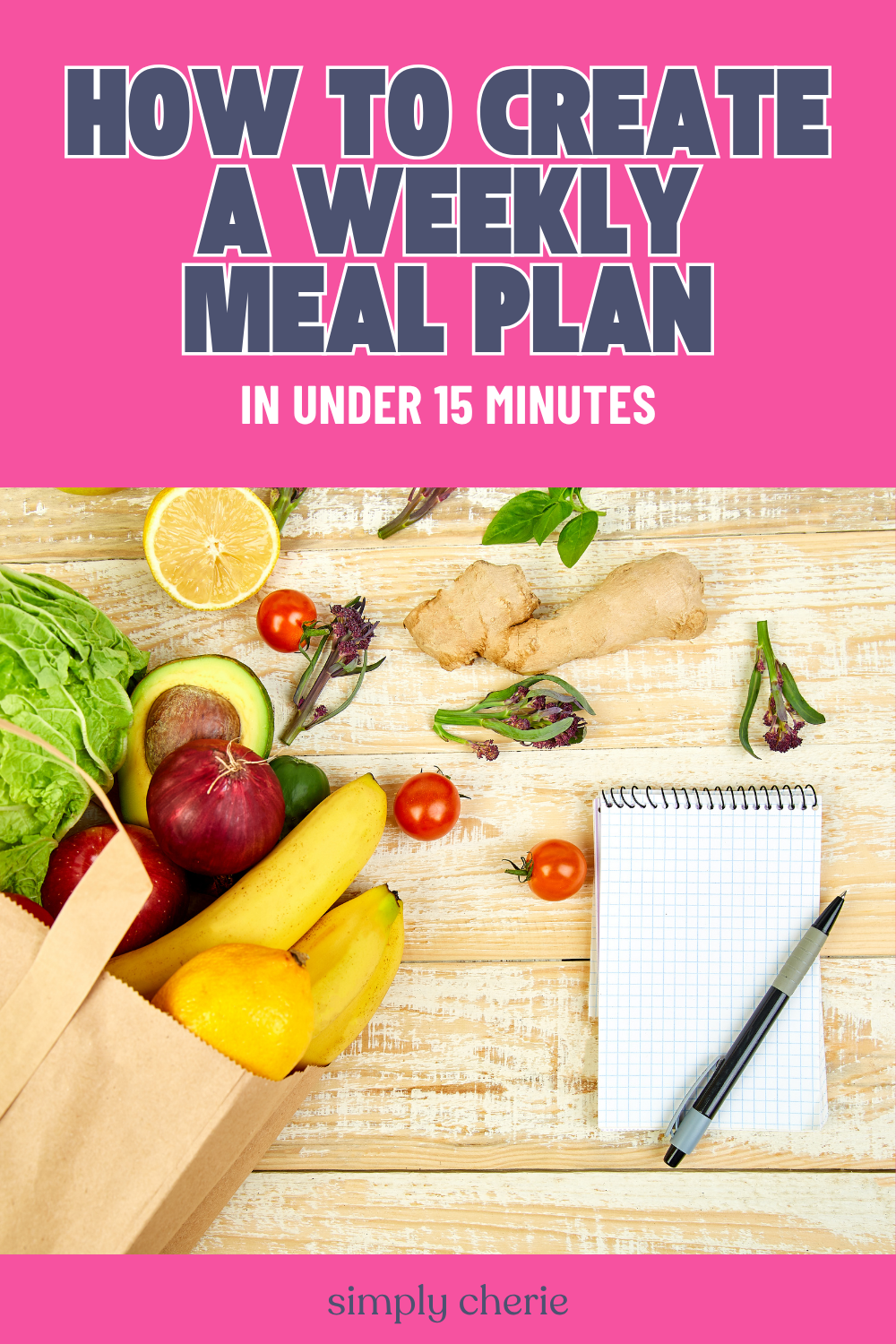
This is where the magic happens. As you write down meals, list the ingredients you’ll need at the same time. Doing this avoids the extra step of making a grocery list later. Group items by category so shopping is faster: produce, pantry, frozen, and dairy. Be specific — write “2 bell peppers” instead of just “peppers.” As you add items, check your staples like oil, spices, and condiments. This habit ensures you never forget small but essential ingredients. Once you’ve assigned all meals and created the list, double-check for overlap. For example, if two meals use rice, you can buy one larger bag. In less than 5 minutes, you’ll have both your plan and list finished.
- Add ingredients as you go so nothing gets missed.
- Organize by store section to cut down shopping time.
- Write specific amounts (cups, ounces, pieces) to avoid guesswork.
- Cross-check staples like salt, flour, and cooking oil.
5. Make It Visible and Reusable

A plan only works if you can see it. Post it where your family can check it easily, like on the fridge or inside a cabinet door. This cuts down on repeated “What’s for dinner?” questions. Flexibility is key — it’s okay to swap meals around as needed. Life happens, and the plan should adapt to it. Keep past weeks’ plans in a folder or snap photos for reuse. Over time, you’ll have a library of meal plans to rotate through. This makes planning even faster because you can repeat a week that worked well. Once your system is visible and reusable, it becomes second nature. That’s when the real time savings start to kick in.
- Display the plan visibly so the whole family is in the loop.
- Swap nights when schedules change — it’s built for flexibility.
- Save old plans to recycle later for even quicker planning.
- Encourage family input — let them suggest meals to include.
Final Thoughts
Creating a weekly meal plan doesn’t need to be complicated. With this method, you can go from a blank page to a complete plan in under 15 minutes. The key is a repeatable structure, quick inventory, realistic scheduling, and a grocery list built in real time. You’ll notice the stress of “what’s for dinner” fade away because the answer is already there.
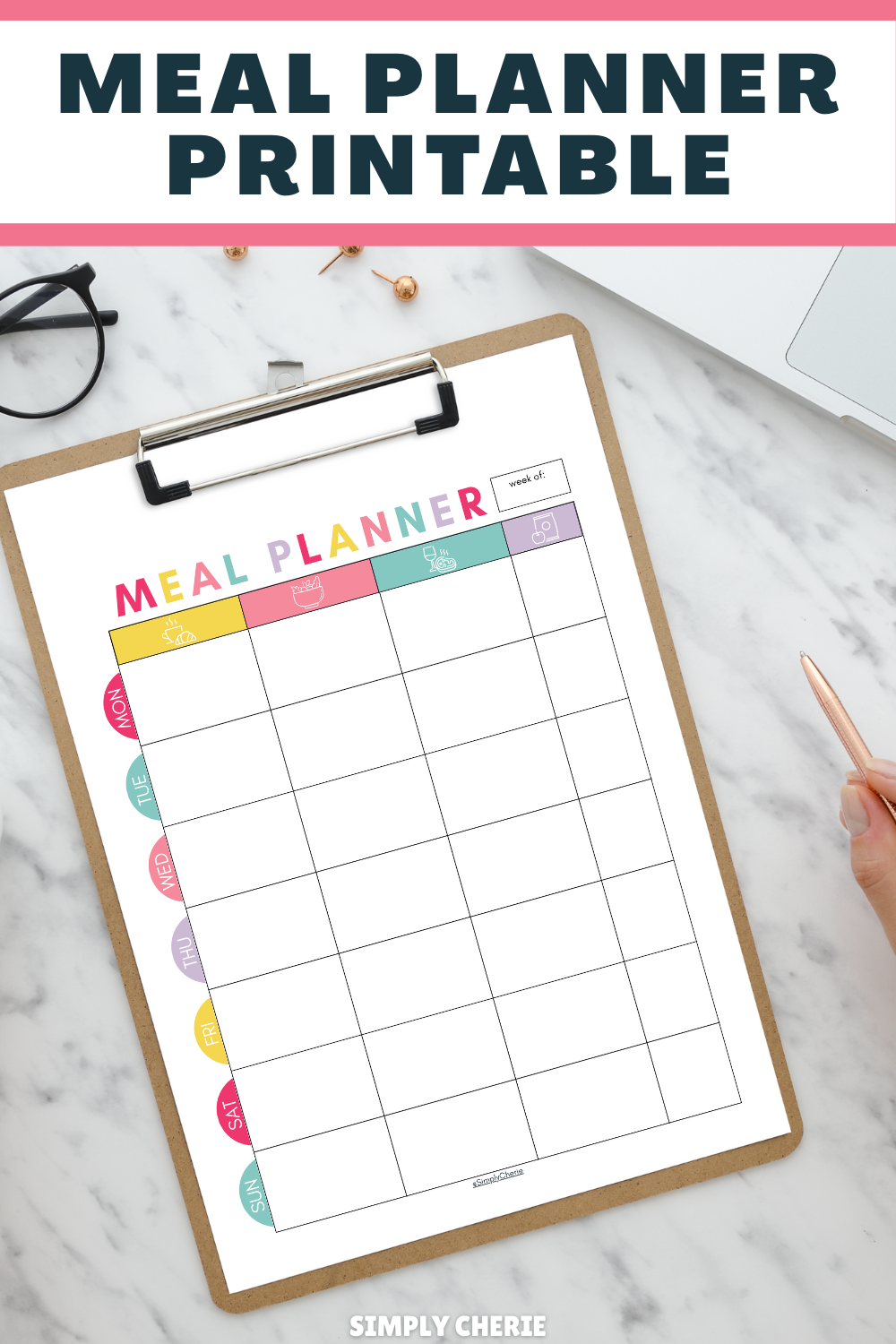
Planning this way also saves money, reduces food waste, and creates calmer evenings at home. And the best part? Once you’ve built the habit, it feels easier each week. You don’t have to start from scratch — just refine and reuse. If you’re ready to make this process even faster, grab my Meal Planner + Grocery List Template — they’re designed to work together so planning and shopping takes less time. You’ll be surprised at how much smoother your week runs when you give yourself just 15 minutes to plan ahead.
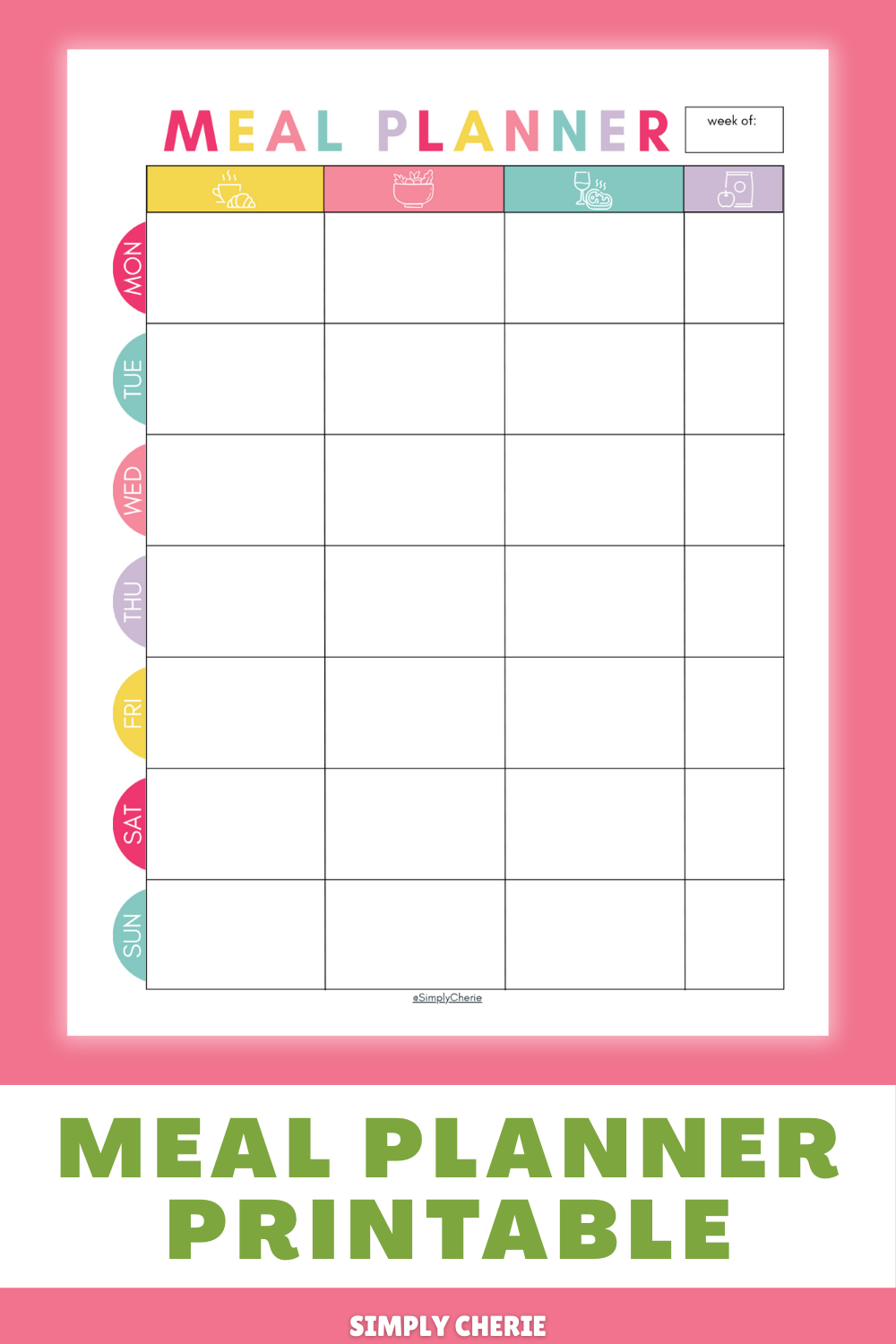
👉🏼 Grab the Meal Planner + Grocery List Template here
You may also enjoy these:
- 3 Reasons Why Meal Planning Saves Time (and Sanity) in Busy Seasons
- 7 Must-Have Lunch Prep Gadgets That Make Packing Faster and Easier
This post may contain affiliate links, which means I may earn a commission if you purchase through them (at no extra cost to you!) Portions of this content may be generated by AI.
Comments ()