


When it comes to building your prepper pantry, buying in bulk is only half the story. The real secret is knowing how to use what you’ve stored so it doesn’t expire, go stale, or get pushed to the back of the shelf.
Rotating your food with the FIFO method (First In, First Out) is the simplest and most effective way to stretch your dollars and avoid waste.
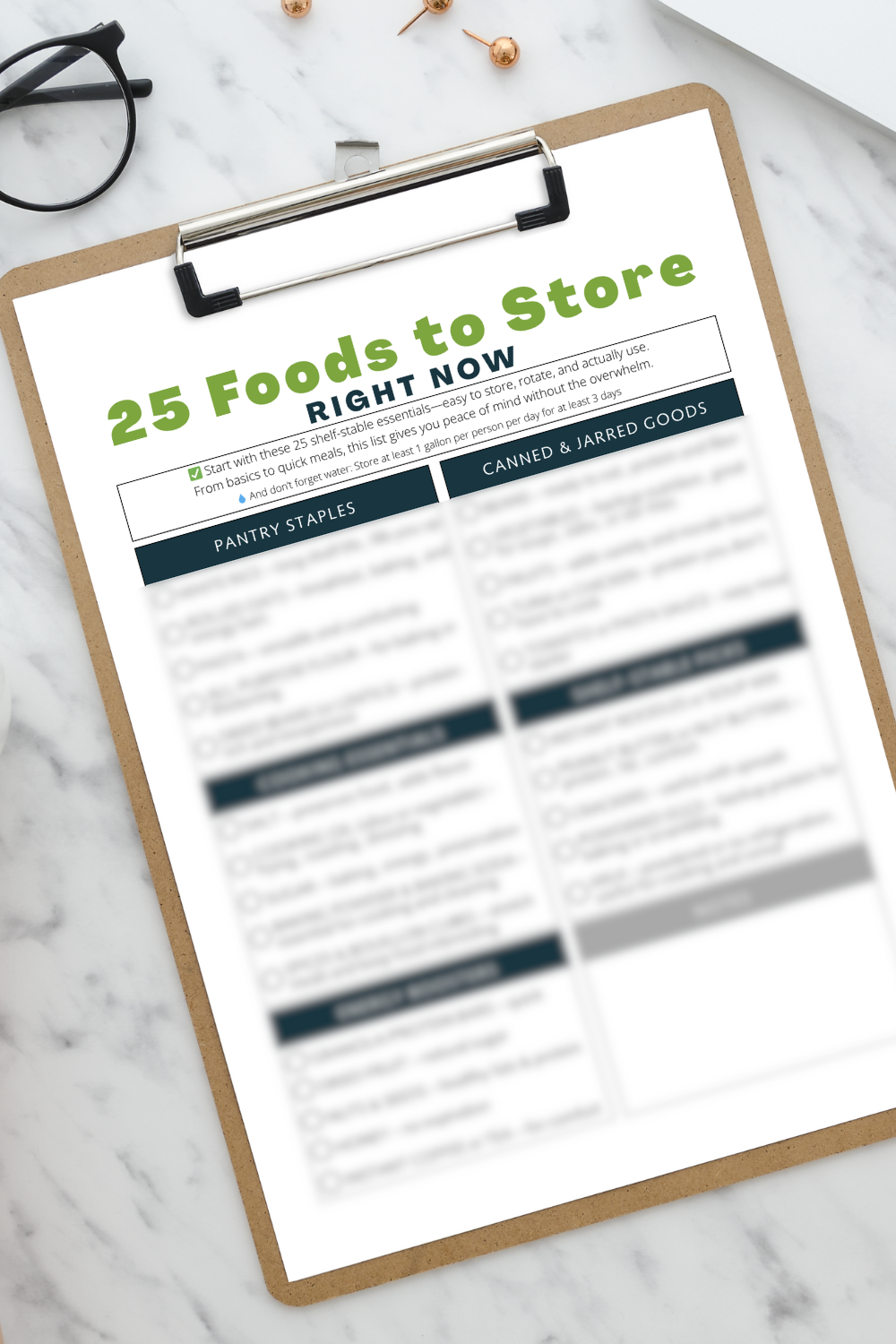
And here’s the good news: you don’t need to overcomplicate it. Start with the 25 foods from my 25 Foods to Store Right Now printable. This list keeps things simple—you’re only rotating what matters most. By narrowing your focus to the essentials, you’ll have a pantry that feels manageable instead of overwhelming.
Step 1: Understand FIFO (First In, First Out)
The FIFO method means you use the oldest items first and place new ones behind them. Think of your pantry like a grocery store—the items up front are what you grab first. This ensures you’re never stuck with expired food hiding in the back.
With your 25 foods as a baseline, FIFO is easy. If you buy two bags of rice this week, move the older one to the front and put the new one behind it. The same goes for canned beans, pasta, or peanut butter.
The beauty of FIFO is that you’re always eating what you store, and storing what you eat. It’s a cycle that saves you money and keeps your pantry fresh. By sticking with the basics, you won’t feel like you need to keep track of dozens of random items. FIFO builds confidence that your investment in food storage is actually being used.
Step 2: Label and Date Your Foods
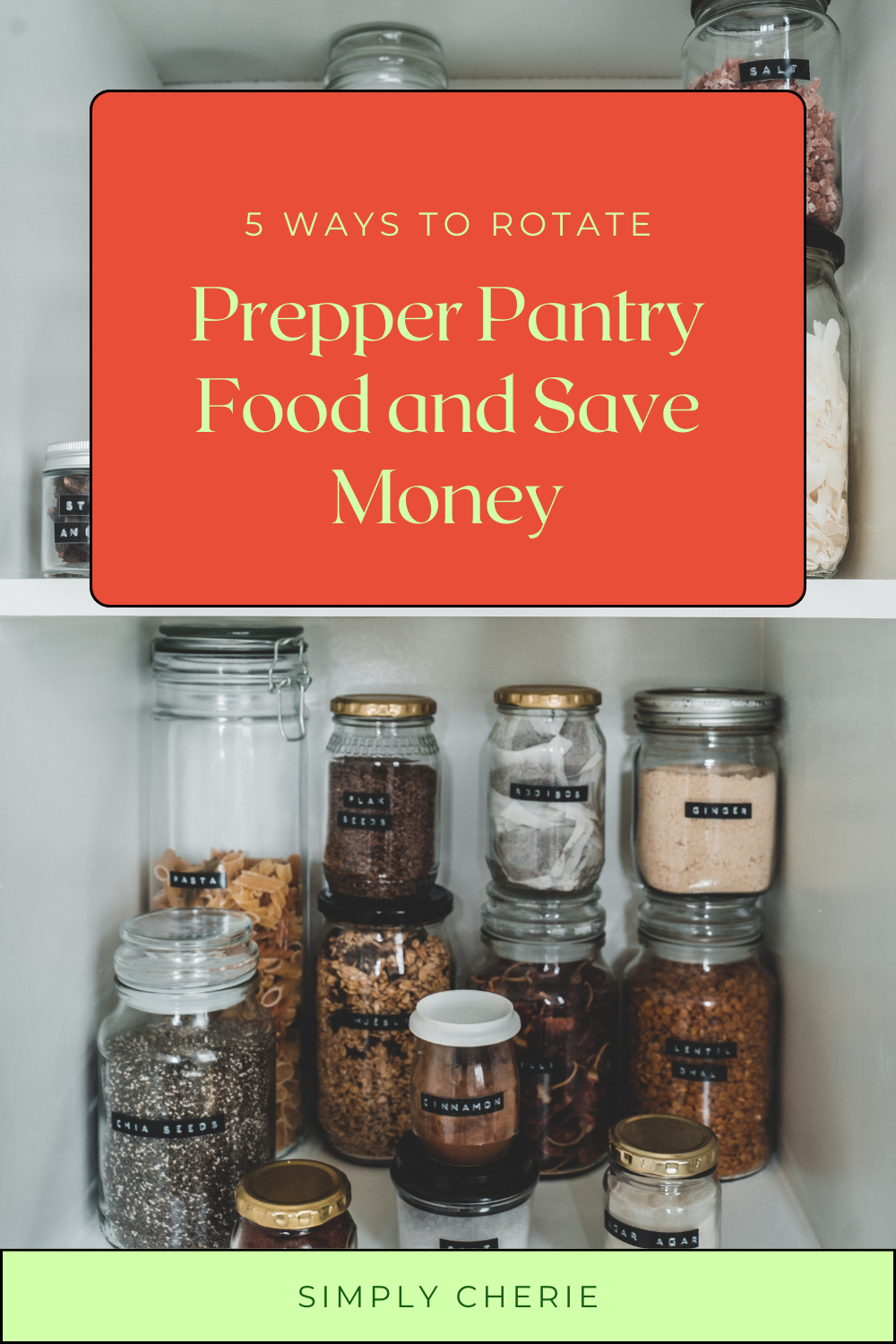
Labels are your best friend when it comes to rotating pantry foods. Write the purchase date or expiration date in big, clear numbers with a marker. Place the label where you can see it easily.
For example:
- Rice: Mark the bag “Sept 2025.”
- Canned goods: Use a sharpie on the lid or front.
- Pasta: Write the month and year on the side of the box.
This tiny habit makes a huge difference. Instead of guessing what’s oldest, you’ll always know which item to grab first. Over time, this will save you money and prevent you from tossing out food you forgot about.
Clear labeling also helps when other family members are grabbing food from the pantry. They can quickly see which can or bag to use next without asking you. Once you get into the habit, labeling becomes second nature—just a quick step before putting groceries away.
Step 3: Create a Simple Shelf System
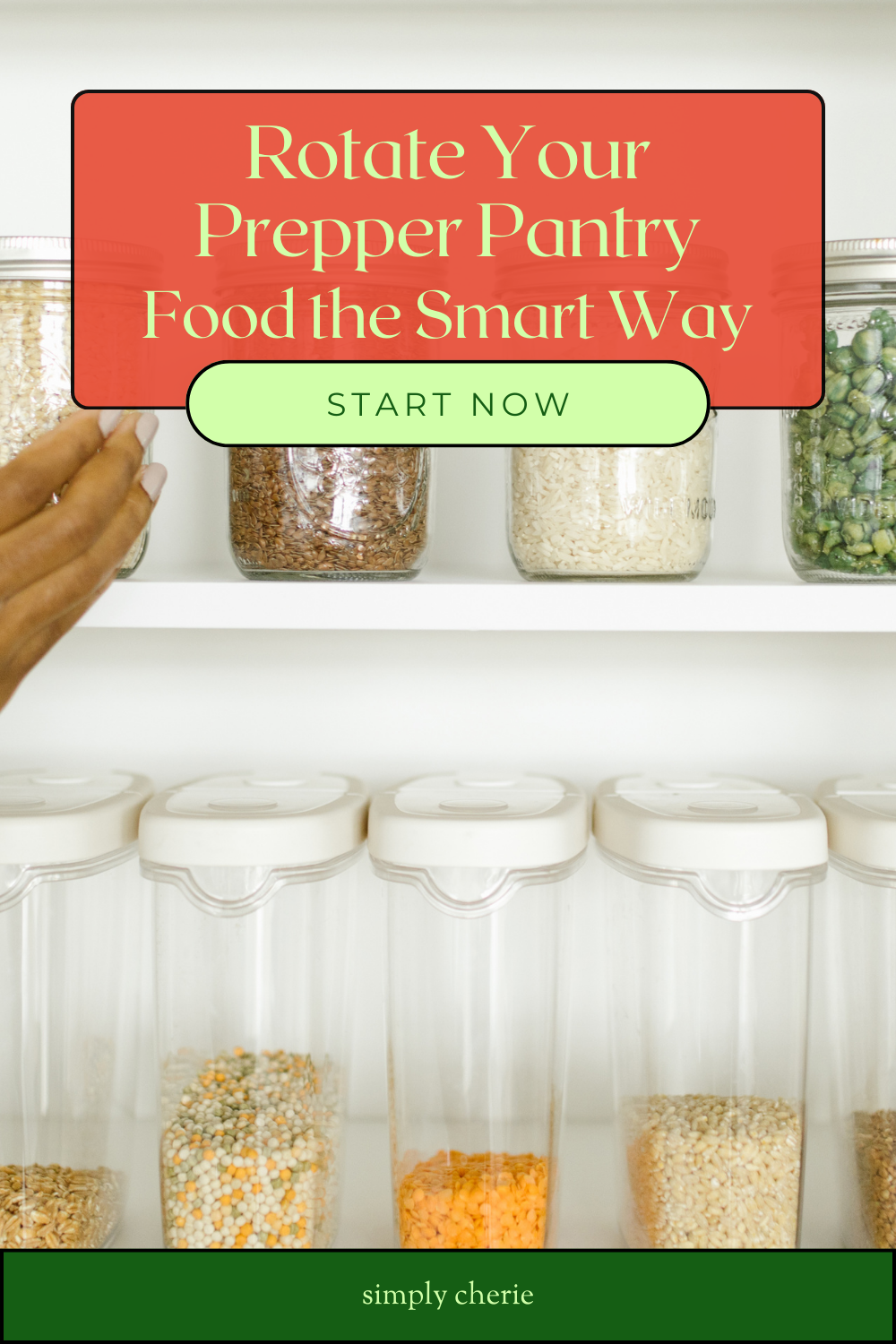
A little organization now saves you money later. Dedicate shelves or bins to specific food groups from your 25-food list—grains, proteins, canned vegetables, oils, etc.
Here’s how to set it up:
- Keep grains like rice and oats on one shelf.
- Store canned goods together so you can see them at a glance.
- Put cooking oils and condiments on a lower shelf to prevent spills.
By grouping and containing, you’ll notice right away when something is running low—or when something needs to be eaten soon. A shelf system also makes it easier to rotate items because everything has a “home.”
When your shelves are clearly organized, you’ll stop buying duplicates of things you already have. No more discovering three jars of peanut butter when you thought you were out. This setup also helps you shop smarter since you can quickly see what needs to be replenished.
Step 4: Plan Meals Around What’s Getting Old
The best way to rotate food is to actually eat it. Build your weekly meal plan using the items closest to their expiration dates. If you’ve got older pasta, make spaghetti this week. If canned beans are next in line, plan chili or tacos.
Not only will this save you from wasted food, but it also makes meal planning easier—you’re pulling directly from what you already have. That means fewer grocery trips and less money spent. It also helps your pantry work with you instead of against you.
By using your pantry foods in everyday meals, you’ll also see which items your family actually enjoys. That insight helps you know what to buy more of—and what not to overstock. Planning meals this way keeps the cycle of rotation moving smoothly without added stress.
Step 5: Restock with Intention
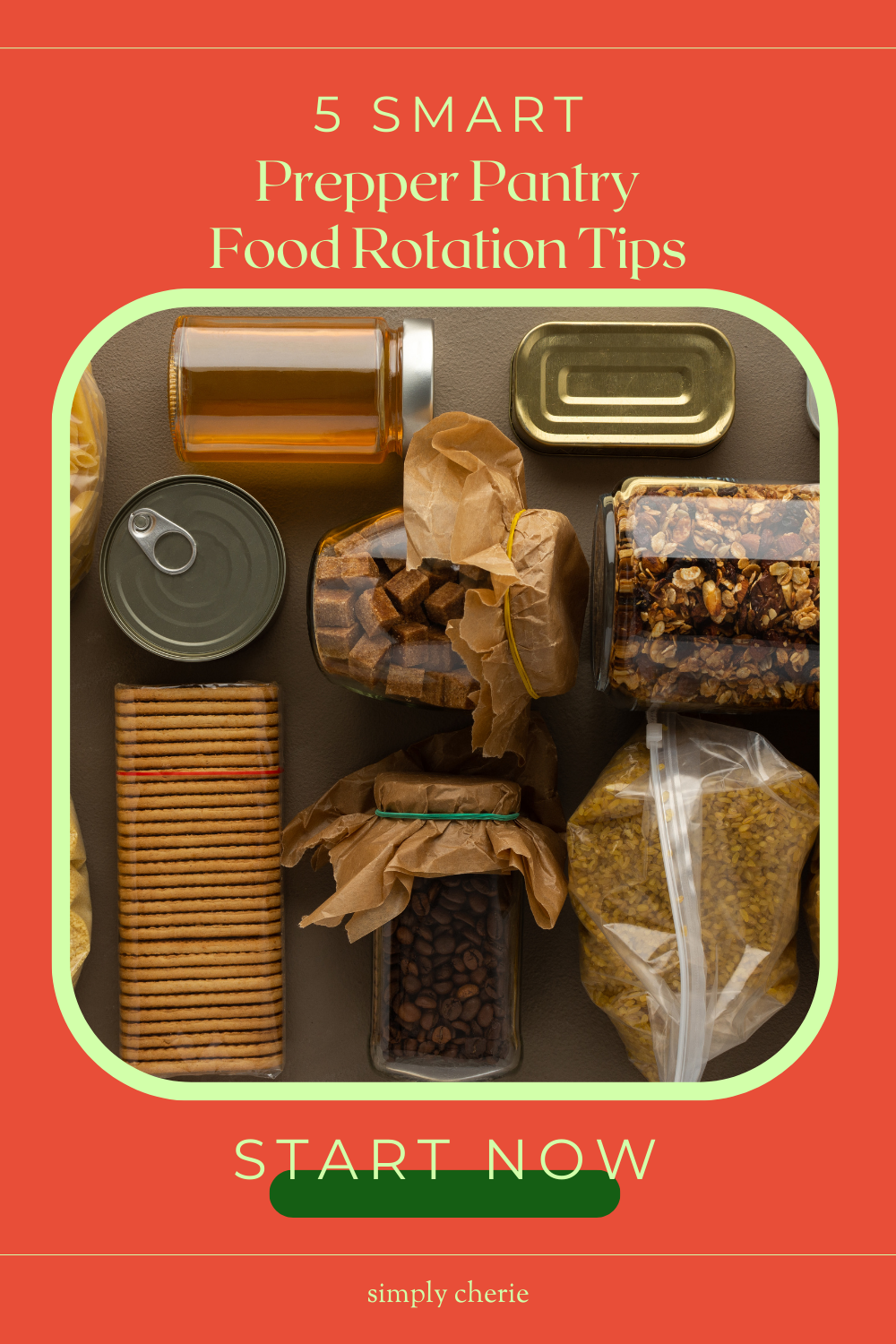
When you restock your pantry, don’t just fill the shelves—rotate them. Move the older food to the front, and place new purchases in the back. This way, your pantry stays fresh and your money isn’t wasted on items you forgot about.
Stick with your 25-food baseline, and you won’t feel overwhelmed. You’re not trying to rotate everything under the sun—just the staples that matter most for your family’s meals. That makes pantry management doable even when life is busy.
Restocking with intention also means paying attention to sales. Buy extra when prices are low, but only if you know you’ll use it. The combination of smart shopping and proper rotation is what saves you the most money in the long run.
Final Thoughts
Rotating your pantry food doesn’t have to be complicated. With FIFO, labeling, shelf systems, and meal planning, you’ll save money, cut waste, and always have fresh, usable food at your fingertips.
When you treat your pantry like an extension of your kitchen, it becomes part of your normal routine—not an overwhelming project. Small, consistent habits are what keep your food organized and your budget under control. Over time, you’ll realize how much peace of mind comes from knowing your pantry is stocked and ready.
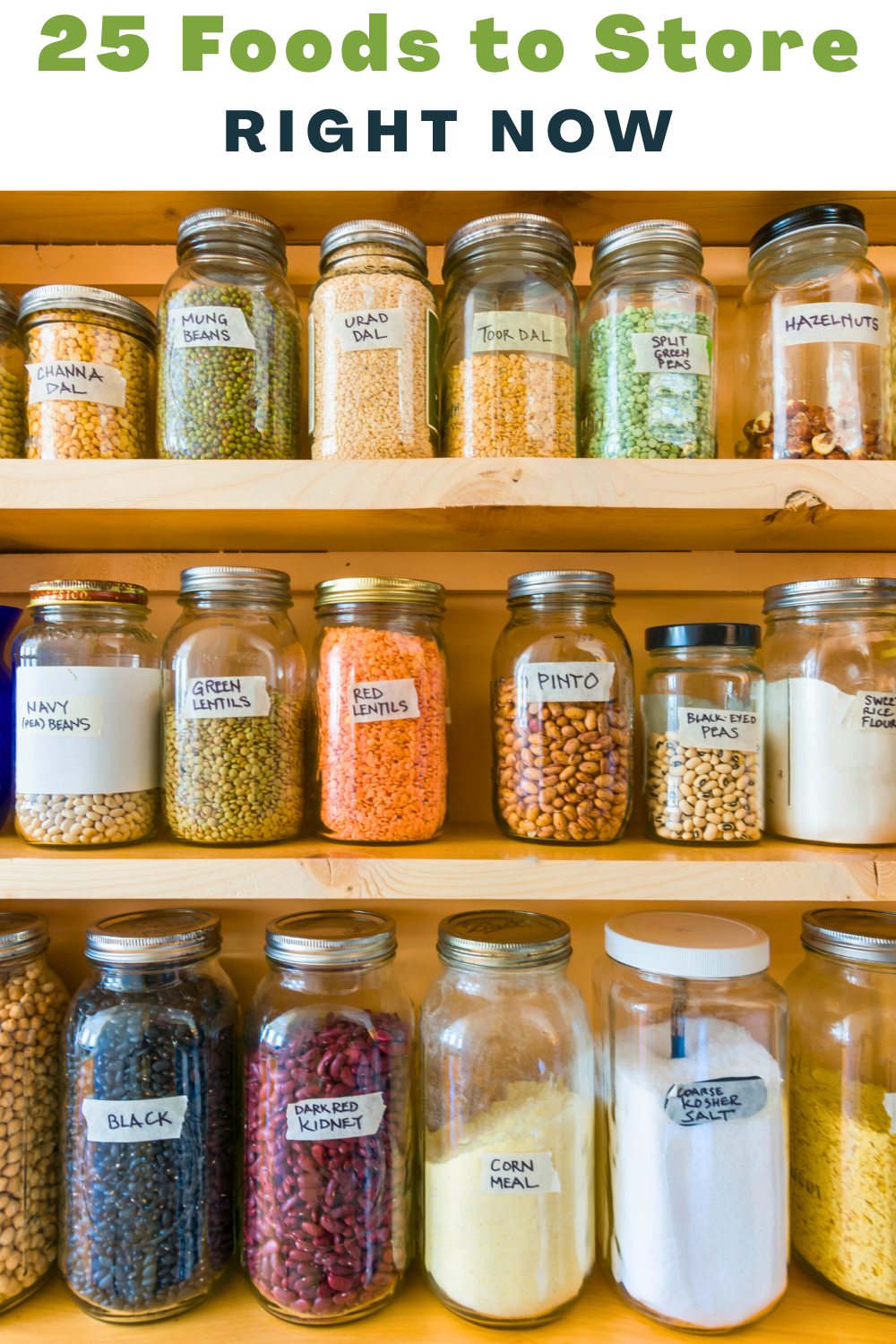
If you’re ready to make this even easier, grab my 25 Foods to Store Right Now printable. It gives you a simple framework for what to stock—and what to rotate—so you can keep your pantry organized and your money working for you.
You may also enjoy these:
- 5 Myths About Building a Prepper Pantry (and What to Do Instead)
- 25 Foods to Store Right Now for Your Prepper Pantry (and Why They Matter)
This post may contain affiliate links, which means I may earn a commission if you purchase through them (at no extra cost to you!) Portions of this content may be generated by AI.
Comments ()