


When grocery prices climb and the weekly food bill feels overwhelming, the smartest strategy isn’t to cut meals or skip variety — it’s to plan meals around what’s on sale. By letting the weekly ad guide your meal plan, you can stretch your budget further while still putting delicious, balanced meals on the table. This simple shift can make a big difference, especially if you’re feeding a family and trying to keep costs under control.
The truth is, most of us shop out of habit — buying the same items week after week without checking prices. That routine often leads to overspending. By flipping your process and making sales the starting point, you’ll begin to see food shopping as a game you can win instead of a bill you can’t control.
Not only does this save money, but it also encourages you to try new recipes, enjoy seasonal foods, and waste less. Even small savings each week can add up to hundreds of dollars a year. It’s a practical, realistic way to take charge of your budget and feel more confident in your kitchen.
1. Start With the Weekly Store Ads
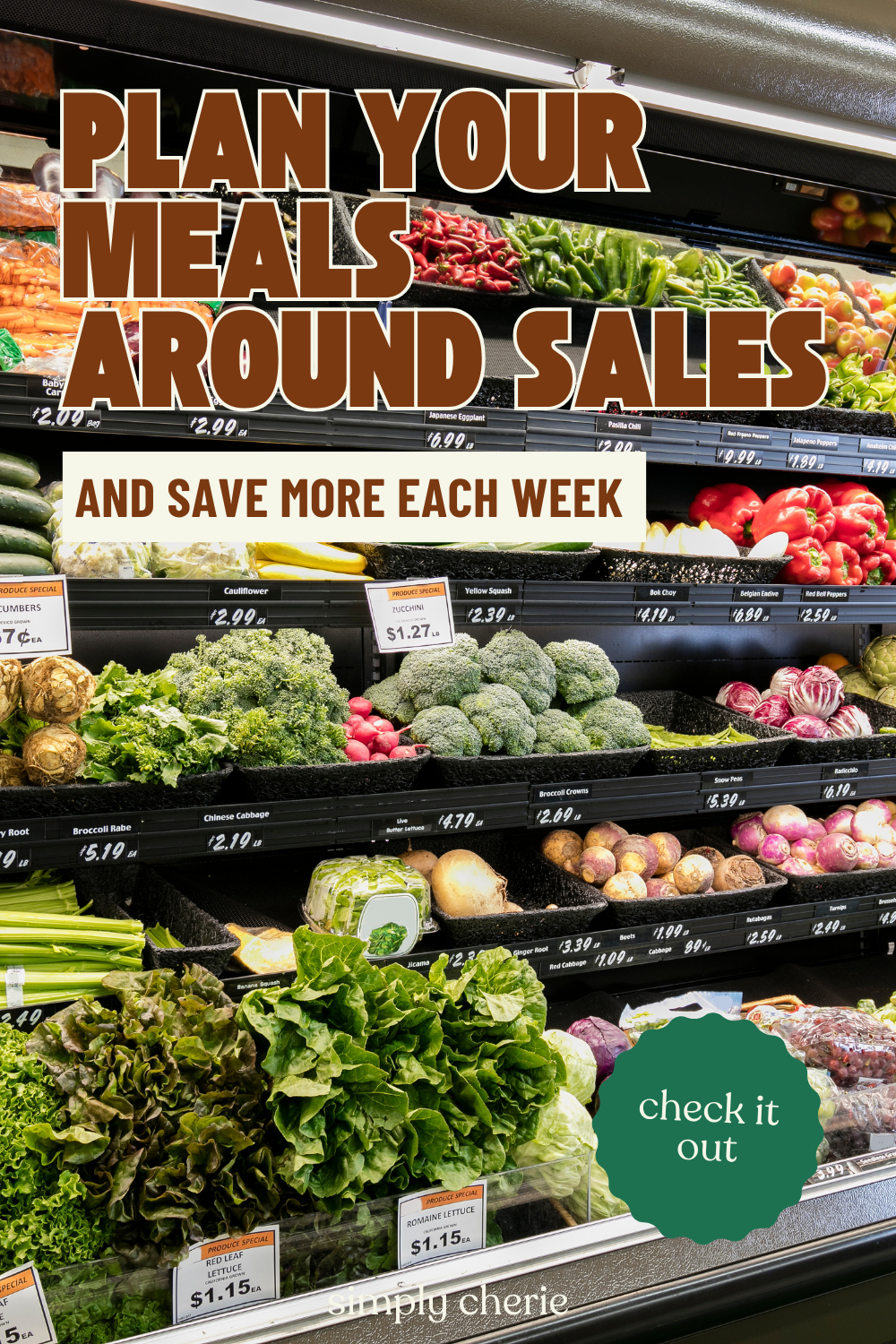
Every grocery store posts weekly flyers with their best deals. Instead of planning meals first and then shopping, flip the process: look at the ads and let the discounts inspire your meal plan.
- If chicken breasts are on sale, think grilled chicken, stir-fry, or tacos.
- If pasta is buy-one-get-one, plan pasta night and grab extras for your pantry.
- Produce specials often align with the season, so you’ll save and enjoy fresher flavors.
The more you study your local ads, the easier it becomes to recognize true stock-up prices. Over time, you’ll start to notice patterns in the sales cycle, which helps you plan ahead. You’ll feel less pressure to “wing it” at the grocery store, which often leads to overspending.
To take this a step further, consider saving digital copies of your store’s weekly ads on your phone. That way, you can compare deals across stores before you shop. With practice, you’ll know exactly where to go for the biggest savings.
2. Build Meals Around One or Two Main Proteins
Protein is usually the most expensive part of any meal. When you see a great deal, buy enough for multiple meals and freeze extras. For example:
- Ground beef sale? Plan spaghetti, chili, and taco night in the same week.
- Whole chicken special? Roast it one night, then use leftovers for chicken soup or sandwiches.
This approach keeps your grocery bill low while ensuring no ingredient goes to waste. Freezer bags or airtight containers make it simple to divide and store proteins for later. You’ll love opening your freezer to find pre-portioned meats ready for quick, affordable meals.
Another benefit is variety — you don’t have to eat the same thing three nights in a row. By freezing and rotating proteins, you spread out flavors while still taking advantage of the sales. Buying in bulk often means fresher cuts since stores move inventory faster during promotions.
3. Match Sales Items With Pantry Staples
Sales only go so far unless you can pair them with what’s already in your pantry. A well-stocked pantry is your secret weapon. If rice, pasta, or beans are ready to go, you can stretch a sale protein or vegetable into multiple meals.
- Grilled chicken + rice + frozen veggies = quick and cheap dinner.
- Sale ground turkey + canned beans + spices = hearty chili.
When your pantry is organized, you avoid last-minute, full-price trips to the store. Keeping a running list of what’s already on hand prevents duplicate purchases. Combining sales with staples creates endless variety without spending more.
It’s also smart to track expiration dates on pantry goods so you can rotate them efficiently. This ensures you always have usable ingredients when a sale item comes home. Over time, your pantry becomes a safety net that makes meal planning even faster.
4. Be Flexible With Your Meal Plan

The beauty of sales-based planning is flexibility. You don’t have to stick to a rigid rotation — you can adjust based on deals. Instead of saying “Tuesday is taco night,” make it “Tuesday is whatever-meat-was-cheap night.”
- If pork chops were a steal, make pork stir-fry instead of tacos.
- If salmon is half off, swap fish night for chicken night.
Flexibility also saves you stress when items sell out before you shop. For example, if chicken thighs are gone, try drumsticks or even pork shoulder. Being adaptable keeps you from feeling stuck with one expensive option.
This flexibility applies to side dishes too. If broccoli is pricey but zucchini is on sale, make the swap without hesitation. Your family still gets a balanced meal, and your wallet stays happy.
5. Stock Up on Non-Perishables During Big Sales
Finally, don’t just buy for the week when a good sale comes around. Stock up on pantry basics when prices drop. Canned goods, pasta, rice, flour, sugar, and frozen vegetables can last months. Buying when prices are lowest builds a buffer for weeks when sales aren’t as strong.
Keep a dedicated shelf or bin for stock-up items. This makes it easy to rotate food and avoid expired goods. Over time, these stock-ups become your safety net for busy weeks or tight budgets.
Remember, stocking up doesn’t mean hoarding. Only buy what your family actually eats, and buy it at its lowest price. Doing this consistently creates a mini “store” in your home where you can shop anytime without spending extra.
Final Thoughts
Planning meals around sales is a habit that pays off quickly. You’ll save money, waste less, and still enjoy a variety of meals without feeling deprived. And when you pair this with a clear meal planner, the process becomes even simpler.
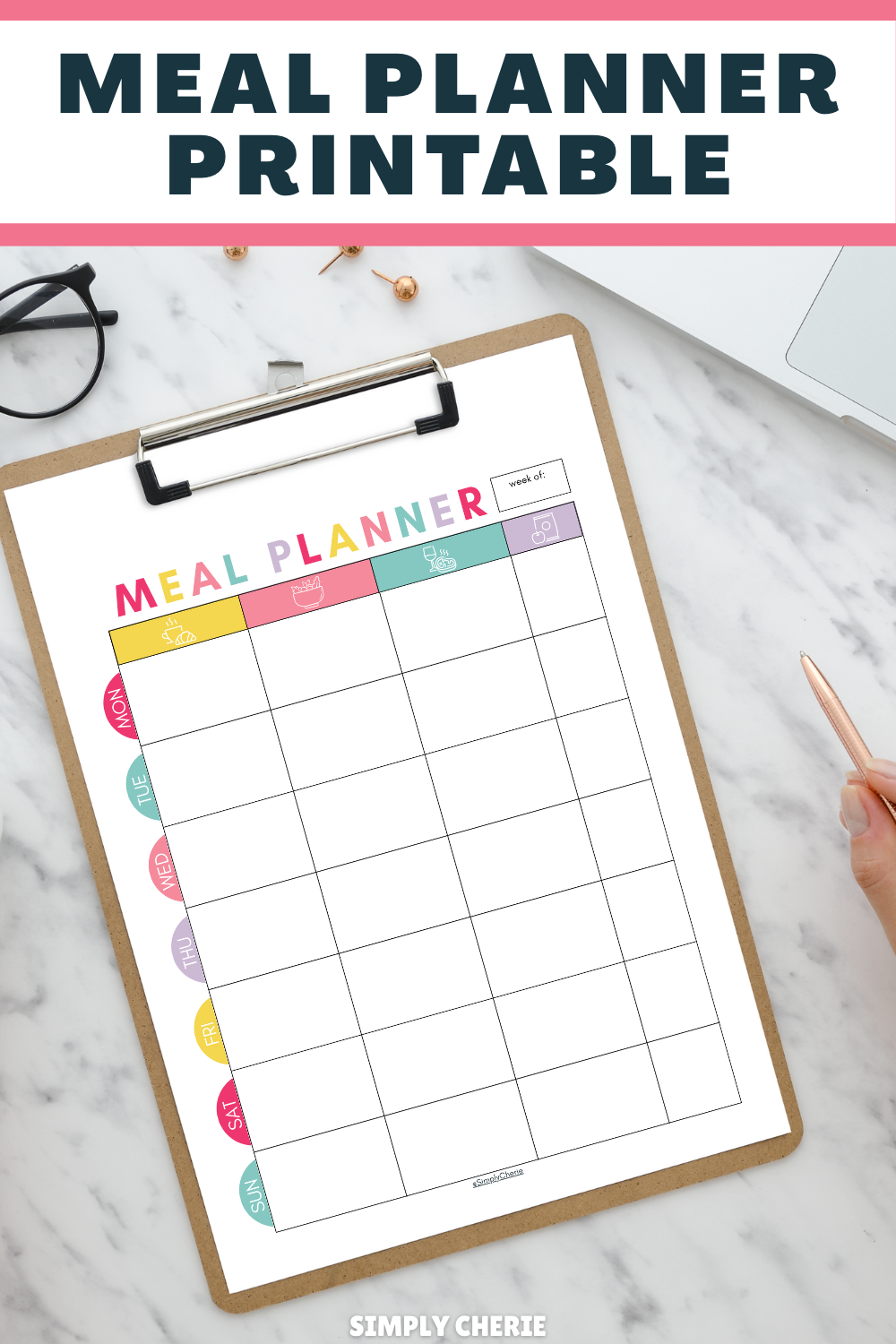
That’s why I created my Weekly Meal Planner, which helps you organize meals, track pantry staples, and align your shopping list with sales. 👉🏼 Grab it here.

By combining smart shopping with intentional planning, you’ll keep your food budget under control without sacrificing quality. Start this week with one store flyer, a few flexible meal ideas, and your planner. Small shifts like this add up to big savings.
And remember: the more you practice, the easier it gets. Soon you’ll find yourself thinking about meals in terms of savings, not stress. That’s when you’ll know you’ve mastered this money-saving habit.
You may also enjoy these:
- 3 Reasons Why Meal Planning Saves Time (and Sanity) in Busy Seasons
- How to Create a Weekly Meal Plan in Under 15 Minutes
This post may contain affiliate links, which means I may earn a commission if you purchase through them (at no extra cost to you!) Portions of this content may be generated by AI.
Comments ()