


When it comes to keeping your family fed without the stress, your pantry is the foundation of your meal planning success. A well-stocked pantry isn’t just a place to stash random cans and boxes—it’s a resource that saves time, money, and energy when life gets busy. The truth is, meal planning and your pantry go hand in hand. If one is a mess, the other feels impossible to manage.
By starting with the basics, you can create a simple system that supports your family’s meals week after week. Think of it as connecting the dots between what’s already in your pantry and what ends up on your table. Once you understand this connection, meal planning becomes easier and more flexible, even on the busiest days. With the right foundation, you won’t be caught off guard when dinner rolls around. And when your pantry is under control, you’ll feel more confident about making healthy choices without last-minute stress.
1. Stock Pantry Staples You Actually Use

The first step is to build your pantry around the meals your family eats most often. Too many people stock up on items they rarely touch, which only clutters the shelves. Instead, focus on the ingredients that show up in your weekly rotation. For example, if your family loves taco night, keep tortillas, beans, rice, and salsa on hand at all times.
This simple shift ensures that when you sit down to meal plan, you already have a base of ingredients ready to go. Your pantry supports your meal plan, and your meal plan keeps your pantry in check. This also means fewer wasted groceries since everything in your pantry has a purpose. Over time, you’ll notice how much easier it is to pull meals together when you already own 70% of the ingredients. And instead of feeling overwhelmed by random food, you’ll see your pantry as a tool that works for you.
2. Think in Themes for Meal Planning

The pantry-meal planning connection works best when you simplify decisions. One way to do this is by creating meal “themes” for the week. For instance:
- Monday: Pasta night
- Tuesday: Tacos or Mexican-inspired dishes
- Wednesday: Slow cooker or sheet pan meal
- Thursday: Soup and sandwiches
- Friday: Pizza or leftovers
By aligning your pantry with these themes, you’ll always have the basics for each type of meal. You don’t need to reinvent the wheel each week—you’re just rotating simple ideas with a strong pantry backbone. Themes give you a rhythm and reduce decision fatigue, which is one of the biggest struggles of meal planning. They also help kids and partners know what to expect, which can cut down on complaints at the dinner table. Plus, once you get in the groove, you can swap out variations (like spaghetti one week and baked ziti the next) without starting from scratch.
3. Shop to Fill the Gaps, Not Reinvent the Pantry

Once you’ve set up your pantry with the essentials, shopping becomes about filling in the gaps. If your pantry already has the pasta, rice, and canned goods, your grocery list shrinks to just fresh items like meat, vegetables, and fruit. This approach saves both money and mental energy.
Instead of starting your meal plan by asking “What should we eat?”, you’re asking “What can we make with what we already have?” It’s a small shift that makes meal planning much more doable. This method also helps avoid impulse buys at the store, since you know exactly what you need to round out your meals. You’ll start to notice your grocery bills shrink because you’re no longer buying duplicates. And as a bonus, you’ll have fewer midweek grocery runs because your pantry is already doing half the work for you.
4. Keep Track of What’s in Stock
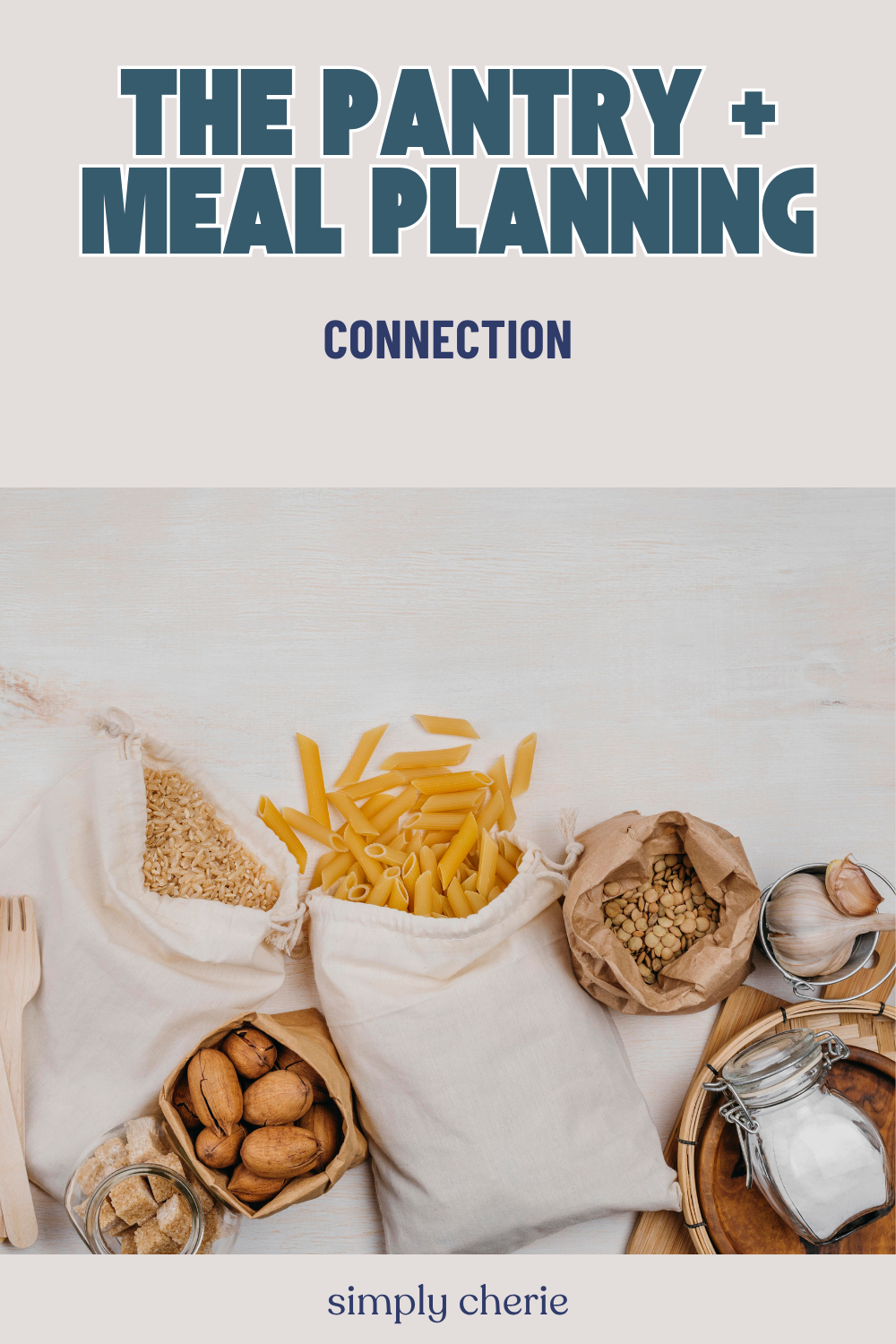
A pantry only works if you can see and remember what’s in it. That’s why organization is key. Keep like items together, label shelves or bins, and regularly check expiration dates. When you know exactly what’s available, meal planning feels less like a guessing game and more like putting together a puzzle with pieces that already fit.
A tidy pantry helps you use what you own instead of wasting money on duplicates. Meal planning gets easier when you’re not digging through clutter. You can even make it a habit to do a quick pantry scan before writing your weekly plan. This helps you spot items that need to be used up soon, so they don’t go to waste. And by making pantry organization part of your routine, you’ll always have a clear picture of your household’s food supply.
5. Build a Simple System You Can Repeat
The real magic happens when you connect pantry organization with meal planning in a repeatable way. Create a system where:
- You check your pantry before writing your weekly meal plan.
- You plan meals around what’s already in stock.
- You only shop for what fills in the missing pieces.
This cycle keeps your pantry balanced and your meal planning consistent. Over time, it becomes second nature—no more last-minute dashes to the store or wasted food shoved to the back of the shelves. The key is consistency, not perfection. Even if you skip a week of detailed planning, your pantry staples will keep you afloat. And once you see how much easier life becomes with this system, you’ll wonder why you didn’t start sooner.
Final Thoughts
Your pantry and your meal plan aren’t two separate projects—they’re part of the same system. When you connect them, you’ll save time, money, and stress every single week. The basics—stocking what you use, planning around themes, shopping to fill gaps, and organizing your pantry—are all it takes to create a meal planning rhythm that truly works for your family.
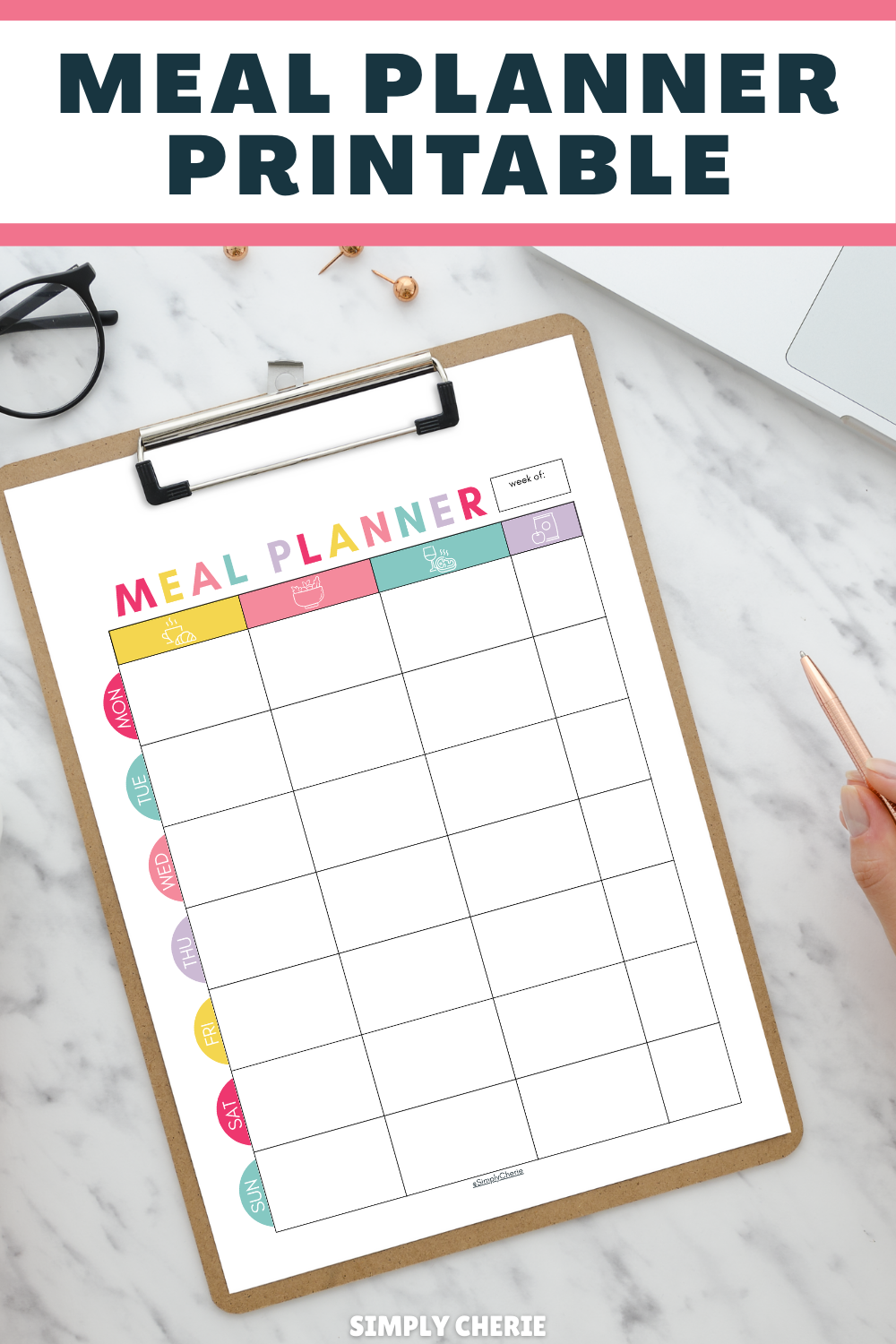
If you’re ready to put this into practice without overthinking it, I’ve got something that makes it simple. My Meal Planner gives you the tools to set up your weekly rotation, organize your pantry basics, and keep everything in one easy-to-follow system.
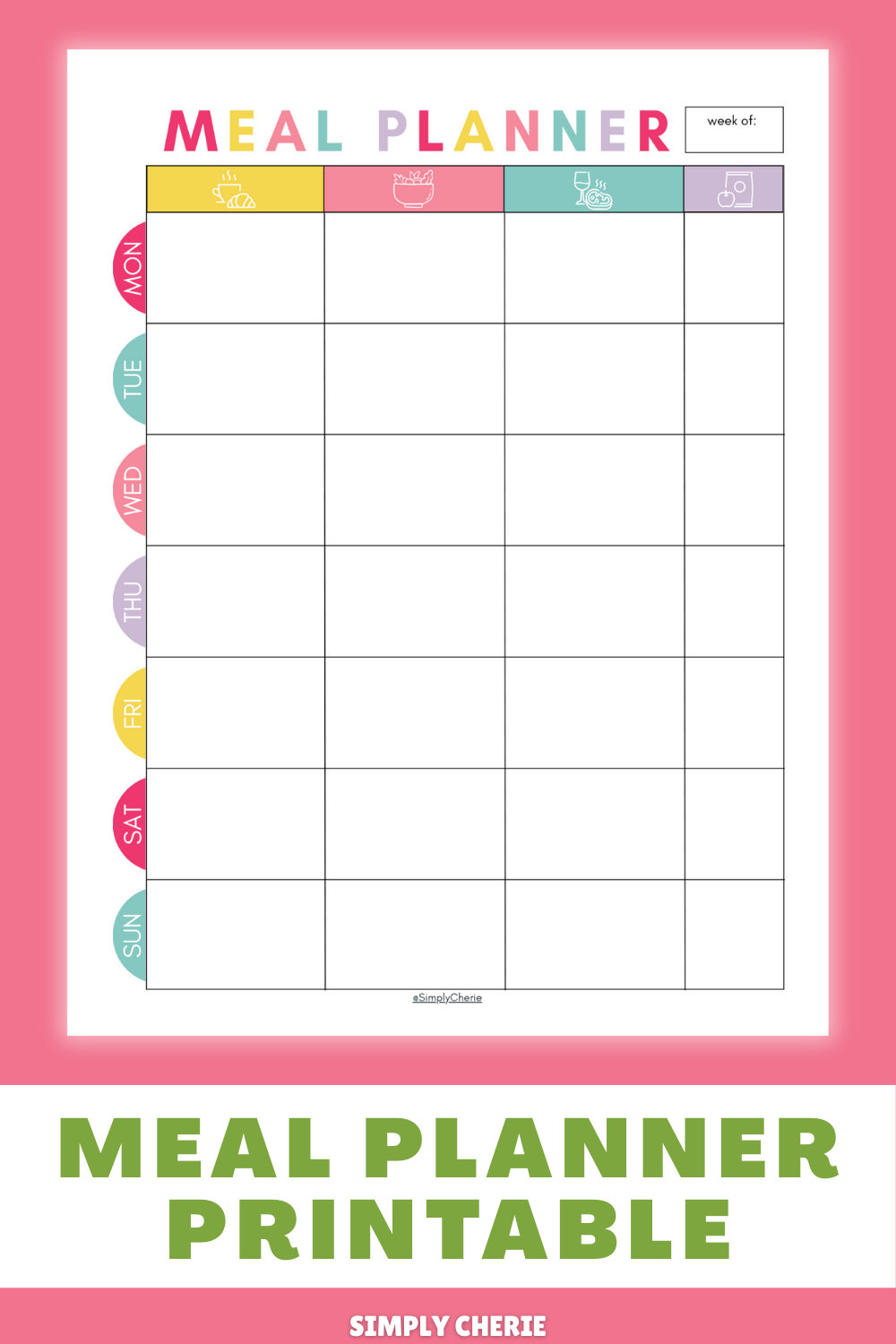
It’s the shortcut to making your pantry and meal planning work together—so you can focus on enjoying dinner, not stressing about it. With a clear plan in place, you’ll gain more peace of mind and less chaos at dinnertime. And that’s the kind of relief every busy household deserves.
You may also enjoy these:
- 3 Reasons Why Meal Planning Saves Time (and Sanity) in Busy Seasons
- How to Create a Weekly Meal Plan in Under 15 Minutes
This post may contain affiliate links, which means I may earn a commission if you purchase through them (at no extra cost to you!) Portions of this content may be generated by AI.
Comments ()