
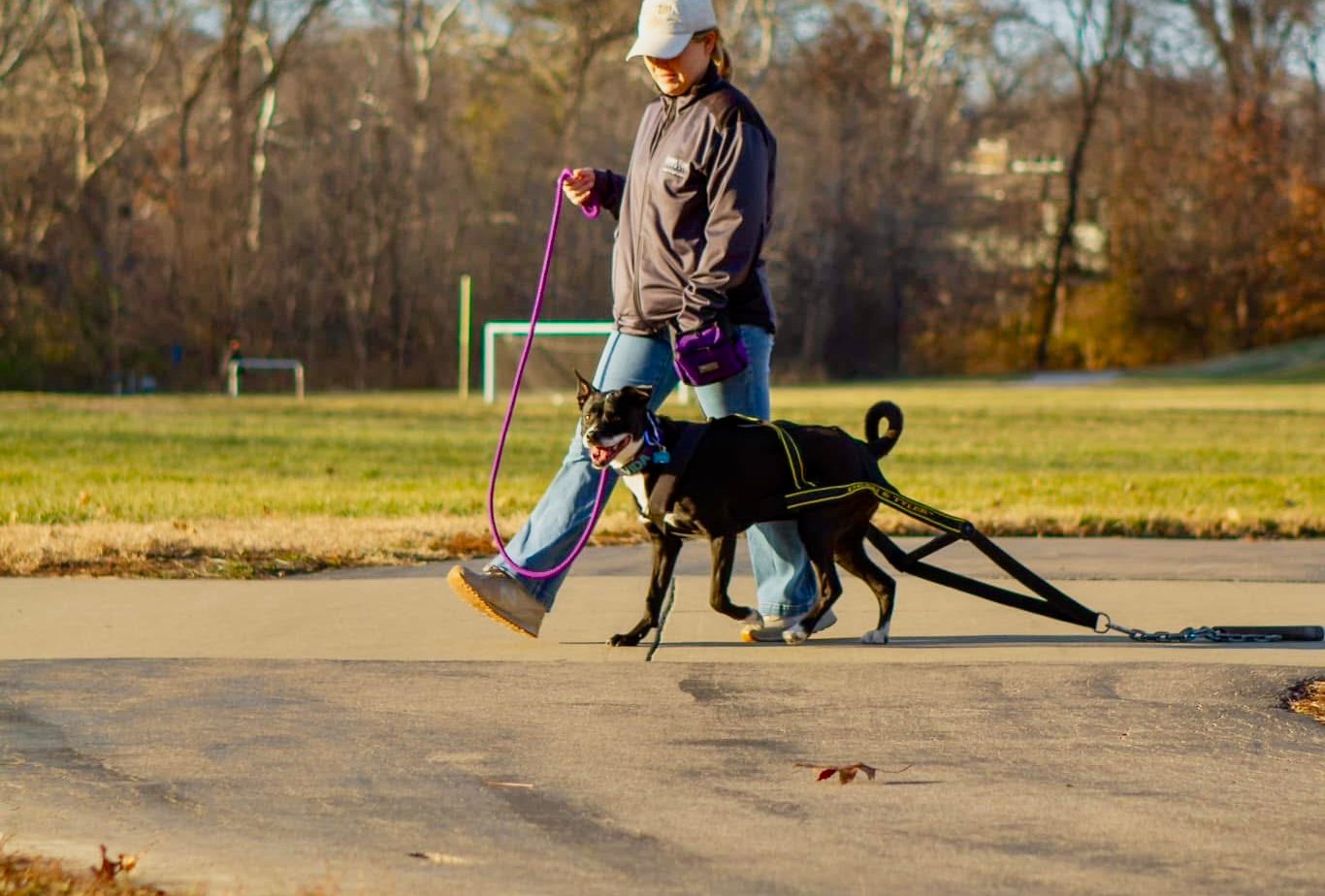
**Understanding Dog Reactivity: Causes, Consequences, and Solutions**
Dog reactivity is a common behavioral challenge faced by pet owners, but it’s often misunderstood. While many people may interpret reactivity as aggression, it's important to distinguish between these two behaviors. Reactivity refers to a dog's intense, often emotional response to specific stimuli, such as other dogs, people, or environmental factors. Reactivity can manifest as barking, lunging, growling, or even snapping, but it doesn’t always indicate that a dog is truly aggressive. Instead, reactivity is more about how a dog reacts to perceived threats, discomfort, or stress.
In this article, we'll explore the causes behind dog reactivity, how to identify it, its consequences, and ways to manage and reduce it effectively.
What is Dog Reactivity?
Dog reactivity is typically a heightened emotional response to external stimuli. This response may be triggered by various factors, and how a dog reacts can vary depending on their temperament, previous experiences, and the specific situation.
Reactivity can appear in different forms:
- Barking: Excessive barking when encountering a trigger.
- Lunging: The dog may try to close the distance quickly, often as a way to escape the perceived threat.
-Growling or Snapping**: Signs of anxiety or fear where the dog may try to protect itself or communicate discomfort.
- Tail Wagging: Surprisingly, some dogs with high arousal may wag their tails, even when they're anxious or agitated.
Common triggers for reactivity include:
- Other dogs: Reactivity towards other dogs is one of the most common forms of behavioral issues. It may be due to fear, frustration, or a lack of socialization.
- People or children: Some dogs may react aggressively or anxiously around unfamiliar people, especially in situations where they feel cornered or unsure.
- Noises or objects: Some dogs react to specific noises, such as loud vehicles, or unfamiliar objects, like bicycles, hats, or umbrellas.
- Environment changes: New surroundings or unfamiliar spaces may cause some dogs to feel overwhelmed, triggering a reactive response.
Why Do Dogs Become Reactive?
Reactivity is often a result of one or more underlying factors, including:
1. **Fear or Anxiety**
Many reactive behaviors stem from fear. Dogs that are fearful of certain stimuli may feel the need to react in an exaggerated manner as a means of self-preservation. For example, a dog that is scared of other dogs may bark or lunge to create distance from the perceived threat. This is often a defense mechanism, not a sign of aggression.
2. **Lack of Socialization**
Dogs that haven't been properly socialized, particularly during their critical developmental stages (between 3 and 14 weeks old), may struggle to understand appropriate behavior in social contexts. They may feel threatened by novel stimuli, other dogs, or unfamiliar people, and react aggressively or anxiously.
3. **Frustration**
Frustration can lead to reactive behavior, especially in dogs that are on a leash or confined in some way. When a dog sees another dog but cannot approach or interact due to a leash, they may become frustrated and display reactivity. This is often referred to as "leash reactivity."
4. **Territorial Instincts**
Some dogs are particularly territorial and may react defensively when they feel their space is being invaded. This could apply to their home, yard, or even specific areas during walks.
5. **Pain or Illness**
Physical discomfort or illness can make a dog more reactive. If a dog is in pain, they may be more prone to snapping or acting aggressively when interacting with others. It's always important to rule out health issues when behavioral changes occur.
6. **Previous Negative Experiences**
A dog's history plays a significant role in reactivity. For example, a dog that was previously attacked by another dog may become reactive toward all other dogs due to the trauma they experienced.
Identifying Reactivity vs. Aggression
It's crucial to distinguish between reactivity and true aggression. While both behaviors can appear similar, the key difference is motivation and context:
- Reactivity: is usually motivated by fear, anxiety, or frustration.
- Aggression: Is forward movement with the goal of changing the actions of another being
A reactive dog may show aggressive behaviors like barking, growling, or lunging, but the goal is often to create distance or make the perceived threat go away. Aggressive dogs, however, may continue the confrontation, even if the threat retreats.
The Consequences of Reactivity
If left unaddressed, dog reactivity can lead to various challenges:
1. **Increased Stress for the Dog**
Chronic reactivity can cause significant stress for the dog, leading to long-term anxiety, poor behavior, and a lower quality of life.
2. **Escalation of Behaviors**
If reactivity isn't managed, it may escalate. For example, a dog that barks and lunges at other dogs could eventually become more aggressive if their fears are not addressed.
3. **Risk of Injury**
In some cases, a reactive dog may cause harm to themselves or others during their heightened state. Lunging and snapping can lead to physical injuries, especially if a reactive dog is on a leash and unable to flee from a situation.
4. **Strained Relationship with Owners**
Reactivity can strain the bond between a dog and its owner. Pet parents may feel frustrated, embarrassed, or overwhelmed by their dog’s behavior, which can lead to a lack of trust between the dog and its human.
Managing and Reducing Reactivity
While reactivity is a common issue, it can be addressed with the right approach. Here are some strategies for managing and reducing reactivity in dogs:
1. **Behavior Modification Training**
Training is one of the most effective tools for managing dog reactivity. This involves rewarding your dog for observing another dog or person calmly without reacting and reinforcing good engagement.
2. **Desensitization and Counter-Conditioning**
Desensitization is the process of gradually exposing your dog to the trigger at a distance where they feel comfortable and then slowly decreasing the distance over time. Counter-conditioning involves changing the dog’s emotional response to a trigger by pairing it with something positive, such as treats. This helps your dog learn to associate the trigger with rewards rather than fear or frustration.
3. **Management and Control**
Managing a reactive dog involves setting up the environment to minimize triggers. Avoid putting your dog in situations where they feel overwhelmed, such as crowded spaces or too-close encounters with other dogs.
4. **Fulfilling Biological Outlets**
It's important to address overall stress in a dog’s life. Ensure your dog gets enough physical exercise, mental stimulation, and relaxation. High-energy dogs may benefit from more enrichment activities like puzzle toys, training exercises, and structured walks.
Conclusion
Dog reactivity is a complex issue with various causes, but with patience, consistency, and proper management, it can be improved. Understanding the root causes of your dog's reactivity, using positive reinforcement, and seeking professional help when needed are key steps to helping your dog lead a calmer, more balanced life. By taking a proactive approach, you not only address the behavior but also foster a stronger bond with your pet.