The Living Book
Ink is how a day agrees to stay.

Ink is how a day agrees to stay.
Thirty-five dollars a month for the daily almanac and the six-page printable that comes with every edition, plus everything in the four tiers before it. For readers who want a daily practice on paper and a year of their own days to show for it at the end.
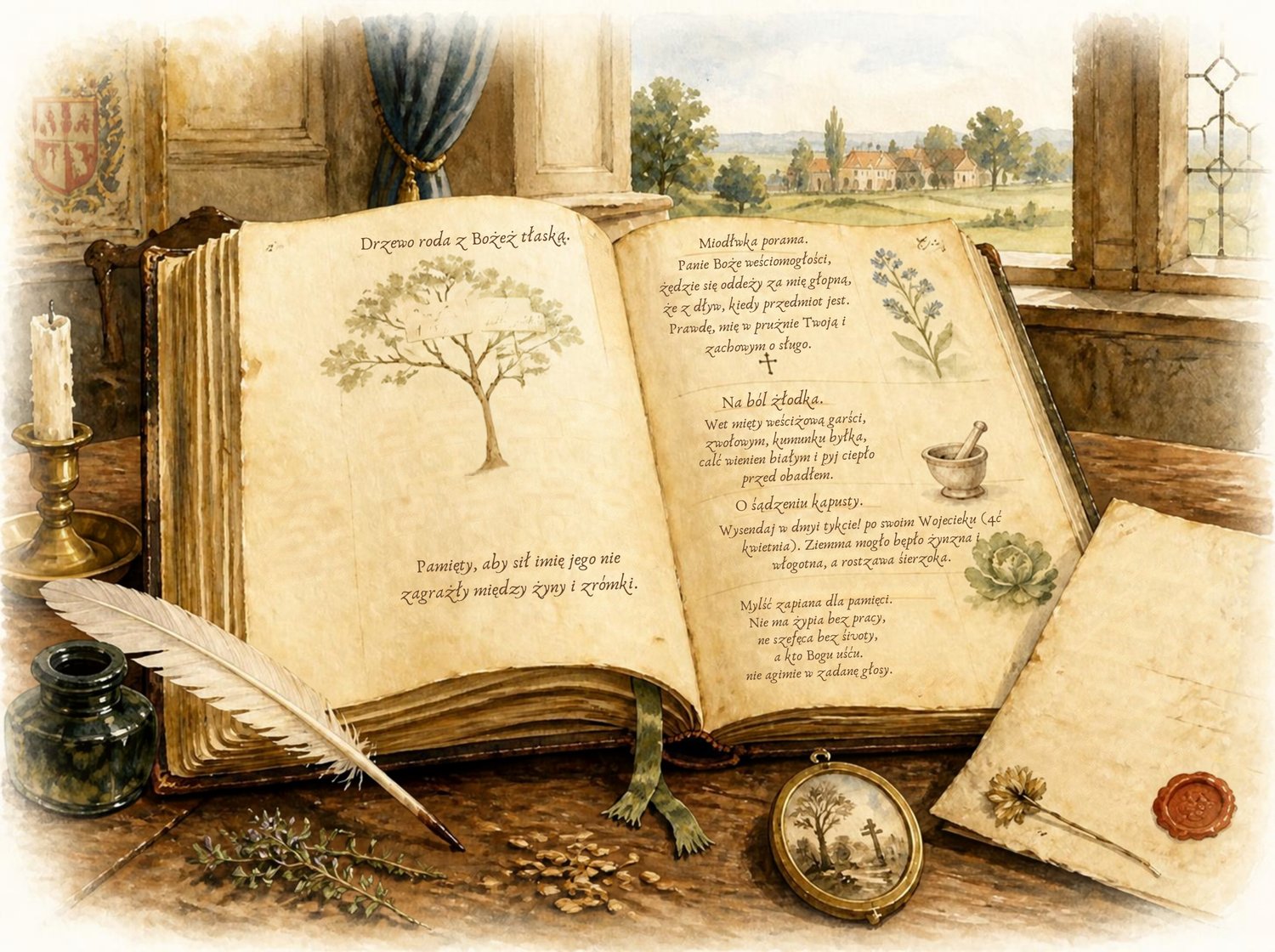
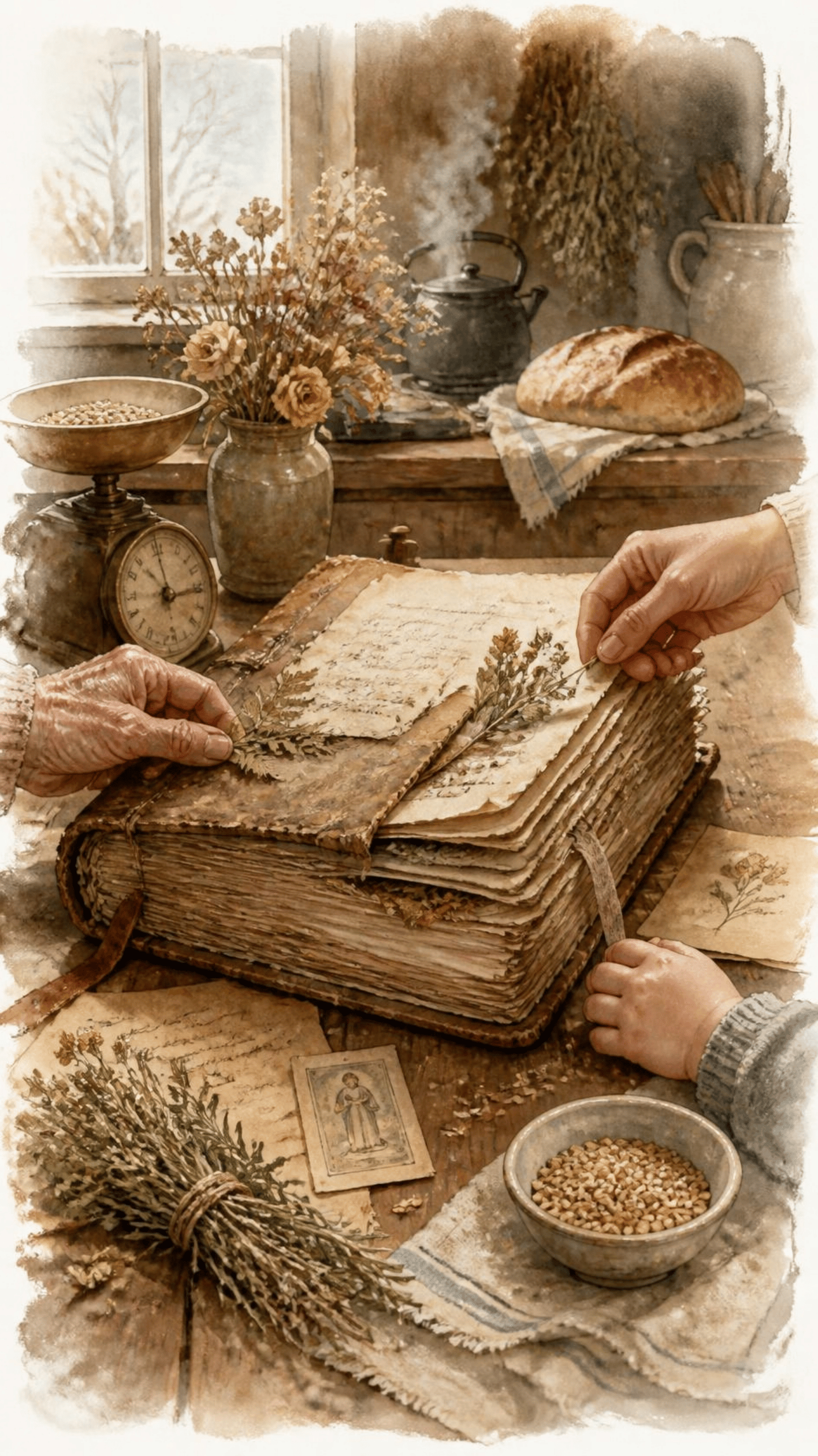
From the sixteenth century into the eighteenth, noble families in Poland and Lithuania kept a household book they called a silva rerum (a forest of things) and added to it for generations. Births and deaths went into it, and letters and prayers and remedies, and advice for the grandchildren on planting and physic, and the price of grain that year written beside a poem somebody wanted to remember. It was never meant for print. It was meant for whoever came next.
The Living Book is the daily Wisdom Almanac and the six pages that come with every edition. Each day is walked through its three thresholds: morning gives you something to carry and midday puts you back in your hands and senses, while evening sets the day down by lamplight with a poem and a question left open. The pages hold the day's reading, the sky and its hours, the season's table, questions with room beneath them for your answers and whole sheets left blank for whatever the day stirs up. It is planner, guided journal and almanac in one, made to be written on by hand.
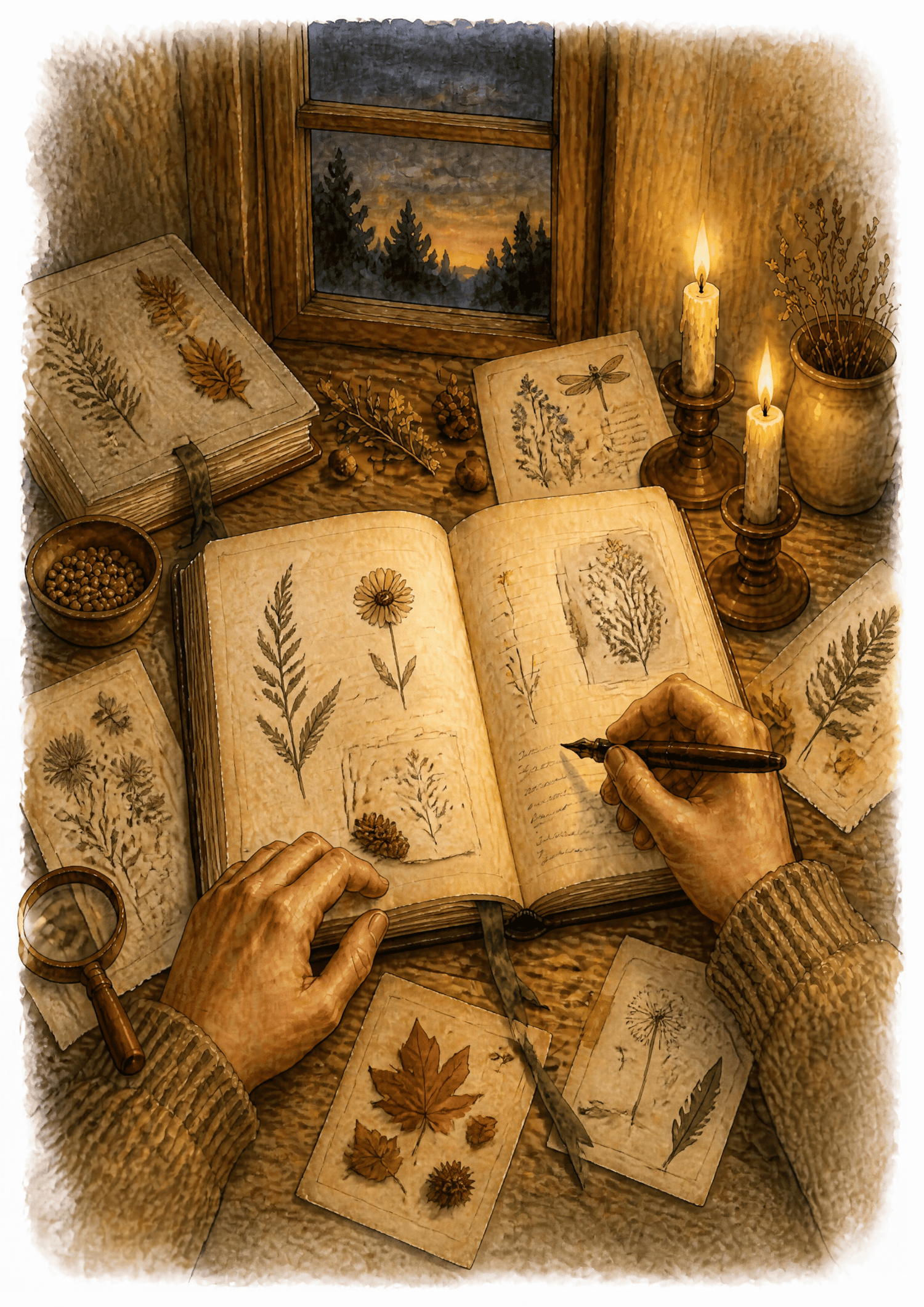
The pages gather if you keep them. A month of them in a folder is a commonplace book of your own making, and a year of them, clipped together and filled in your handwriting, is the kind of book those old houses kept, with your weather and your prayers, your kitchen and your hard days, all in one place for whoever comes after you.
The daily Wisdom Almanac, every day of the year, each edition checked against the actual sky and calendar for its date.

The six-page Living Book printable with every edition, made for US Letter and ready for a home printer or to keep on a tablet.
A cover page and an index sheet each season for gathering three months of pages into one bound volume, with a closing page at the year's end for whatever you would want the next reader to know.
First access to the companion app when it opens.
The member chat, open all week, for questions and what everybody is seeing out their own window.
Member discounts on everything in the shop.
Priority access to new workbooks, guides, workshops and courses, before they open to anyone else.
Everything in the four tiers before it.
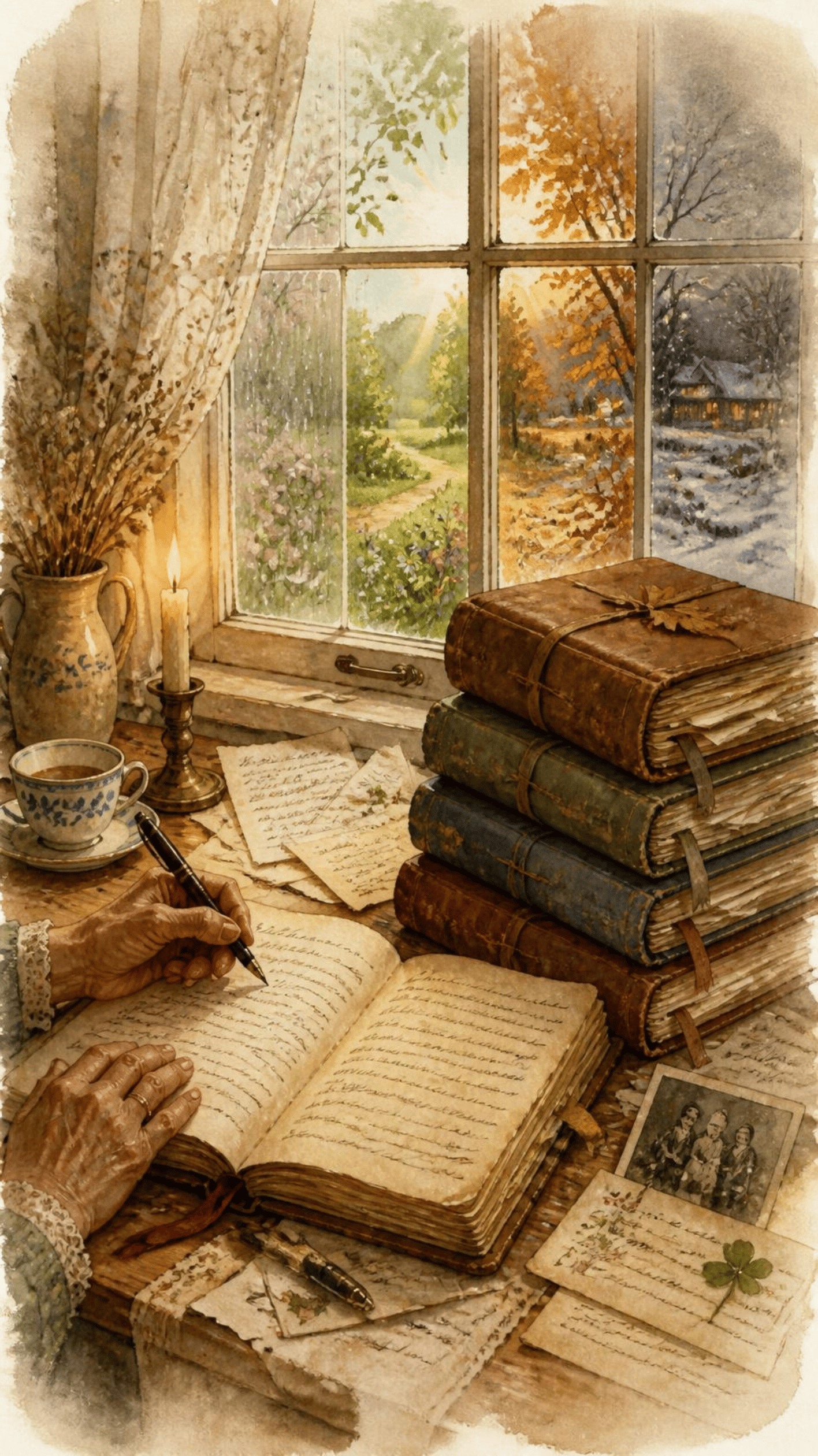
Charlotte Mason drew a hard line between a book assembled by a committee and what she called a living book: one written by a single mind with a real passion for its subject, carrying living ideas instead of dry facts, so that reading it feels less like study and more like being talked to across a kitchen table. Hold that standard up to your own year. Six pages a day comes to better than two thousand by December, four seasonal volumes heavy enough to need both hands, every page of it written by a single mind with an unmatched passion for the subject. No committee. No twaddle. Only your handwriting running loose on the good days and cramped on the hard ones, the weather, the visitors, the name of whoever called, the recipe the way your mother actually made it rather than the way it was printed, the question you could not answer in March and answered without noticing in August.
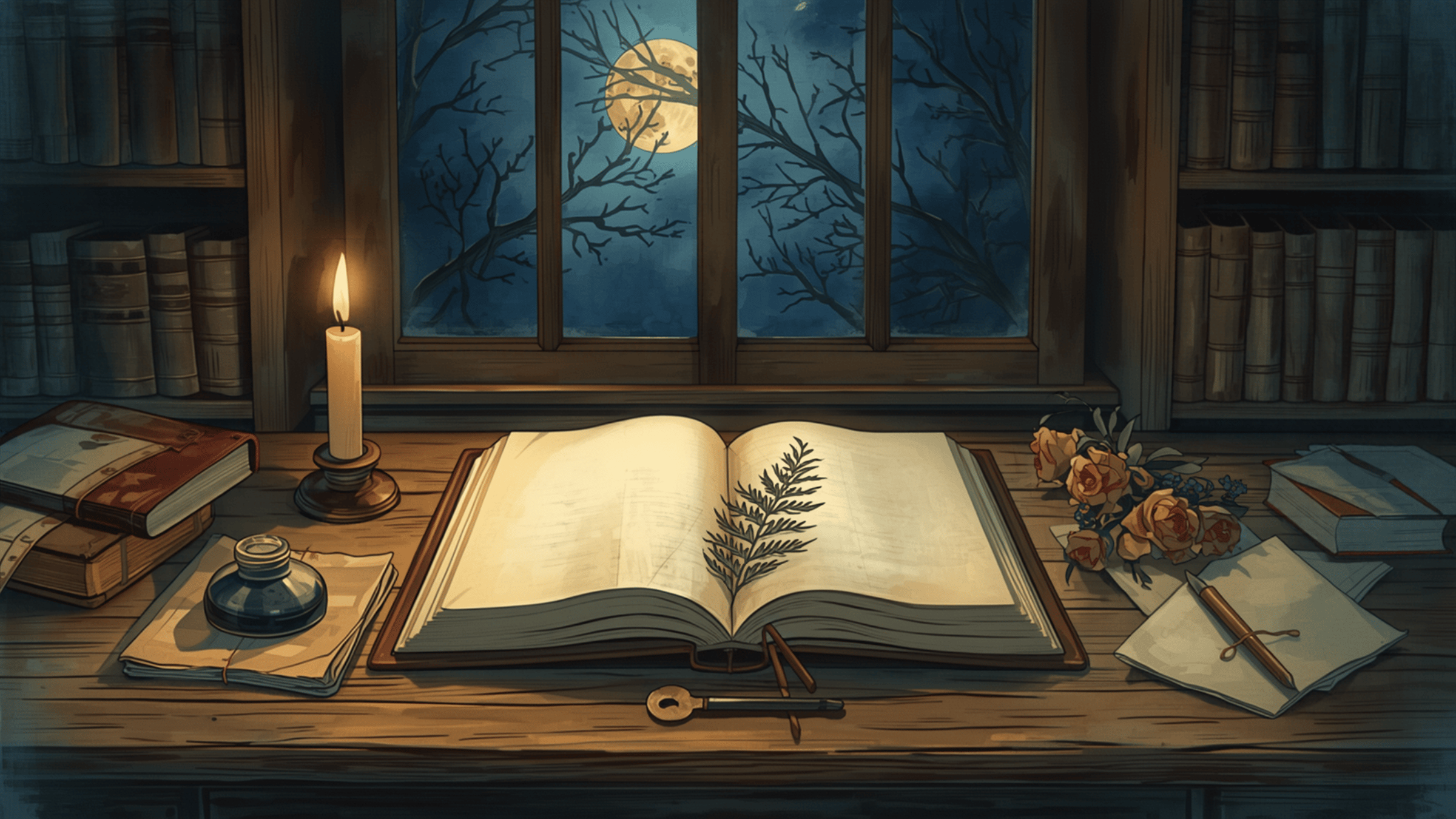
The form is old and it has been treasured before. Victorian households kept commonplace books, copying in the verse that struck them and the remedy that worked, pressing ferns flat between the pages until the whole thing bulged. Two centuries earlier the families of Poland and Lithuania kept a silva rerum, a forest of things, one book handed down through generations with every hand adding to it: births, deaths, letters, prayers, advice to the grandchildren on planting and medicine, the price of grain that year written beside a poem somebody loved. None of it was made for publication. All of it was made for whoever came next, which is why those books are still read today while the fine printed volumes from the same houses sit unopened.
That is what a year at this tier leaves on your shelf. The only book of its kind anywhere, unrepeatable, in your own hand, about your own days and the people who filled them. Nobody else can write it, and one day somebody who never met you will open it and know what your kitchen smelled like in February.