
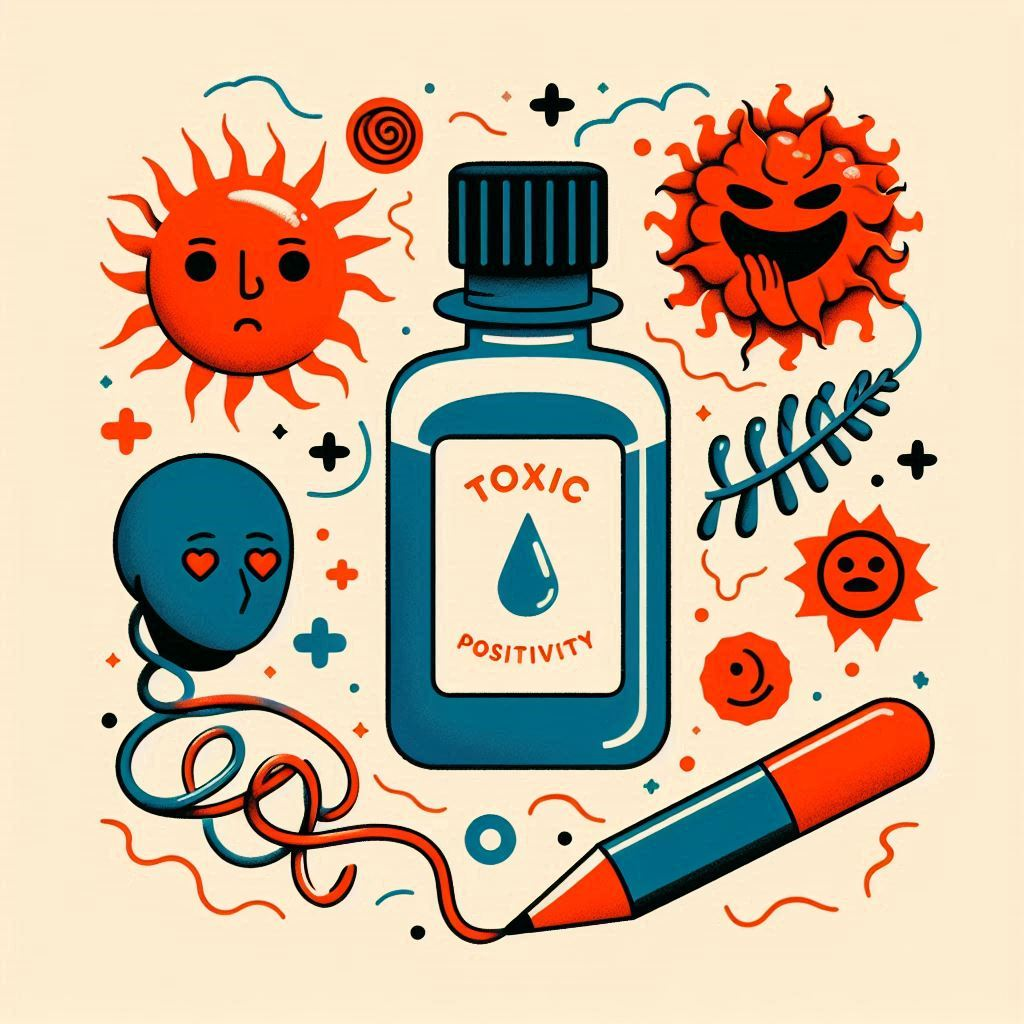
In a world that often champions a “good vibes only” mentality, it’s easy to overlook the darker side of relentless positivity. While maintaining a positive outlook can be beneficial, there is a point where optimism becomes toxic. This phenomenon, known as toxic positivity, involves dismissing or invalidating genuine emotions in favor of a falsely positive façade.
What is Toxic Positivity?
Toxic positivity is the belief that people should maintain a positive mindset no matter how dire or difficult a situation is. It involves an overgeneralization of happiness and optimism, to the extent that it denies and invalidates authentic human emotions, particularly those deemed negative, such as sadness, anger or grief.
Why is Toxic Positivity Harmful?
- Suppresses Authentic Emotions: By insisting on positivity, individuals may feel pressured to hide their true feelings. This suppression can lead to unresolved emotions and increased stress.
- Creates Shame and Guilt: When people are unable to maintain a positive outlook, they may feel ashamed or guilty for experiencing natural emotions.
- Hinders Emotional Growth: Acknowledging and processing negative emotions is crucial for emotional growth and resilience. Toxic positivity prevents this essential process.
Recognizing Toxic Positivity
Toxic positivity can manifest in various ways, including:
- Dismissive Statements: Phrases like “Just stay positive” or “It could be worse” can shut down meaningful conversations about real struggles.
- Forced Cheerfulness: Encouraging someone to smile or be happy when they are clearly distressed can be harmful.
- Ignoring Problems: Pretending that everything is fine when it isn’t can prevent individuals from seeking the help they need.
How to Cultivate Healthy Positivity
- Acknowledge All Emotions: Recognize that it’s okay to feel sad, angry, or frustrated. These emotions are a natural part of the human experience.
- Offer Support, Not Solutions: Instead of trying to fix someone’s problems with positivity, offer a listening ear and validate their feelings.
- Encourage Open Dialogue: Create a safe space for people to express their true emotions without fear of judgment.
- Practice Self-Compassion: Be kind to yourself when you experience negative emotions. Understand that it’s okay not to be okay all the time.
While positivity has its place, it’s important to recognize when it becomes toxic. By embracing a more balanced approach to emotions, we can foster genuine connections and support each other through life’s ups and downs. Remember, true healing comes from acknowledging and processing all of our emotions, not just the positive ones.
Comments ()