


Before turning the first wrench or diagnosing that faint clatter in a car engine, the state of your workshop shapes how efficiently and safely you can perform your tasks. Workshop organization isn’t just a luxury; it’s essential for creating a professional, efficient, and safe working environment. Whether you’re a seasoned mechanic managing a busy shop or an owner of a small workshop, maintaining order can have a massive impact on your operations. Let’s explore why workshop organization is crucial and how it leads to success.
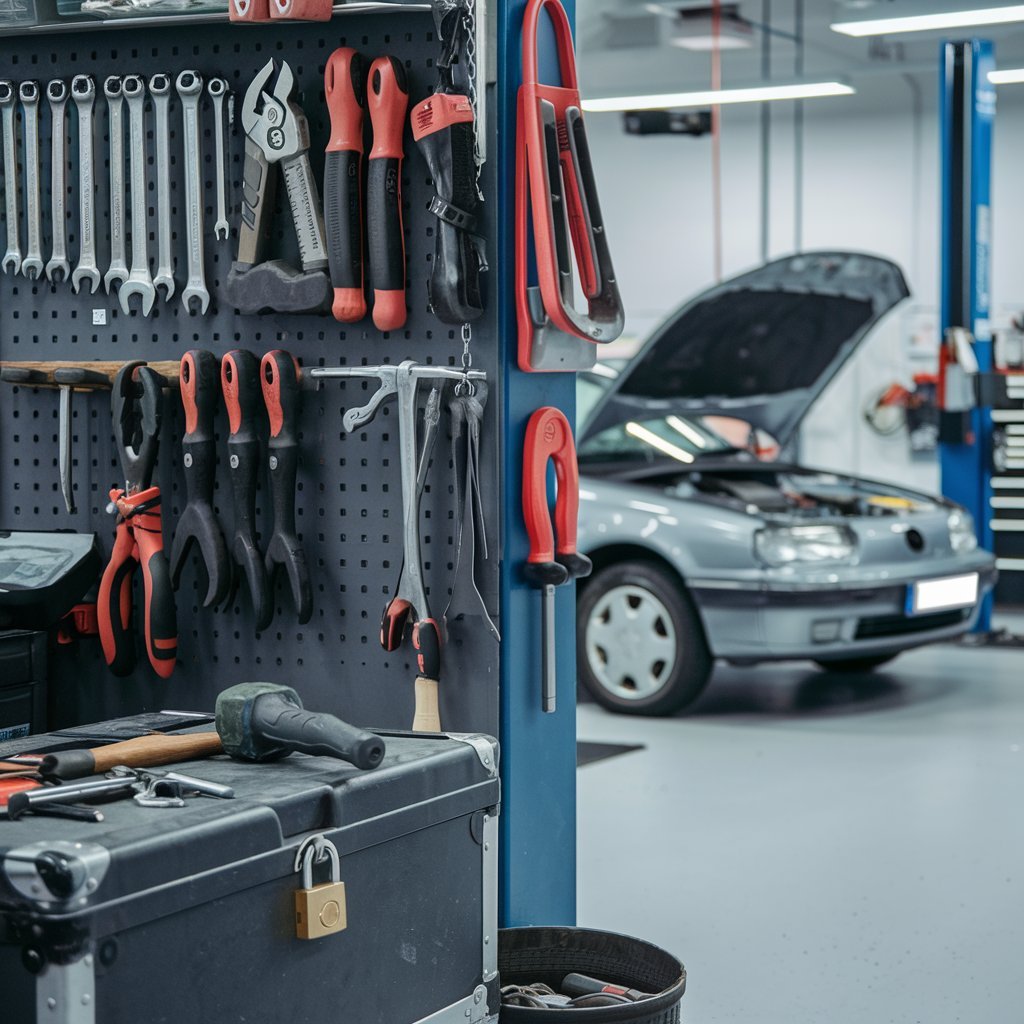
Safety: A Preventative Measure, Not an Afterthought
A cluttered workshop is not just inconvenient—it’s dangerous. Tools scattered on the floor, unsecured equipment, and poorly labeled hazardous materials can easily lead to accidents. By organizing your space, you reduce these risks. Keeping walkways clear, securely storing heavy machinery, and properly labeling hazardous substances all contribute to a safer environment.
⚠️ Key Actions:
- Label hazardous materials and store them securely.
- Keep walkways and work areas free of obstructions.
- Invest in proper storage for heavy and bulky items.
Productivity and Morale: The Ripple Effect
A disorganized workspace can breed frustration, while an organized space fosters pride and focus. When your team operates in a clean, well-structured environment, they naturally become more productive and efficient. The sense of pride that comes with an organized workspace often leads to better care for tools and equipment, which helps lower repair and replacement costs.
Client Perception: The First Impression Matters
Your workshop’s appearance plays a significant role in shaping customer perception. When a client steps into a clean, organized workshop, it communicates professionalism and attention to detail. This builds trust and confidence that their vehicle is in capable hands.
💡 Pro Tip: Maintain a waiting area with a clear view of the workshop, allowing clients to see your organized, professional environment in action.
Cost Savings: Organization Pays Off
Lost tools, misplaced parts, and untracked inventory can quickly drain your finances. How many times have you bought a tool only to find the same one hidden somewhere else weeks later? Replacing items unnecessarily and dealing with delays due to disorganization can add up over time. Organizing your workshop and implementing a system to track inventory can save you a significant amount in the long run.
💼 Smart Strategy: Use digital inventory tools to track parts and supplies. This ensures you’re never caught off guard by low stock levels or missing tools.
Practical Strategies for Organizing Your Workshop
- Categorize Tools and Parts: Group similar items together and store them in labeled compartments or drawers.
- Define Work Zones: Designate areas for diagnostics, repairs, and inspections to streamline processes.
- Clean as You Go: Encourage your team to tidy up after each task to keep the workspace neat and efficient.
- Review Regularly: Conduct periodic audits of your workshop layout and processes to identify areas for improvement.
Conclusion: Order is the Key to Excellence
Workshop organization isn’t just about keeping things tidy—it’s about creating a strong foundation for success. An organized workshop boosts efficiency, improves safety, enhances client trust, and drives long-term profitability. By taking the time to organize your space, you’re setting your business up for greater success.