
Connection or Conflict? The Surprising Impact of Digital Technology on Mental Health and How to Reclaim Your Digital Peace
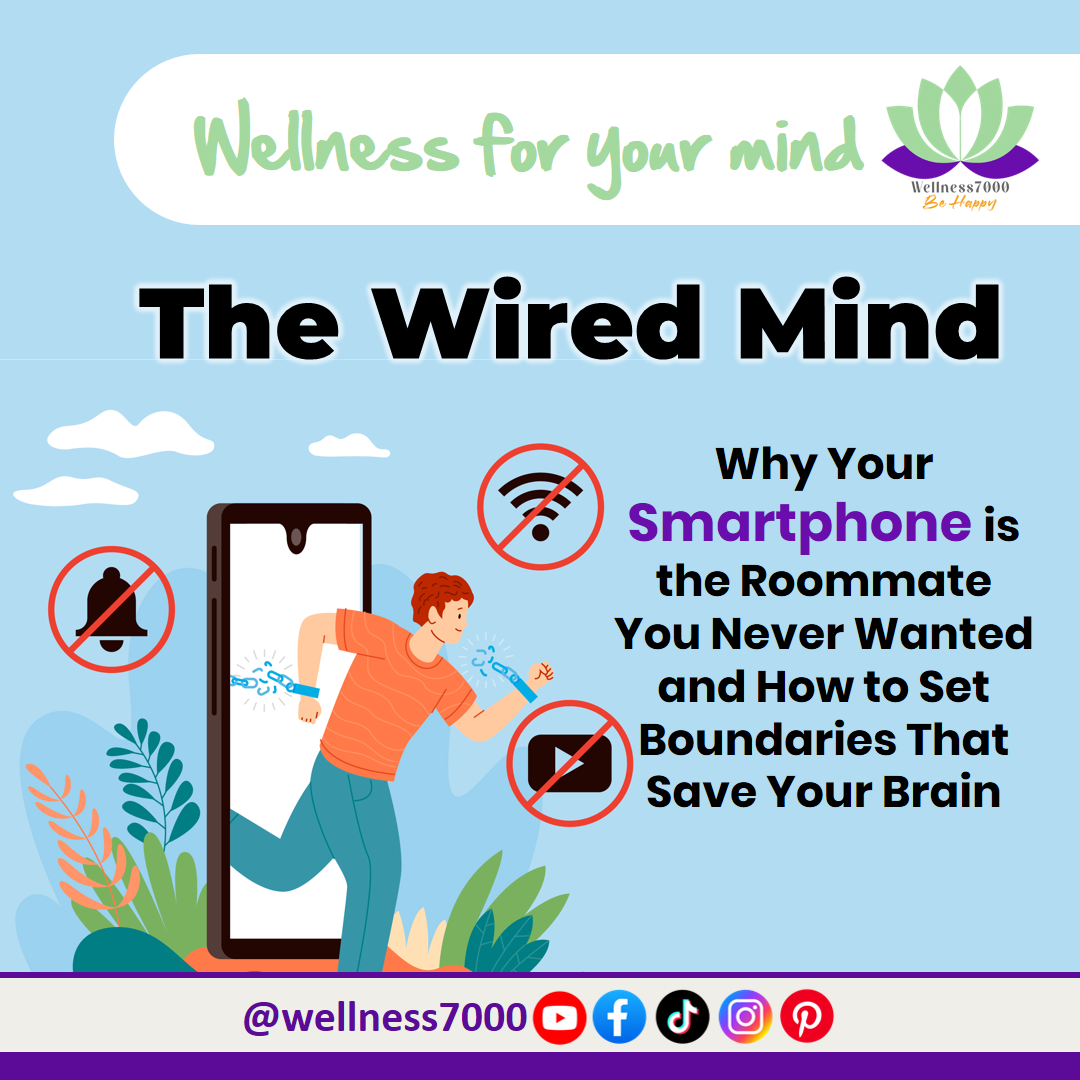
The Digital Ghost: Why Your Smartphone is the Roommate You Never Wanted and How to Set Boundaries That Save Your Brain
The Introduction: The "Always-On" Hook
Hello, vibrant souls! Take a quick look at your hand. Is there a phone in it? (Probably!). Now, take a breath. When was the last time you were truly offline?
In 2026, we are living through a massive psychological shift. We have more "friends" but more loneliness; more "information" but more anxiety. This is the Digital Paradox. We are more connected to the grid, but we are often drifting further away from ourselves.
Section 1: The Dopamine Loop
The Science of the Scroll
Every notification, like, and "ping" is a hit of dopamine for your brain. It’s the "Slot Machine Effect." Digital technologies are designed to keep you engaged, but this constant stimulation can lead to:
- Attention Fragmentation: Our ability to focus on deep tasks is shrinking.
- The Infinite Scroll Fatigue: Your brain never reaches a "finish line," leading to a state of low-level chronic stress.
Section 2: The Blue Light & The Sleep Saboteur
Protecting Your Circadian Rhythm
Our brains haven't evolved as fast as our screens. The blue light emitted by our devices mimics the sun, tricking our brain into thinking it's daytime even at 11:00 PM.
- Cortisol vs. Melatonin: Technology keeps your cortisol (stress hormone) high when it should be dropping to allow melatonin (sleep hormone) to take over.
- The Result: Poor sleep quality is the #1 driver of anxiety and depression. If you aren't sleeping, you aren't healing.
Section 3: The "Comparison Trap" 2.0
Living in the AI-Enhanced Filter
In 2026, the gap between reality and the digital "highlight reel" has never been wider. With AI-augmented filters and perfectly curated lifestyles, we are comparing our "raw footage" to everyone else’s "Oscar-winning production."
- Impact: This leads to feelings of inadequacy, FOMO (Fear Of Missing Out), and a distorted sense of body image and success.
Section 4: The Flip Side—Technology as a Tool
The Digital Healing Revolution
It’s not all bad news! When used intentionally, technology is a powerful ally for mental health:
- Telehealth & Apps: Mental health support is now accessible 24/7 regardless of your location.
- VR Therapy: Virtual Reality is being used to treat PTSD and phobias in ways we never thought possible.
- Global Community: Digital tech allows us to find "our people"—niche communities where we feel seen and understood.
Section 5: The 2026 Digital Hygiene Protocol
How to Reclaim Your Brain
- The "Phone-Free" First Hour: Do not let the world's opinions enter your brain before you’ve had your morning coffee.
- Gray-Scale Mode: Turn your phone to gray-scale in the evenings. It makes the "dopamine hits" less visually attractive and easier to put down.
- Digital Sabbaths: Pick one day a week (or even just 4 hours) to go completely off the grid. Remind your brain that the world doesn't stop when the screen does.
Conclusion: You Are the Pilot
My resilient friends, technology is a magnificent servant but a terrible master. Your mental health is the most valuable asset you own. Don't trade it for a few extra minutes of scrolling.
As we navigate 2026, let's use our devices to enhance our lives, not replace them. You are more than your data. You are more than your notifications.
What is your "Digital Boundary" for this Year? Do you have a "No Phones at Dinner" rule or a "Bedtime Tech-Tuck-In"? Let’s share our strategies in the comments! 👇
Comments ()