

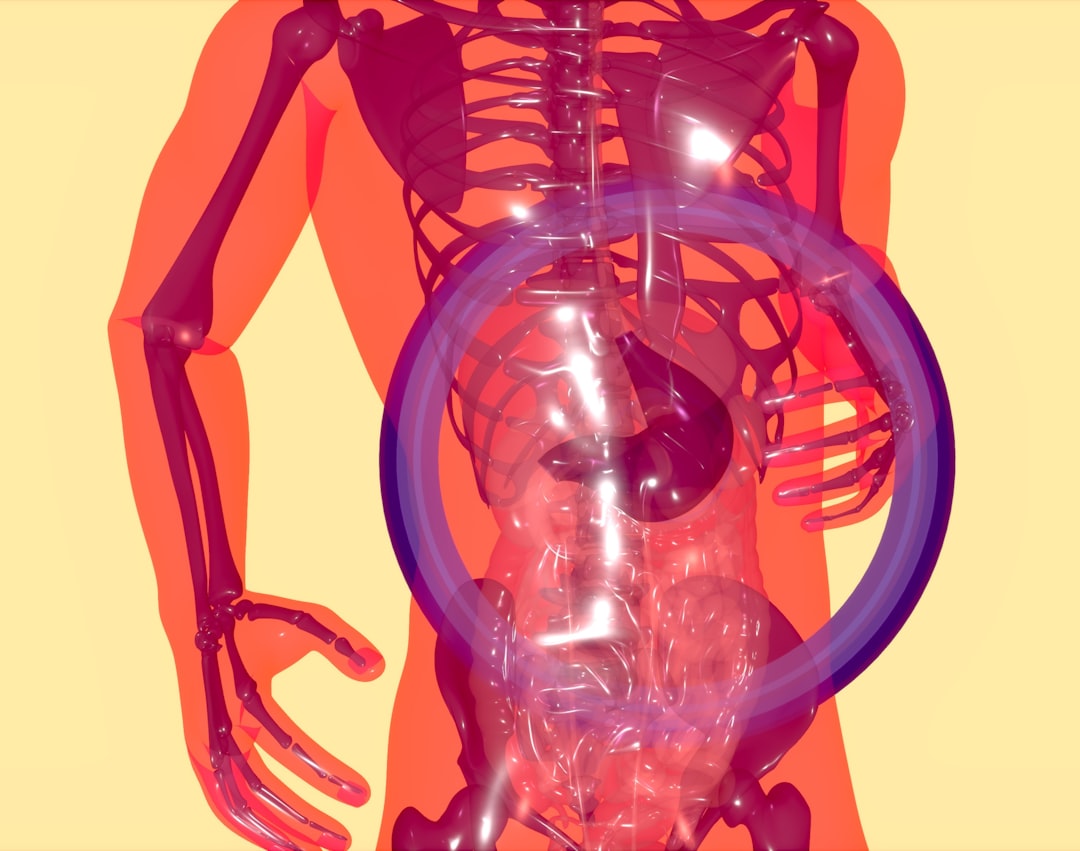
Bio-transduction is a fascinating process that plays a crucial role in how our bodies interact with energy and light. At its core, bio-transduction refers to the conversion of one form of energy into another within biological systems. This process is essential for various physiological functions, including cellular communication, metabolism, and even healing. Understanding bio-transduction can provide insights into how our bodies maintain health and respond to environmental changes.
In recent years, the concept of bio-transduction has gained attention in both scientific and wellness communities. As we delve deeper into this topic, we’ll explore how living light interacts with our biological systems, the significance of this interaction for our overall well-being, and practical ways to enhance bio-transduction in our daily lives.
Understanding the Biological Suit
The term "biological suit" refers to the intricate network of cells, tissues, and organs that make up our bodies. This suit is not just a passive structure; it actively engages with various forms of energy, including light. Each component of the biological suit has its own unique role in maintaining homeostasis and facilitating communication between different systems.
Cells within this biological suit are equipped with specialized receptors that can detect and respond to light. These receptors play a pivotal role in bio-transduction by converting light energy into biochemical signals. This conversion is essential for processes such as vision, circadian rhythms, and even mood regulation. By understanding how our biological suit interacts with light, we can better appreciate the complexity of our health and well-being.
The Role of Living Light in Bio-Transduction
Living light, often referred to as biophotons, is a form of light emitted by living organisms. This light is not just a byproduct; it plays an active role in bio-transduction. Biophotons are thought to facilitate communication between cells, helping them coordinate their activities and respond to environmental stimuli. This communication is vital for maintaining the integrity of biological systems.
The presence of living light in our bodies can influence various physiological processes. For instance, exposure to natural sunlight can enhance mood and energy levels, while also supporting the production of essential vitamins like vitamin D. Understanding the role of living light in bio-transduction allows us to appreciate how our environment impacts our health at a cellular level.
The Process of Bio-Transduction in the Body
Bio-transduction involves several steps that enable the conversion of light energy into biochemical signals. When light enters the body, it interacts with specific molecules within cells, such as chromophores. These molecules absorb the light energy and undergo a change in their electronic state, leading to a cascade of biochemical reactions.
Once the initial absorption occurs, the energy is transferred through various pathways within the cell. This transfer can trigger a range of responses, from activating genes to influencing metabolic processes. The entire process is highly coordinated and reflects the intricate design of our biological systems. By understanding how bio-transduction works, we can gain insights into how to optimize these processes for better health.
The Importance of Bio-Transduction for Health and Well-being
Topic Metrics Bio-Transduction Cellular signaling, molecular interactions, energy transfer Biological Suit Physical body, sensory organs, nervous system Living Light Photons, electromagnetic radiation, energy absorption
Bio-transduction is fundamental to maintaining health and well-being. It underpins many essential functions in the body, including energy production, immune response, and cellular repair. When bio-transduction operates efficiently, it supports optimal functioning across various systems, contributing to overall vitality.
Conversely, disruptions in bio-transduction can lead to health issues. For example, inadequate exposure to natural light can affect mood and sleep patterns, while impaired cellular communication may contribute to chronic diseases. Recognizing the importance of bio-transduction encourages us to take proactive steps in our lives to support this vital process.
How Different Organs and Systems in the Body Receive Living Light
Different organs and systems in the body have unique ways of receiving and utilizing living light. For instance, the eyes are equipped with photoreceptors that convert light into electrical signals sent to the brain, influencing vision and circadian rhythms. Similarly, skin cells can absorb sunlight, which plays a crucial role in vitamin D synthesis.
Other organs also participate in this process but may do so through different mechanisms. For example, the liver and kidneys are involved in detoxification processes that can be influenced by light exposure. Understanding how various organs receive living light helps us appreciate the interconnectedness of our biological systems and their reliance on external energy sources.
The Connection Between Bio-Transduction and Energy Flow
Energy flow is a central theme in bio-transduction. The process involves not only the conversion of light energy but also the movement of energy within biological systems. This flow is essential for maintaining cellular function and overall health. When energy flows freely through the body, it supports optimal communication between cells and systems.
Disruptions in energy flow can lead to imbalances that affect health. Factors such as stress, poor diet, and lack of physical activity can hinder this flow, resulting in decreased vitality and increased susceptibility to illness. By fostering an environment that promotes healthy energy flow—through practices like mindfulness, proper nutrition, and regular exercise—we can enhance bio-transduction and support our overall well-being.
How Bio-Transduction Affects Cellular Function and Communication
Bio-transduction plays a critical role in cellular function and communication. When cells receive light energy through bio-transduction, they can initiate various biochemical pathways that regulate their activities. This process is essential for maintaining homeostasis and responding to changes in the environment.
Cellular communication is facilitated by signaling molecules that are influenced by bio-transduction. For example, when one cell absorbs light energy, it may release signaling molecules that communicate with neighboring cells, coordinating their responses. This intricate web of communication ensures that all cells work together harmoniously, contributing to the overall health of the organism.
The Role of Bio-Transduction in Healing and Regeneration
Bio-transduction is particularly important in healing and regeneration processes. When tissues are damaged or injured, bio-transduction helps facilitate repair by promoting cellular communication and energy flow. The absorption of light energy can stimulate cellular activities that are crucial for healing, such as inflammation reduction and tissue regeneration.
Research has shown that certain wavelengths of light can enhance healing processes by promoting collagen production and reducing pain. This has led to the development of therapies that utilize specific light frequencies to support recovery from injuries or surgeries. Understanding the role of bio-transduction in healing opens up new avenues for therapeutic interventions that harness the body’s natural ability to heal itself.
Enhancing Bio-Transduction Through Lifestyle and Environmental Factors
There are several practical ways to enhance bio-transduction through lifestyle choices and environmental factors. One of the most effective methods is ensuring adequate exposure to natural sunlight. Spending time outdoors not only provides essential vitamin D but also supports cellular communication through living light.
In addition to sunlight exposure, maintaining a balanced diet rich in antioxidants can support bio-transduction by protecting cells from oxidative stress. Foods like fruits, vegetables, nuts, and seeds provide essential nutrients that promote cellular health. Regular physical activity also plays a role by improving circulation and energy flow throughout the body.
Creating an environment that fosters bio-transduction is equally important. Reducing exposure to artificial lighting at night can help regulate circadian rhythms, while incorporating natural elements into your living space can enhance your connection with nature. Simple changes like these can significantly impact your overall health by optimizing bio-transduction processes.
Harnessing the Power of Bio-Transduction for Optimal Health
In conclusion, bio-transduction is a vital process that underpins many aspects of our health and well-being. By understanding how living light interacts with our biological systems, we can take proactive steps to enhance this process through lifestyle choices and environmental factors. From ensuring adequate sunlight exposure to maintaining a balanced diet and fostering healthy energy flow, there are numerous ways to support bio-transduction.
As we continue to explore this fascinating field, it becomes clear that harnessing the power of bio-transduction can lead to improved health outcomes and a greater sense of vitality. By prioritizing practices that support this essential process, we can cultivate a deeper connection with our bodies and promote optimal health for ourselves and future generations.
FAQ
What is bio-transduction?
Bio-transduction is the process by which living organisms, such as the human body, receive and interpret signals from their environment, including light and other forms of energy.
How does the biological suit receive living light?
The biological suit, or the human body, receives living light through a process called bio-photonic transduction, where light energy is converted into biological signals that can influence various physiological processes.
What are some examples of bio-transduction in the human body?
Examples of bio-transduction in the human body include the conversion of light into electrical signals by the retina in the eye, the absorption of sunlight to produce vitamin D in the skin, and the regulation of circadian rhythms by light-sensitive cells in the brain.
How does bio-transduction impact human health?
Bio-transduction plays a crucial role in human health, as it influences various biological processes such as metabolism, hormone regulation, immune function, and mental well-being. Disruptions in bio-transduction can lead to health issues such as sleep disorders, mood disorders, and vitamin deficiencies.
Can bio-transduction be influenced by external factors?
Yes, bio-transduction can be influenced by external factors such as the intensity and wavelength of light, environmental pollutants, and lifestyle choices. Maintaining a healthy balance of light exposure and minimizing exposure to harmful environmental factors can support optimal bio-transduction and overall well-being.