

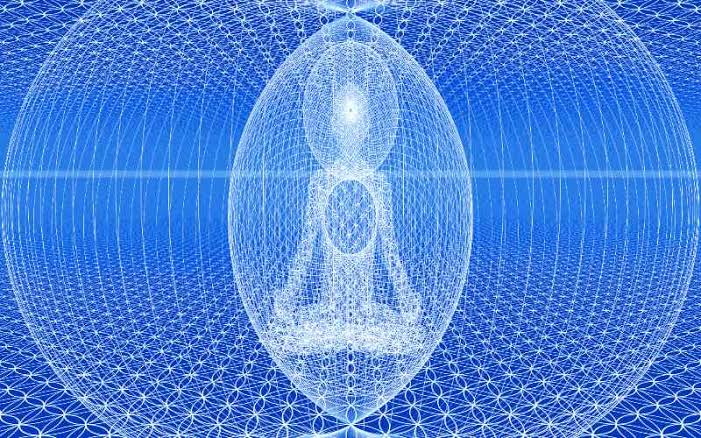
Zero-point awareness is a concept that invites us to explore a state of consciousness where we can experience life without the filters of our thoughts and emotions. It’s a space of pure awareness, free from the clutter of daily distractions and the incessant chatter of the mind. In this state, we can observe our thoughts and feelings without becoming entangled in them. This awareness allows us to step back and see life as it is, rather than how we perceive it through our biases and judgments.
To grasp zero-point awareness, it helps to think of it as a reset button for the mind. Imagine a calm lake, undisturbed by wind or rain; this is akin to the clarity we can achieve when we tap into this awareness. It’s not about suppressing thoughts or emotions but rather recognizing them as transient experiences that come and go. By cultivating this perspective, we can begin to navigate life with greater ease and understanding, allowing us to respond rather than react.
Recognizing the Observer Mind
The observer mind is a crucial aspect of zero-point awareness. It’s that part of us that can step back and watch our thoughts and feelings without judgment. Recognizing this observer is essential for developing a deeper understanding of ourselves. When we identify with our thoughts, we often find ourselves caught in a cycle of stress and anxiety. However, when we shift our focus to the observer, we create space between ourselves and our mental narratives.
This shift can be subtle but transformative. Instead of saying, “I am anxious,” we can observe, “I notice that I am feeling anxious.” This small change in language reflects a significant shift in perspective. By recognizing the observer mind, we empower ourselves to detach from our emotional states and gain clarity about what we are experiencing. This practice not only enhances self-awareness but also fosters a sense of inner peace.
Letting Go of Egoic Identification
Egoic identification is the tendency to define ourselves through our thoughts, experiences, and social roles. This identification can lead to a narrow view of who we are, often resulting in feelings of inadequacy or superiority based on external circumstances. Letting go of this egoic identification is a vital step toward achieving zero-point awareness. It requires us to question the narratives we’ve built around ourselves and recognize that they are not the entirety of our being.
When we begin to detach from our ego, we open ourselves up to a more expansive sense of self. We start to see that our worth isn’t tied to our achievements or failures but is inherent in simply being. This realization can be liberating; it allows us to engage with life more authentically and compassionately. As we let go of egoic identification, we create space for deeper connections with others and a more profound understanding of our place in the world.
Embracing the Present Moment
Embracing the present moment is at the heart of many spiritual practices and philosophies. It’s about fully engaging with what is happening right now, rather than getting lost in regrets about the past or anxieties about the future. When we learn to embrace the present moment, we cultivate a sense of peace and contentment that often eludes us in our busy lives.
Practicing presence can be as simple as focusing on your breath or tuning into your surroundings. Notice the sounds, smells, and sensations around you. This practice helps anchor you in the here and now, allowing you to experience life more vividly. The more you embrace the present moment, the more you’ll find that life unfolds beautifully without the need for constant striving or worrying.
Cultivating Mindfulness and Presence
Metric Description Measurement Method Typical Range Significance Observer Detachment Level Degree to which the individual separates from the observing mind Self-report scales, mindfulness questionnaires Low to High (1-10 scale) Indicates progress in moving beyond the observer state Pure Being Awareness Extent of experiencing pure presence without mental commentary Phenomenological interviews, meditation depth assessments Minimal to Profound Reflects depth of transition into pure being Mindfulness Stability Ability to maintain awareness without distraction Attention task performance, EEG alpha wave measurement 30 seconds to several minutes Measures sustained presence and focus Emotional Reactivity Level of emotional response to stimuli during awareness practice Physiological measures (heart rate variability), self-report Low to Moderate Lower reactivity suggests deeper immersion in pure being Sense of Self Dissolution Degree to which ego boundaries dissolve during practice Qualitative reports, neuroimaging studies None to Complete Key indicator of transition from observer to pure being
Mindfulness is a powerful tool for cultivating presence in our lives. It involves paying attention to our thoughts, feelings, and sensations without judgment. By practicing mindfulness regularly, we train our minds to stay focused on the present moment rather than getting swept away by distractions or worries.
There are many ways to cultivate mindfulness, from meditation to mindful walking or even eating. The key is to bring your full attention to whatever you’re doing at that moment. For instance, during a meal, savor each bite and notice the flavors and textures instead of rushing through it while thinking about your next task. This practice not only enhances your experience but also fosters a deeper connection with yourself and your surroundings.
Releasing Attachment to Thoughts and Emotions
Releasing attachment to thoughts and emotions is essential for achieving zero-point awareness. Our thoughts and feelings can often feel like an integral part of who we are, but they are merely passing phenomena. By learning to observe them without attachment, we can free ourselves from their grip.
One effective way to practice this release is through mindfulness meditation. As you sit quietly, allow thoughts and emotions to arise without trying to change or suppress them. Acknowledge their presence and then let them drift away like clouds in the sky. Over time, this practice helps you realize that you are not your thoughts; you are the awareness that observes them.
Connecting with Pure Being
Connecting with pure being involves tapping into a deeper sense of self that transcends thoughts and emotions. It’s about recognizing that beneath all the noise of daily life lies a stillness that is always present. This connection can be profound and transformative, offering insights into who you truly are beyond societal labels and expectations.
To connect with pure being, spend time in silence or nature. Allow yourself to simply be without any agenda or distractions. In these moments, you may find a sense of peace and clarity that feels deeply nourishing. This connection serves as a reminder that your essence is not defined by external circumstances but is rooted in something much more profound.
Surrendering to the Flow of Life
Surrendering to the flow of life means letting go of the need to control every aspect of your existence. It’s about trusting that life has its own rhythm and that sometimes, the best course of action is to go with the flow rather than resist it. This surrender doesn’t imply passivity; rather, it encourages an active engagement with life as it unfolds.
When you surrender to the flow, you may find that opportunities arise more naturally, and challenges become easier to navigate. This doesn’t mean ignoring your responsibilities or desires; instead, it’s about finding balance between effort and acceptance. By embracing this flow, you cultivate resilience and adaptability, allowing you to respond more effectively to whatever life presents.
Transcending Dualistic Thinking
Transcending dualistic thinking involves moving beyond the binary mindset that categorizes experiences as good or bad, right or wrong. This way of thinking can limit our understanding and create unnecessary conflict within ourselves and with others. By recognizing that life is often more nuanced than these categories suggest, we can cultivate a more compassionate perspective.
To transcend dualistic thinking, practice viewing situations from multiple angles. Instead of immediately labeling an experience as negative, consider what lessons it might offer or how it contributes to your growth. This shift in perspective allows for greater empathy toward yourself and others, fostering deeper connections and understanding.
Embodying Non-Attachment
Embodying non-attachment means engaging with life fully while remaining open to change and impermanence. It’s about enjoying experiences without clinging to them or fearing their loss. Non-attachment doesn’t mean indifference; rather, it encourages a healthy relationship with both joy and sorrow.
To embody non-attachment, start by recognizing areas in your life where you may be holding on too tightly—whether it’s relationships, possessions, or outcomes. Practice letting go gradually by allowing things to unfold naturally without forcing them into specific molds. This practice cultivates freedom and joy in your life as you learn to appreciate each moment for what it is.
Living from a Place of Love and Compassion
Living from a place of love and compassion is perhaps one of the most fulfilling ways to engage with life. When we approach ourselves and others with kindness and understanding, we create an environment where healing and growth can flourish. This way of being encourages us to see beyond our differences and recognize our shared humanity.
To cultivate love and compassion in your daily life, start with small acts—whether it’s offering a kind word to someone or practicing self-compassion during challenging times. These actions create ripples that extend beyond ourselves, fostering connection and understanding in our communities. Ultimately, living from love allows us to navigate life’s complexities with grace and empathy, enriching both our own lives and those around us.
In conclusion, exploring concepts like zero-point awareness, observer mind, and non-attachment can profoundly impact how we experience life. By embracing these principles, we can cultivate a deeper sense of presence, compassion, and connection with ourselves and others—ultimately leading us toward a more fulfilling existence.
FAQ
What is zero-point awareness?
Zero-point awareness is a state of consciousness where one transcends the mind and ego, and experiences pure being or presence. It is a state of complete stillness and awareness beyond thoughts and emotions.
How can one transition from being an observer to pure being?
Transitioning from being an observer to pure being involves practices such as meditation, mindfulness, self-inquiry, and letting go of identification with thoughts and emotions. It requires cultivating a deep sense of presence and awareness in the present moment.
What are the benefits of zero-point awareness?
The benefits of zero-point awareness include inner peace, clarity of mind, emotional balance, increased intuition, heightened creativity, and a deeper connection to oneself and others. It can also lead to a greater sense of purpose and fulfillment in life.
Is zero-point awareness a spiritual concept?
Yes, zero-point awareness is often associated with spiritual traditions and practices such as Buddhism, Hinduism, and Taoism. It is considered a state of higher consciousness or enlightenment that transcends the limitations of the ego and the mind.
How can one cultivate zero-point awareness in daily life?
One can cultivate zero-point awareness in daily life by practicing mindfulness, meditation, self-reflection, and being present in the moment. It also involves letting go of attachment to thoughts and emotions, and cultivating a sense of inner stillness and presence throughout the day.