
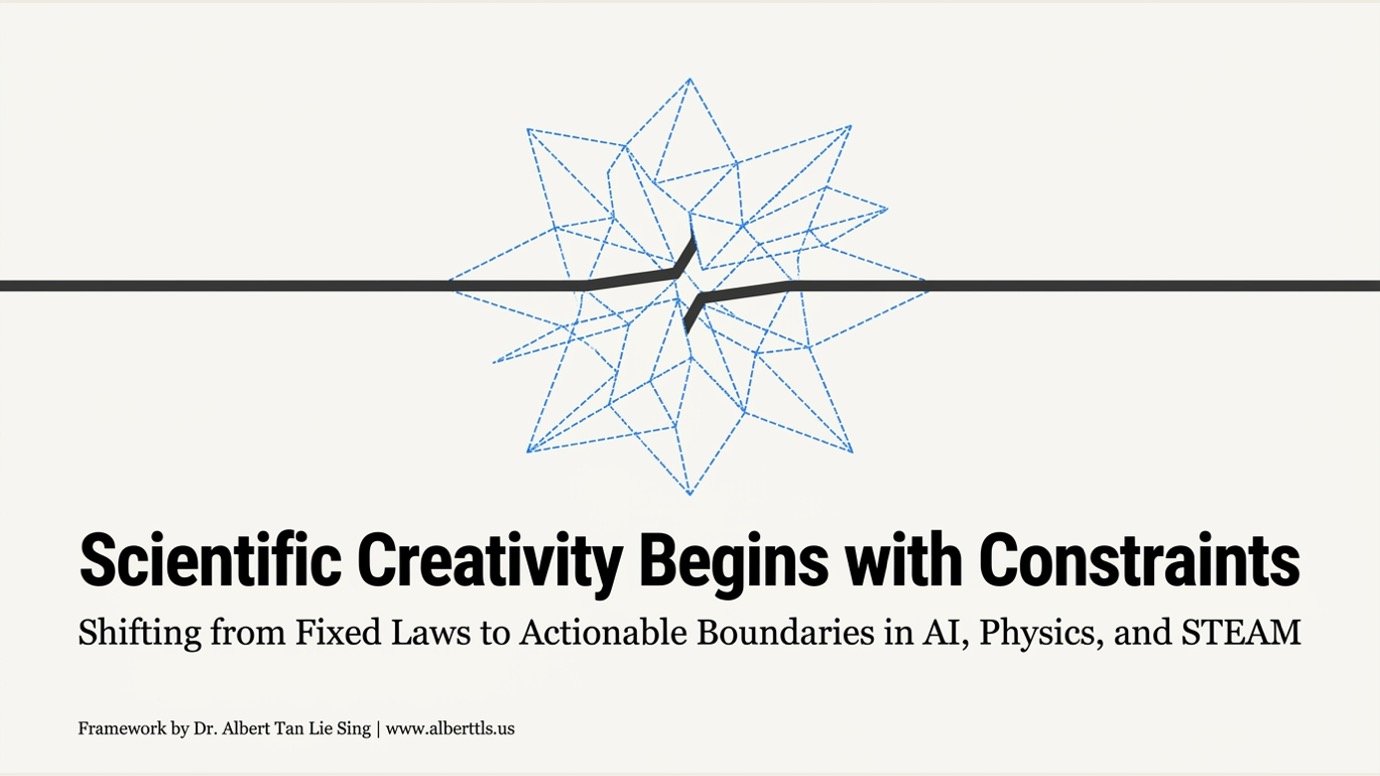
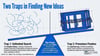
Scientific Creativity Begins with Constraints: Shifting from Fixed Laws to Actionable Boundaries in AI, Physics, and STEAM
Can limitations make us more creative?
Scientific discovery does not happen in a world without boundaries. Every new idea must contend with physical laws, available knowledge, limited resources, and assumptions that can either guide or obstruct progress.
Scientific Creativity Begins with Constraints is a 17-page illustrated, research-informed guide exploring how carefully chosen constraints can encourage new ideas, challenge familiar solutions, and help develop testable alternatives.
Drawing on Concept–Knowledge (C–K) theory, creativity research, physics-informed artificial intelligence, and STEAM education, this publication explores how scientific thinking connects imagination with evidence.
What you will discover:
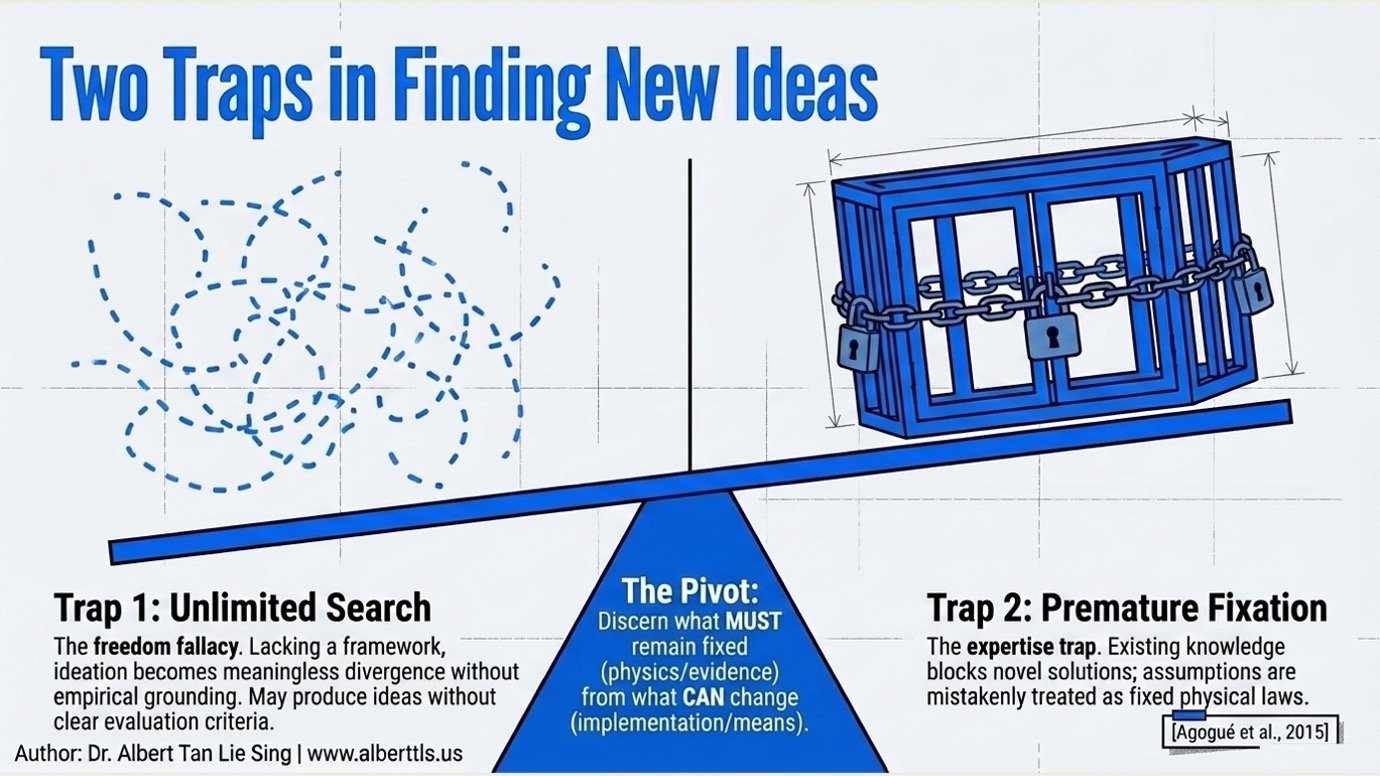
- Why unlimited freedom and premature fixation can both restrict creative thinking.
- How existing knowledge contributes to the development of unfamiliar concepts.
- Why originality, feasibility, and empirical validation require different kinds of evidence.
- How to distinguish genuine physical limits from negotiable requirements and inherited assumptions.
- How to apply the four-stage inquiry roadmap: Audit → Bind → Expand → Validate.
- How a simple paper-bridge experiment can demonstrate design exploration and scientific testing.
Designed for curious readers, educators, learners, and innovation enthusiasts, this publication offers an accessible introduction to disciplined scientific creativity.
The central question: Which constraints must we respect, and which can we challenge?
Publication details: First Edition, Version 1.0 (2026). Illustrated landscape PDF, 17 pages. This is an image-based educational publication, not a comprehensive scientific textbook or reflowable e-book.
Author: Dr. Albert Tan Lie Sing — Independent Researcher.