
Understanding the Classification of Mica as a Natural Ingredient in Cosmetics
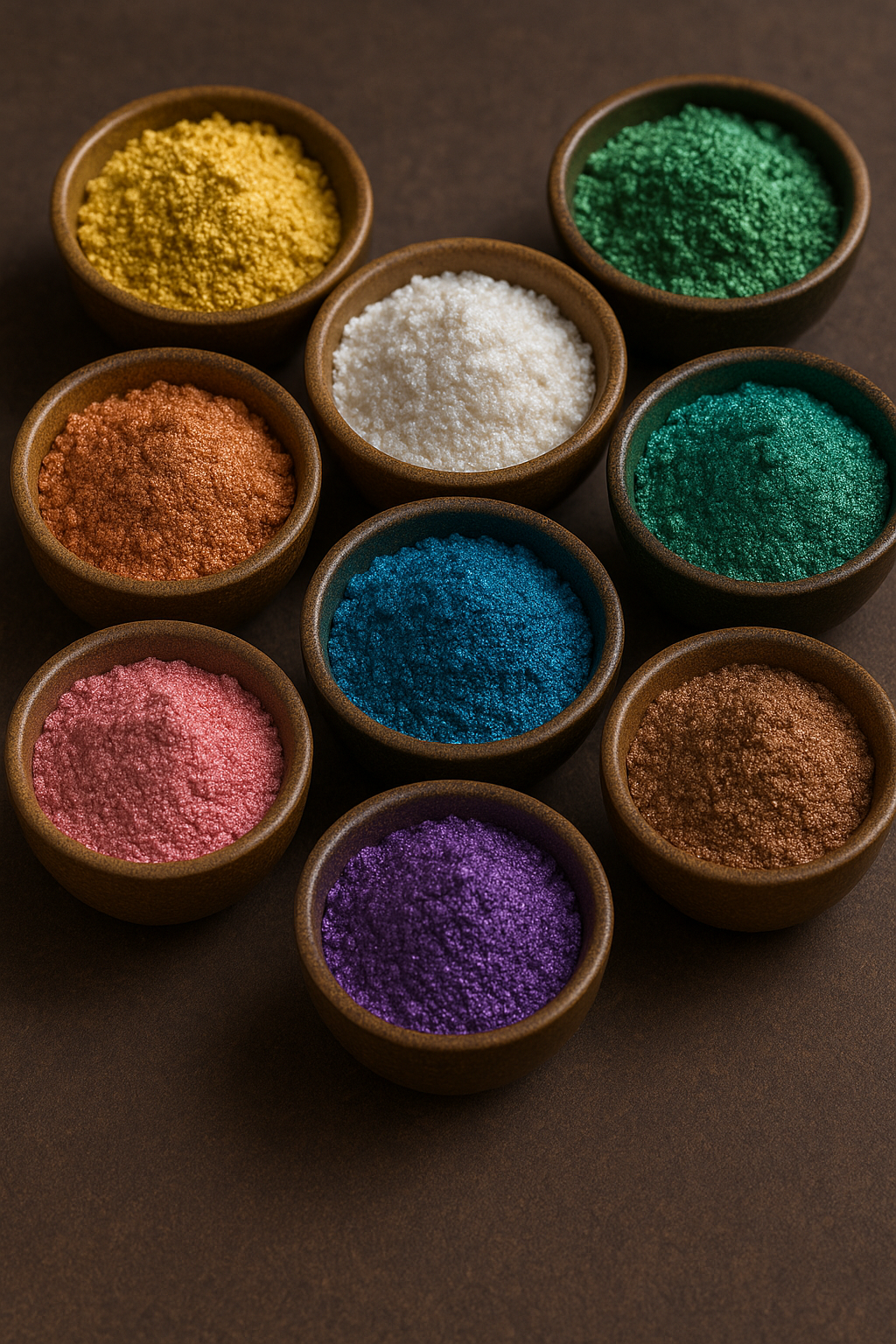
I’ve decided to change today’s content focus after noticing an increasing number of posts circulating misinformation about the natural origin of micas in cosmetics. Many discussions online reflect confusion or a lack of understanding of how mica is classified within the cosmetic industry. As a certified cosmetic chemist, and based on the education I received while completing my Certificate in Advanced Colour Cosmetics, I want to provide accurate information to clarify this topic.
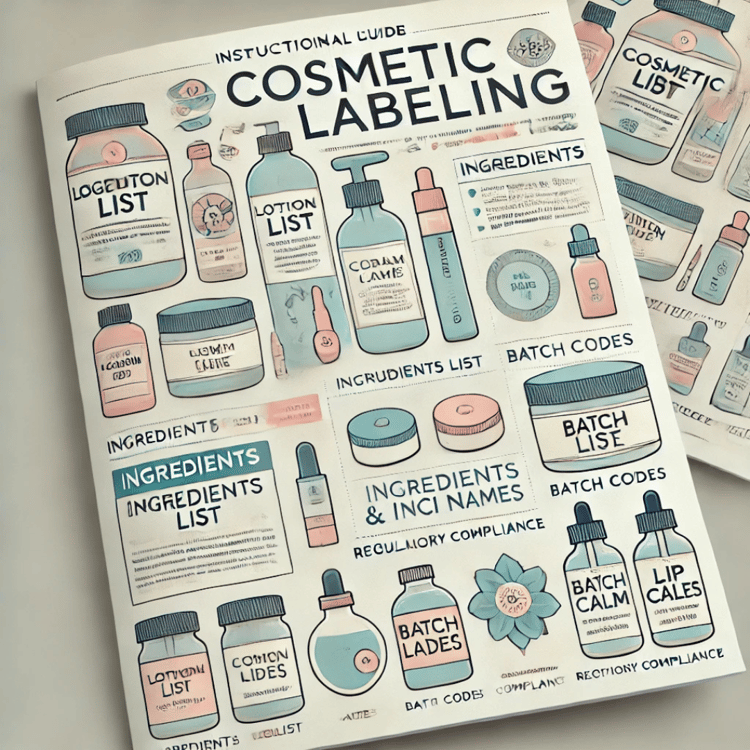
Micas can indeed be of natural or synthetic origin, despite the growing misconception that no mica is natural. The ISO 16128-1:2016 and ISO 16128-2:2017 standards provide the globally recognised criteria for defining and calculating the natural origin of cosmetic ingredients. Understanding how to identify natural micas requires knowledge of these classifications and the ability to interpret ingredient declarations correctly. There are key indicators within the INCI listing and sourcing information that can help determine whether a mica is of natural origin.
Another common reason people avoid mica is concern over unethical mining practices. While this issue has been well-documented, it is important to note that many reputable suppliers now offer ethically sourced mica, ensuring transparency and traceability throughout their supply chains.
This document has been written to help you distinguish between synthetic and natural micas, understand the regulatory indicators that identify natural origin, and know the types of marketing claims that can be truthfully made when using each form.