
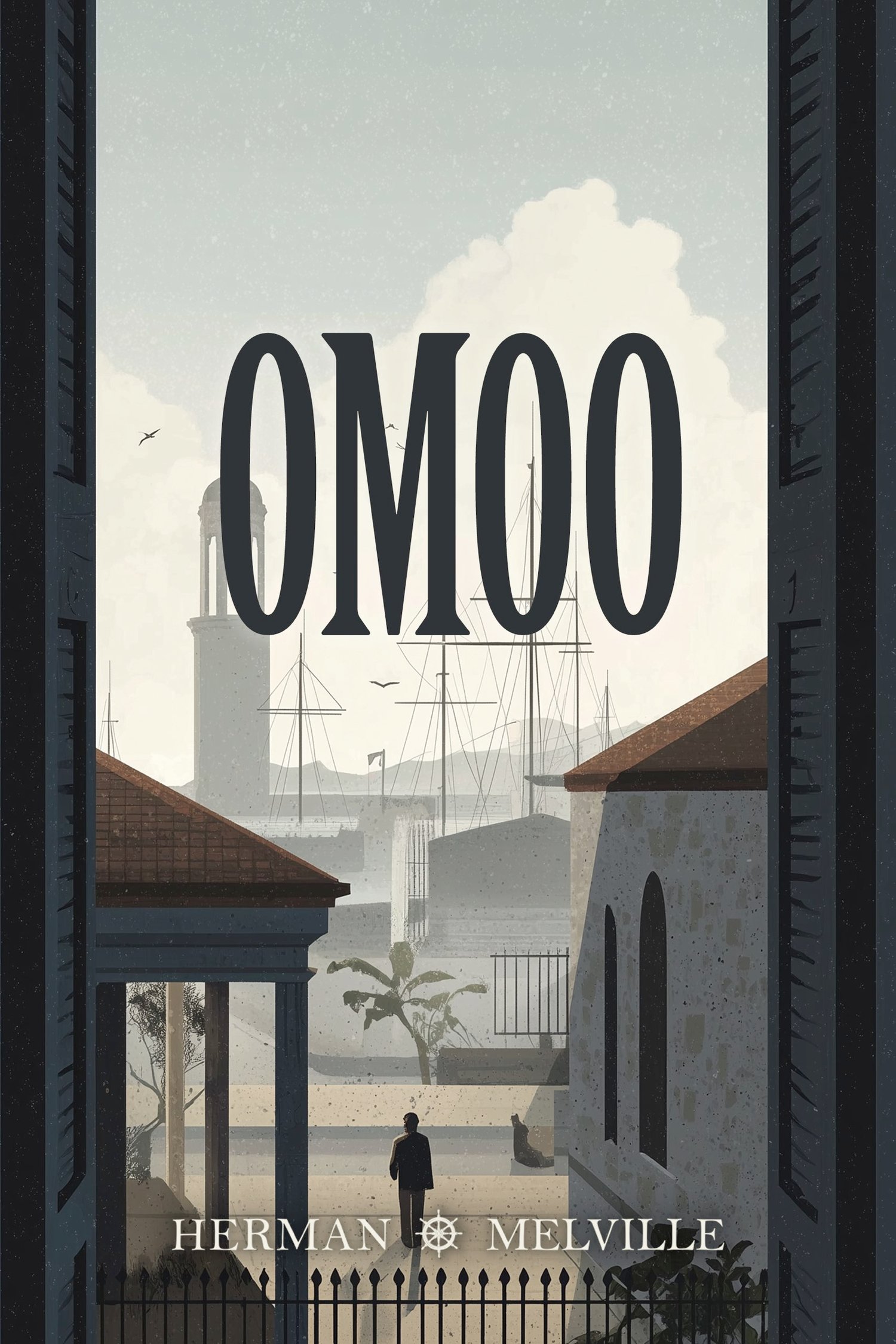
Omoo
Omoo picks up where Typee left off, plunging readers once more into Herman Melville’s restless world of adventure, rebellion, and discovery. After escaping captivity among the Typee, the narrator joins a whaling ship bound for the South Seas, only to find life aboard far from the freedom he craves. Mutiny brews, loyalties fracture, and the voyage descends into chaos, landing him among the lush islands of Tahiti, where colonial rule and native life collide in a swirl of color, temptation, and disillusionment.
Drawing from Melville’s own seafaring experiences, Omoo brims with vivid detail and biting wit. The novel captures the rhythms of shipboard life, the camaraderie and cruelty of sailors, and the complex cultural exchanges that unfold onshore. Melville’s eye for absurdity and injustice transforms a travel adventure into something deeper, a portrait of a world caught between innocence and empire, liberty and authority, tradition and change.
When first published in 1847, Omoo solidified Melville’s reputation as one of America’s most daring literary voices. At once humorous, subversive, and richly human, it’s a story of wanderlust and awakening, a voyage that begins in search of freedom and ends in the uneasy recognition that every paradise, no matter how distant, carries the shadows of the world left behind.
About the author
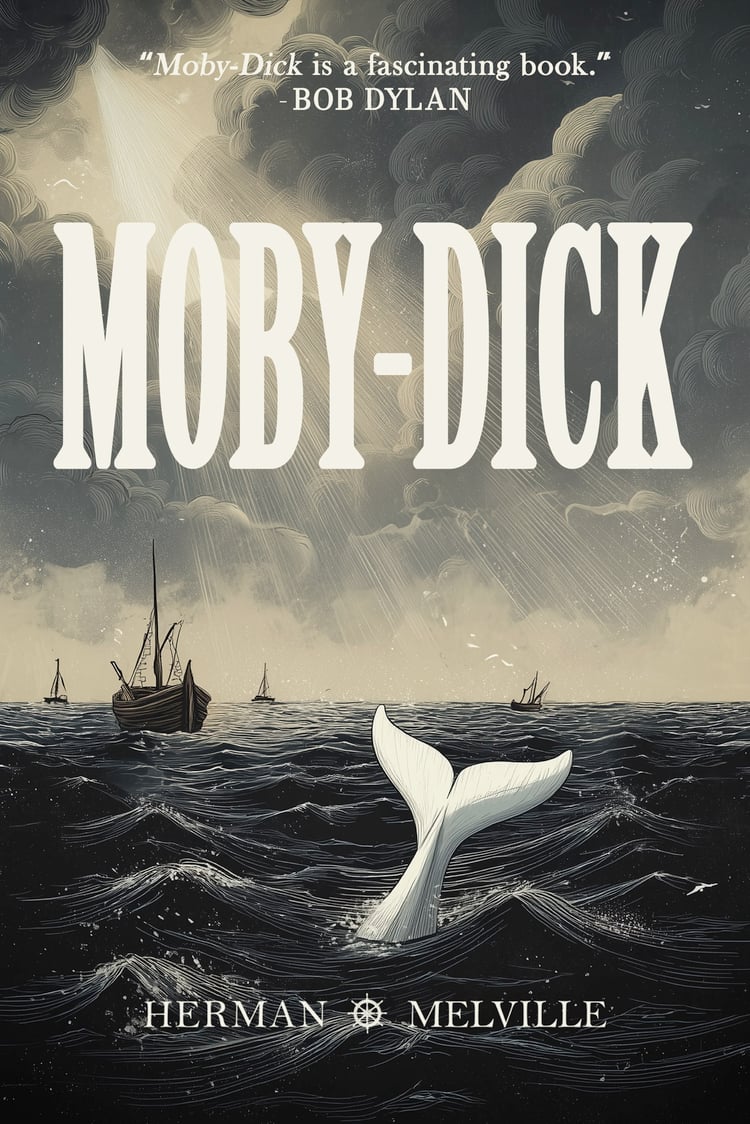
Herman Melville (1819–1891) was one of America’s most iconic novelists and thinkers, celebrated for his profound explorations of humanity’s relationship with nature and the mysteries of existence. Best known for his magnum opus, Moby-Dick, and his evocative tales such as Bartleby, the Scrivener and Billy Budd, Melville’s works captivate readers with their intricate symbolism, philosophical depth, and vivid depictions of life at sea. His literary legacy endures as a cornerstone of American literature, offering timeless reflections on the human spirit and its place in an ever-changing world.