
How to Develop a Lightweight, Water-Based Foundation Primer
Creating a lightweight, water-based foundation primer requires a thoughtful approach that balances aesthetics, functionality, and skin compatibility. These primers are designed to create a smooth canvas for makeup, minimise the appearance of pores, reduce shine, and improve the longevity of foundation without the use of heavy silicones or oils. Below is an educational overview to guide you through the development process, covering key formulation strategies, ingredient selection, and functional benefits.
1. Understanding the Purpose of a Water-Based Primer
Water-based primers are ideal for oily, combination, or sensitive skin types due to their lightweight, non-comedogenic nature. They offer hydration, soft focus effects, and skin-smoothing benefits without the greasy or slippery feel of silicone-based formulas. A well-formulated water-based primer:
- Reduces the appearance of pores and fine lines
- Controls oil and shine throughout the day
- Extends makeup wear time
- Enhances skin hydration and comfort
- Layers well with both water- and silicone-based foundations
2. Key Components of a Water-Based Primer
To build an effective water-based primer, the following categories of ingredients are essential:
A. Aqueous Base (Water Phase)
The base of your primer will usually consist of deionised water or a blend of hydrosols such as rose water, cucumber water, or chamomile hydrosol. This phase provides hydration and carries other water-soluble ingredients.
B. Film Formers and Skin-Smoothing Agents
Film-formers help provide a soft, even finish and increase makeup longevity. Examples include:
- VP/VA Copolymer – Provides a gentle hold with a subtle skin-tightening effect. It leaves a slightly tacky finish, ideal for enhancing the longevity of foundation and other makeup products.
- Acrylates Copolymer – Reduces shine and smooths skin texture
- Polyvinyl Alcohol – Creates a thin film that blurs imperfections
C. Humectants
Humectants attract water into the skin, giving a plump, hydrated appearance:
- Glycerine – effective and budget-friendly
- Sodium PCA – a skin-identical humectant
- Pentylene Glycol or Propylene Glycol – dual-function humectants and solvents
D. Mattifiers and Oil Control Agents
To reduce oil breakthrough and shine:
- Silica (microspheres) – controls oil and provides a soft focus effect
- Magnesium Aluminium Silicate – helps thicken and mattify
- Corn starch or Rice starch – offers a natural alternative to synthetic mattifiers
E. Lightweight Emollients
Although the formula is water-based, a small percentage of water-dispersible emollients may be included for smooth application:
- Caprylyl Glycol – emollient with preservative-boosting properties
- Coco-Caprylate – lightweight, natural-feel emollient
- Polyglyceryl-10 Laurate – a natural solubiliser with emollient benefits
F. Stabilisers and Thickeners
These are crucial for achieving the correct viscosity and ensuring stability:
- Xanthan Gum – natural thickener compatible with most ingredients
- Carbomer – creates a gel-like texture when neutralised
- Hydroxyethylcellulose – provides a silky texture
G. Preservatives
Water-based products are prone to microbial growth, so preservation is essential:
- Phenoxyethanol and Ethylhexylglycerin – broad-spectrum protection
- Geogard ECT or Preservative Eco – more natural options
H. Optional Actives and Botanicals
To provide additional benefits such as pore tightening, anti-redness, or hydration:
- Niacinamide – helps refine pores and regulate oil
- Witch Hazel Extract – provides mild astringent properties
- Green Tea Extract – antioxidant and calming properties
3. Formulation Tips
- Start with a clear goal – decide what skin type and makeup outcome the primer is targeting (e.g. oil control, hydration, glow).
- Keep it lightweight – avoid heavy oils or silicones. Use polymers and humectants to deliver skin feel.
- Test texture and spreadability – a lightweight primer should spread easily, absorb well, and leave no sticky residue.
- Adjust viscosity carefully – aim for a serum or lotion consistency. Too thin, and it may drip; too thick, and it may pill under foundation.
- Balance pH – ensure your pH sits within a skin-compatible range, ideally between 5.0 and 6.0.
- Ensure compatibility with makeup – test the primer under various foundations to ensure it does not cause pilling, separation, or patchiness.
4. Testing and Evaluation
Once formulated, test for the following:
- Texture and skin feel
- Spreadability and dry down
- Compatibility with various makeup products
- Stability over time and under different temperatures
- Microbial preservation efficacy
Water-based primers offer a clean, skin-friendly alternative to heavier formulations. They are versatile and suitable for many skin types, especially in warmer climates or for those seeking minimalistic beauty routines. With the right combination of film-formers, humectants, mattifiers, and skin-beneficial actives, you can create a professional-grade primer that performs as well as, or even better than silicone-based alternatives.
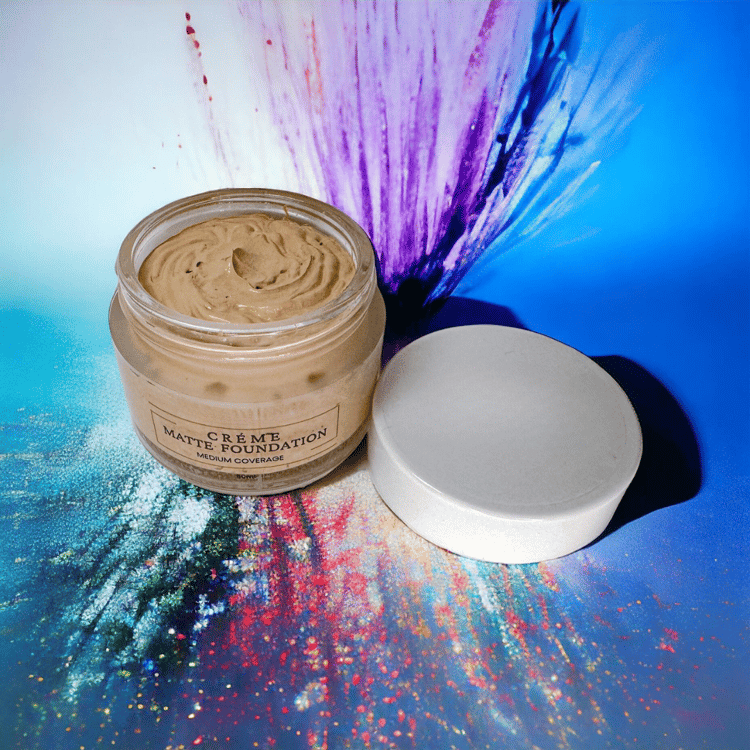
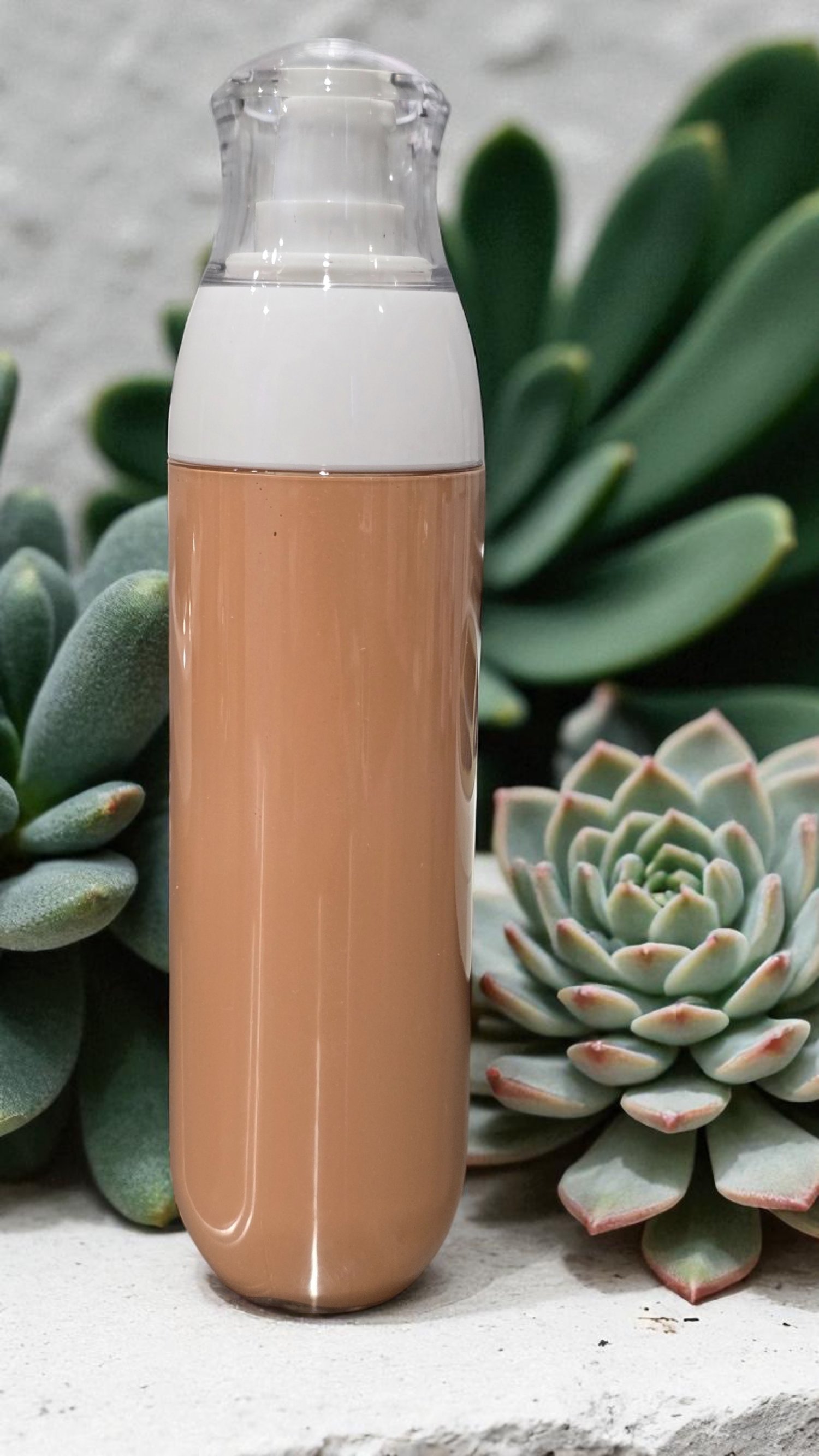
Enjoy my basic Liquid Illuminating Foundation Primer formulation for medium skin tone.