
Potty Training Home Follow Through
HELP YOUR CHILD PRACTICE POTTY TRAINING READINESS, BODY SIGNALS, SITTING ROUTINES, COMMUNICATION, AND TOILET CONFIDENCE WITH CALM PARENT GUIDANCE
If you’ve ever noticed:
• “Parang ready na siya, pero hindi ko alam paano sisimulan ang potty training…”
• “Ayaw niya umupo sa potty or toilet kahit sandali lang…”
• “Hindi niya pa sinasabi kapag iihi or dudumi na siya…”
• “Nagpapaalam lang siya after na, kapag basa or may poop na…”
• “Minsan okay siya, minsan ayaw na naman, kaya hindi ko alam kung itutuloy ko ba or maghihintay muna…”
Or:
• “Gusto ko siyang i-potty train, pero ayoko naman siyang pilitin, takutin, pagalitan, or gawing stressful yung toilet routine.”
Nakaka-pressure minsan.
Kasi potty training is not just about removing diapers.
Hindi lang siya about “sanayin mo lang,” “tanggalin mo na diaper,” or “paupuin mo every few minutes.”
Sometimes, children still need to learn:
“Anong feeling kapag naiihi ako?”
“Anong feeling kapag tatae ako?”
“Paano ko sasabihin na kailangan ko mag-potty?”
“Anong gagawin ko kapag nasa potty na ako?”
“Paano kung may accident?”
“Paano ako babalik sa routine without shame or pressure?”
You’re not alone.
Many kids struggle with potty training not because they are being stubborn or lazy, but because toileting is a learned routine made up of many small skills.
For young children, potty training requires many skills at once:
• body signal awareness
• communication or requesting help
• sitting tolerance
• routine understanding
• clothing management
• waiting and timing
• fear or discomfort tolerance
• sensory comfort with toilet routines
• accident recovery
• parent consistency and calm follow-through
And without proper follow-through at home:
• potty training can become confusing for the child
• parents may keep guessing if the child is ready or not
• sitting on the potty may become a battle
• accidents may feel stressful or shameful
• the child may hold pee or poop, resist, cry, or avoid the toilet
• parents may feel pressured to rush the process because of age, school, or comments from others
This is where this system comes in.
WHAT THIS IS
This is a Home Follow-Through Potty Training Program designed to help your child move from:
👉 “hindi pa sure sa potty / ayaw umupo / hindi pa nagsasabi / laging may accident / confused sa toilet routine”
to
👉 “more guided, more aware, and more supported in practicing potty training skills step by step at home”
Inside, you’ll learn exactly:
• what potty training readiness skills to observe and practice
• how to introduce the potty or toilet without forcing
• how to help your child notice pee and poop body signals
• how to teach simple potty communication for verbal and nonverbal children
• how to build sitting tolerance and toilet routine familiarity
• how to handle accidents calmly without shame
• how to support resistance, fear, refusal, holding, or regression
• how to use visual support, routines, and parent scripts during real potty moments
All based on simple home practice, daily toileting routines, and calm parent-guided follow-through, not pressure, punishment, or random potty training tricks.
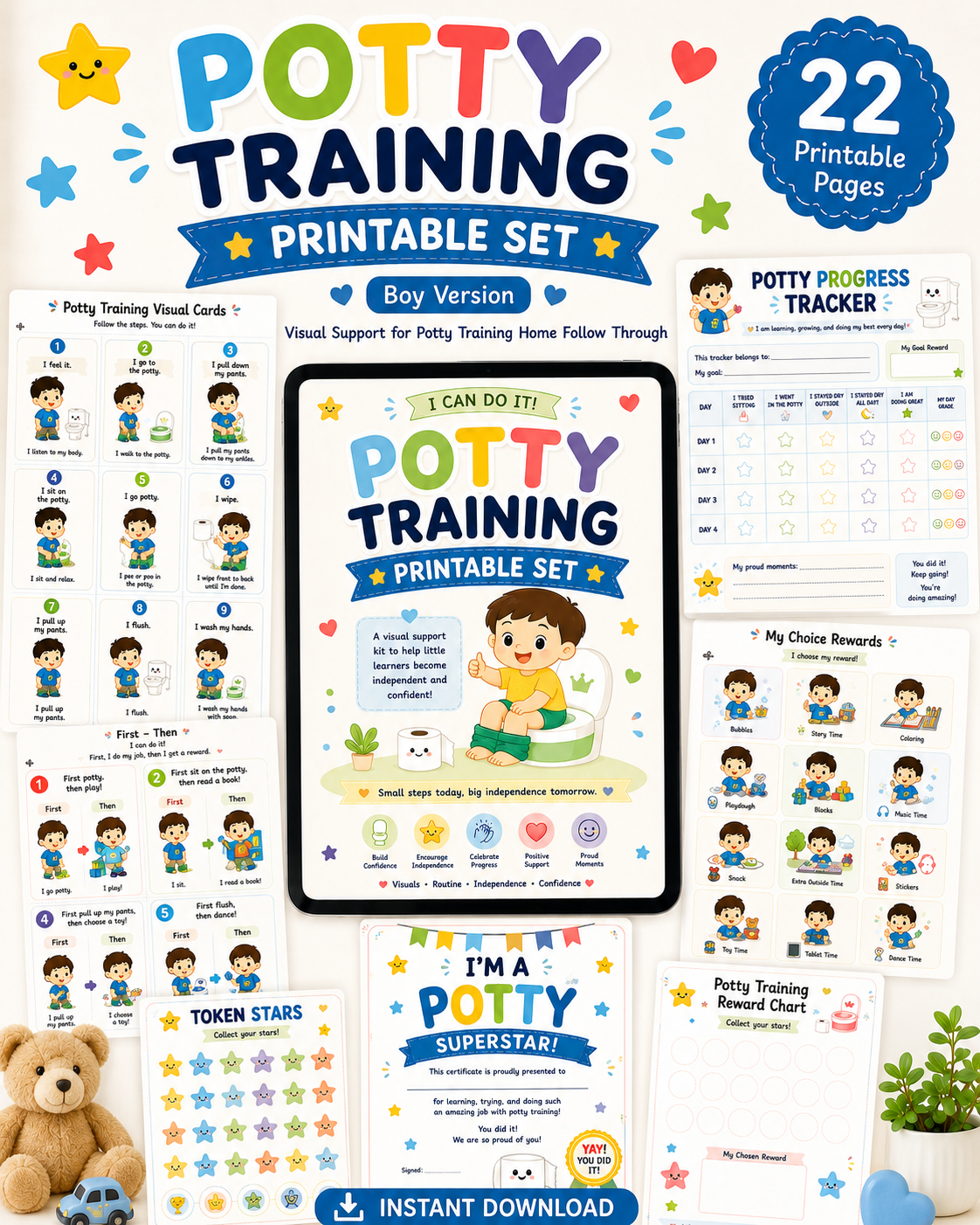
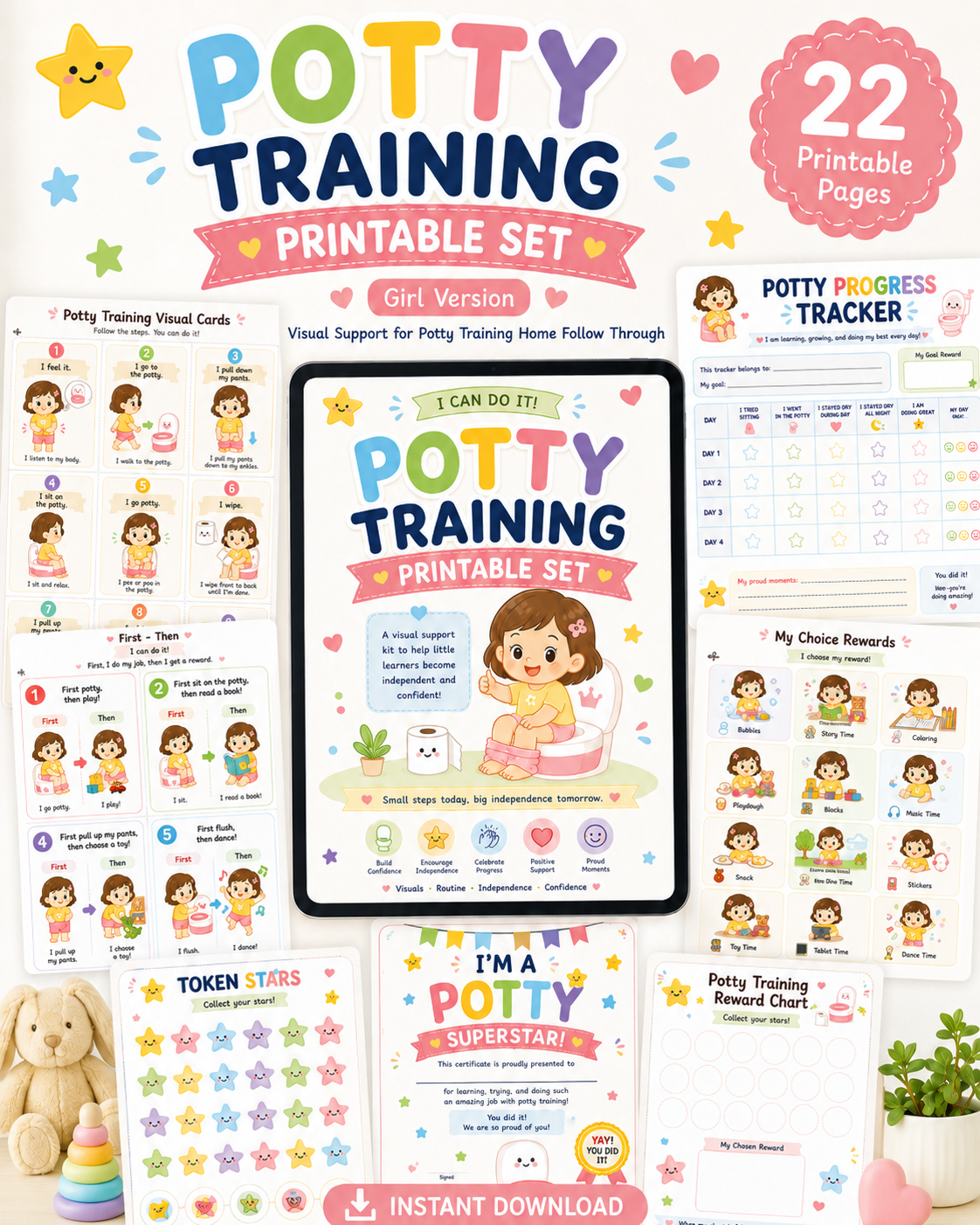
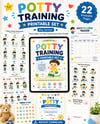
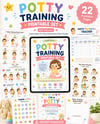
As a helpful bonus, this guide also comes with a Potty Training Visual Support Freebie. This can help make potty routines easier to understand, especially for children who benefit from picture cues, routine reminders, and more visual guidance during toileting practice.
SAMPLE LIVE PREVIEW CLICK HERE
SAMPLE LIVE PREVIEW CLICK HERE
WHY THIS WORKS
Most parents:
• start by removing diapers right away without checking readiness
• keep asking “naiihi ka ba?” even if the child does not yet recognize the signal
• force the child to sit too long on the potty
• get stressed when accidents happen
• compare their child’s potty progress with other kids
• feel unsure when the child resists, cries, holds, or refuses to sit
But potty training requires:
✔ readiness observation before rushing the process
✔ body signal practice
✔ short and calm sitting routines
✔ simple potty words, gestures, visuals, or signs
✔ predictable steps before, during, and after potty time
✔ parent scripts for accidents and resistance
✔ gentle follow-through without shame
✔ realistic expectations based on the child’s current ability
Without this:
• the child may not understand what the body signal means yet
• potty sitting may feel scary or forced
• accidents may become emotionally heavy
• parents may feel stuck between pushing and giving up
• the toilet routine may become stressful for everyone
This system helps you:
• introduce potty training in a calmer and more structured way
• teach your child what to notice, what to say, and what to do
• practice potty routines through small repeatable steps
• support verbal and nonverbal children with communication options
• handle accidents, refusal, fear, and setbacks with more confidence
So instead of:
“Ready na ba siya? Bakit ayaw niya pa rin mag-potty?”
It becomes:
“Mas alam ko na what skills to practice first, how to guide the routine, and how to support my child calmly.”
SAMPLE LIVE PREVIEW CLICK HERE
SAMPLE LIVE PREVIEW CLICK HERE
WHAT’S INSIDE THE GUIDE
A structured Potty Training Home Follow-Through guide designed to help you support your child with potty readiness, body signal awareness, sitting routine, potty communication, clothing steps, hygiene routines, accident handling, resistance support, and toilet confidence.
Inside the guide, you’ll find:
• progressive potty training activities arranged by phase/category
• step-by-step parent coaching for every activity
• embedded parent scripts so you know what to say during potty routines, accidents, and resistance
• simple materials list using common home items and optional visual supports
• activity goals and target potty training skills
• practice for body signals, potty sitting, requesting help, wiping basics, flushing, handwashing, and clothing management
• support for verbal, minimally verbal, and nonverbal children using gestures, visuals, pointing, choices, signs, or modeled words
• bonus Potty Training Visual Support Freebie that you can use alongside the guide for routine reminders, potty steps, simple visual cues, and child-friendly toileting support
• gentle support strategies for refusal, fear, crying, holding, accidents, regression, rushing, or avoiding the potty
• real-life practice for morning potty, before bath, before bedtime, after meals, before leaving the house, and other routine-based potty moments
• flexible activities you can repeat depending on your child’s readiness and comfort level
• parent-friendly explanations so you understand why potty training is more than simply removing diapers
• organized Notion layout for easy access
• mobile-friendly guide you can open while guiding your child
PROGRAM COVERAGE
POTTY READINESS AWARENESS
• observing signs that your child may be ready to start potty practice
• understanding that readiness is more than age
• noticing dry periods, interest, discomfort with wetness, and routine awareness
• helping parents know where to start without rushing
BODY SIGNAL AWARENESS
• helping the child notice pee and poop signals
• connecting body feelings with potty time
• practicing simple body awareness language
• supporting children who cannot yet verbally explain what they feel
POTTY INTRODUCTION
• introducing the potty or toilet gently
• making the potty feel familiar before expecting full use
• reducing fear or pressure around sitting
• helping the child understand what the potty is for
SITTING TOLERANCE
• practicing short sits without forcing long potty time
• helping the child stay calm while sitting
• using simple routines, songs, books, visuals, or comfort supports when helpful
• building tolerance slowly based on the child’s readiness
POTTY COMMUNICATION
• teaching simple potty words like “pee,” “poop,” “potty,” “help,” or “done”
• supporting gestures, pointing, visuals, signs, or picture cards for nonverbal or minimally verbal children
• helping the child request or respond during potty moments
• reducing guessing by giving the child clearer ways to communicate
CLOTHING MANAGEMENT
• practicing pants down, pants up, underwear routine, and simple dressing steps
• helping the child participate in one small part first
• building hand use and independence during toilet routines
• supporting children who still need physical or visual guidance
TOILET ROUTINE STEPS
• practicing the sequence of go to potty, sit, try, wipe with help, flush if ready, wash hands
• helping the child understand what happens first and next
• using predictable routine language
• reducing confusion during toilet time
ACCIDENT HANDLING
• responding to accidents calmly
• helping the child connect accidents with learning, not shame
• practicing clean-up participation when appropriate
• supporting parents in staying calm after repeated accidents
HYGIENE AND HANDWASHING
• practicing handwashing after potty
• introducing wiping support in a child-friendly way
• building hygiene awareness slowly
• connecting potty routine with clean body habits
POTTY RESISTANCE SUPPORT
• supporting refusal, fear, crying, running away, or avoiding the potty
• reducing pressure while still keeping gentle structure
• using parent scripts during resistance
• helping the child feel safe enough to try again
POOP ROUTINE SUPPORT
• helping the child become more aware of poop signals
• supporting children who hide, hold, or avoid pooping in the potty
• reducing fear and pressure around poop routines
• practicing comfort and routine consistency
ROUTINE-BASED POTTY PRACTICE
• practicing potty time during predictable daily moments
• using potty before bath, before bedtime, after waking, after meals, or before leaving the house
• building familiarity through routine repetition
• helping potty practice fit real home life
TOILET CONFIDENCE AND REAL-LIFE PRACTICE
• helping the child feel more comfortable with potty routines
• building confidence after small wins
• supporting progress without perfection pressure
• helping parents guide the process with calm consistency
SAMPLE LIVE PREVIEW CLICK HERE
SAMPLE LIVE PREVIEW CLICK HERE
HOW YOU WILL USE THIS
This is NOT a force-based potty training method.
You use this:
• when you are preparing to start potty training
• when you are unsure if your child is ready
• during morning routine
• before bath time
• before bedtime
• after meals
• before leaving the house
• after accidents
• when your child refuses, cries, hides, holds, avoids, or resists potty time
• kapag gusto mong gawing calmer and more guided ang potty training process at home
Simple flow:
• Observe your child’s current readiness
• Choose one potty skill to practice
• Introduce the routine gently
• Use the suggested parent script
• Give your child a simple way to communicate
• Practice during predictable routine moments
• Handle accidents calmly and try again
No pressure. No shame-based potty training.
The goal is not to make your child fully toilet trained overnight.
The goal is to slowly help your child understand body signals, potty routines, communication, and toilet confidence with parent support.
SAMPLE LIVE PREVIEW CLICK HERE
SAMPLE LIVE PREVIEW CLICK HERE
WHO THIS IS FOR
✔ parents of toddlers and preschoolers who are preparing for potty training or already starting potty practice
✔ parents of kids around ages 2–5 who need step-by-step support with potty readiness, sitting, body signals, potty communication, accidents, and toilet routines
✔ also helpful for some older kids ages 5+ who may still need support with toileting routines because of developmental delays, neurodevelopmental conditions, communication delays, motor challenges, sensory needs, or other learning/developmental needs
✔ kids who:
• show signs of potty readiness but still need guidance
• do not yet say when they need to pee or poop
• only tell after the accident already happened
• resist sitting on the potty or toilet
• get scared, cry, hide, hold, or avoid potty time
• need help with pants down, pants up, wiping, flushing, or handwashing
• need visual support or simple communication options
• need a calmer and more predictable potty routine
✔ parents who want structured potty training support at home
✔ parents who want to guide their child without forcing, shaming, threatening, or comparing
WHO THIS IS NOT FOR
✘ if you expect instant potty training in one day or three days
✘ if you prefer force-based or punishment-based potty training
✘ if you want to remove diapers without considering your child’s readiness
✘ if you do not want to model, guide, repeat, and support the routine consistently
✘ if you are looking for a replacement for pediatric advice, occupational therapy, developmental evaluation, medical guidance, or professional intervention
✘ if your child has pain, severe constipation, bleeding, urinary issues, or other medical concerns that need a doctor’s guidance first
This is for gradual, consistent, parent-guided potty training support.
HOW TO ACCESS AFTER PURCHASE VIA WEBSITE
After payment, Payhip website will automatically provide the file/access details. Inside, you’ll find the Notion guide link. Open the link using your phone, tablet, or laptop.
You can view the guide directly through the link, or duplicate it to your own free Notion account if you prefer having your own copy.
No need to print everything.
No complicated setup.
Just open the link, choose the activity or routine support, and follow the guide step by step.
This is a one-time payment only.
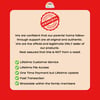
You’ll get lifetime access to the guide, including future updates if we improve or add helpful parts to the guide.
After-sales assistance is also available. If you have questions about accessing the guide or using it, you may message us on our Facebook Page.
ASSISTED PURCHASE TRANSACTION VIA FB PAGE MESSENGER:
If you don’t have a debit card, credit card, or PayPal account, you may still purchase through assisted transaction via Messenger.
Just send us a message on our Facebook Page and we’ll guide you through the payment and access process.
After payment confirmation, we will send your Notion access link through Messenger or email.
Facebook Page:
https://www.facebook.com/homeplaycomainfbpage
WHAT YOU WILL RECEIVE
• instant access link after purchase
• full digital guide inside Notion
• organized potty training activity system by phase/category
• step-by-step parent coaching
• embedded parent scripts
• support for verbal, minimally verbal, and nonverbal communication options
• bonus Potty Training Visual Support Printable Freebie (for both boy and girl version)
• mobile-friendly access
• one-time payment only
• lifetime access to the guide link
• lifetime updates whenever improvements or helpful additions are added
• after-sales assistance for access or guide-related questions
• option to duplicate to your own Notion account optional only
SAMPLE LIVE PREVIEW CLICK HERE
SAMPLE LIVE PREVIEW CLICK HERE
FAQs
Is this a one-day or three-day potty training method?
No. This guide is not a rush method. It focuses on readiness, body signals, communication, sitting routine, accidents, and calm follow-through. Some children may progress faster, while others need more time and repetition.
What age is this for?
This is mainly for toddlers and preschoolers around ages 2–5, but some older children may still benefit if they need support with potty routines because of developmental delays, communication delays, sensory needs, neurodevelopmental conditions, or other learning/developmental needs.
Is this for diagnosed kids only?
No. This can be used whether your child has a diagnosis or not.
Kailangan ba verbal ang child para magamit ito?
No. Potty training support can be practiced through visuals, gestures, pointing, signs, picture cards, choices, modeled words, simple cues, and supported communication. Your child does not need to speak in full sentences before learning potty routines.
What if my child does not say when he/she needs to pee or poop?
That is one of the skills the guide supports. The guide helps you practice body signal awareness and simple communication options so your child can slowly learn how to tell, show, or respond during potty moments.
What if my child only says it after the accident?
That can happen. It may mean your child is starting to notice the result after it happens, but still needs practice noticing the body signal earlier. The guide helps you work on that step by step.
What if my child refuses to sit on the potty?
The guide includes gentle ways to introduce potty sitting, reduce pressure, and build sitting tolerance slowly. The goal is not to force long sitting, but to help the child feel safe and familiar with the routine.
What if my child is scared of the toilet?
Start slowly. The guide includes potty introduction, toilet familiarity, visual support, and comfort routines. If fear is intense or connected to pain or constipation, please consult your child’s doctor or therapist.
What if my child keeps having accidents?
Accidents are part of potty training for many children. The guide includes calm accident response, clean-up participation when appropriate, and ways to reconnect accidents with learning instead of shame.
What if my child holds pee or poop?
Holding can happen for different reasons such as fear, discomfort, constipation, sensory concerns, or lack of readiness. The guide can support gentle routine practice, but if holding is frequent, painful, or connected to constipation, please consult a pediatrician.
Is this therapy?
No. This is a parent-friendly home follow-through guide designed to support potty training practice at home. It does not replace pediatric advice, occupational therapy, developmental evaluation, medical guidance, or professional intervention.
Do I need special materials?
No. You may use a potty chair, toilet seat insert, step stool, wipes, underwear or training pants, simple visuals, and daily routine materials. Use what fits your home setup.
Does this include visual support materials?
Yes. This guide includes a bonus Potty Training Visual Support Freebie that you can use alongside the guide. This can help make potty routines easier to understand through simple visuals, routine reminders, potty steps, and child-friendly cues.
Do I need to use the Visual Support Freebie?
No. The guide can be used on its own. The Visual Support Freebie is an extra support tool, especially helpful for children who benefit from pictures, routine cues, visual reminders, or more concrete guidance during potty training.
Kailangan ba tanggalin agad ang diaper?
Not always. Some children need a gradual approach depending on readiness, comfort, routine, and communication. The guide helps you observe and practice skills first instead of rushing diaper removal.
Can this help with school readiness?
Yes. Toileting routines, handwashing, asking for help, clothing management, and body signal awareness are important daily independence skills for school and group settings.
Kailangan ba sundin lahat ng activities?
No. You can choose activities based on your child’s current needs and start at the level where your child can succeed.
Can I use this with other HFT guides?
Yes. Potty training connects well with Daily Life Skills, Routine and Transitions, Safety Rules and Boundaries, Sensory Regulation, Following Instructions, Big Emotions and Behaviour, and Hand Strength.
Pwede ba ito sa kids over 5 years old?
Yes, this may still be helpful for some older kids, especially if they still need support with body signals, potty communication, sitting tolerance, clothing management, hygiene, accidents, or routine follow-through due to developmental delays, neurodevelopmental conditions, communication delays, sensory needs, motor challenges, or other learning/developmental needs. Please use the guide based on your child’s current skill level, not only their age.
What if my child has a neurological or developmental condition?
This guide may be used as gentle home support for some children with developmental or neurological needs, as long as the activities are matched to the child’s current ability and done with patience, supervision, flexibility, and medical awareness. For children with complex toileting needs, frequent constipation, withholding, intense fear, pain, regression, or safety concerns, please continue following the guidance of your child’s pediatrician, occupational therapist, developmental specialist, or therapist.
SAMPLE LIVE PREVIEW CLICK HERE
SAMPLE LIVE PREVIEW CLICK HERE
FINAL NOTE
Your child is not automatically “matigas ang ulo,” “tamad,” or “not ready forever” just because potty training feels hard.
Sometimes, they need clearer body signal practice, simple communication options, a predictable potty routine, gentle sitting practice, and calm parent-guided follow-through before toileting feels familiar.
Potty training is not just about removing diapers.
It is about helping your child understand the body, communicate needs, follow routine steps, and build toilet confidence one small step at a time.
This guide is designed to be used based on your child’s current ability and readiness, not just age.
For older kids with developmental, sensory, communication, motor, or neurological concerns, use the activities gently, slowly, and with the right level of support.
This system helps you support your child’s potty training readiness, body signals, communication, sitting routine, hygiene, and toilet confidence step by step, at home.
Should you have any concerns, pls direct message us to our Facebook Page:
https://www.facebook.com/homeplaycomainfbpage
We’d love to assist you further!
Thank you so much!