

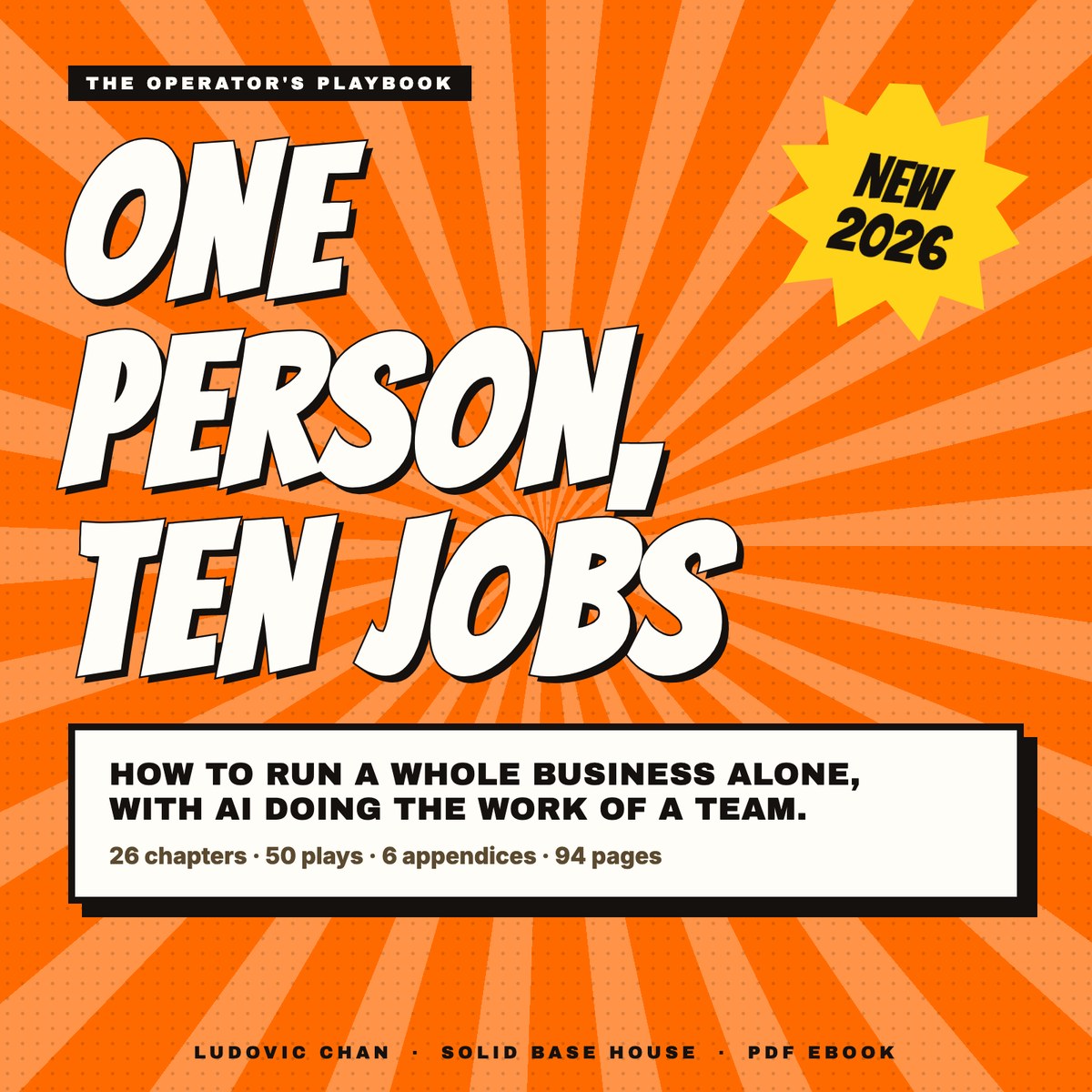

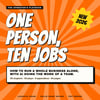



One Person, Ten Jobs: How to Run a Whole Business Alone, with AI Doing the Work of a Team
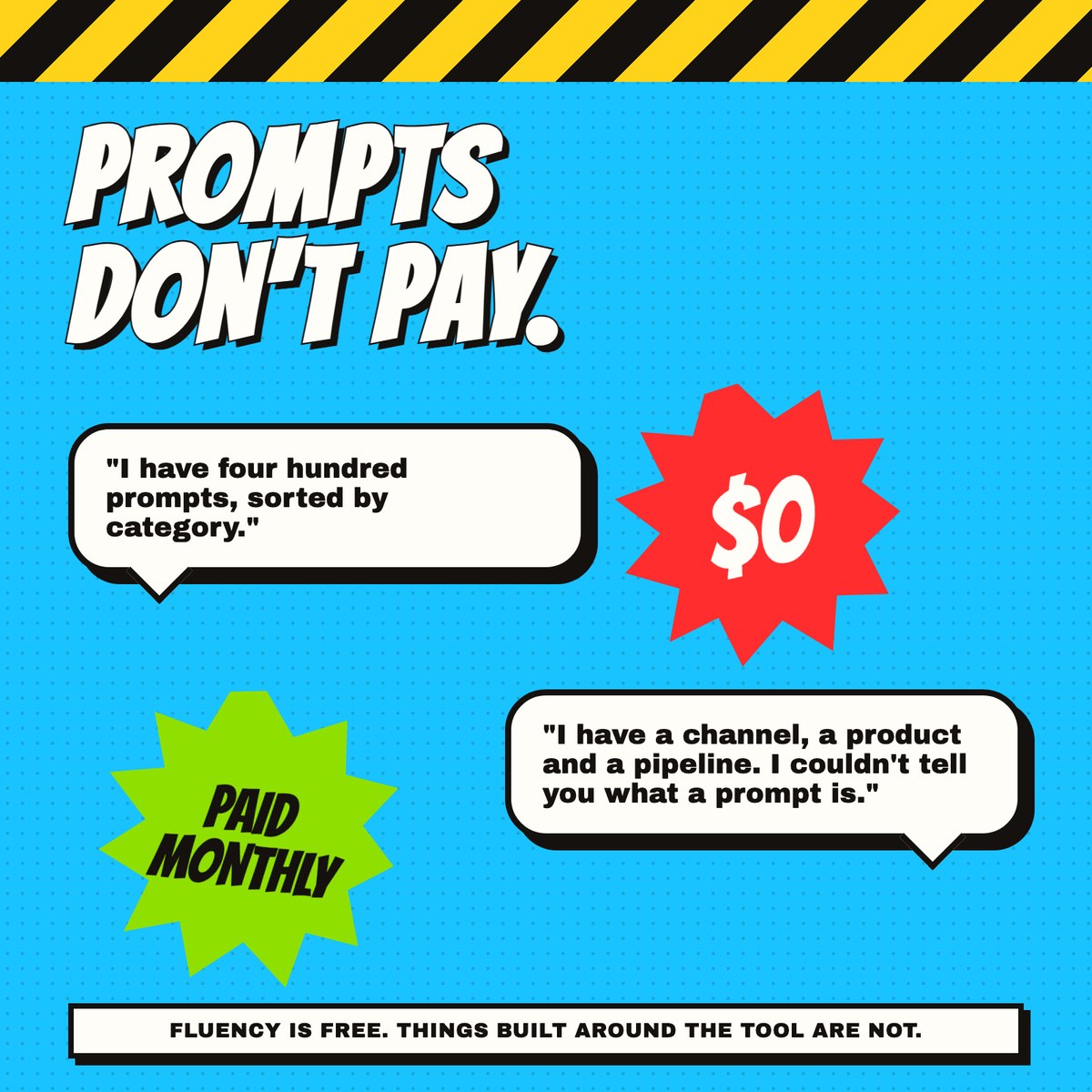
Two people came to me in the same month with the same question. The first had spent a year with the best AI tools money could buy. He had a folder of four hundred prompts, sorted by category. He wrote faster than anyone I knew, summarised faster, planned faster. His income had not changed by a dollar. The second had used AI for roughly the same length of time and could not have told you what a prompt was. She had a channel that paid her a few thousand dollars a month in advertising revenue, a small piece of software that forty strangers paid for, and a pipeline that produced and published her content while she slept. She had built three things, and the AI had built them with her. He had collected four hundred ways of asking.
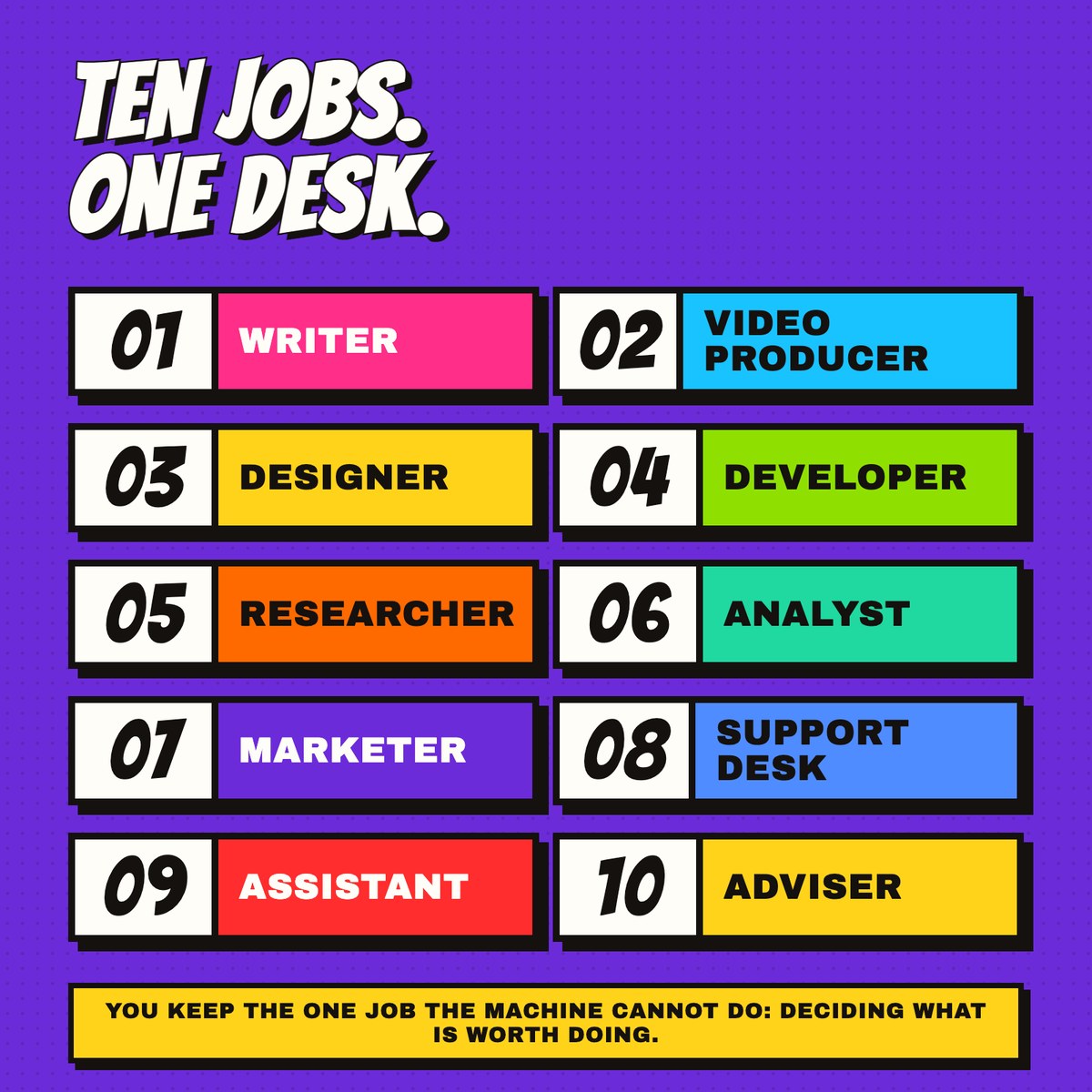
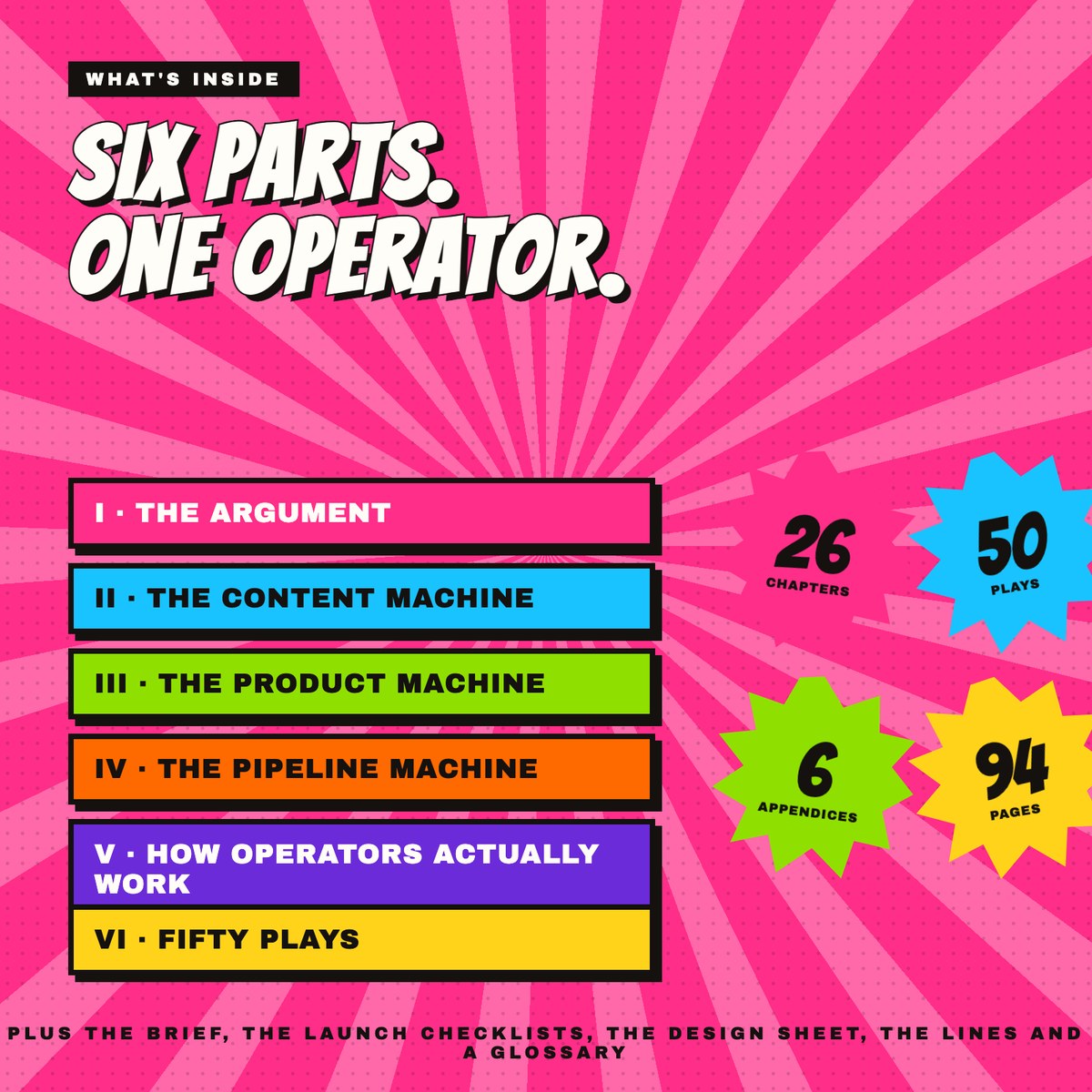
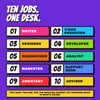
One Person, Ten Jobs is a 94-page playbook about the difference. The tools have made writing, summarising and planning free, which is precisely why fluency with them is worth so little. What still pays are the things that have to be built around the tool: an audience that comes back, a product with a business model underneath, a pipeline that runs without you, and the judgment to know which of the thousand things the machine can produce is the one worth producing. The book shows one person doing what used to take a department: writer, video producer, designer, developer, researcher, analyst, marketer, customer-service desk, assistant and adviser. Ten jobs, one operator, and a roster of AI staff doing nine of them.
Written by a founder who has started more than a dozen companies and who now runs his own with a two-screen rule: think on the right, build on the left, and never ask the builder to design.
INSIDE, YOU'LL LEARN
• Why prompts don't pay: what the tools flattened, what they did not, and the four things that still carry a price (Chapter 1)
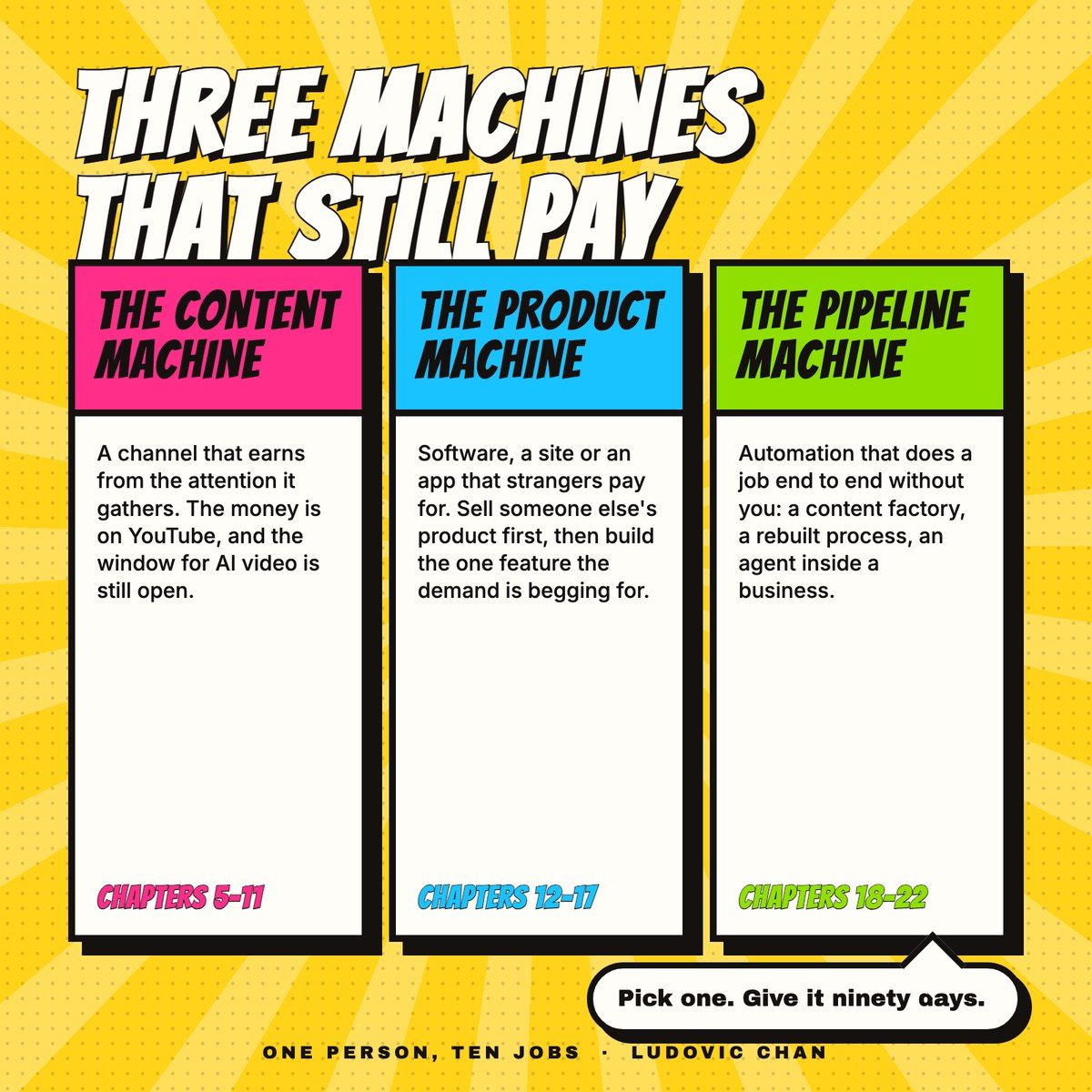
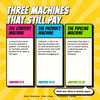
• The three machines: a content machine, a product machine and a pipeline machine, with the time, skill and money each one takes, and how to pick one (Chapter 2)
• Staff, not tools: why to pay for the best model, use one deeply, and treat the second one as a second opinion (Chapter 3)
• The judgment layer: the one job the machine cannot do, and how to do it on purpose (Chapter 4)
• Why the money is on YouTube: the only platform that pays a revenue share at scale, and the window that is still open for AI video (Chapter 5)
• A hit is a body and a soul: finding forms audiences already love, writing scripts that stop people thinking, and breeding one good script into forty videos (Chapters 6–7)
• The production line: five stations from script to upload, the quality step that gets a channel through review, and small languages and deep niches where the competition has not arrived (Chapters 8–9)
• The channel matrix and the five-step launch, and how to give content a pulse so the audience knows a person is behind it (Chapters 10–11)
• Build a business, not an app: why to sell someone else's product first, where supply and demand break, and how to find the first dollar and the first thousand (Chapters 12–15)
• Three levers of growth and the move from tool to agent, with pricing worked from real API costs (Chapters 16–17)
• The workflow is the product: how to design, sell and price a pipeline, run a content factory, rebuild a process instead of retrofitting it, and put an agent inside a business (Chapters 18–22)
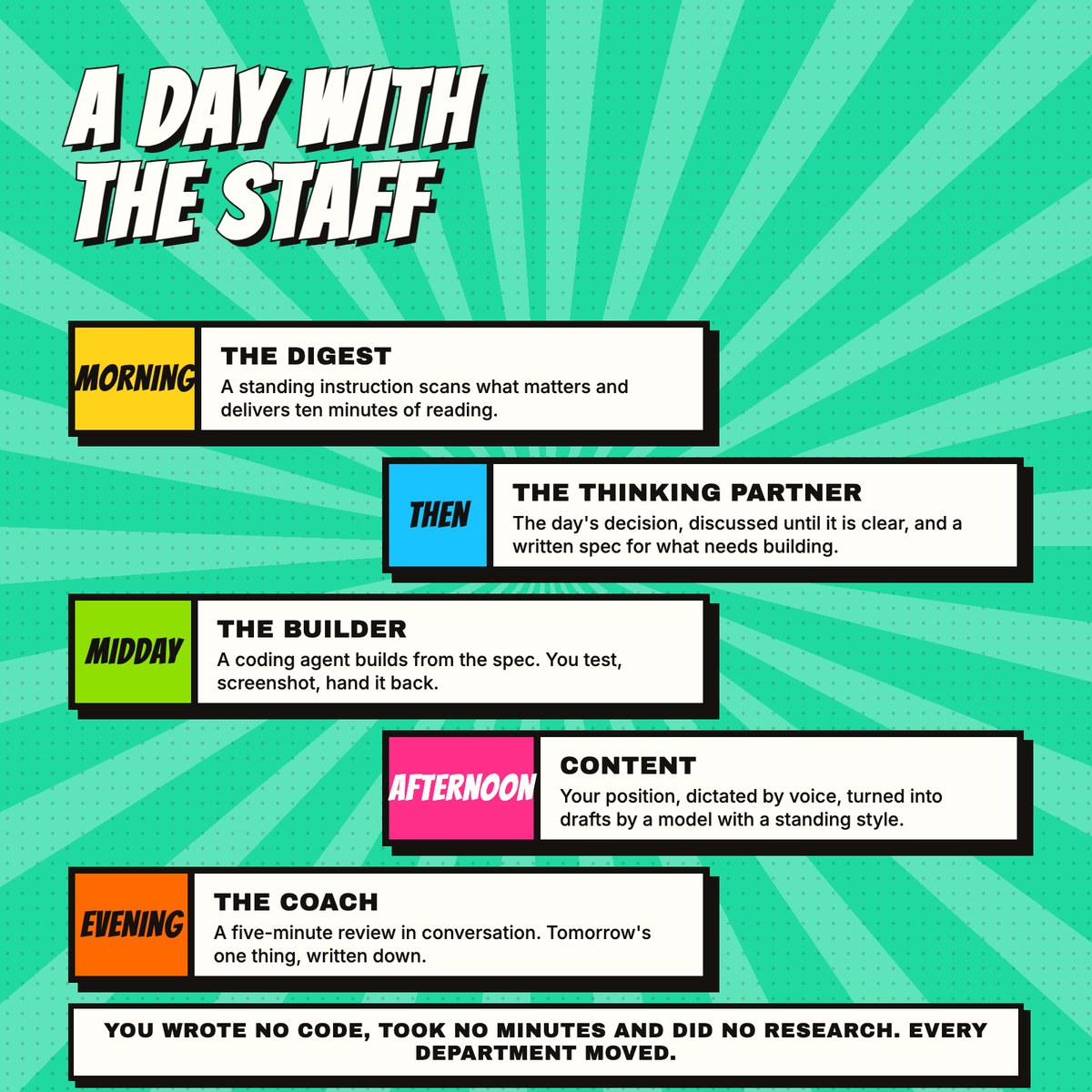
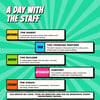
• A day with the staff: the roster of ten AI roles, the knowledge base that makes a model know your business, the nine habits of the people who get paid, and an honest map of where the big money is (Chapters 23–26)
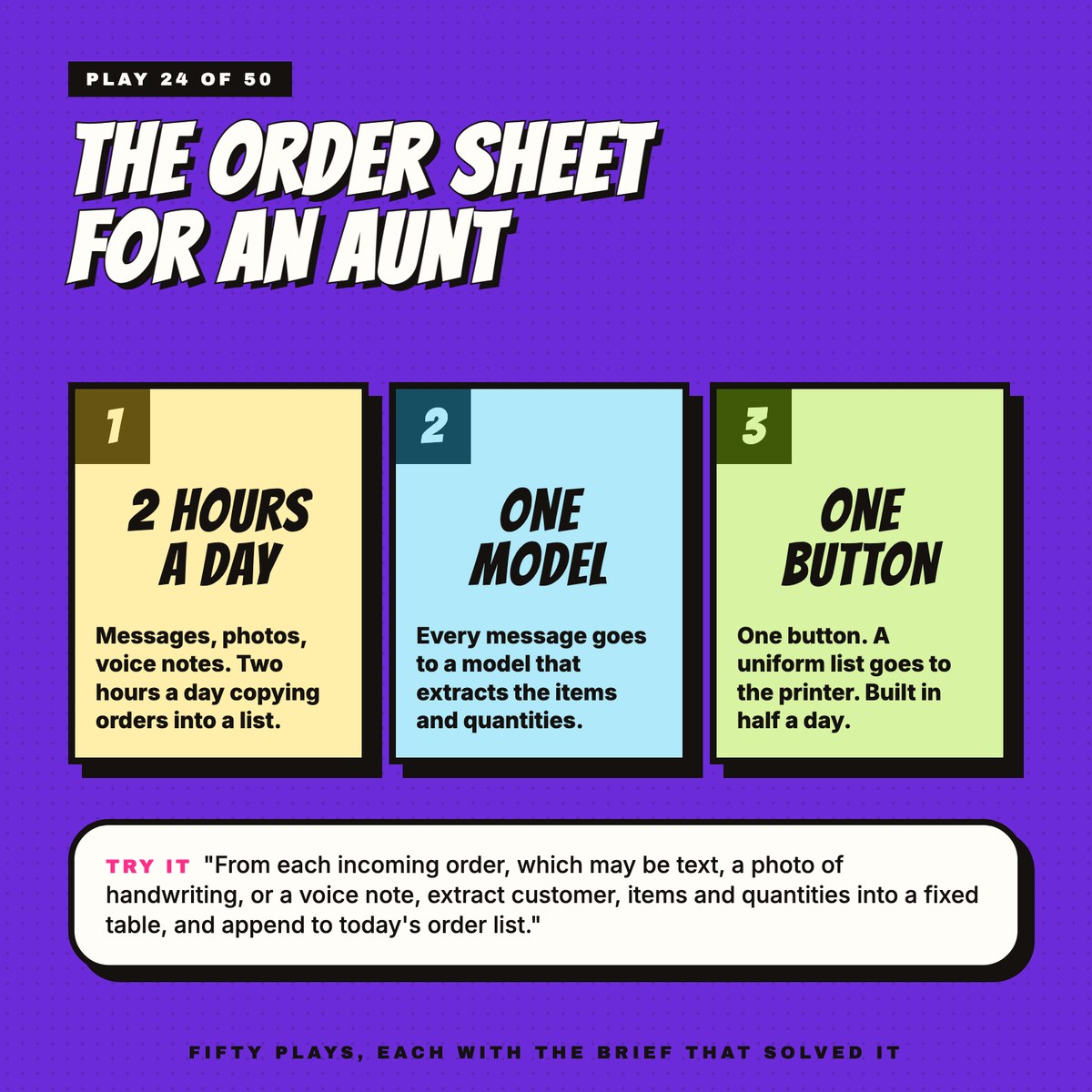
• Fifty plays: fifty short accounts of a real problem solved with a model in an afternoon, each with the brief that solved it (Part VI)
READY TO USE
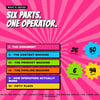
• Appendix A: the brief, six parts, with the sentence to use when you cannot write it
• Appendix B: the channel launch checklist
• Appendix C: the two-week product launch, day by day, with the arithmetic to keep
• Appendix D: the workflow design sheet
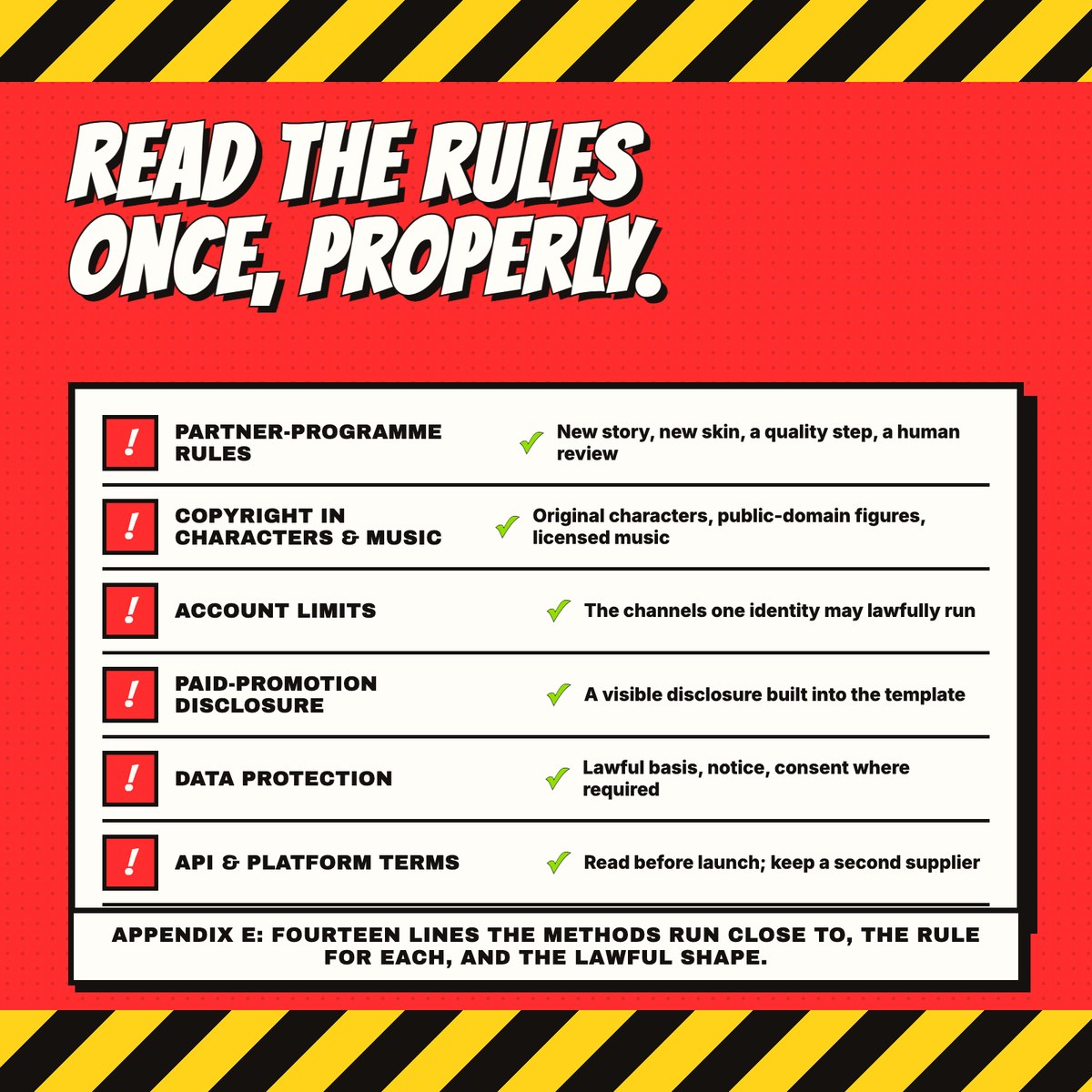
• Appendix E: the lines: fourteen things the methods run close to, the rule for each, and the lawful shape
• Appendix F: glossary
NOT IN THIS BOOK
No prompt lists, no tool rankings that will be out of date by spring, and no promises of passive income. Every method is tied to a platform rule or a law somewhere, and the book says where. The examples are described without names, with round, illustrative numbers, and nothing in it is legal, tax or medical advice.
WHO IT IS FOR
Freelancers, solo founders, small-business owners and employees who want a second income, and who have used AI enough to be fast but not enough to be paid. If you have a folder of prompts and no income from them, this is the book.
FORMAT
PDF ebook, A4, 94 pages, typeset to read on a tablet or print at home. Instant download. First edition, 2026.
GUARANTEE
If the book doesn't give you one machine to build and the first ten actions to build it, reply to the delivery email within seven days and the price is refunded. Keep the PDF.