

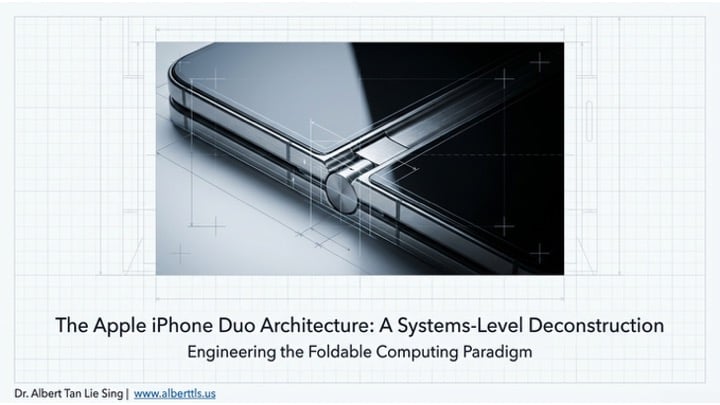


The APPLE iPhone Duo Architecture: A Systems-Level Deconstruction Engineering the Foldable Computing Paradigm
A foldable phone is easy to describe. A new computing architecture is harder to understand.
The Apple iPhone Duo Architecture is a 21-page independent visual technology intelligence brief that examines Apple’s emerging foldable computing platform from a systems-level perspective. Rather than simply repeating product specifications, the report explores hinge mechanics, display and material architecture, iOS integration, dual-battery and thermal systems, manufacturing constraints, estimated hardware economics, user-experience trade-offs, strategic risks, and projected retained-value behavior. The analysis clearly distinguishes manufacturer-confirmed specifications, patent evidence, third-party reporting, quantitative models, and author interpretation, helping readers understand not only how the device is engineered, but also what may determine its long-term technological and commercial significance. Designed for technology professionals, engineers, researchers, educators, product strategists, investors, and curious readers, this PDF provides early evidence-based updates as new technical, market, and ecosystem information becomes available.
Finally, this 21-page independent visual technology intelligence brief examines the iPhone Duo from hinge mechanics and display architecture to software, thermal engineering, manufacturing economics, retained value, and strategic risk—with early evidence-based insights included, and potential updates.
Readers will explore:
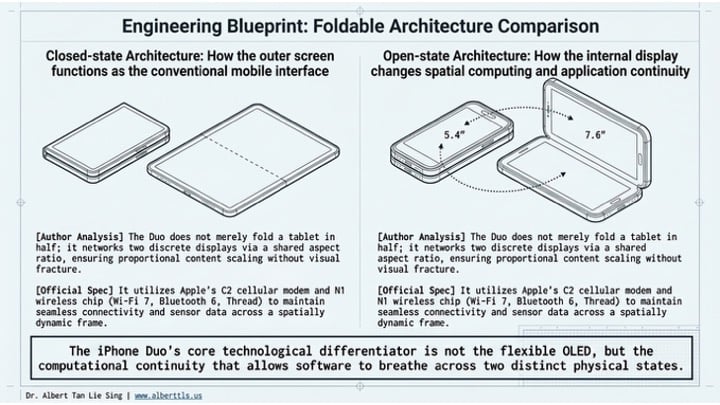
- the architectural difference between closed and open computing states;
- Apple's mobile-computing product positioning;
- system dimensions, materials, and packaging constraints;
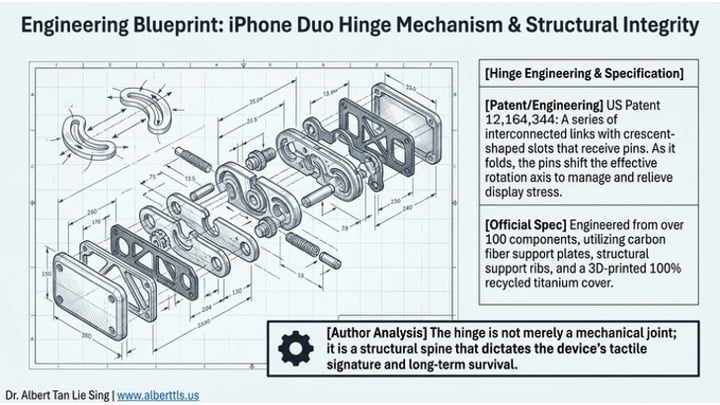
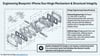
- the 100+ component hinge architecture and relevant patent evidence;
- flexible-display construction and material-science considerations;
- hinge-aware interaction and iOS software architecture;
- dual-battery architecture, charging, and energy-management implications;
- A20 Pro thermal architecture and heat-dissipation constraints;
- manufacturing complexity, yield friction, and material considerations;
- estimated hardware cost structure and premium market positioning;
- projected retained-value behavior and foldable-device economics;
- functional and ergonomic trade-offs;
- technical, ecosystem, and market risks;
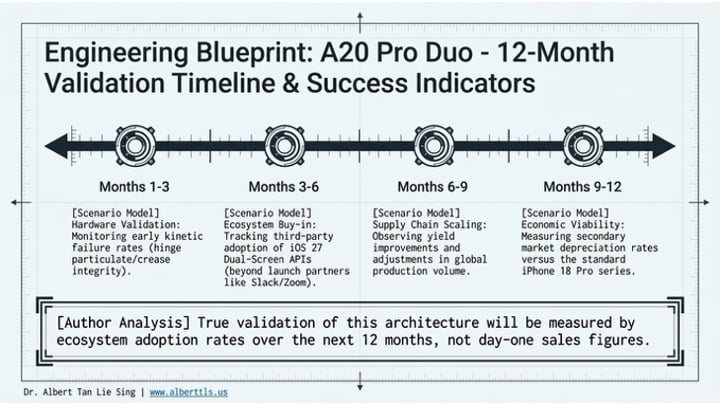
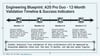
- a 12-month validation framework for tracking whether the architecture succeeds beyond launch-day attention.