
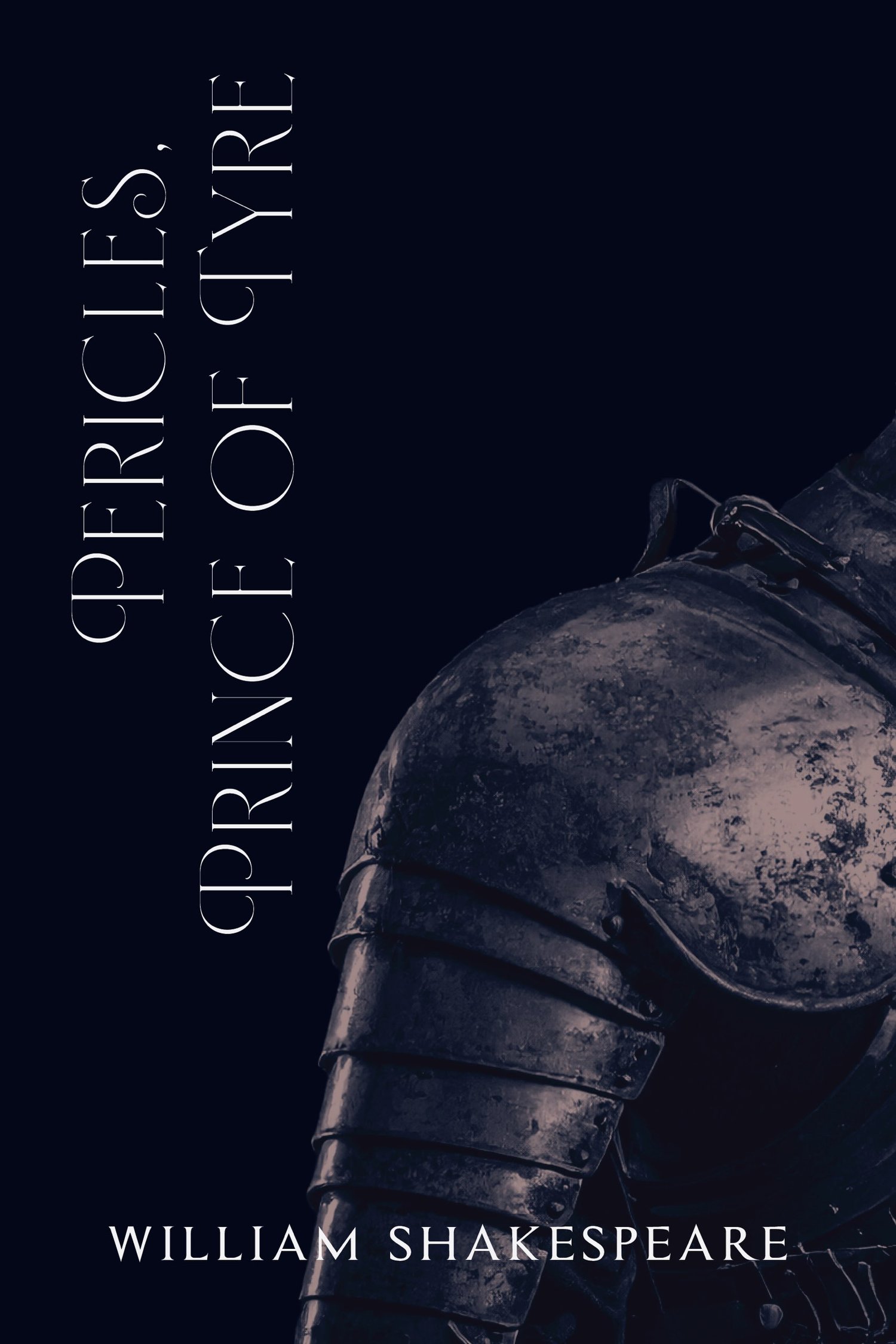
Pericles, Prince of Tyre
William Shakespeare’s Pericles, Prince of Tyre opens with a deadly puzzle: the King of Antioch offers his beautiful daughter to any suitor who can solve his riddle, but failure means death, and skulls decorate the palace walls. Pericles solves it—and discovers a horrifying truth: the king is committing incest with his own daughter. Unable to speak the answer without losing his head, Pericles flees, knowing the king will send assassins to silence him. Thus begins an epic journey across the Mediterranean, from shipwreck to tournament to kingship. In Pentapolis, Pericles wins both a jousting contest and the heart of Princess Thaisa, finding happiness at last. But fate isn’t finished testing him. Sailing home with his pregnant wife, he faces a catastrophic storm. Thaisa appears to die giving birth, and superstitious sailors demand her body be thrown overboard immediately. Heartbroken, Pericles seals his wife in a waterproof chest and surrenders her to the waves.
But Thaisa isn’t dead—she washes ashore and is revived by a skilled physician. Believing she’ll never find her husband, she becomes a priestess in the temple of Diana. Meanwhile, Pericles leaves his infant daughter Marina with the governor of Tarsus and disappears into mourning. Marina grows into an extraordinarily gifted young woman, so virtuous and talented that the governor’s jealous wife plots her murder. Kidnapped by pirates and sold to a brothel, Marina does the impossible: she converts her would-be clients through eloquence and purity, turning a house of vice into a place of moral reformation. Her reputation spreads, reaching even to the ears of a ship’s captain who knows of a mysterious lord, consumed by grief, who hasn’t spoken or moved in months.
That lord is Pericles, unrecognizable in his madness and despair. Marina is brought aboard to try to rouse him with her legendary healing presence. As she speaks, something in her voice, her intelligence, her very being begins to penetrate his darkness. The recognition scene that follows is one of Shakespeare’s most transcendent moments—a father and daughter finding each other across an ocean of loss, neither daring to believe it’s real. But the miracles aren’t over: the goddess Diana appears to Pericles in a vision, directing him to her temple, where another impossible reunion awaits. Pericles, Prince of Tyre is Shakespeare’s testament to endurance, patience, and the redemptive power of virtue. It’s a play about surviving the unsurvivable, about how goodness can prevail even in brothels and storms, and about the mysterious grace that sometimes returns what we thought was lost forever. For readers who love epic journeys, tearful reunions, and stories that affirm our faith in ultimate justice, this romance delivers pure emotional catharsis.
About the author
William Shakespeare (1564-1616) is widely regarded as the greatest writer in the English language and the world’s preeminent dramatist. Born in Stratford-upon-Avon, he wrote approximately 39 plays and 154 sonnets that have shaped literature, theater, and the English language itself for over four centuries. His works, from tragedies like Hamlet and King Lear to comedies like A Midsummer Night’s Dream and histories like Henry V, explore the full range of human experience with unmatched psychological insight, poetic brilliance, and emotional power. Shakespeare’s influence extends far beyond the stage; his phrases and characters have become woven into the fabric of modern culture, and his exploration of timeless themes—love, power, ambition, jealousy, mortality—continues to resonate with audiences worldwide. Despite the passage of centuries, his work remains startlingly contemporary, speaking to each new generation with fresh relevance and inexhaustible depth.