

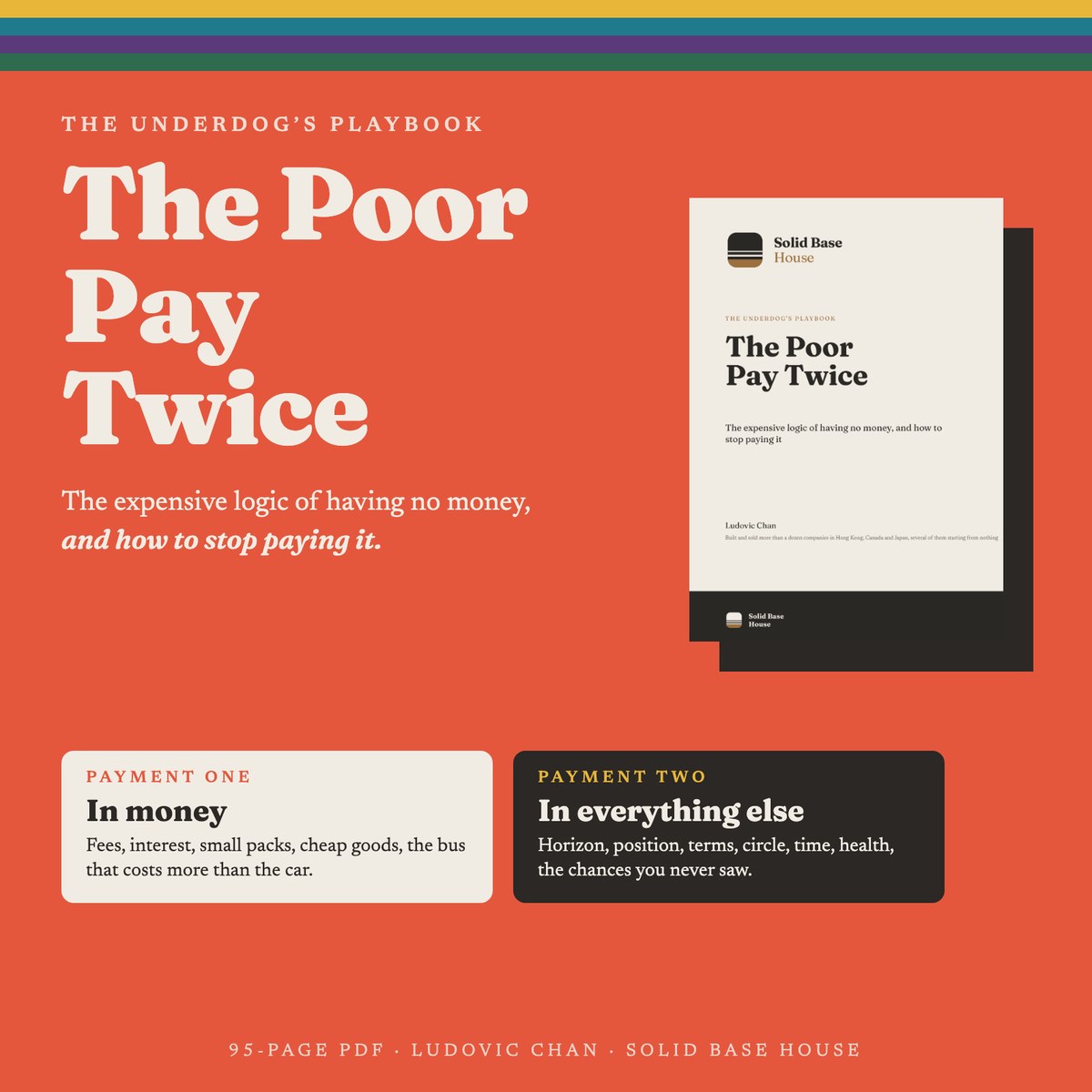
The Poor Pay Twice: The Expensive Logic of Having No Money, and How to Stop Paying It
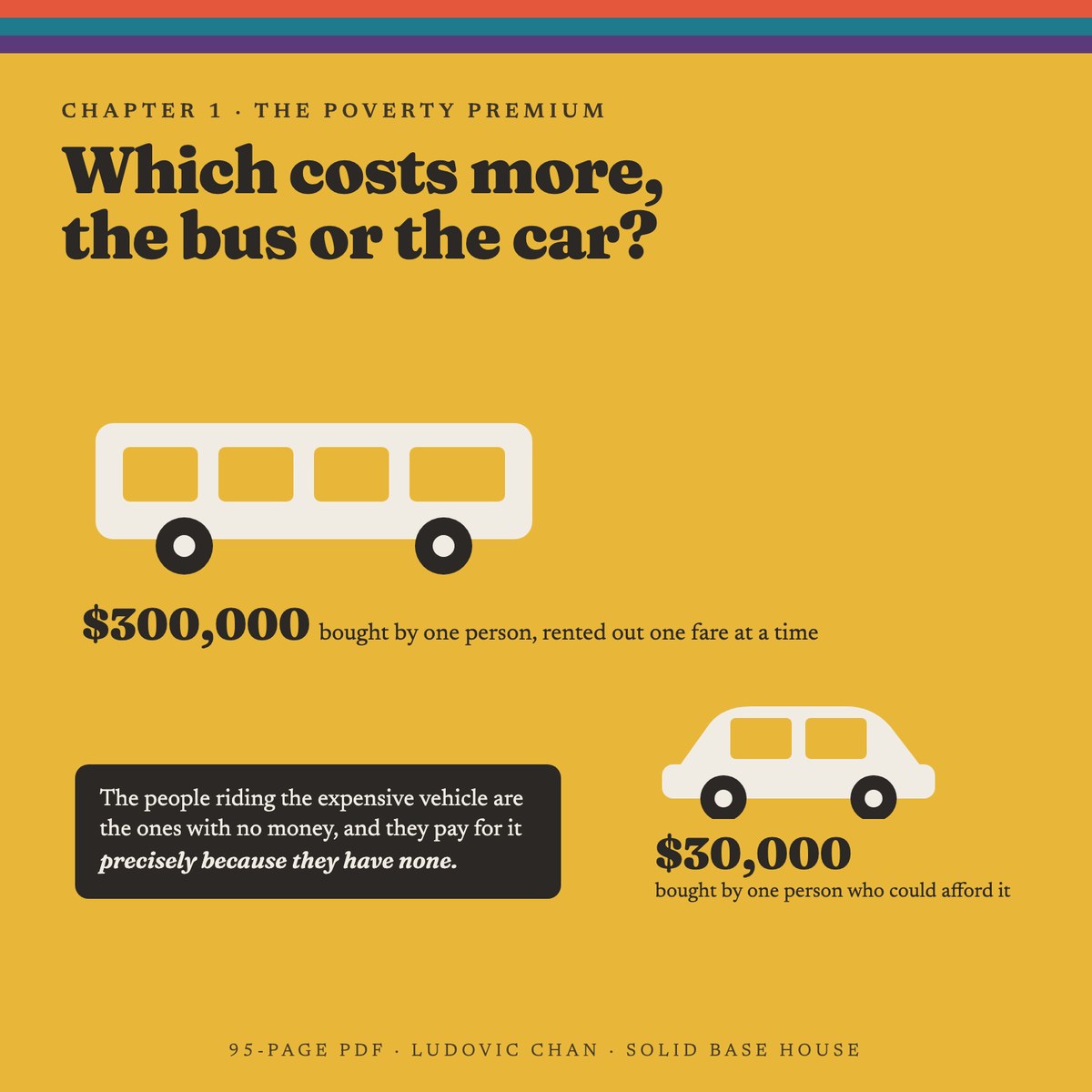
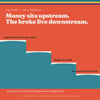
Being broke is expensive. The person with no money pays more for the same loaf, the same loan, the same roof and the same mistake than the person with money does. Economists call it the poverty premium. The people paying it call it life.
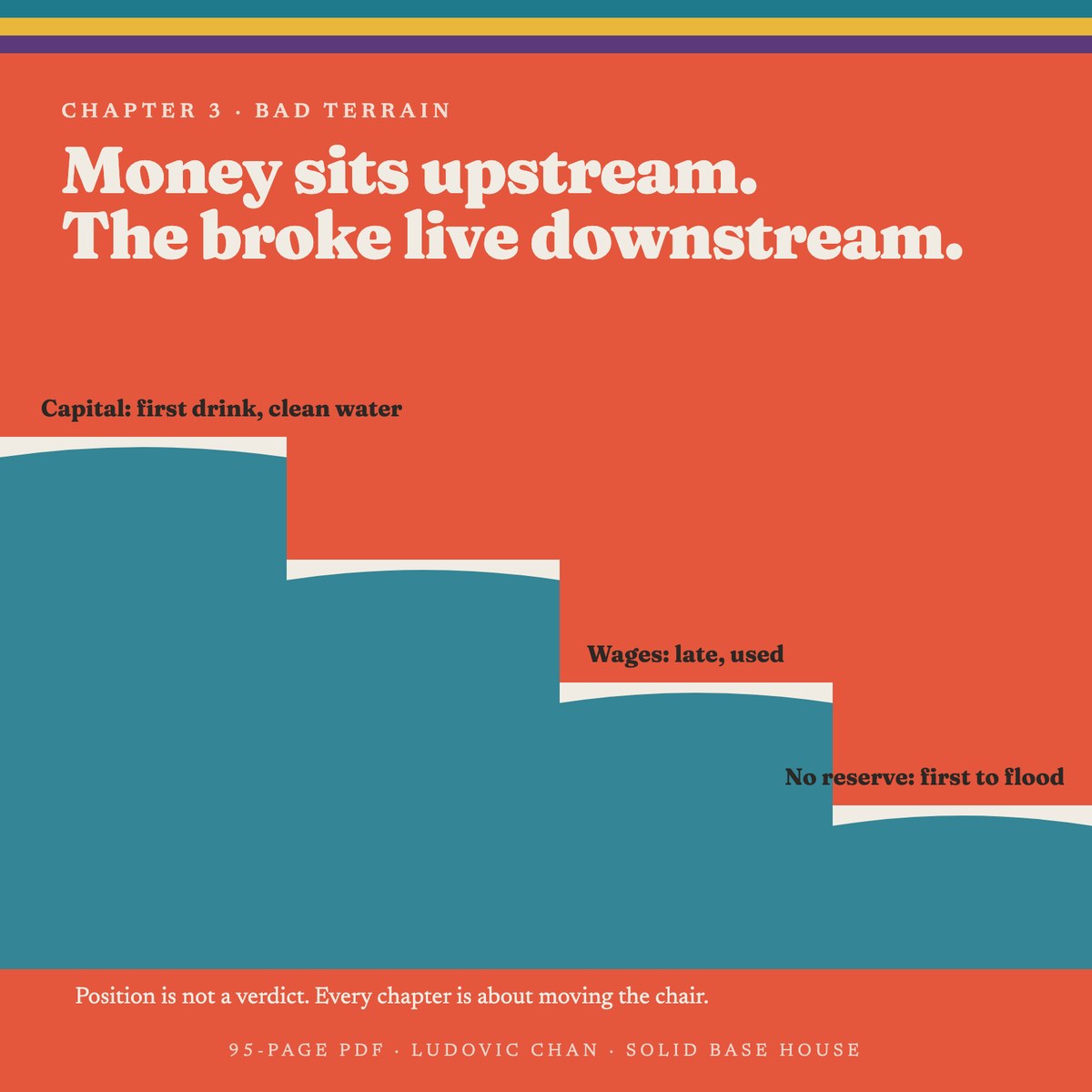
That is the first payment, and it is only half the bill. Having no money also changes how you think, what you dare, who you know and how you are treated, and every one of those changes sends you another invoice: in time, in risk, in health, in terms, in the opportunities you could not afford and the ones you never saw. The poor pay twice. The first payment is visible and much discussed. The second is invisible, almost never named, and it is the one that keeps people where they are.
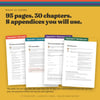
The Poor Pay Twice is a 95-page playbook on both payments, written by a founder who has started companies with almost nothing and companies with plenty, and learned the difference from how the world treated him. It is blunt about the system, which is built to take from the people who can least afford it, and blunt about the habits of the broke, several of which are self-inflicted and therefore the only ones entirely within your power to change.
INSIDE, YOU’LL LEARN
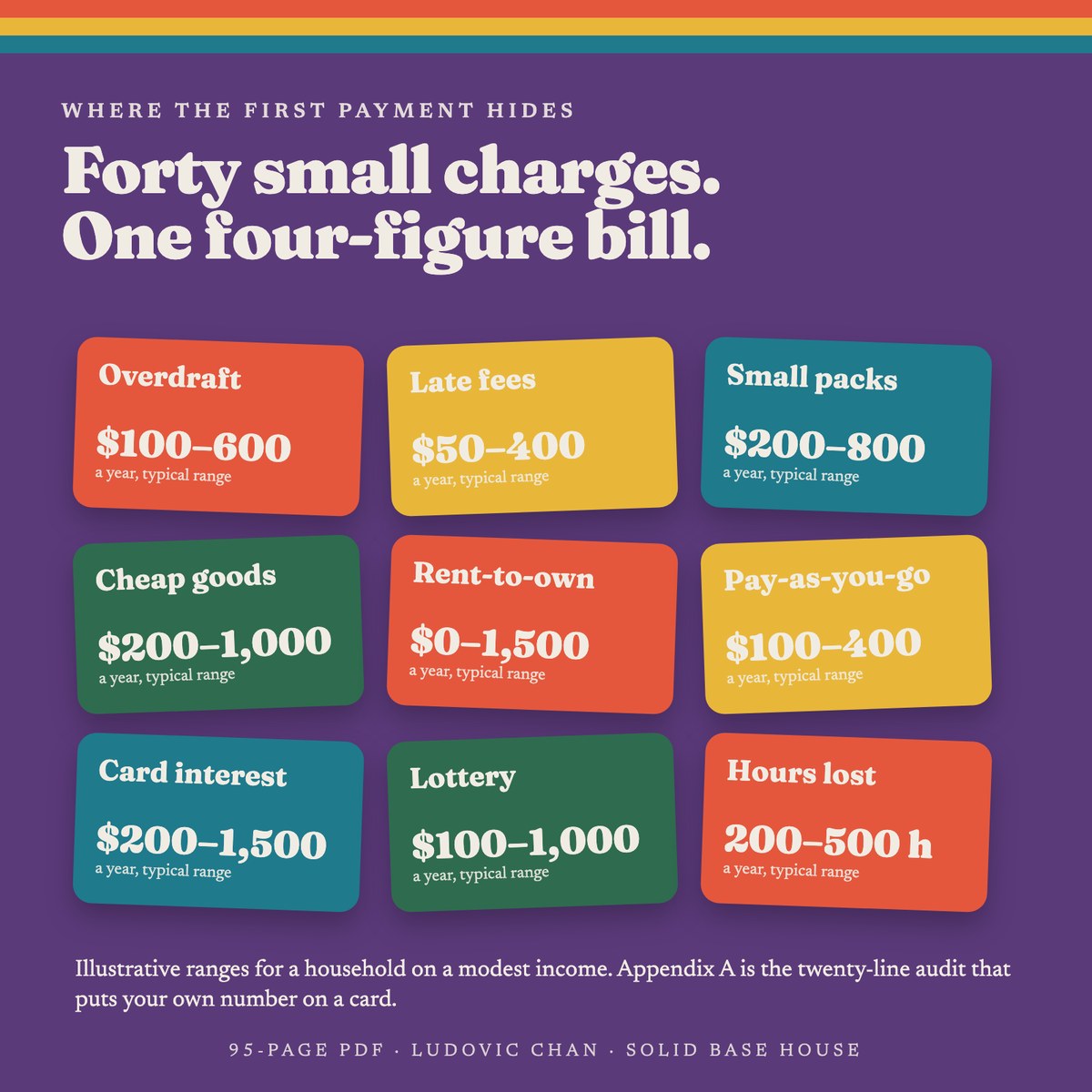
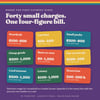
• Where the poverty premium hides: seven places it is charged and roughly what each costs a year (Chapter 1)
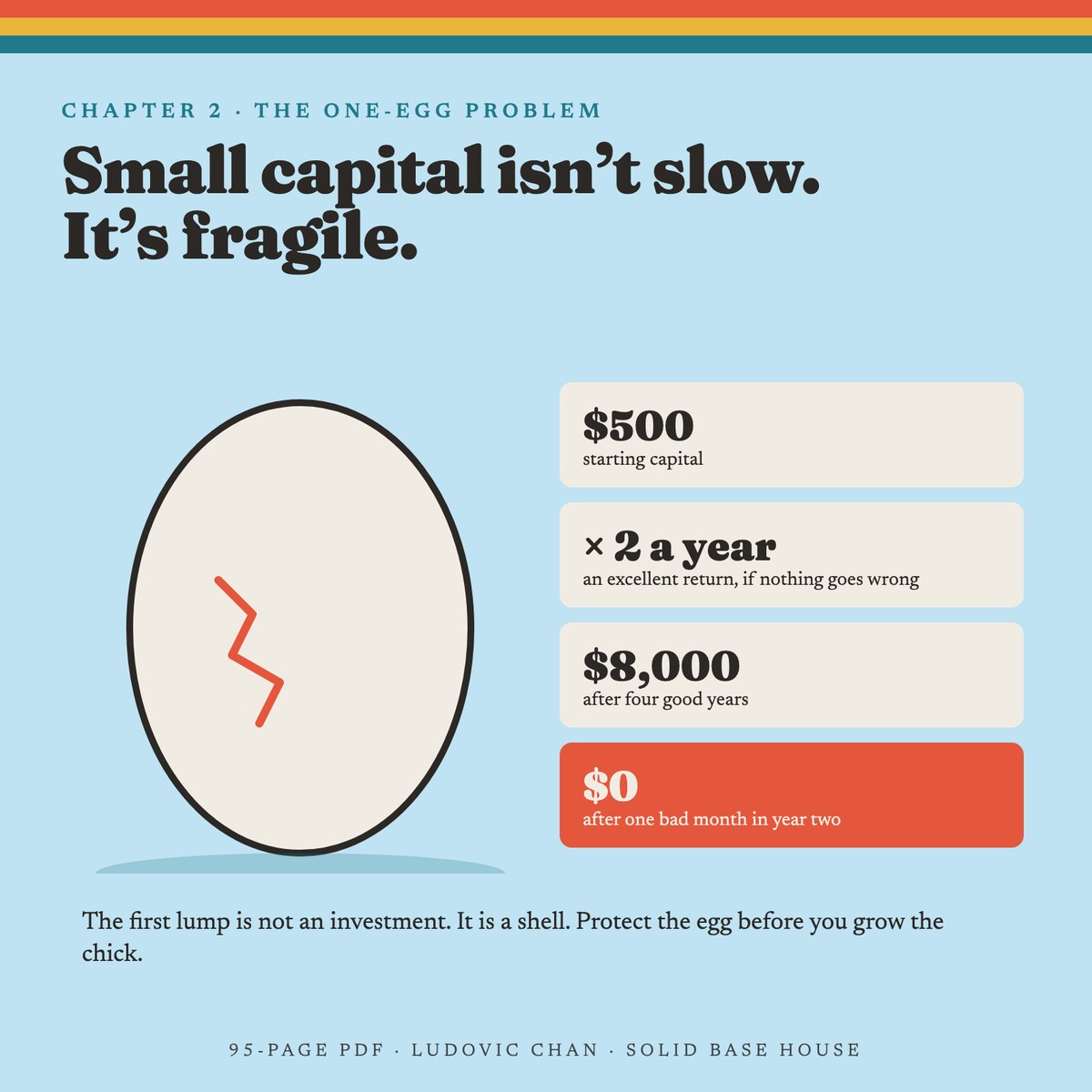
• The one-egg problem: why small capital is not slow but fragile, and what to do with your first lump (Chapter 2)
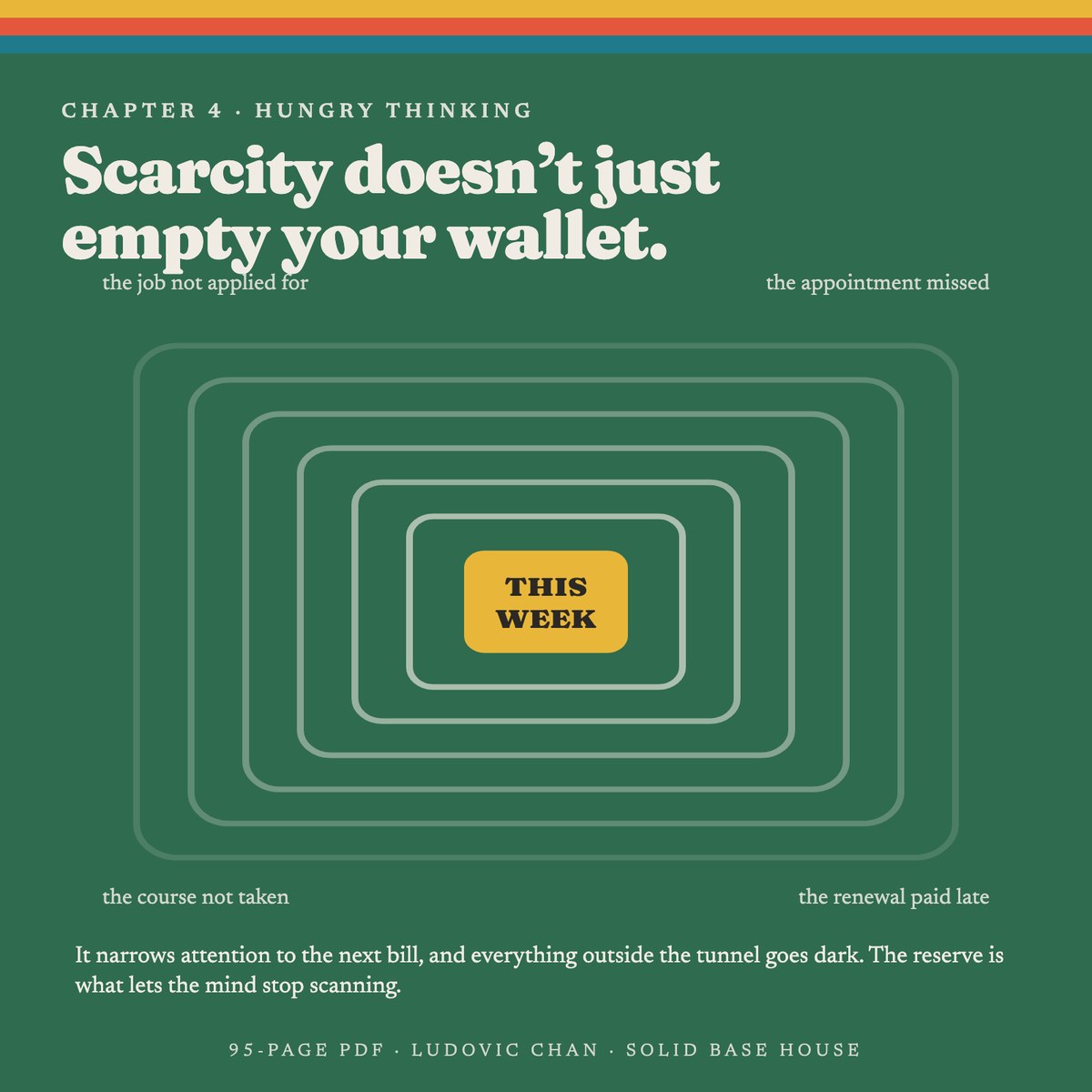
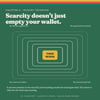
• Hungry thinking: how scarcity narrows the view, and three practices that open the hand (Chapter 4)
• The gratitude trap: the stable salary as a chicken rib, and why you should never thank anyone for investing in you (Chapter 5)
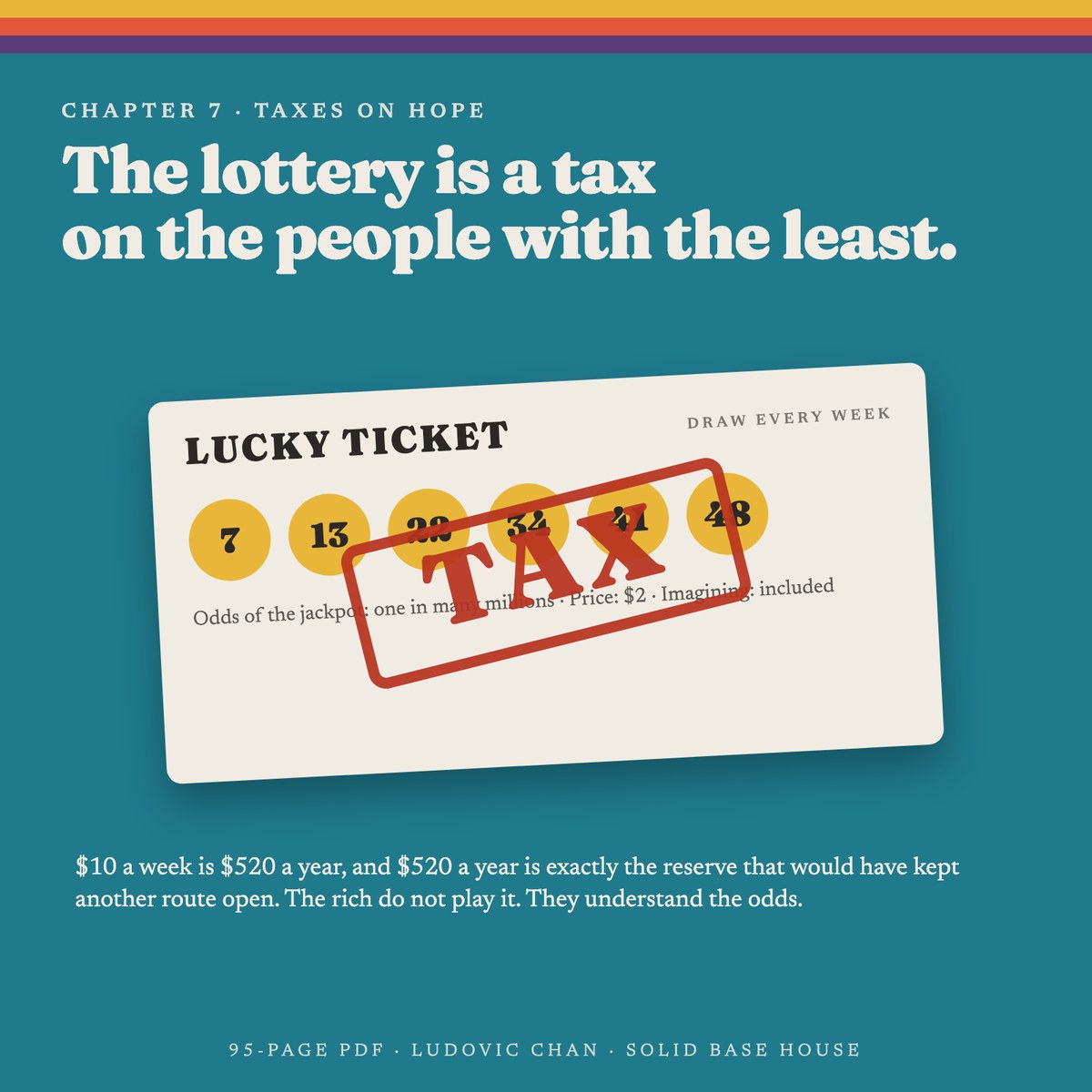
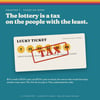
• The lottery and the thirty-percent scheme: how to recognise every tax on hope before you pay it (Chapter 7)
• Looking the part without spending on the surface: why capital flows to confidence (Chapter 9)
• The circle: why nobody ends up far from the people they listen to, and how to change it for free (Chapter 10)
• The rules the wealthy actually play by: control not labour, rules beat morals, money comes in waves, small needs make big business (Part IV)
• How to read the four documents that govern most of a life’s money, in four evenings (Chapter 21)
• The investment impulse: the 20%-for-40-years arithmetic, who actually loses, and the only investment where you know more than the market (Chapter 22)
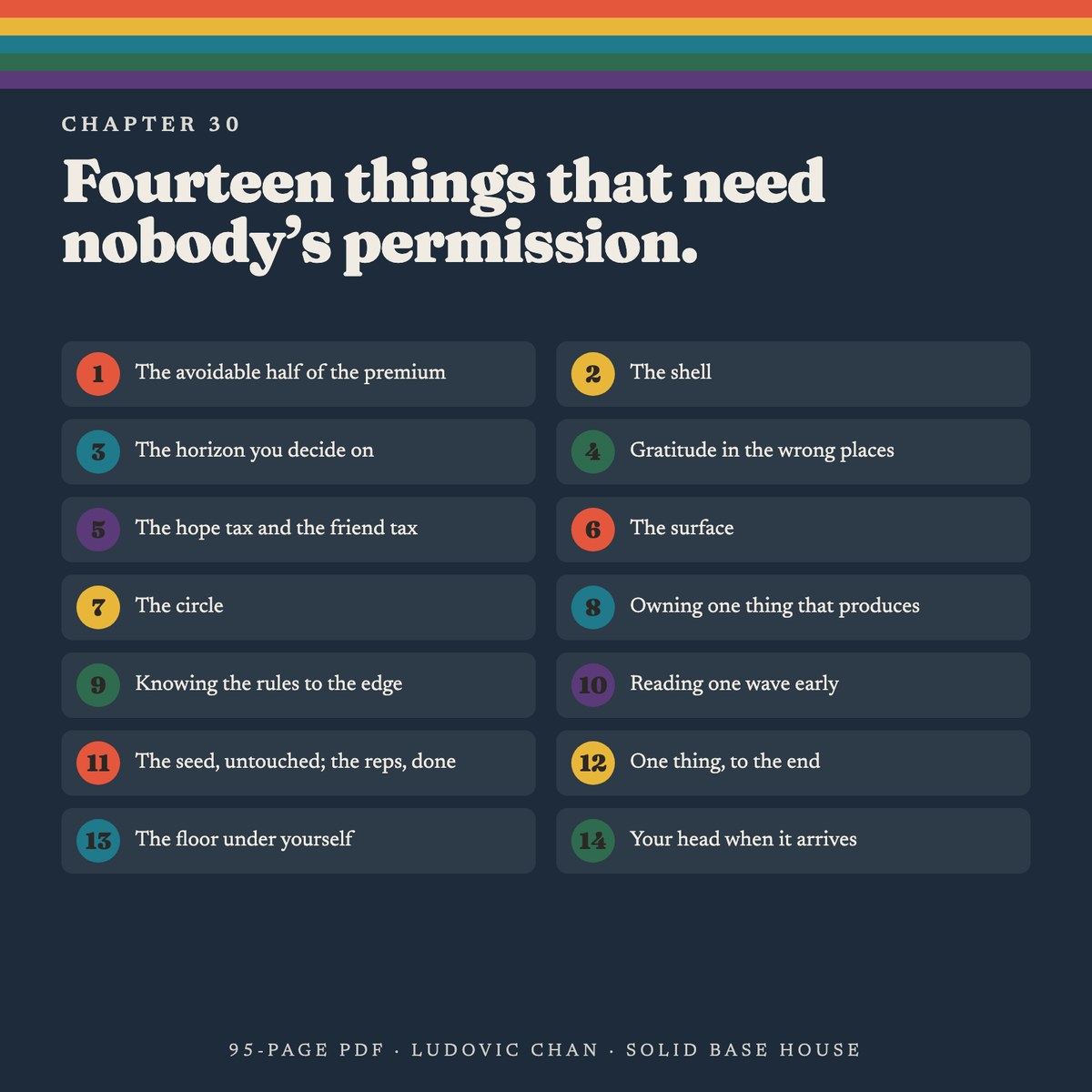
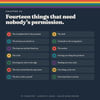
• Fourteen things entirely within your control, in the order to do them (Chapter 30)
READY TO USE
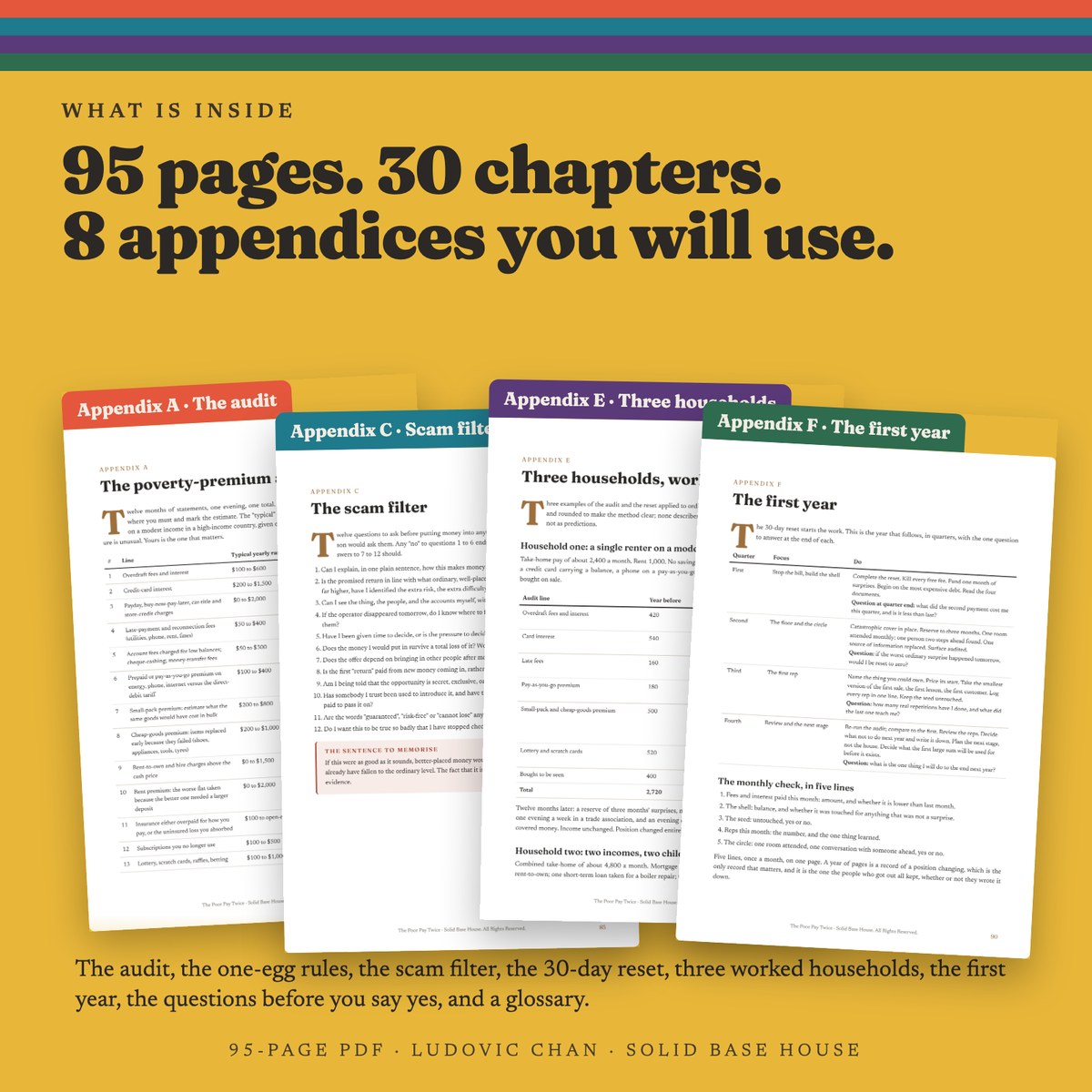
• Appendix A: the poverty-premium audit, twenty lines, one evening, one total
• Appendix B: the ten one-egg rules for small capital
• Appendix C: the scam filter, twelve questions to ask before putting money into anything
• Appendix D: the 30-day reset
• Appendix E: three households, worked, with before-and-after audit tables
• Appendix F: the first year, in quarters, with a five-line monthly check
• Appendix G: questions before you say yes to a job, a loan, a partner, or a contract
• Appendix H: glossary
NOT IN THIS BOOK
No blame, and no rage. The game is tilted and it is also learnable. The book describes the tilt plainly and then spends its pages on the part that is yours.
WHO IT IS FOR
Anyone who has ever paid a fee for having no money, and wants to stop: workers, renters, gig workers, first-time founders, and the people who have climbed one rung and want to know why the next one costs so much.
FORMAT
PDF ebook, A4, 95 pages, typeset to read on a tablet or print at home. Instant download. First edition, 2026.
GUARANTEE
If the book doesn’t show you at least one charge you can stop paying this month, reply to the delivery email within seven days and the price is refunded. Keep the PDF.