




Medial Epicondylopathy (Golfer’s Elbow) Patient Handout
Overcoming Medial Epicondylopathy: Evidence-Based Management Strategies
Managing medial epicondylopathy (commonly known as golfer’s elbow) effectively requires a transition from complete rest to structured, progressive loading. Current clinical guidelines emphasize that this condition is primarily a degenerative overuse tendinopathy rather than an inflammatory state, meaning the rehabilitation focus must center on restoring tendon capacity and load tolerance.
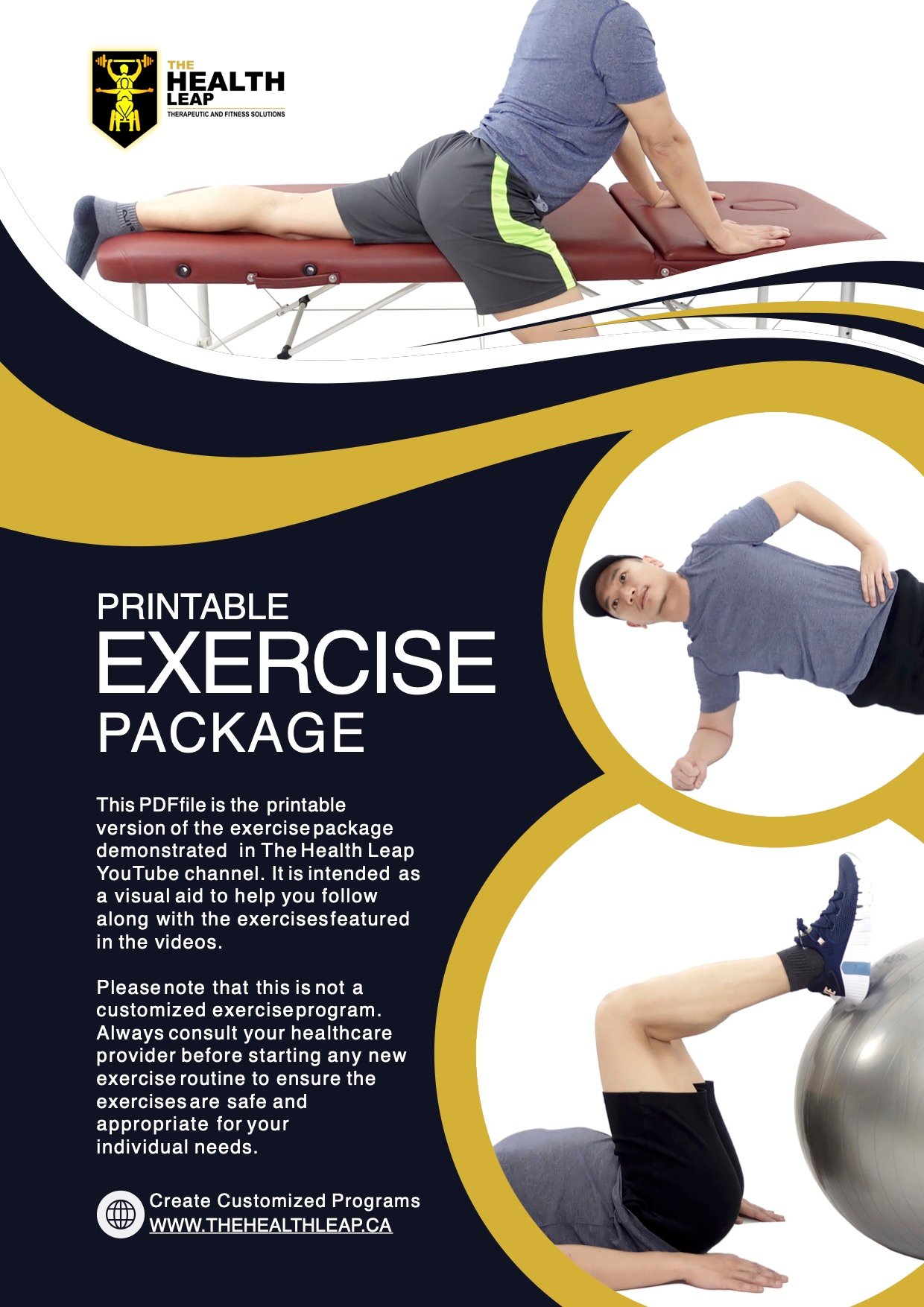
To assist clinicians and patients in tracking rehab protocols, The Health Leap has developed a comprehensive, printable reference guide. This digital package serves as a direct visual companion to the therapeutic movements demonstrated on our clinical education channels.
Key Features of the Clinical Guide:
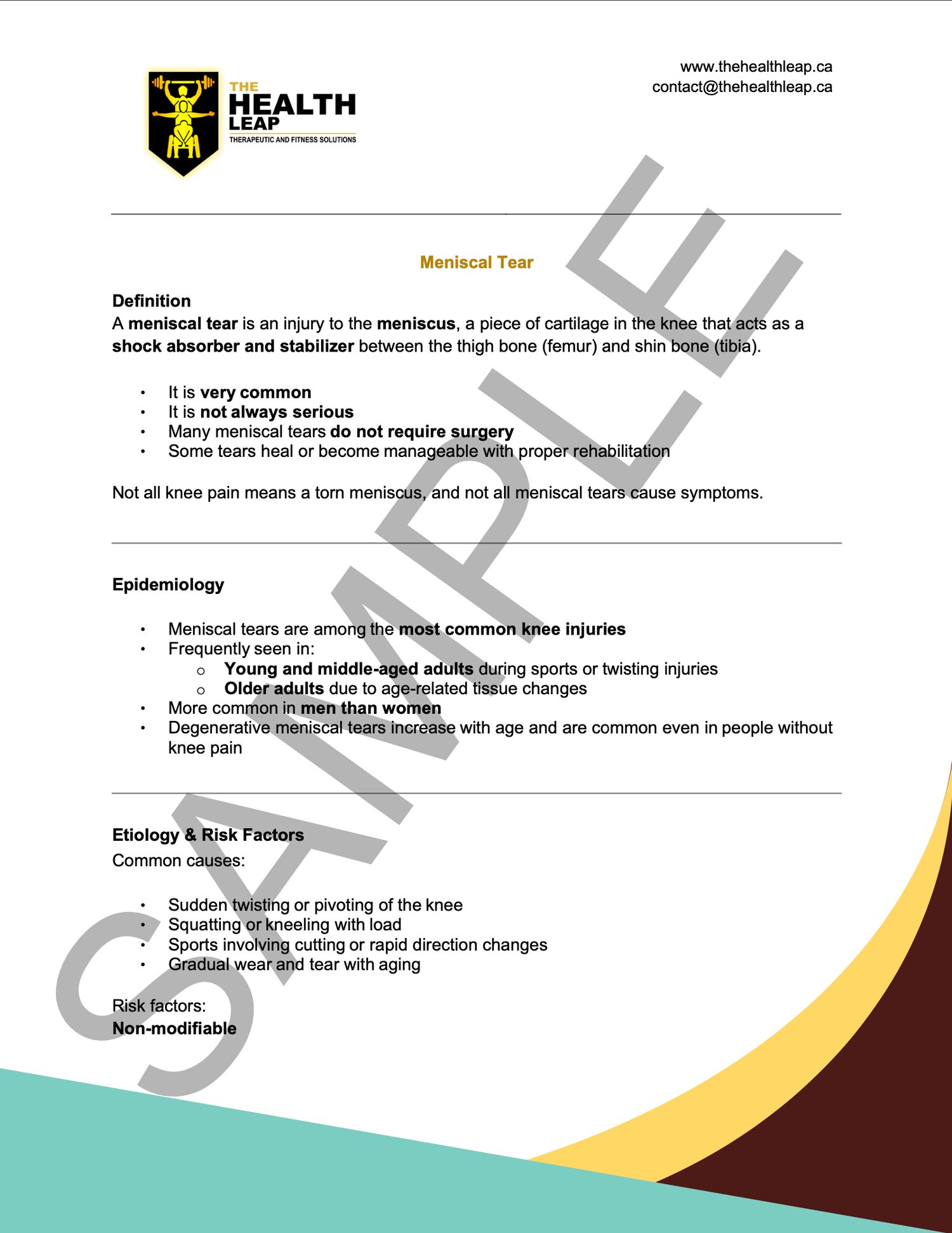
· Pathophysiology & Diagnostics: Educational overviews detailing epidemiology, etiology, and risk factors supported by modern physical therapy literature.
· Targeted Structural Stretches: Comprehensive instructions for both static wrist flexor and extensor variations to address regional muscle tension.
· Progressive Load Protocols: Step-by-step guides for isometric, eccentric, and resistance loading—including documented Flexbar, dumbbell, and resistance band adaptations.
· Kinetic Chain Conditioning: Multi-planar forearm pronation and supination protocols utilizing hammers and dowels to isolate and strengthen supporting musculature.
· Integrated Tracking Templates: Dedicated formatting sections under each exercise to prescribe and audit personalized repetitions, hold times, sets, and daily frequencies.
Access the Digital Exercise Package
· Product: The Health Leap Printable Exercise Package (Medial Epicondylopathy Guide)
· Format: Downloadable, high-resolution PDF document
Important Clinical Disclaimer
This document is intended strictly for general educational and demonstration purposes. It does not constitute a customized exercise prescription or individualized medical advice. Patients must present this guide to their primary healthcare provider or physical therapist to determine the safe parameters, appropriate resistance levels, and specific modifications required for their individual recovery needs.