

Catalog Uzuri
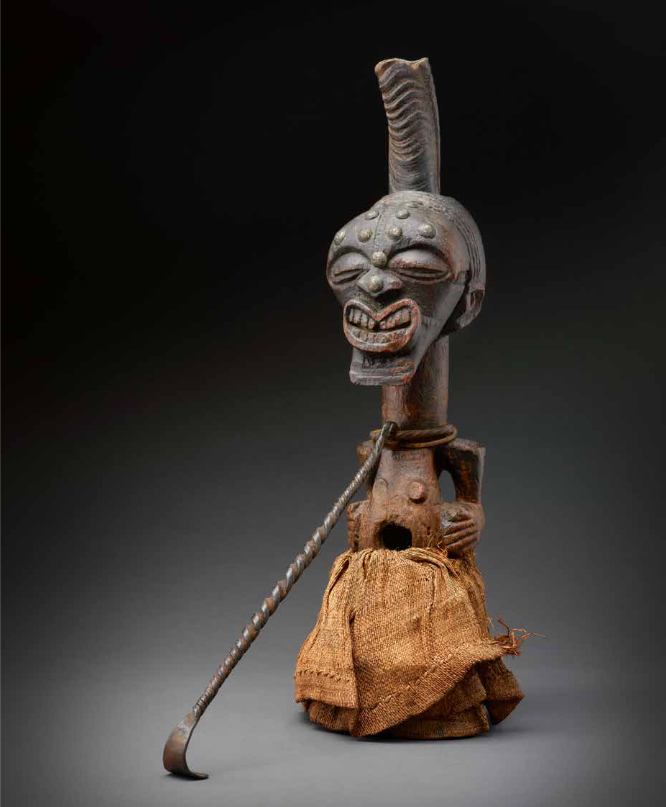
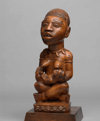
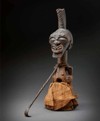
The "Uzuri Wa Dunia: Belgian Treasures" exhibition catalog, published in Brussels in 2015, has been directly linked to the documentation of stolen, missing, or colonial-era looted African art. Specifically, the Royal Museum for Central Africa (AfricaMuseum) in Tervuren officially tracks missing cultural artifacts—such as ivory figurines and anthropomorphous spoons from the Lega and Bembe peoples—noting their historical reappearance inside pages 110–111 of this exact catalog.
Overview of the Exhibition and Catalog
- The Exhibition: Organized in 2015 to celebrate the 25th anniversary of BRUNEAF (Brussels Non-European Art Fair).
- The Concept: Translating from Swahili as "Beauty of the World," the showcase celebrated Belgium as a premier "land of private collectors".
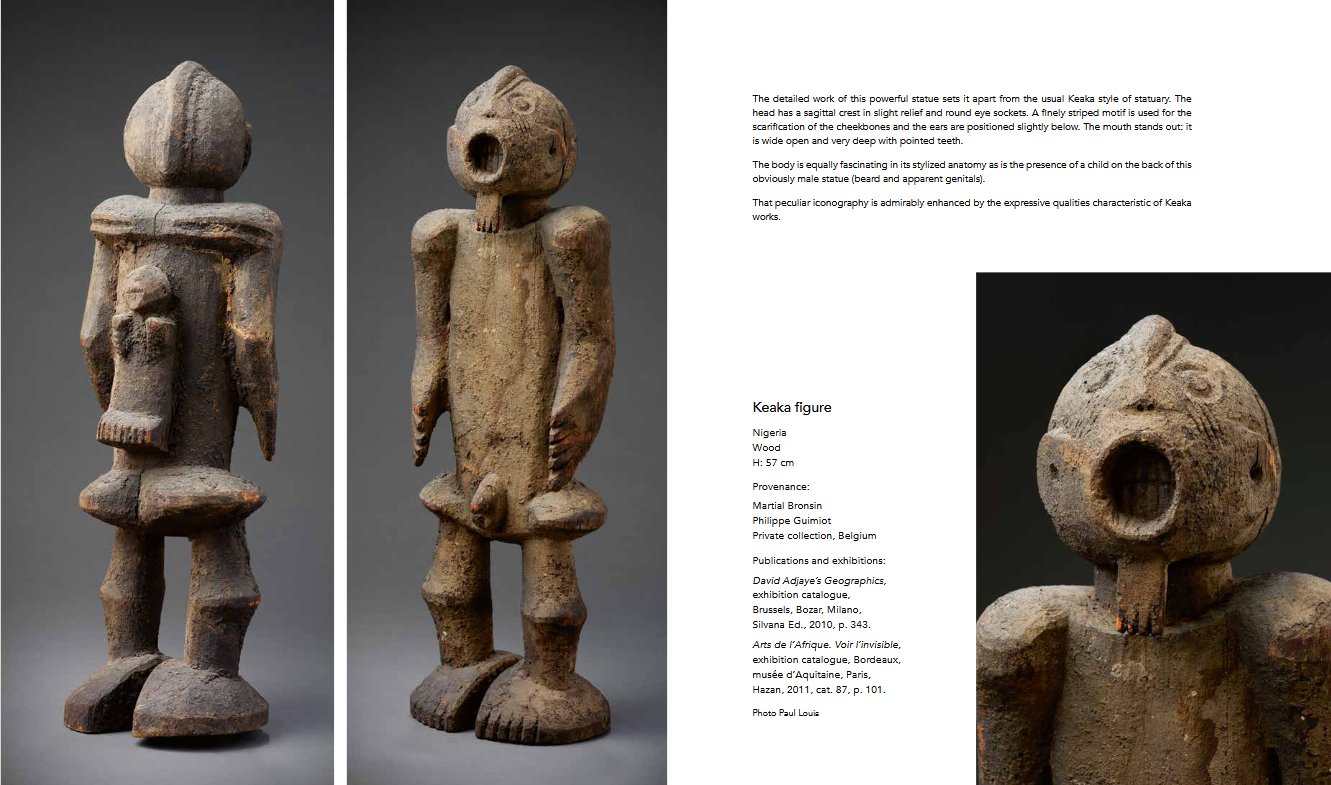
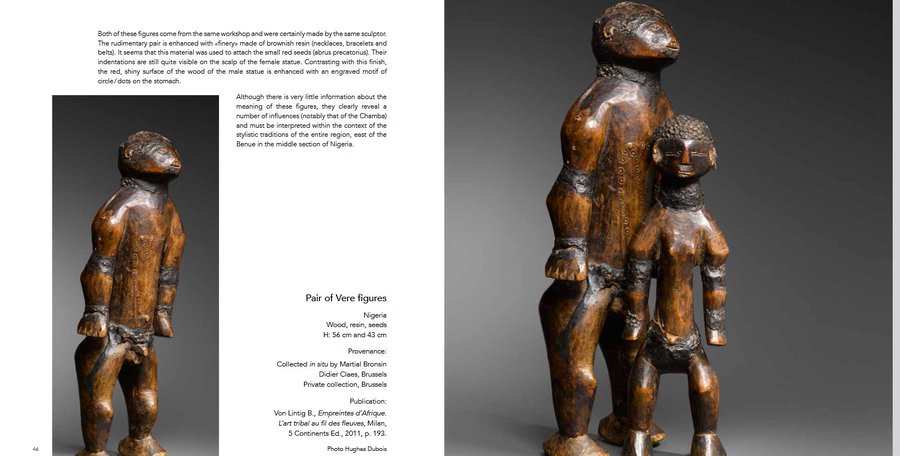
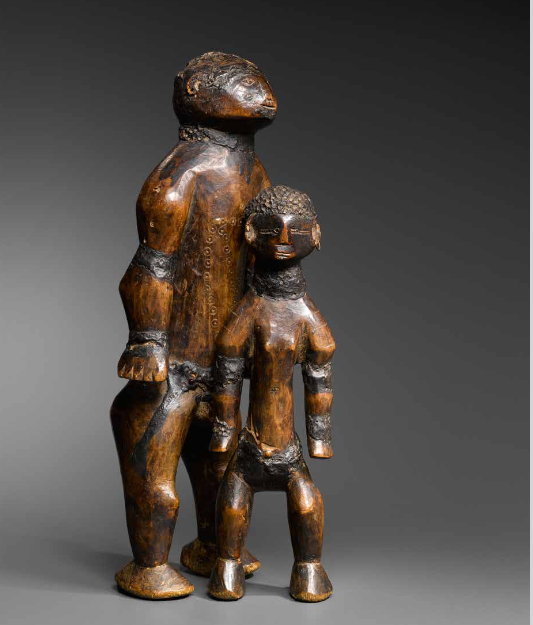
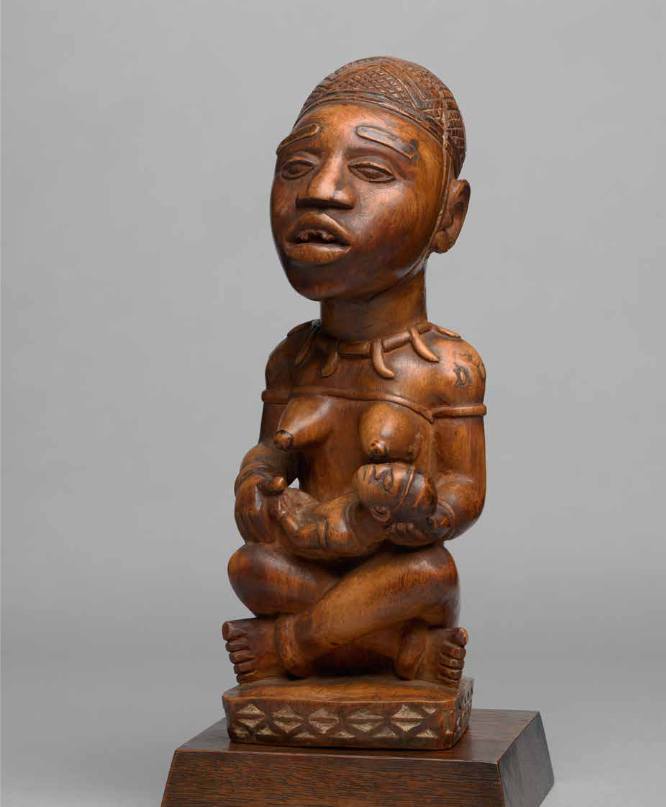
- The Artifacts: It featured 100 high-profile tribal masterpieces—mostly from the Democratic Republic of the Congo (DRC)—that passed through early colonial dealers and private hands.
Specific Looted or Missing Items Tracked
The intersection between the Uzuri Wa Dunia catalog and stolen art involves two distinct tracking scenarios:
- Officially Reported Stolen Museum Objects
- The AfricaMuseum's Stolen Objects Registry explicitly references the Uzuri Wa Dunia catalog to document the illicit circulation of its missing property. Unscrupulous private networks occasionally showcase these stolen museum goods in public exhibitions. Examples include:
- EO.1955.3.103: An ivory cephaloid figurine originating from the Lega or Bembe cultures.
- EO.1955.3.108: An ivory anthropomorphous spoon crafted by the Lega people.
- The "Unclear Provenance" of Private Treasures
- The catalog highlights major "discoveries" prized by Belgian collectors, such as an extraordinary ivory Lega mask kept hidden by a family for over a century before transitioning to a private collection. Historically, up to 80% of Central African artifacts held in Belgian private and public networks were acquired under duress, colonial exploitation, or violent military raids between the late 19th century and 1960. [1, 3, 4]
The Broader Restitution Context
The tracking of items in catalogs like Uzuri Wa Dunia coincides with sweeping policy shifts:
- The Restitution Law: Belgium enacted a legal framework allowing the transfer of legal ownership back to the DRC, Rwanda, and Burundi for items proven to be acquired through violence or colonial theft.
- The Inventory Initiative: The government provided an extensive inventory covering more than 120,000 colonial-era artifacts to determine which pieces require immediate legal restitution. [1, 2, 3, 4]
- If you are looking for information on a particular object featured in this catalog, please describe its material (e.g., ivory, wood), its cultural origin (e.g., Lega, Songye, Kongo), or any specific page or registration numbers you are trying to verify.