

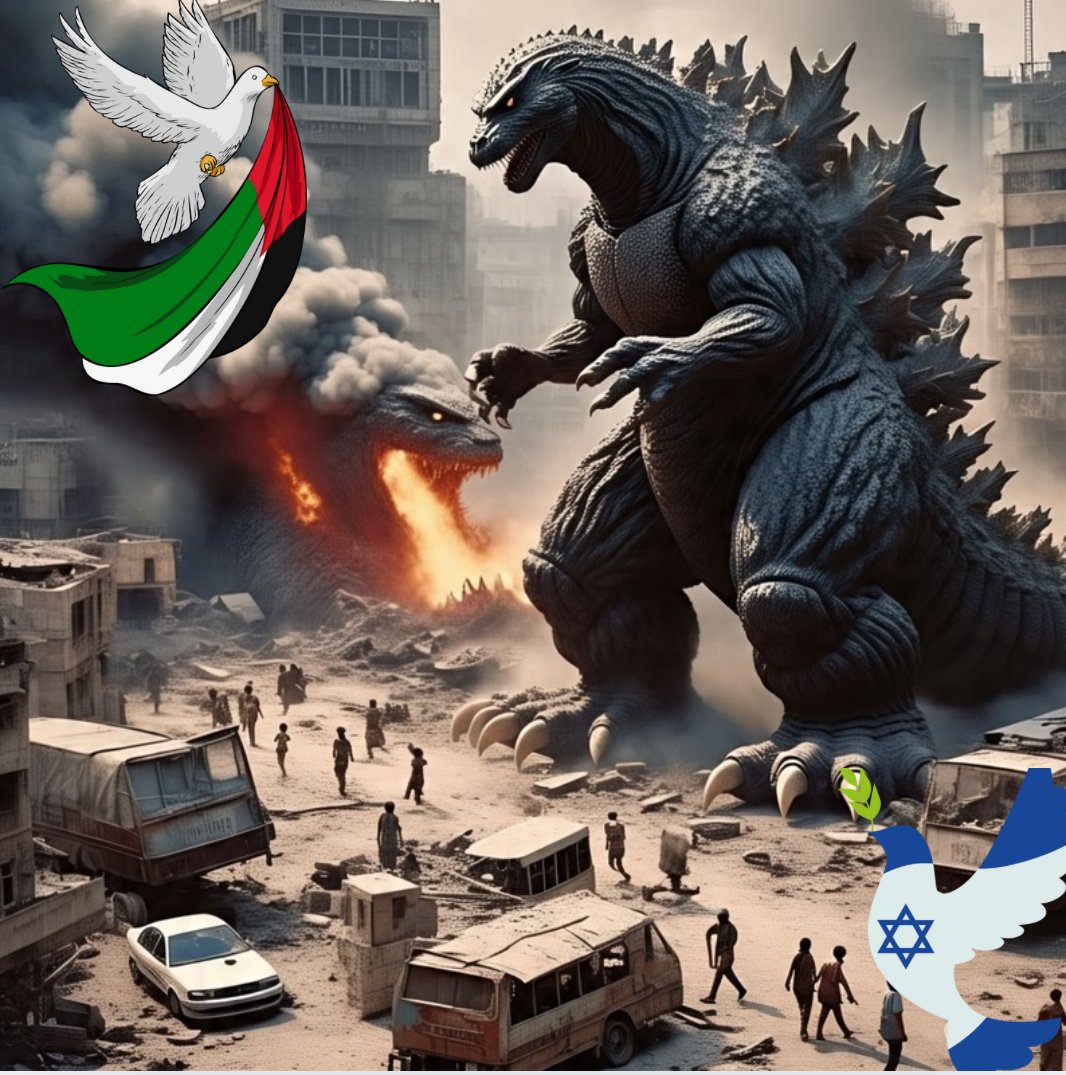
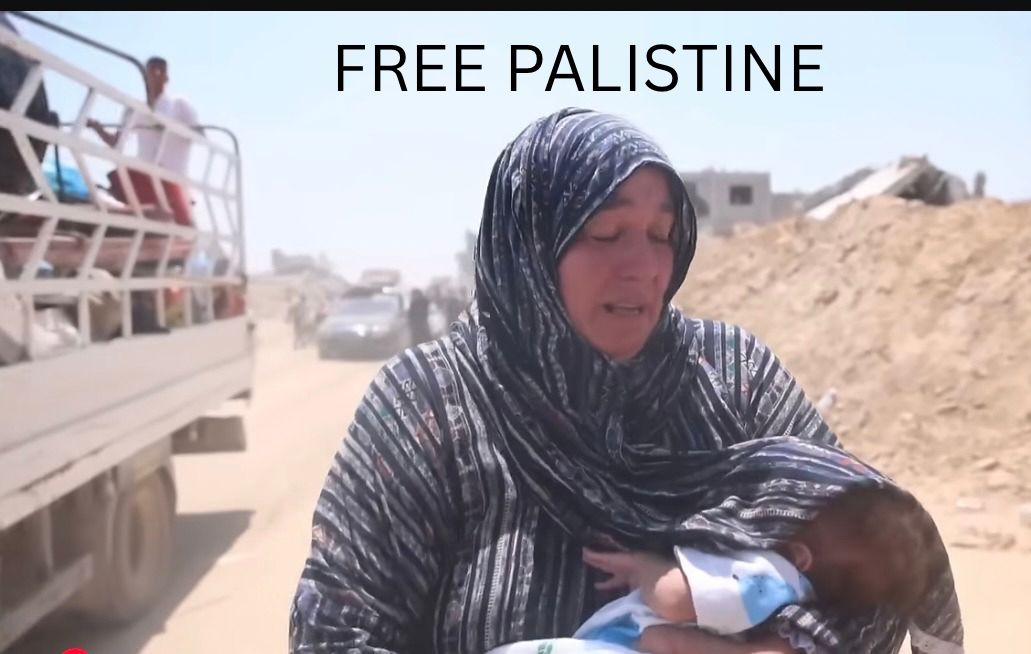



So Sorry Gaza
### **Song Description: "Never Again Means Never Right Now"**
**(Protest Anthem / Mournful Ballad)**
This harrowing, TopTier-produced track merges visceral lyricism with haunting minimalism to confront global apathy toward genocide and systemic violence. The lyrics weaponize the phrase "never again"—a slogan born from Holocaust remembrance —to expose its hollow repetition in a world that permits atrocities to recur "again and again" . The song’s structure oscillates between raw lament and furious indictment, mirroring the duality of grief and resistance.
#### **Key Themes & Context:**
1. **"Never Again" as a Betrayed Promise:**
The chorus and bridge directly challenge the international community’s failure to uphold the Genocide Convention, referencing real-world inaction (e.g., warrants ignored at The Hague, "ceasefire" cameras leaving). This echoes critiques of "never again" becoming an "empty cliché" amid ongoing violence . The line *"They toast to ‘never again’"* underscores the hypocrisy of political performativity.
2. **Childhood as Collateral Damage:**
Images of "starving babies," "laughter’s a ghost in the dust," and "14,000 babies" (bridge) force listeners to confront the human cost of war. The spoken bridge—*"How many more?"*—evokes contemporary conflicts where children comprise a majority of casualties, transforming statistics into sacred grief.
3. **Complicity in Violence:**
Verse 2’s *"They feast on your hunger, your pain / Call it ‘war’—but we know it’s a crime"* condemns the economic and political systems that profit from suffering. The final chorus’s metaphor (*"the world sells the rope for your noose"*) indicts arms traders and policymakers enabling oppression .
4. **From Mourning to Mobilization:**
The climactic shift from "I’m sorry" to *"we won’t let you drown"* reframes passive guilt as collective action. The title line *"Never again means never right now"* reclaims the slogan’s original urgency, demanding intervention instead of memorialization .
#### **TopTier Production Elements:**
- **Instrumental Atmosphere:** Distorted sirens and a solitary piano note (fade-out) create a soundscape of desolation, mirroring Roberta Flack’s "Tryin’ Times" in its call for accountability amid chaos .
- **Dynamic Contrast:** The sparse, spoken bridge (over silence) amplifies the weight of 14,000 deaths, while the chorus swells with harmonic tension, evoking Nick Cave’s grief-stricken crescendos in "Wild God" .
- **Cinematic Nuance:** The "confetti" bombs metaphor juxtaposes celebration with destruction—a sonic metaphor for the normalization of violence.
#### **Cultural Resonance:**
In an era where "political madness" dominates discourse , this song rejects numbness. It channels Gracie Abrams’ lyrical precision ("I stare at the crash, it actually works" ) but swaps introspection for collective outcry. As a TopTier production, it balances poetic brutality with melodic accessibility—ensuring its message lingers long after the final note.