


How 200,000 Tons Stops: The Hard Physics of Maritime Crash Maneuvers
On Sale
$8.99
$8.99
THE 220,000-TON STOPPING PROBLEM
Why Giant Container Ships Have No Brakes—And How Fluid Physics Prevents Catastrophe
"Stopping a 220,000-ton cargo vessel isn't like stepping on a brake pedal. It's an extended, high-stakes negotiation with fluid dynamics over miles of open ocean."
Imagine piloting a machine that weighs over 220,000,000 kilograms at a cruising speed of 22 knots. Suddenly, an emergency obstacle appears in the channel ahead.
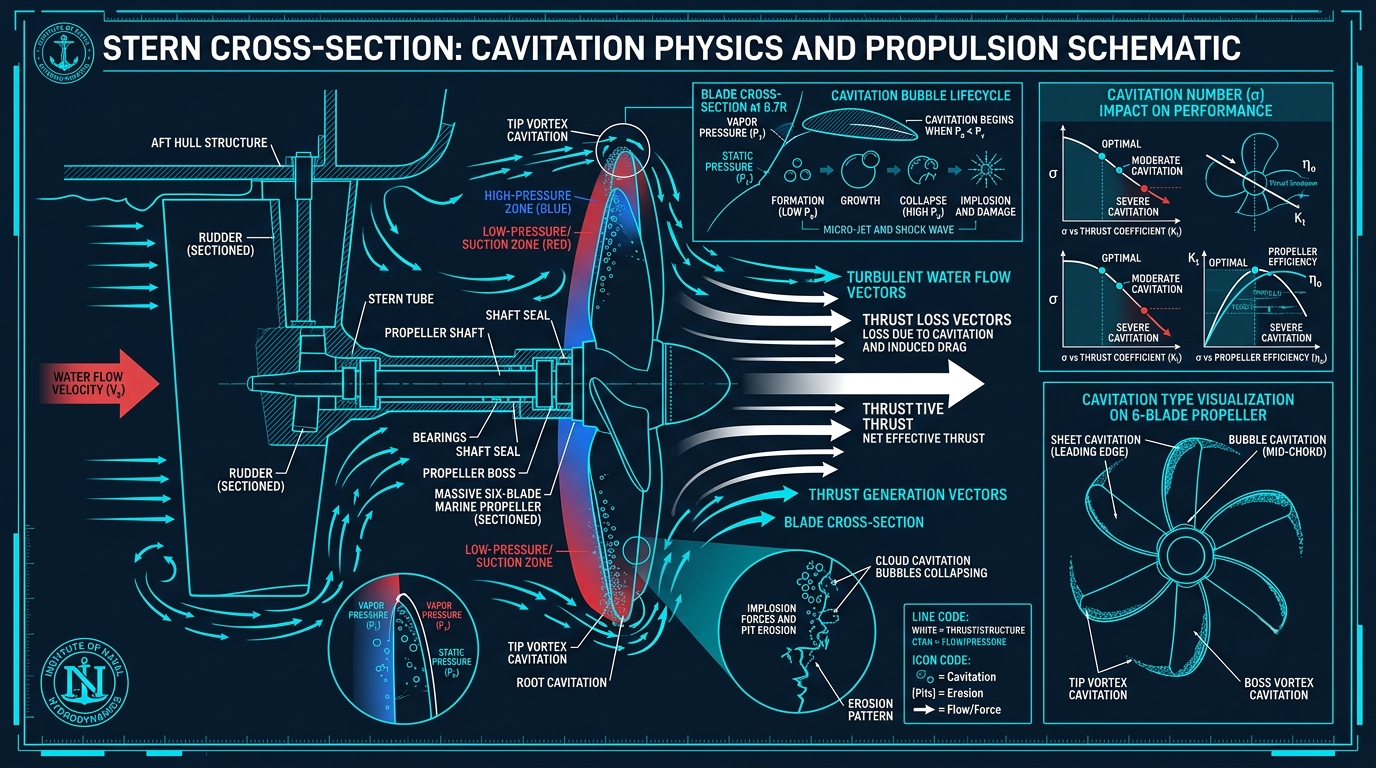
You throw the engine into maximum reverse—only to discover that your propeller loses 60% of its thrust, your rudder stops responding, and fluid drag drops off exponentially as you slow down.
How do marine captains and harbor pilots maneuver hundreds of thousands of tons of steel through tight waterways without losing control?
In this comprehensive AetherisX Technical Masterclass, we break down the hidden fluid dynamics, thermodynamic limits, and vector mechanics that govern the largest moving structures on Earth.
🔬 What You'll Discover Inside
1. The Physics of Hydrodynamic Decay
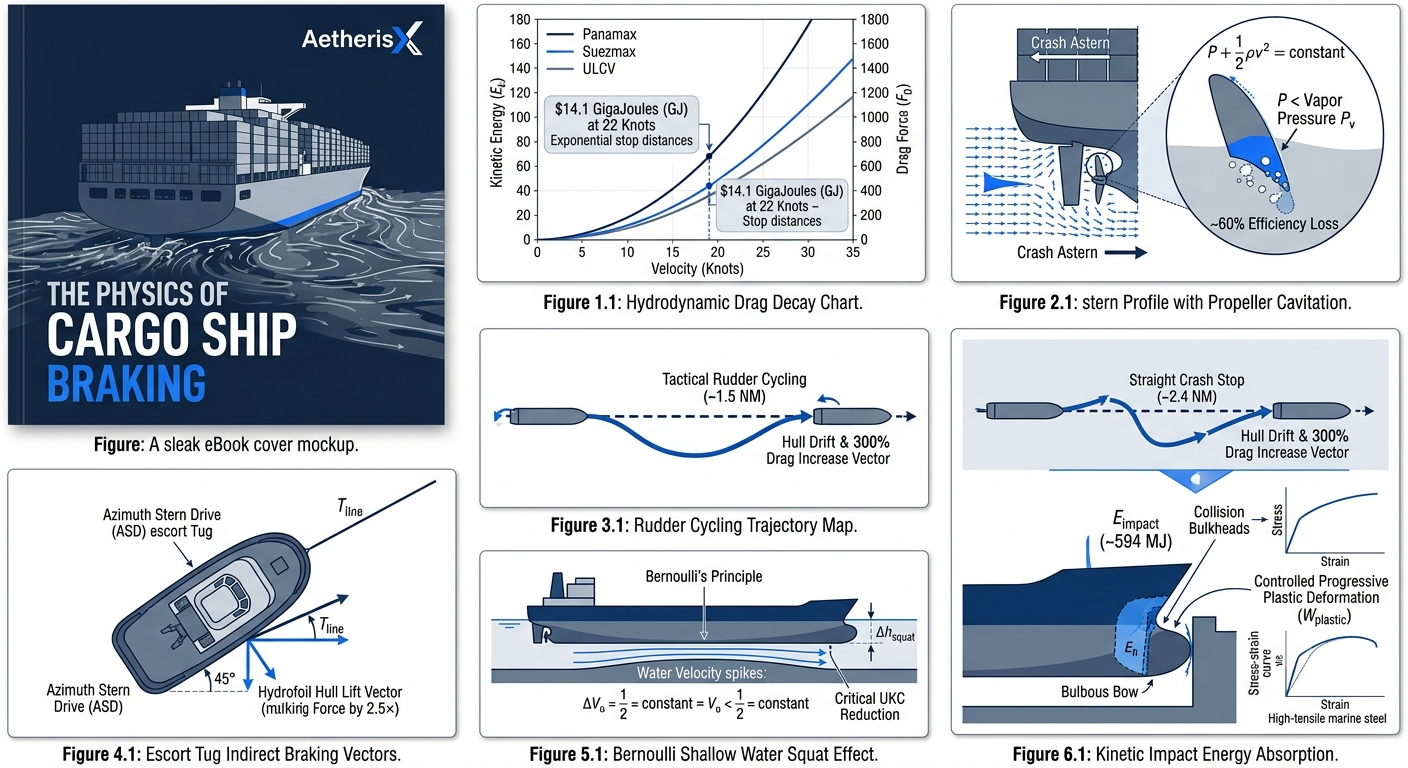
- Why 14.1GigaJoules of kinetic energy cannot be stopped quickly.
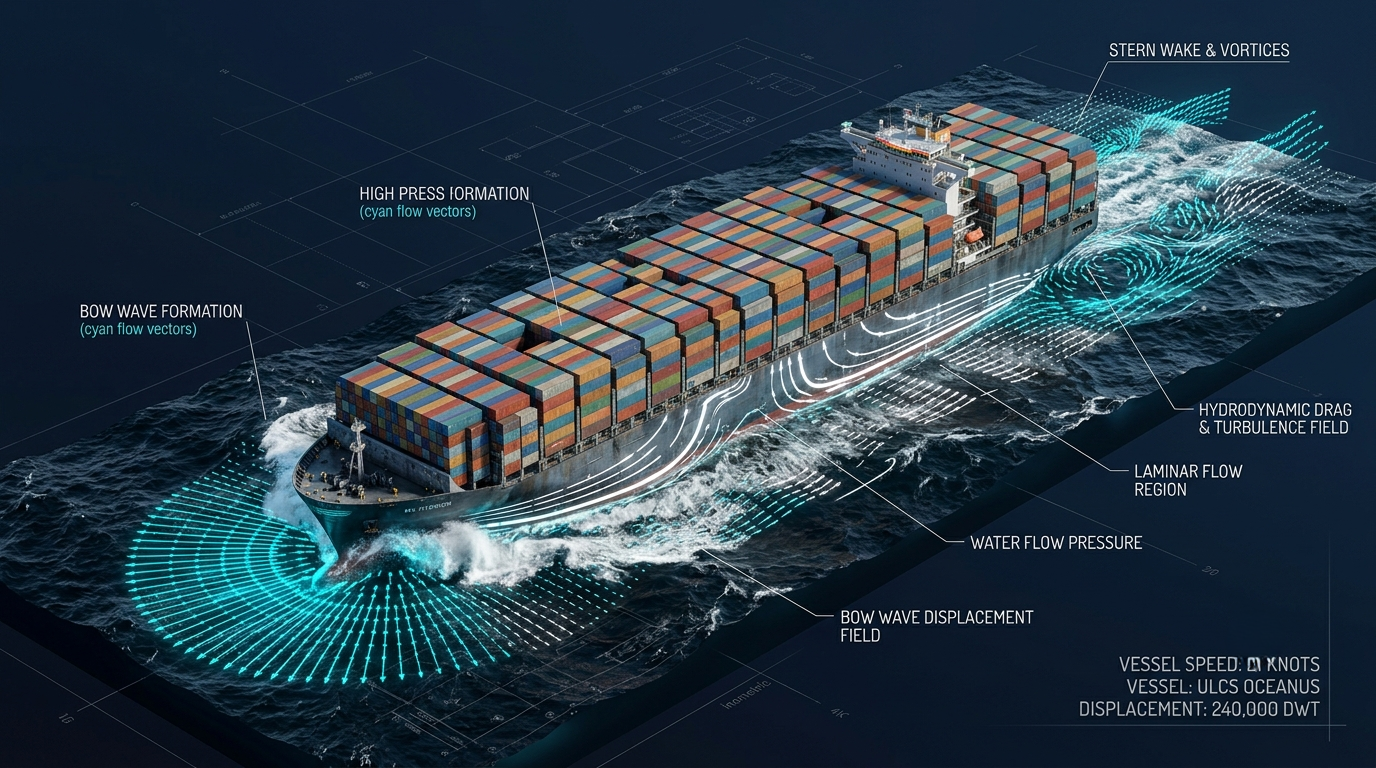
- How quadratic fluid drag creates a deceptive "slowdown curve" that stretches stopping distances over 8.5 nautical miles.
- Real-world comparison matrices across Panamax, Suezmax, and ULCV vessel classes.
2. The Cavitation Trap ("Crash Astern")
- The internal physics of reversing massive two-stroke marine diesel engines.
- Why fluid pressure drops below seawater's vapor pressure, turning water into imploding vapor bubbles that destroy reverse thrust efficiency.
- The physical reason reverse wash causes a complete loss of rudder steering authority.
3. Tactical Underwater Airbrakes
- The geometry of S-curve Rudder Cycling—how broadside rudder weaving spikes hull resistance by 300% and slashes stopping distance by 35%.
- The structural stress limits and brake band failure points of emergency anchor dredging
4. Escort Tug Vector Mechanics
- Why direct pulling fails at high speeds—and how Indirect Escort Towing works.
- How ASD escort tugs turn sideways relative to towlines, using their hull like an underwater hydrofoil wing to generate braking forces 2.5 times greater than their engine rating
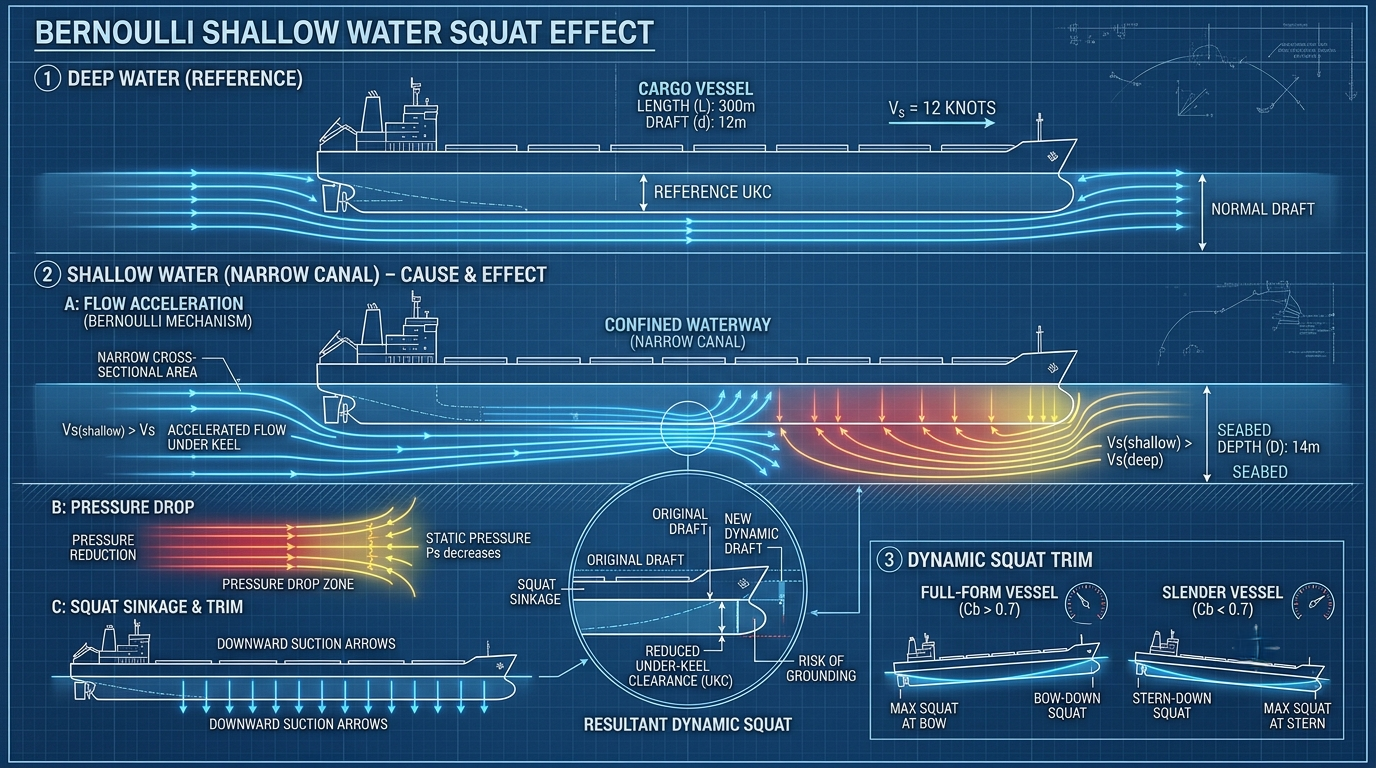
5. Shallow Water Squat & Channel Physics
- How Bernoulli pressure drops under restricted keels suck massive ships deeper into the seabed .
- The Depth Froude Number spike, blockage ratios , and the dangerous bank suction effect in narrow canals.
6. Structural Collision & Kinetic Energy Dissipation
- Calculating Hydrodynamic Added Mass ma—why surrounding seawater adds 10% to 40% more effective mass during an impact.
- The plastic deformation equations behind how modern bulbous bows buckle progressively to absorb hundreds of MegaJoules of impact energy.
📊 Technical Specifications
- Publisher: AetherisX Engineering Press
- Format: Digital PDF (Optimized for desktop, tablet, and high-res printing)
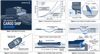
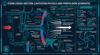
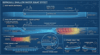
- Visuals: High-contrast vector schematics, S-curve trajectories, and flow field diagrams
- Equations: Full physics derivations, variable breakdowns, and empirical engineering data
🎯 Who Is This eBook Built For?
- Engineering & Physics Enthusiasts: Anyone fascinated by fluid mechanics, structural strain limits, and real-world applied math.
- 3D Animators & Visual Creators: Perfect reference material for producing accurate technical visualizations and breakdown videos.
- Maritime & Machinery Fans: Deep-dive knowledge for those who want to understand the exact science behind bridge collisions and harbor navigation.