








The Architecture of the Pitch: The Cognitive Ergonomics and Behavioral Architecture of Venture Financing
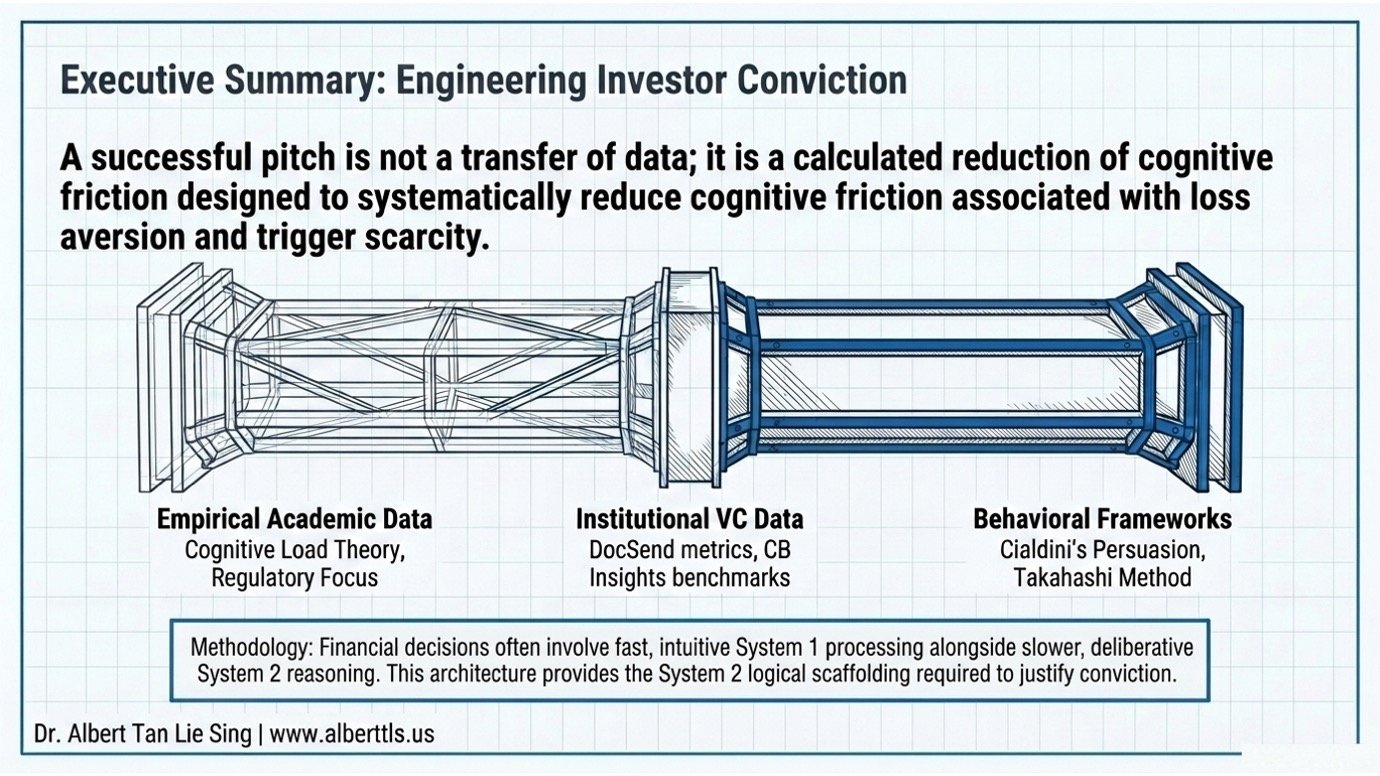
The Architecture of the Pitch is a visual field guide to the cognitive, behavioral, and economic architecture behind effective venture financing. Rather than treating a pitch as a collection of slides, the publication examines how investors process information, evaluate uncertainty, interpret traction, assess market opportunity, and respond to risk. Drawing on cognitive load theory, behavioral decision research, venture-capital evidence, market architecture, unit economics, regulatory focus, anchoring, scarcity, defensibility, and real-world startup cases, Dr. Albert Tan Lie Sing develops a practical framework for reducing cognitive friction while strengthening analytical clarity. The guide covers investor decision architecture, bottom-up market sizing, go-to-market evidence, capital efficiency, defensibility, founder signaling, risk communication, fundraising asks, and category reframing. Designed for founders, innovators, researchers, consultants, startup teams, educators, and professionals working with venture-backed technology, this concise visual publication offers a more disciplined way to think about pitching: not as persuasion through presentation alone, but as the engineering of understandable, auditable, and credible investment narratives.
What readers will learn:
- How cognitive load, anchoring, scarcity, framing, and loss aversion can influence investor evaluation.
- How to reduce unnecessary cognitive friction without oversimplifying the underlying business or technology.
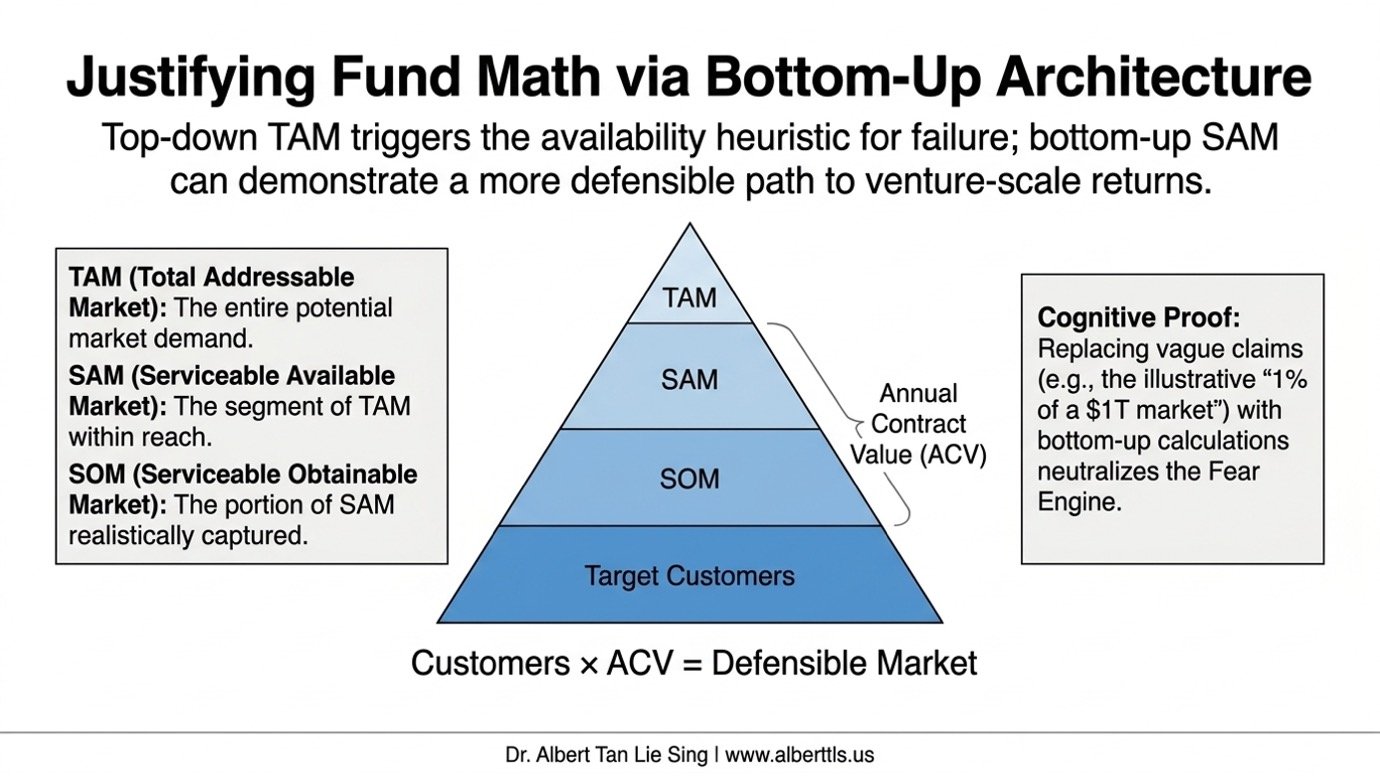
- How to replace vague top-down market claims with more defensible bottom-up TAM, SAM, and SOM reasoning.
- How to communicate traction through meaningful metrics rather than qualitative assertions.
- How to connect product architecture, customer acquisition, monetization, and capital requirements into one coherent economic narrative.
- How to present defensibility through proprietary assets, network effects, data advantages, and competitive positioning.
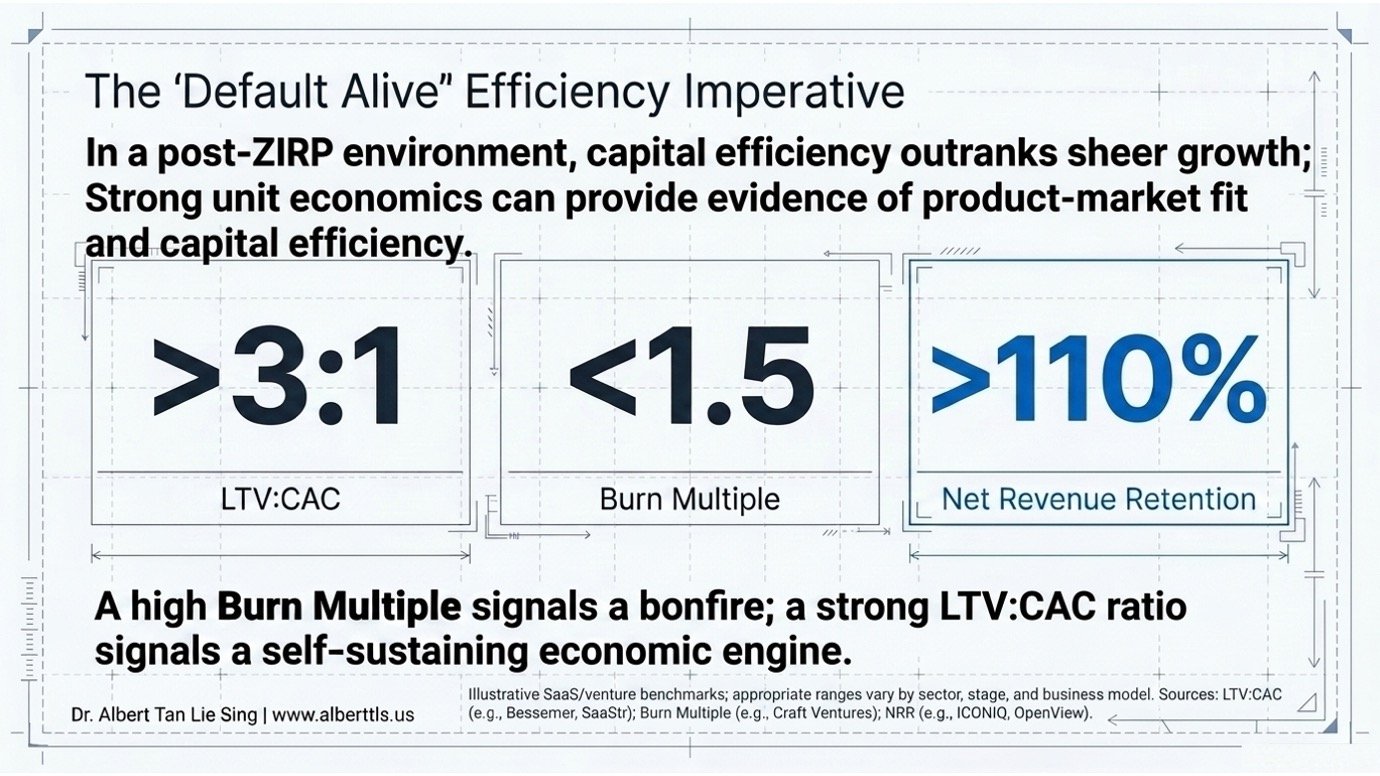
- How to interpret capital-efficiency indicators such as LTV: CAC, burn multiple, and net revenue retention without treating benchmarks as universal rules.
- How founder signaling, coachability, authority, and risk communication affect investor perception.
- How to respond to prevention-focused questions while maintaining an evidence-based growth narrative.
- How to structure the funding ask around milestones, timelines, and measurable uses of capital.
- How category reframing can reveal a larger opportunity without turning market expansion into unsupported hype.
- How to distinguish persuasive clarity from psychological manipulation and evidence from mere presentation.