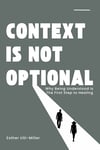




Context Is Not Optional : Why Being Understood Is The first Step to Healing
Many people seek help not because they lack insight, effort, or resilience, but because something in their lives no longer makes sense within the explanations they have been given.
Context Is Not Optional is a reflective, deeply human exploration of what happens when healing is approached without full understanding of culture, faith, family, responsibility, and survival. It speaks to those who have felt unseen or misunderstood in spaces meant to support them, as well as to practitioners who sense that care loses its power when context is overlooked.
Rather than offering techniques, diagnoses, or step-by-step solutions, this book slows the conversation down. It names the quiet costs of being misunderstood: the exhaustion of self-translation, the burden of being “the strong one,” the moral tension around boundaries and rest, the grief of migration that has no single object, and the loneliness of carrying responsibility without language or relief.
Written from lived experience and careful listening, Context Is Not Optional explores how misunderstanding becomes internalised over time, shaping how people relate to themselves, their faith, their families, and their work. It examines the ways survival strategies are often mistaken for dysfunction, how loyalty can be misread as resistance, and how productivity can continue long after vitality has faded.
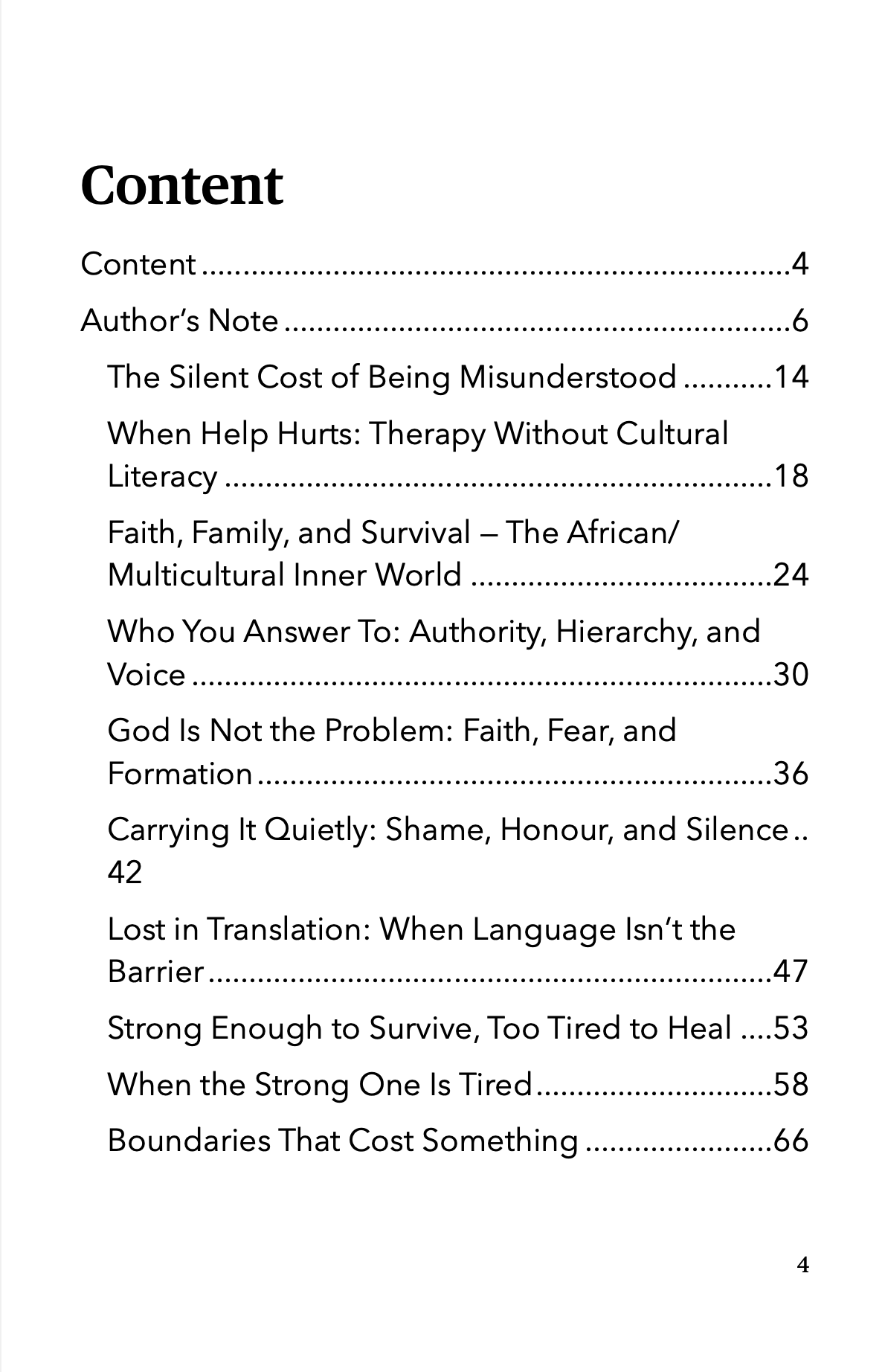
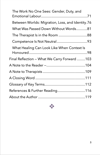
The book unfolds in three parts. The first names the harm that occurs when care is offered without cultural awareness. The second explores the invisible weight many people carry as a result. The third turns toward what healing can look like when understanding, humility, and context are honoured—not as an add-on, but as foundational.
This is a book for readers who want language for experiences they have carried quietly, and reassurance that healing does not require self-erasure. It is also a book for therapists, coaches, and care-givers who want to practise with greater attentiveness, ethical responsibility, and respect for the worlds people come from.
Context Is Not Optional does not reject therapy, growth, or productivity. Instead, it calls for approaches that listen more carefully, move more slowly, and recognise that understanding is not indulgent—it is essential.
For anyone navigating change, responsibility, faith, identity, or fatigue, this book offers recognition, clarity, and a different starting point: one that honours the whole story