


Administrative Law — NCA Complete Notes Bundle
Pass your NCA Administrative Law exam on the first attempt.
Kartik passed Administrative Law with one week to prepare using the exact materials inside this bundle.
The NCA Administrative Law exam gives you three hours, an open book, and a fact pattern you have never seen before. Your job is to identify every issue in play, state the correct legal test with the correct authority, apply it to the facts step by step, and reach a reasoned conclusion — for each issue, under time pressure, with everything you brought sitting uselessly in front of you.
Most candidates fail because they cannot navigate fast enough. They know the law. They cannot find it when it counts.
There is also a structural trap. Administrative law has two layers, procedural fairness and substantive review, and both can be in play in the same question. Missing one layer costs you half the marks on that question. The NCA examiners mark for it explicitly.
These notes fix both problems.
WHAT IS IN THE BUNDLE
3 PDFs. Instant download after purchase.
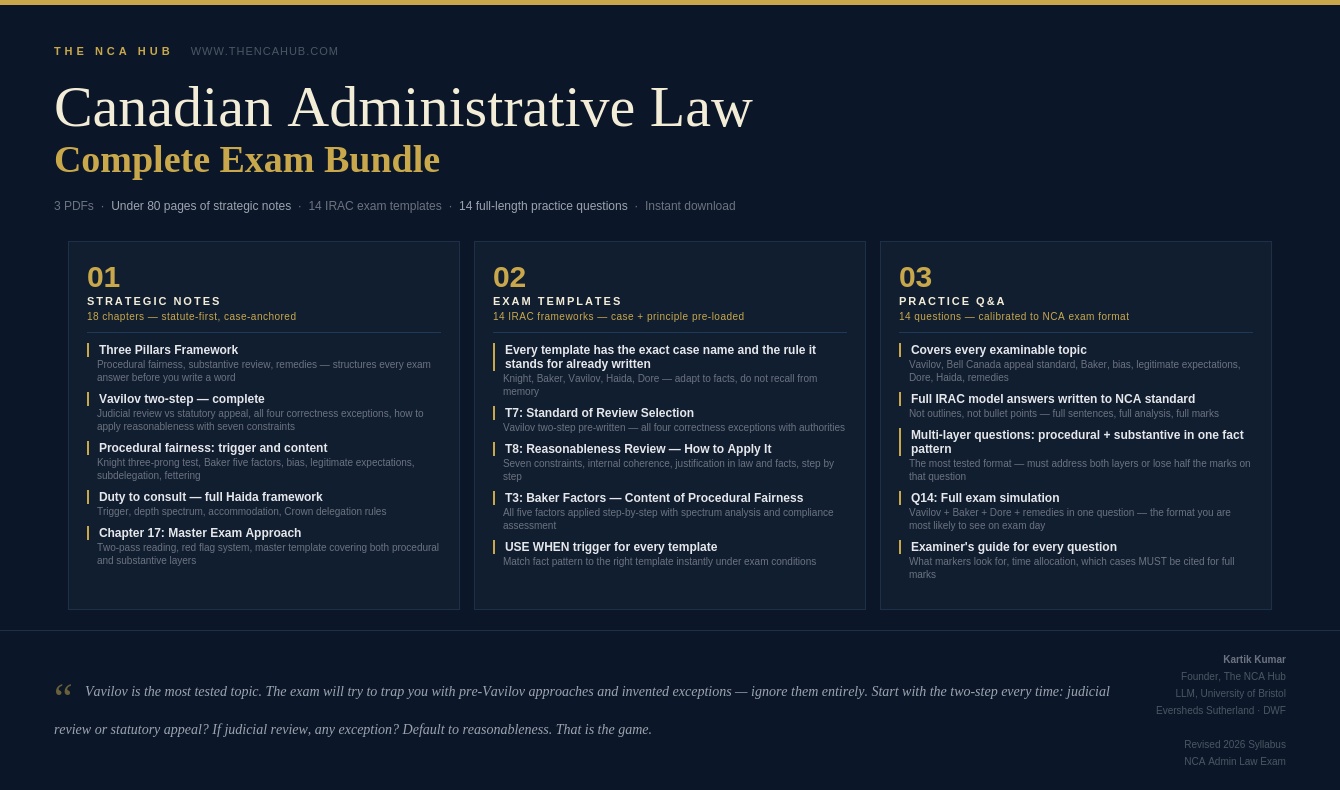
STRATEGIC NOTES
60 pages. 18 chapters across 5 parts, plus 8 reference appendices.
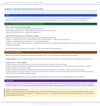
Every legal test is in a rule box, formatted so you can locate it in seconds during the open-book exam.
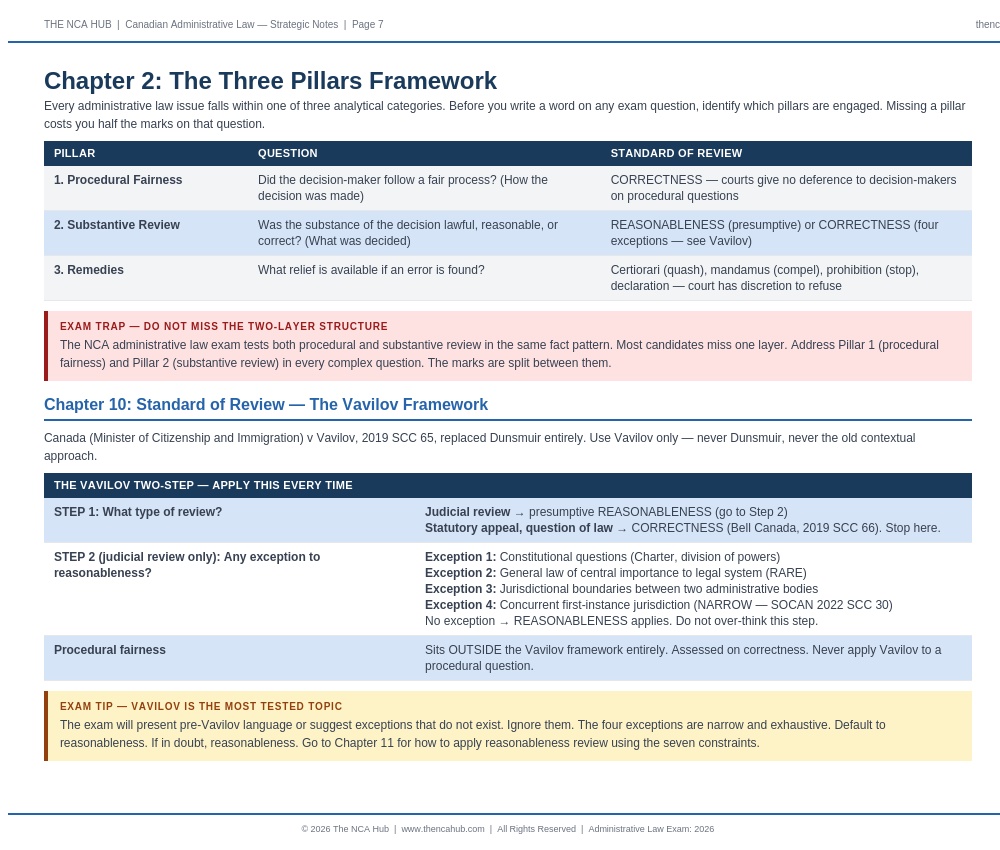
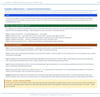
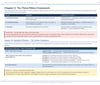
The notes open with the Three Pillars Framework, the three analytical categories that structure every possible administrative law question. Pillar 1 is procedural fairness. Pillar 2 is substantive review. Pillar 3 is remedies. Before you write a word on any exam question, you know which pillars are engaged and which tests apply to each.
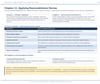
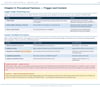
Chapter 17 is a complete exam approach system: how to read the fact pattern in two passes, procedural red flags that trigger fairness analysis, substantive red flags that trigger Vavilov analysis, and a Master Exam Answer Template covering both layers systematically so nothing gets missed.
When the fact pattern says the investigator also served as the decision-maker, you know immediately that the bias analysis under Committee for Justice and Liberty is in play. When it says the tribunal interpreted its own enabling statute and the applicant seeks judicial review, you know the Vavilov two-step begins with reasonableness and you check the correctness exceptions. Nothing gets missed.
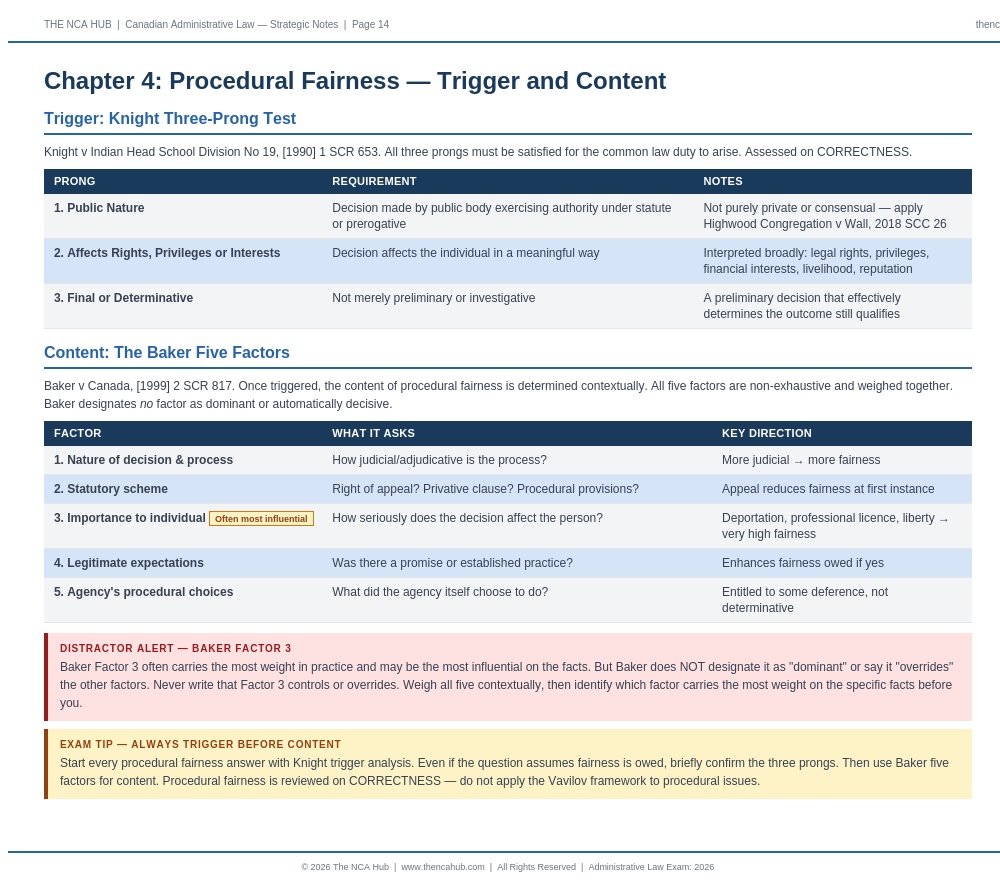
The five parts: Foundations of Canadian Administrative Law, Procedural Fairness, Substantive Review under the Vavilov Framework, Challenging Decisions and Remedies, and Exam Strategy and Answer Writing.
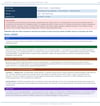
Eight appendices give you fast lookup under time pressure: a Standard of Review decision tree, a procedural fairness quick-reference checklist, common exam fact patterns, full case law summary tables, a glossary of Latin and technical terms, a table of frequently confused concept pairs (Doré vs. Oakes, judicial review vs. statutory appeal, and more), key statutory provisions at a glance, and a sample practice question bank.
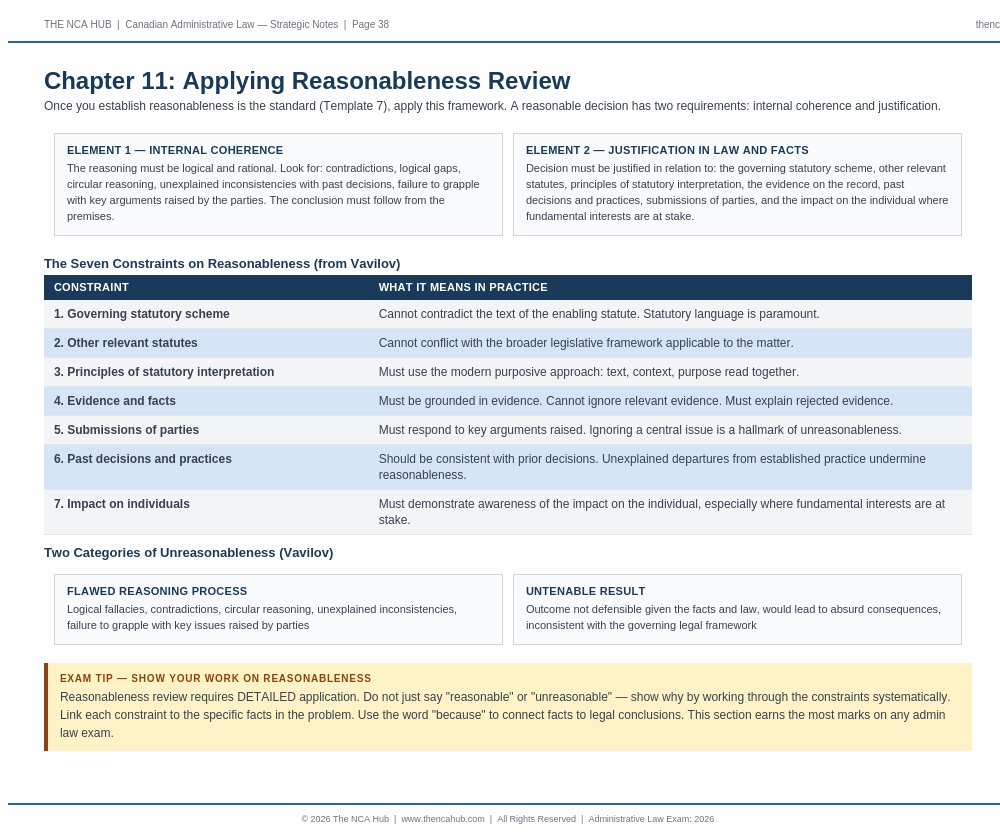
Topics covered: Procedural fairness, Knight trigger test, Baker five factors, right to be heard, bias and independence, legitimate expectations, institutional decision-making, fettering of discretion, sub-delegation. Substantive review, the complete Vavilov framework, reasonableness review applied to its full set of constraints, correctness review, statutory appeals and the Bell Canada standard. Charter section 7 and the Canadian Bill of Rights, including exactly when a Charter-engaged administrative decision is reviewed under Doré instead of on correctness — a distinction most candidates get backwards. Duty to consult Indigenous peoples: the Haida trigger, the depth spectrum, accommodation, and how UNDRIP now factors into the analysis. Judicial review procedure, standing (including public interest standing), remedies. All assigned SCC decisions.
EXAM TEMPLATES — 15 IRAC frameworks
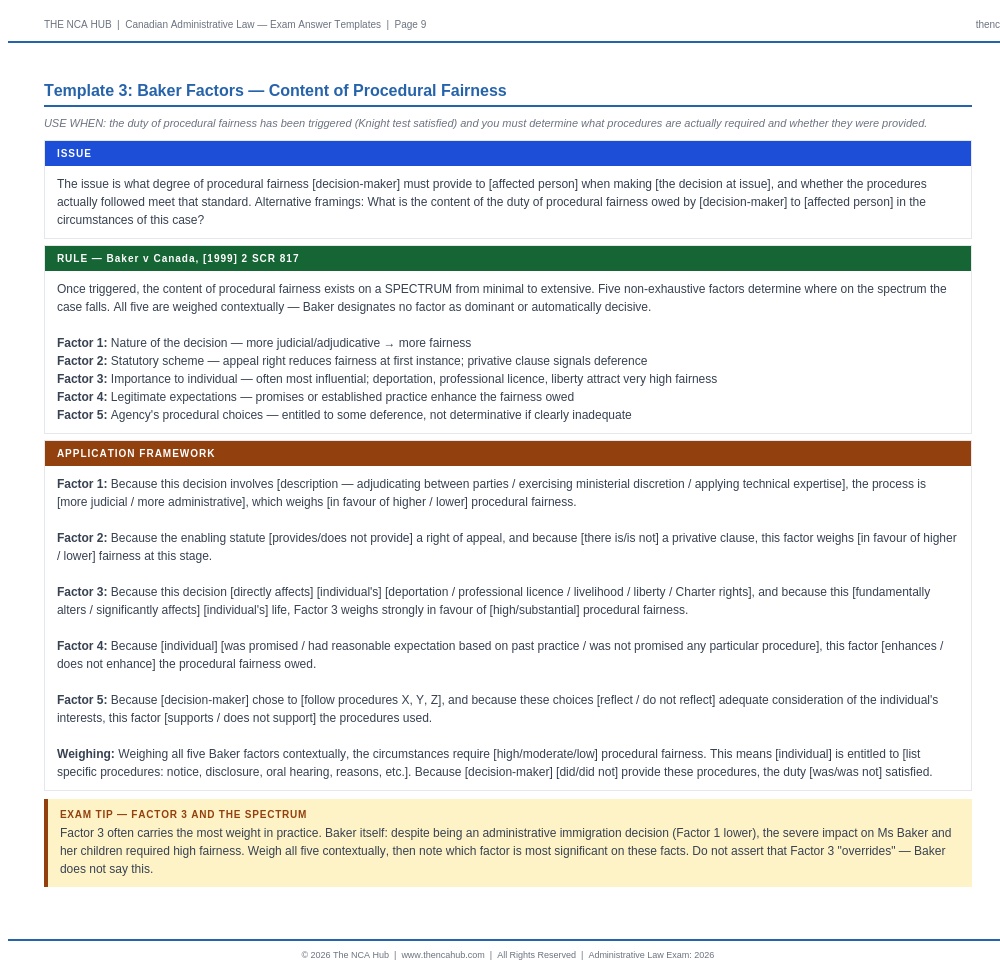
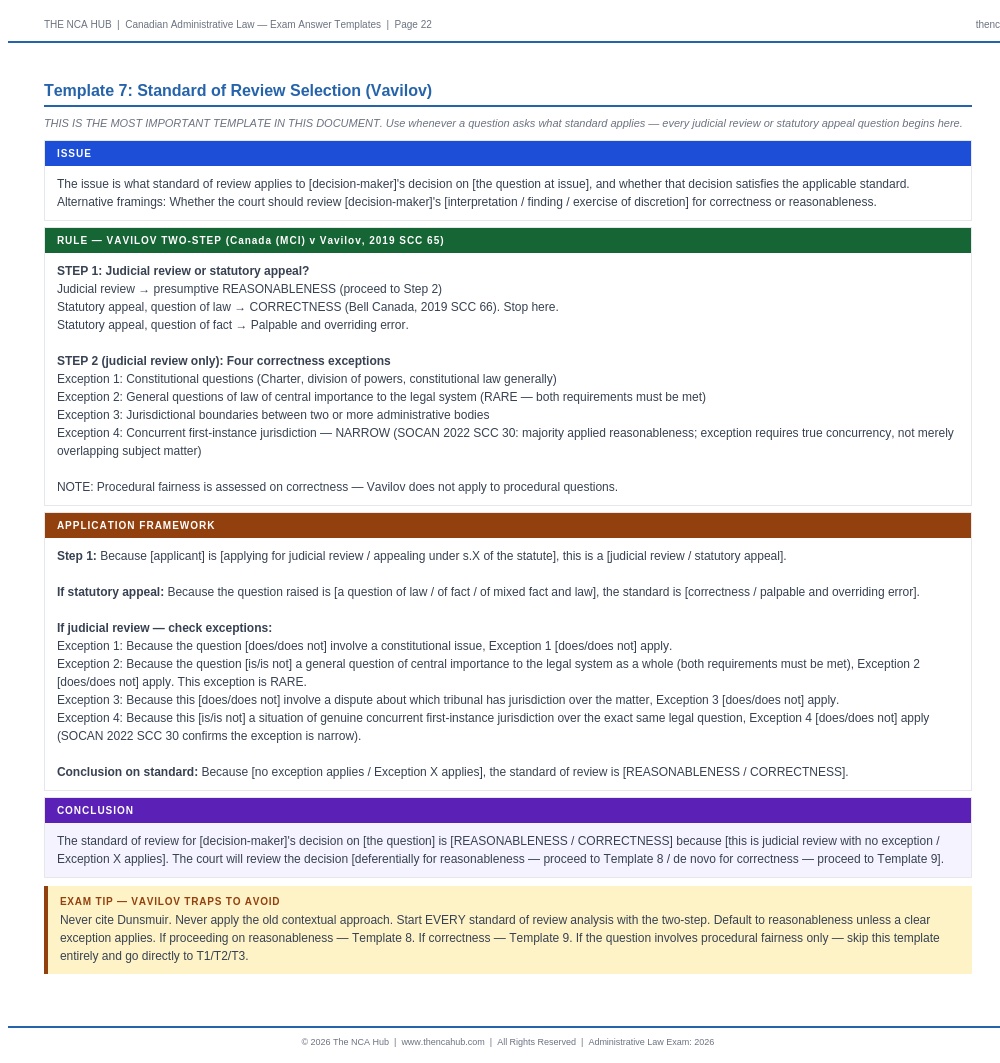
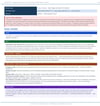
One template per examinable topic. Each contains a precise issue statement, the governing legal test with its authority, a step-by-step application framework built around the Because Rule, a conclusion format, and an exam tip identifying exactly where marks are won and lost.
Template 7 is the Standard of Review Selection template: the Vavilov two-step, both stages of analysis, every correctness exception with its authority, and the note that procedural fairness sits outside Vavilov entirely. Template 8 is the Reasonableness Review template: the full set of Vavilov constraints, how to assess internal coherence, how to assess justification in law and in fact, what unreasonableness looks like in each category.
Bring these into the exam as hard copy. Find the issue. Find the template. Fill in the facts.
Template 1: Knight Trigger Template 2: Legitimate Expectations Template 3: Baker Factors — Content of Procedural Fairness Template 4: Right to Be Heard Template 5: Bias — Reasonable Apprehension Test Template 6: Charter Section 7 and Canadian Bill of Rights Template 7: Standard of Review Selection (Vavilov) Template 8: Reasonableness Review — How to Apply It Template 9: Correctness Review Template 10: Doré Framework Template 11: Duty to Consult Trigger (Haida) Template 12: Depth of Consultation Template 13: Judicial Review vs Statutory Appeal Template 14: Remedies on Judicial Review Template 15: Fettering of Discretion & Subdelegation
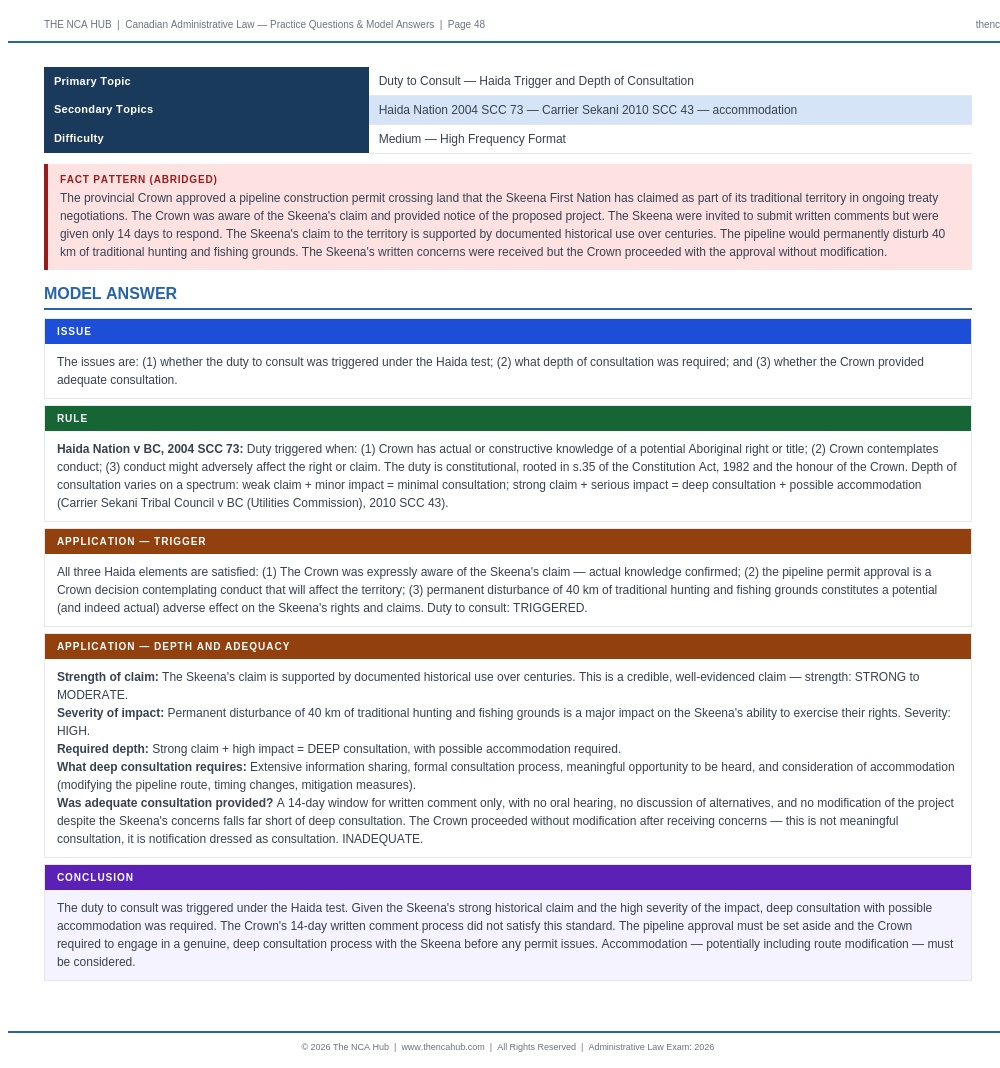
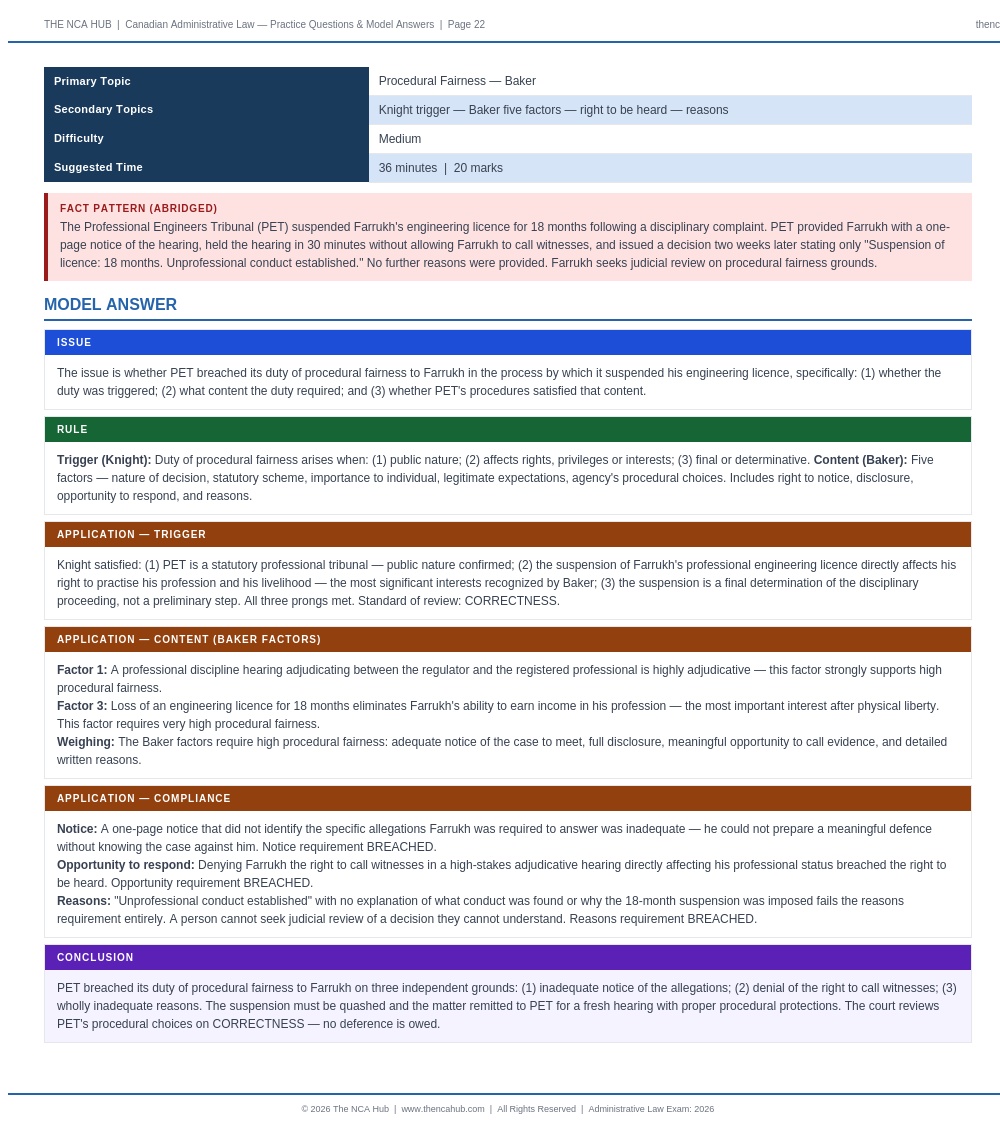
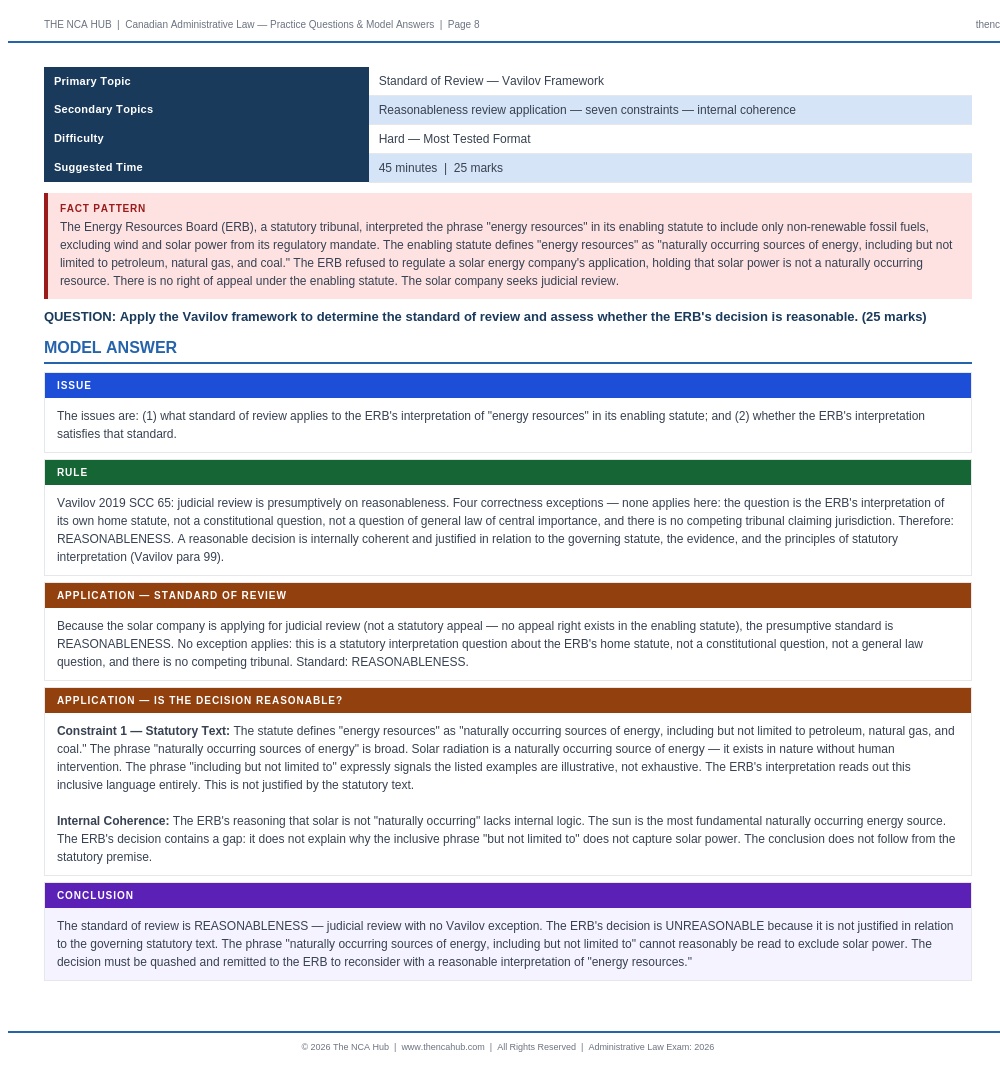
PRACTICE Q&A — 17 full-length exam questions
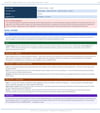
Every question includes a detailed fact pattern and a full model answer demonstrating the standard that earns top marks.
Questions cover: Standard of Review under Vavilov, Statutory Appeal under Bell Canada, Constitutional Question as a Correctness Exception, Procedural Fairness and Baker, Legitimate Expectations, Bias, Ultra Vires and Jurisdiction, Subdelegation, Fettering of Discretion, Abuse of Discretion, Remedies, Doré and Charter Values, Duty to Consult, a full comprehensive question combining all major templates, AI-Assisted Administrative Decision-Making, Duty to Consult under UNDRIP, and Concurrent First-Instance Jurisdiction.
Question 14 is a full exam simulation requiring Vavilov standard of review selection, reasonableness review application, procedural fairness analysis, and a remedies conclusion — the format you are most likely to see on exam day. Questions 15 through 17 are built specifically around the most recent additions to the syllabus, so you walk in prepared for the newest material, not just the settled law.
Time guides for every question based on mark allocation.
ABOUT THE AUTHOR
Passed all 5 NCA exams in 2025. Preparing for the Ontario Bar. LLM in International Commercial Law, University of Bristol. Litigation experience at Eversheds Sutherland, DWF, and Keoghs in the UK. These notes were built for my own exam and rebuilt for yours.
UPDATED 2026
Fully aligned with the current NCA Administrative Law syllabus. Every case citation was checked directly against the primary source rather than assumed. The materials now include the full current Vavilov framework, SOCAN v Entertainment Software Association, 2022 SCC 30 (the leading authority on concurrent first-instance jurisdiction), and Rio Tinto Alcan Inc v Carrier Sekani Tribal Council, 2010 SCC 43, alongside the newest syllabus additions: Kebaowek First Nation v Canadian Nuclear Laboratories and Gitxaala v British Columbia on UNDRIP and the duty to consult, Haghshenas v Canada on AI-assisted administrative decisions, and Mason v Canada on post-Vavilov reasonableness review.
YOUR COPY IS PROTECTED
Every page is stamped with your email address. Single-user licence only. Please purchase a separate copy for study partners.
Questions before buying? Email thencahub@gmail.com — replied to within a few hours.