
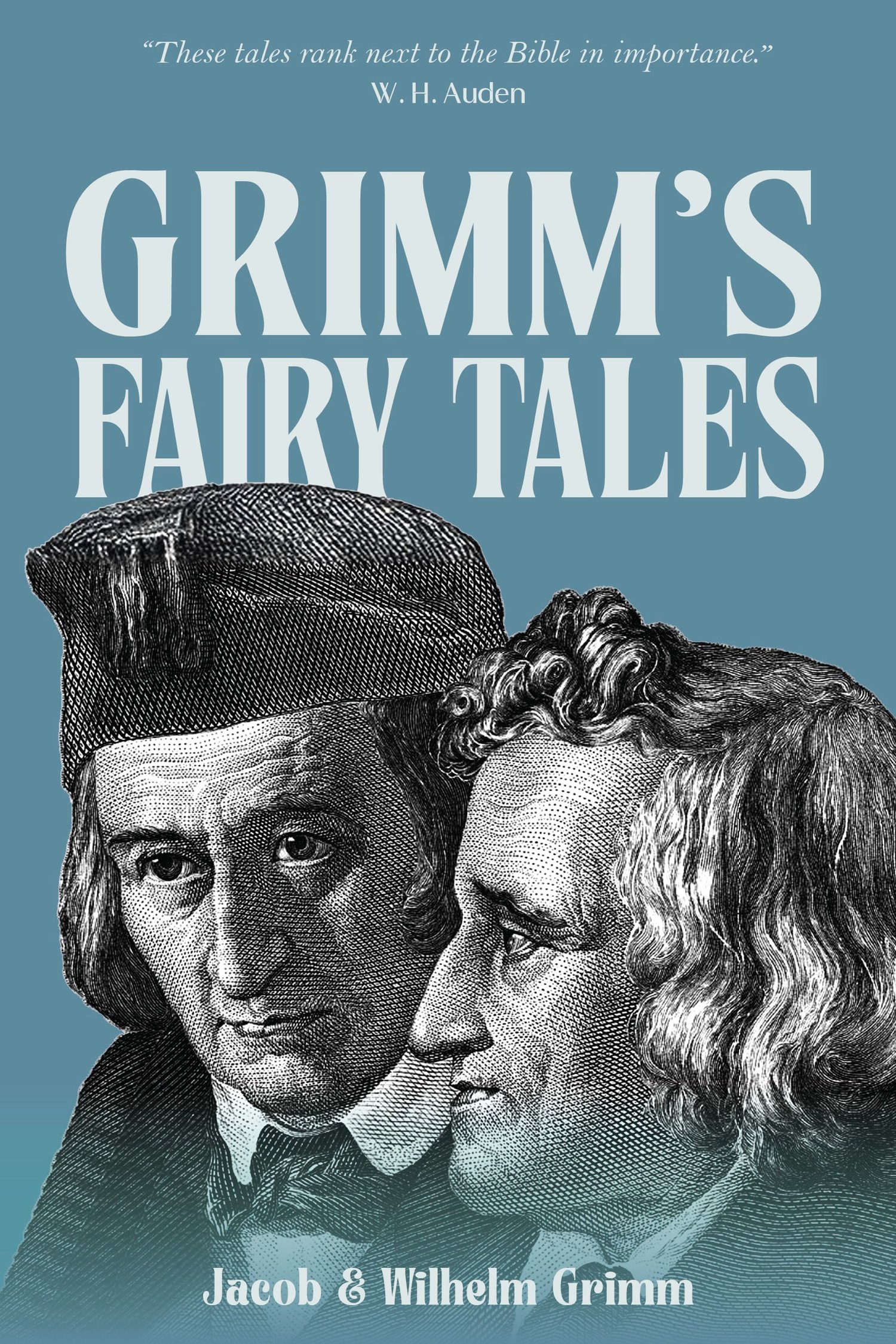
Grimm’s Fairy Tales
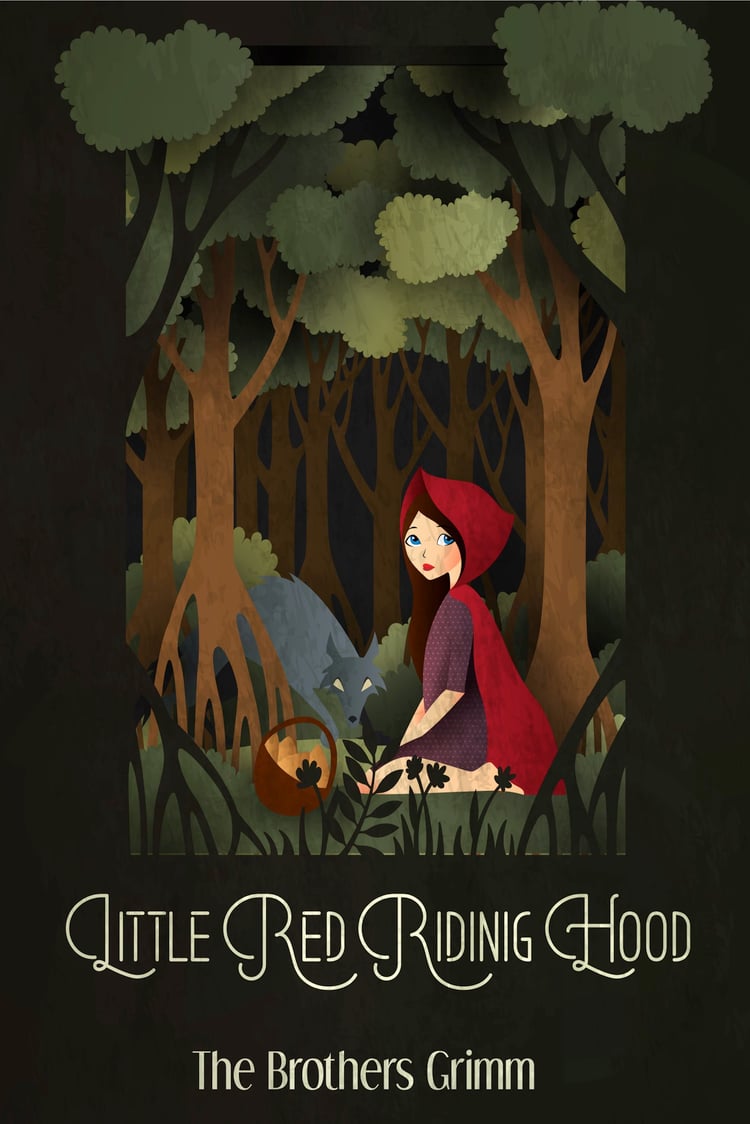
Grimm’s Fairy Tales is a foundational collection of folklore that strips childhood stories back to their raw, unsettling origins. Gathered by Jacob and Wilhelm Grimm in the early nineteenth century, these tales come from oral traditions shaped by hunger, superstition, and hard moral lessons. Witches are burned, forests devour the lost, and justice is often swift and severe—but magic, courage, and transformation are never far away.
Unlike the softened versions that dominate popular culture, the Grimm brothers’ stories are blunt, strange, and morally uncompromising. Innocence is tested, cleverness is rewarded, and evil is punished with unforgettable finality. Talking animals, enchanted objects, and hidden spells share space with cruelty, fear, and desire, creating a world that feels both fantastical and brutally human.
Enduring because of their honesty as much as their imagination, Grimm’s Fairy Tales reveal how stories once helped people make sense of a dangerous world. They are not merely bedtime stories, but cultural artifacts—darkly beautiful, deeply symbolic, and endlessly influential—inviting readers of all ages to confront the shadows that have always lived inside wonder.
About the authors
Jacob Grimm (1785–1863) and Wilhelm Grimm (1786–1859) were German scholars, linguists, and folklorists whose work helped shape the study of mythology and language. Best known for collecting and preserving traditional European folk tales, they recorded stories passed down through generations, believing them to be vital expressions of cultural memory. Their Grimm’s Fairy Tales remains one of the most influential and widely read collections of stories in world literature.