

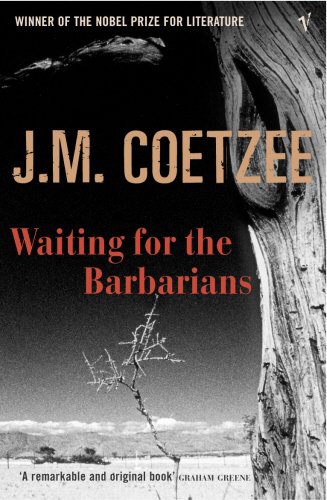
J. M. Coetzee - Waiting For The Barbarians
Waiting for the Barbarians is a 1980 allegorical novel by J.M. Coetzee that explores themes of colonialism, power, and moral ambiguity through the story of a magistrate in a remote frontier town of an unnamed empire. The narrative follows the magistrate's awakening to the empire's brutality after the arrival of Colonel Joll, who uses torture to interrogate "barbarians," leading the magistrate to question his role and rebel by caring for a tortured barbarian girl, which results in his own imprisonment. The novel is a powerful critique of imperialism, drawing parallels to South African apartheid, and examines the psychological effects of oppression and the complex, often blurred lines between oppressor and oppressed.
Words from Petrus Flavius:
I want to talk a little bit about Waiting For The Barbarians.
I read it when I was probably 25 years old.
At that time I had already read Dino Buzzati's The Tartar's Steppe. I had also read Konstantin Cavafis iconic poem "Waiting For The Barbarians".
The path of these 3 writers became enmeshed forever by the love of literature. They never crossed each other but they are indelibly conjoined forever by the pull of influence.
Cavafis influenced Buzzati. Buzzati influenced Coetzee. Coetzee won a Nobel Prize.
He is the grandson of letters, favored by the right time and space in history.
Waiting for the Barbarians is also in great debt to the uneasiness and psychological discomfort of Kafka.
Waiting for something terrible to happen is always in our nature.
And Coetzee is the heir of the great overanxious masters of uncertainty.
This book is easily Coetzee's greatest although he has written many astounding books.