
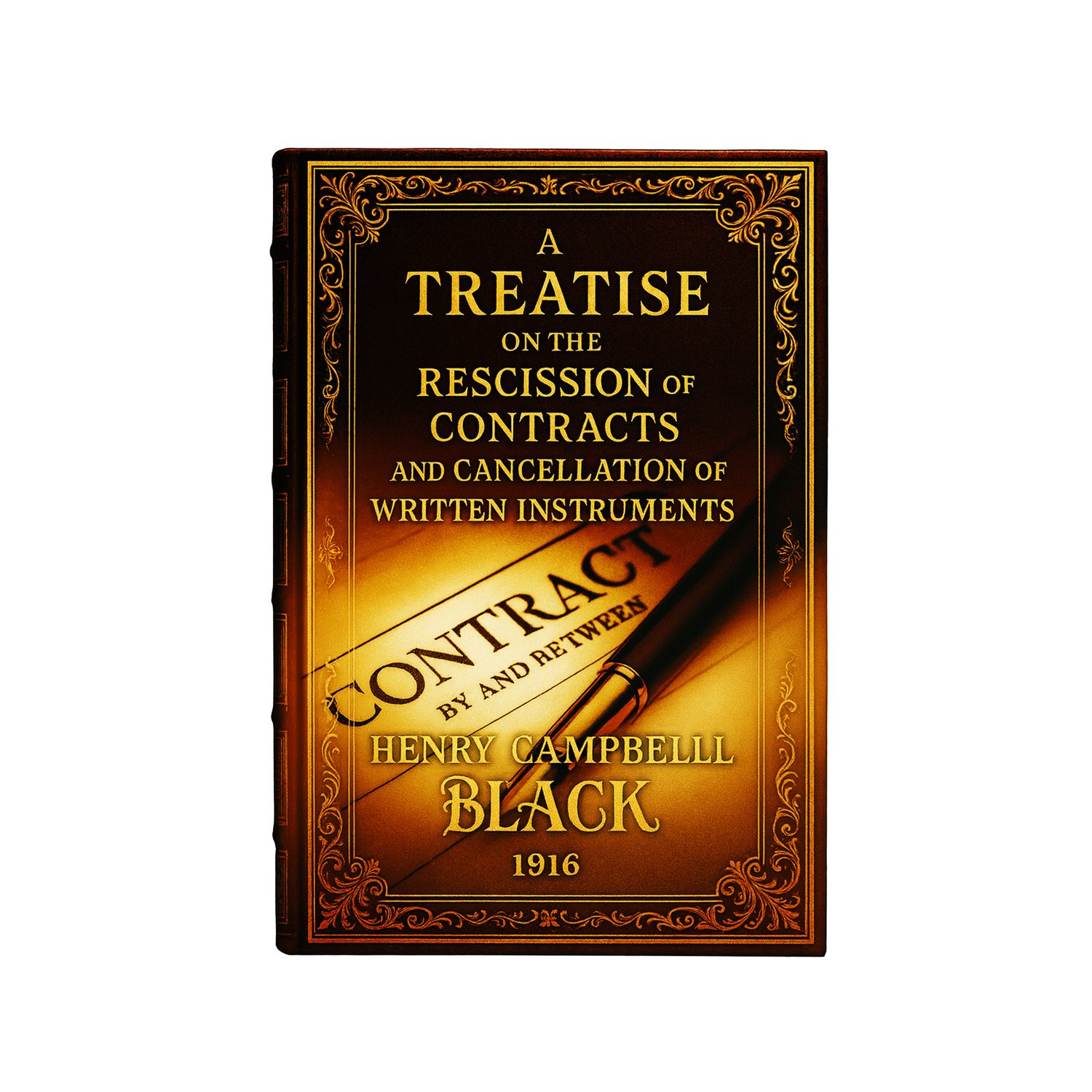
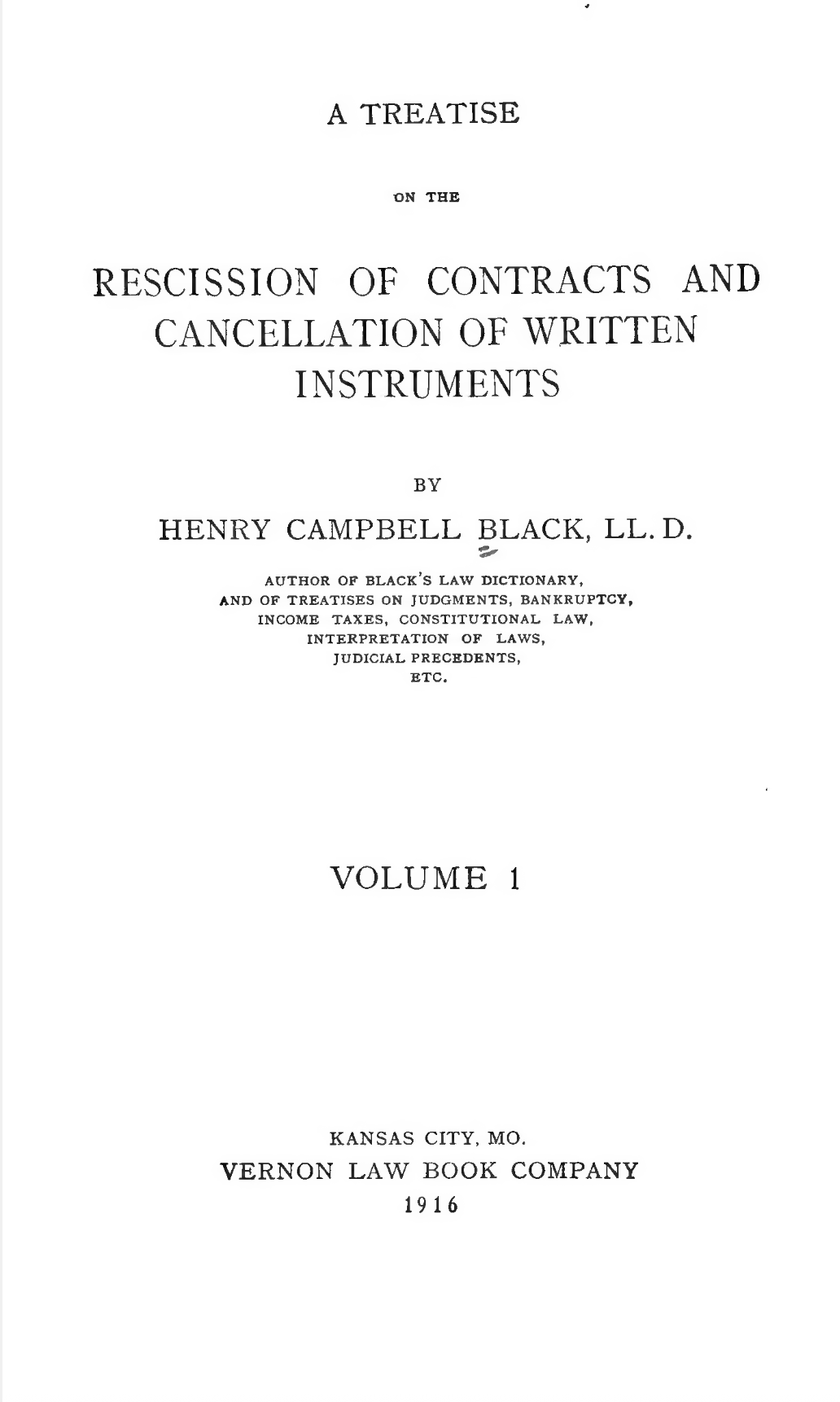
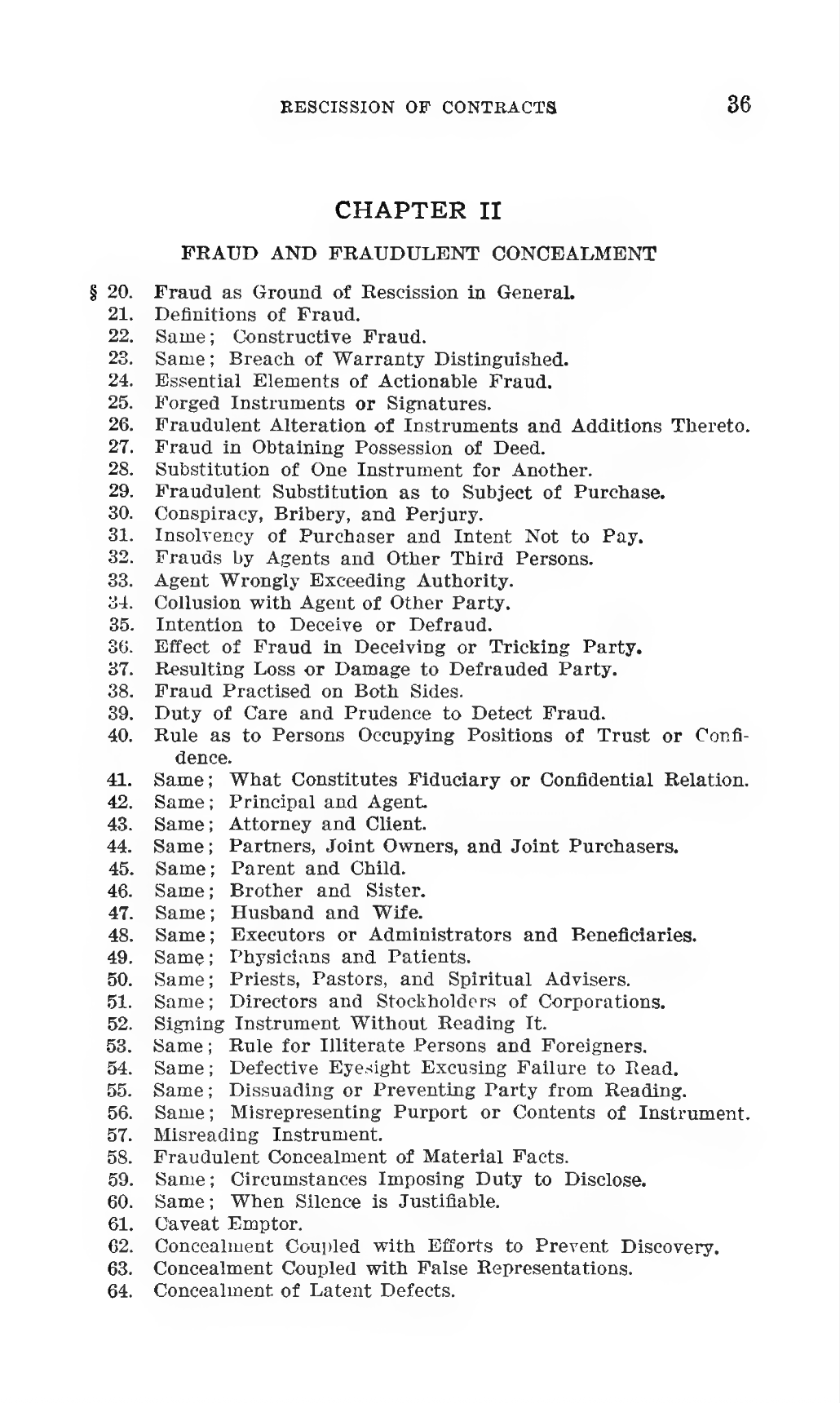
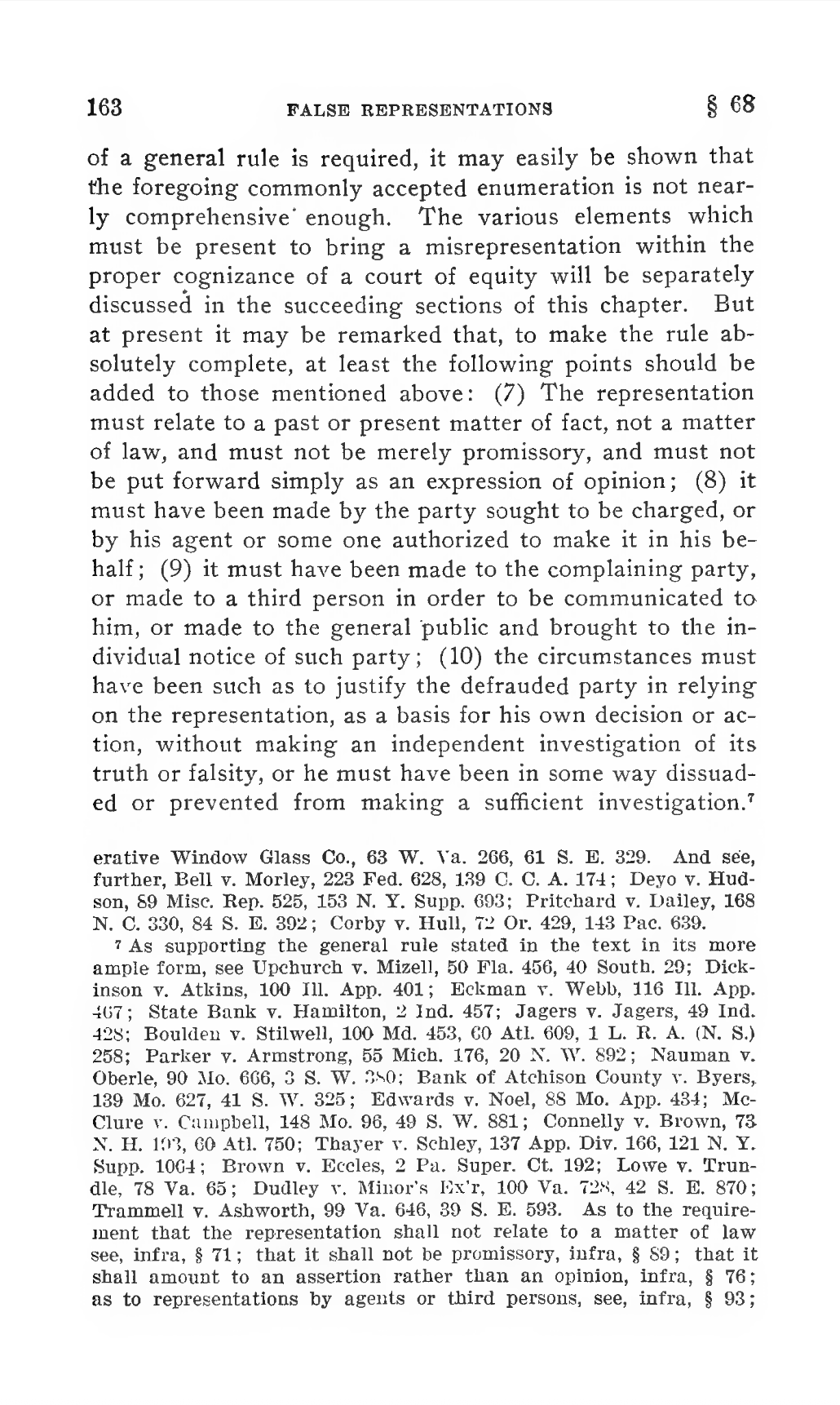
Rescission of Contracts — by Henry Campbell Black — Year 1916
What happens when agreements collapse under the weight of fraud, mistake, or inequity?
In Contract Rescission and Cancellation (1916), Henry Campbell Black—the renowned author of Black’s Law Dictionary—offers one of the most exhaustive studies ever written on the undoing of contracts.
Black dissects the rules and remedies that courts have historically used to release parties from obligations, shining a light on the intersection of common law and equity.
This work isn’t merely a legal manual—it is a vivid exploration of how justice intervenes when promises turn into traps.
From fraud and misrepresentation to duress, insanity, or illegality, Black catalogues every ground upon which a contract may be undone, drawing from thousands of cases.
Each example reveals how law bends to protect fairness against trickery and oppression.
At its core, this treatise shows that contracts are not inviolable chains—they are binding only so long as they are just. When a bargain is poisoned by deceit, gross inadequacy, or undue influence, courts wield rescission as a sword of equity.
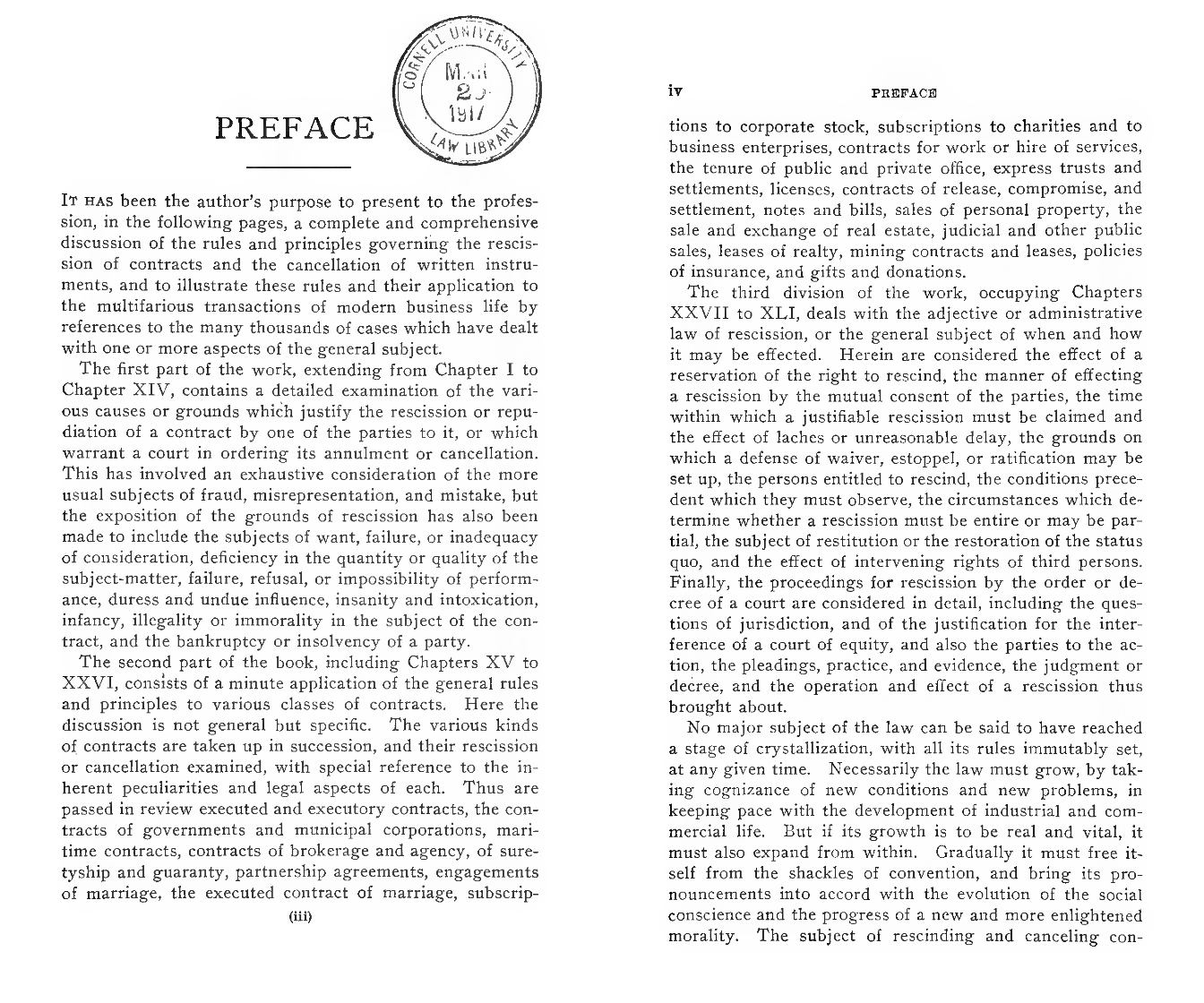
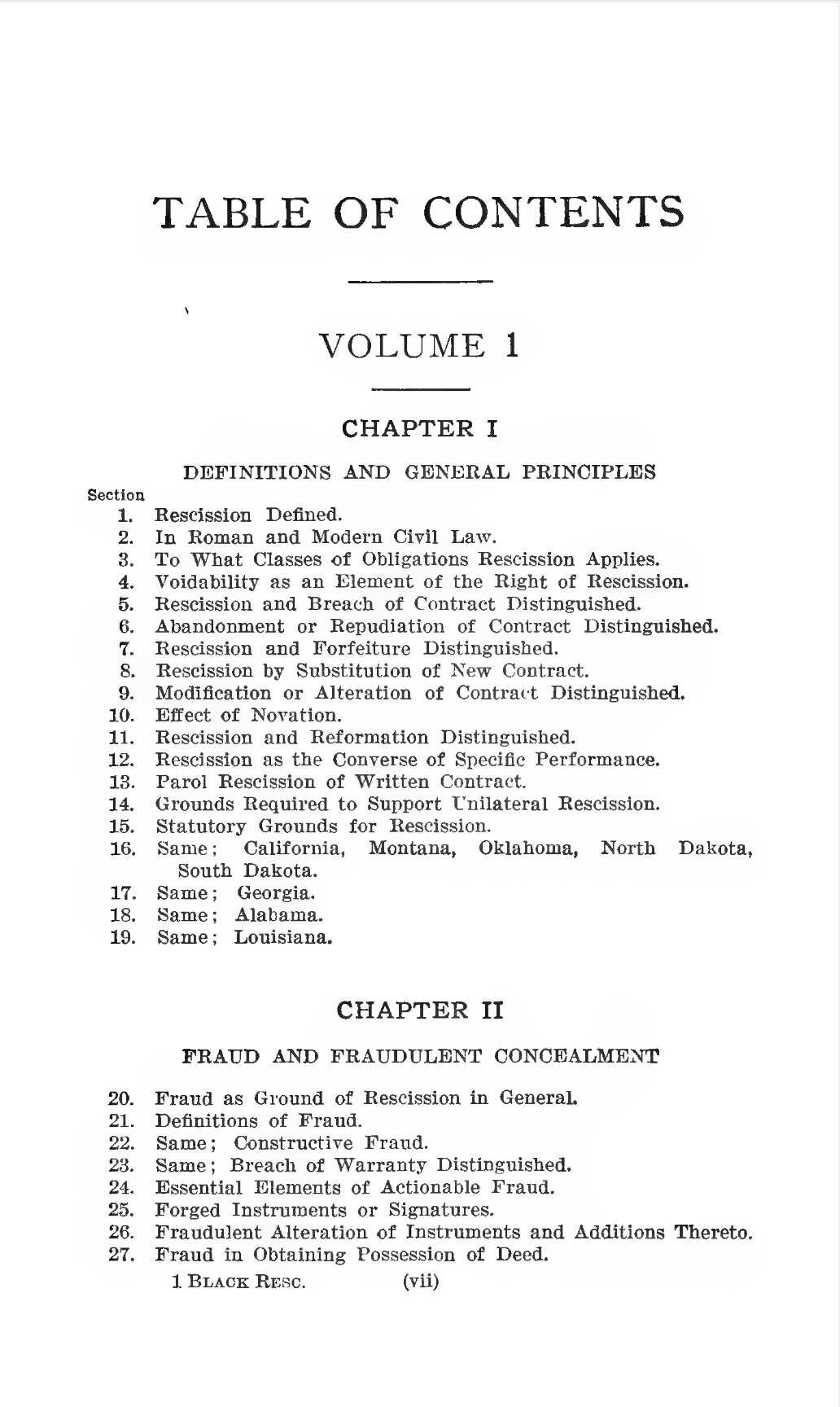
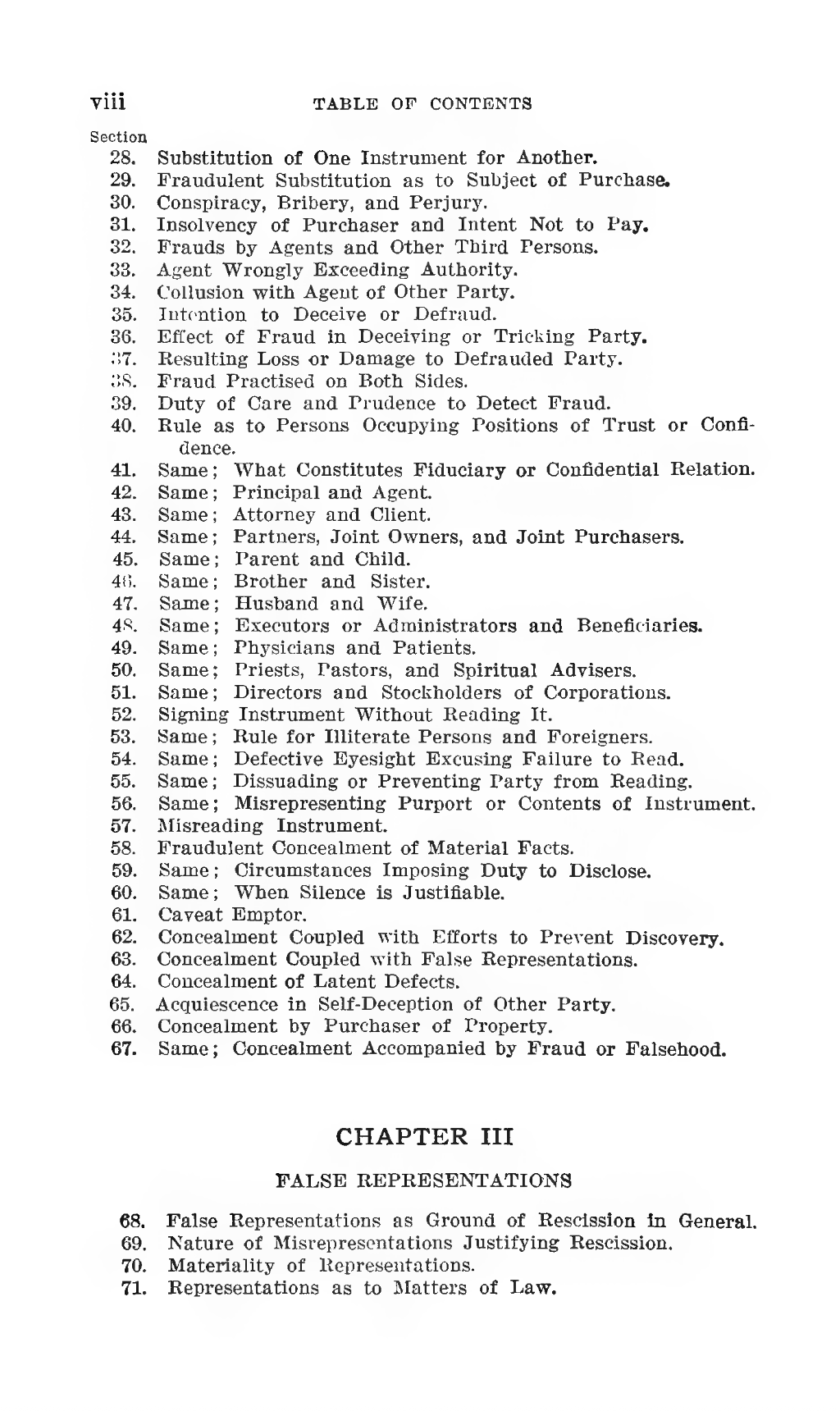
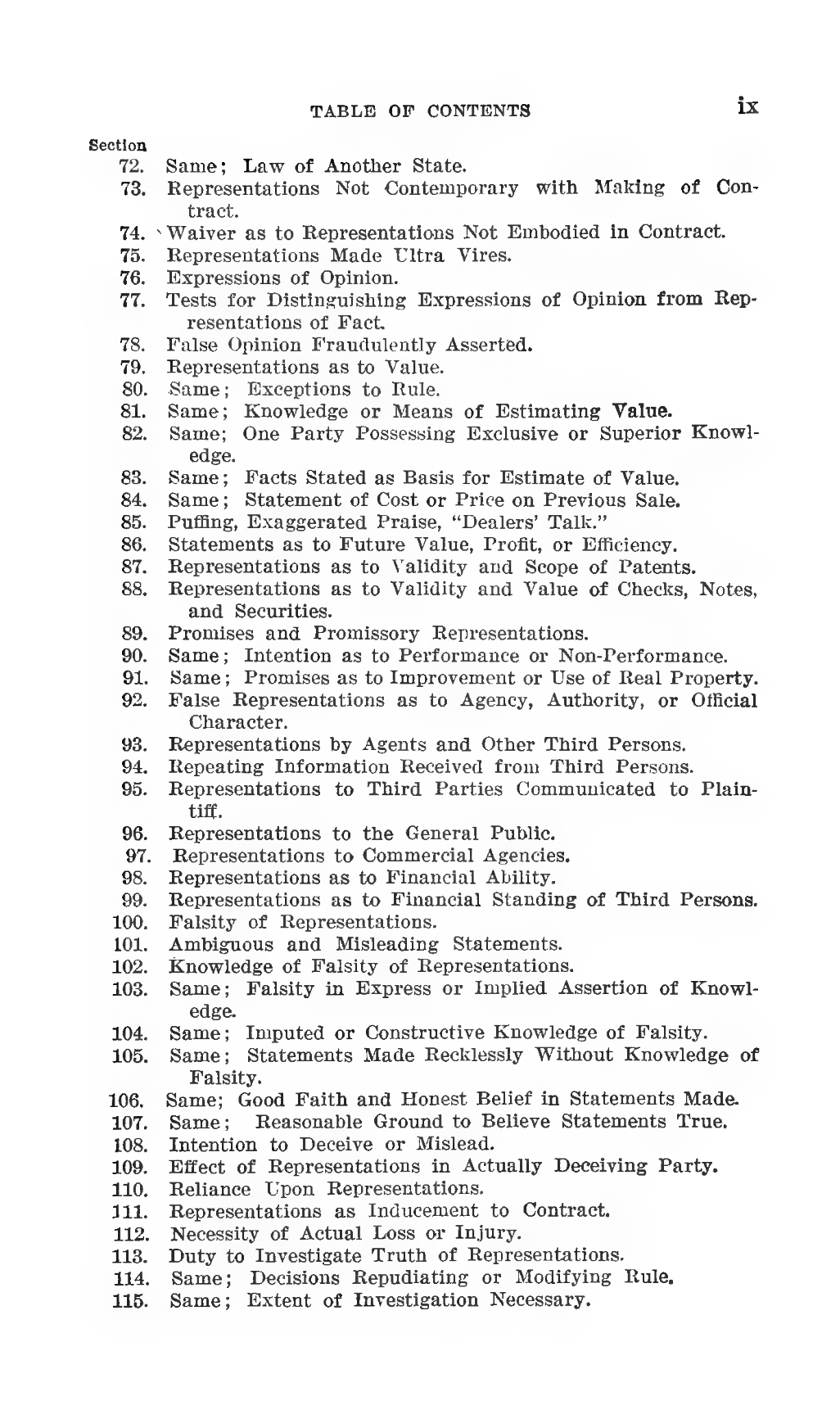
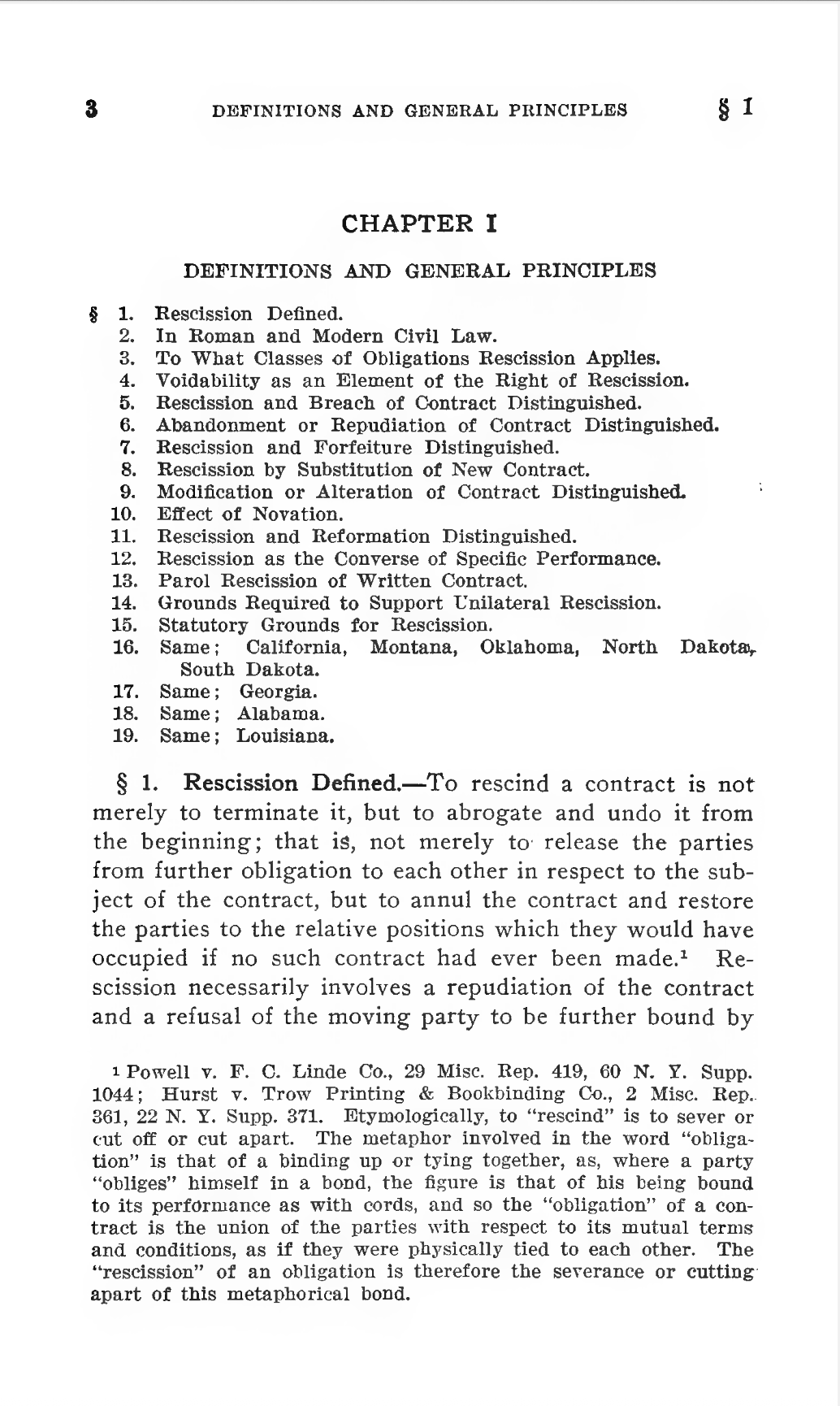
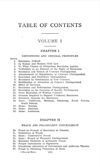
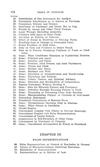
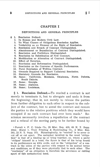
Volume I explores definitions, principles, and grounds for rescission, including fraud, concealment, misrepresentation, mistake, duress, undue influence, and failure of performance.
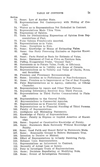
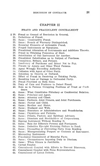
Volume II applies these doctrines to specific classes of contracts: government agreements, corporate stock subscriptions, leases, insurance, marriage contracts, real estate sales, trusts, and more.
Black then turns to the “how” of rescission—time limits, conditions precedent, waiver, estoppel, restitution, and the mechanics of court decrees.
Every chapter blends rigorous doctrine with real-world illustrations, making it invaluable for practitioners, scholars, and historians of law.
For law students, attorneys, judges, and researchers, this edition reveals not only the technical grounds for canceling contracts but also the evolving moral philosophy of equity. It demonstrates that no rogue should profit simply because his victim was unwary.
📖 Pages: 867
📌 Digital Format Only (eBook) – No printed or physical book will be mailed.