
What Are the Key Differences Between OTC Products and Cosmetic Products?
When developing skincare products or navigating the regulatory world of product labelling and marketing, it’s essential to understand the distinction between cosmetics and over-the-counter (OTC) drugs. These classifications not only determine how a product is formulated and marketed, but they also dictate the level of regulatory oversight, ingredient restrictions, and the types of claims that can legally be made.
Let’s break down the critical differences between the two:
1. Definition and Purpose
Cosmetic Products
Under most regulatory frameworks (such as the FDA in the United States, the EU Cosmetic Regulation, and AICIS in Australia), a cosmetic is defined as a product intended for cleansing, beautifying, promoting attractiveness, or altering appearance without affecting the body’s structure or functions.
Examples include:
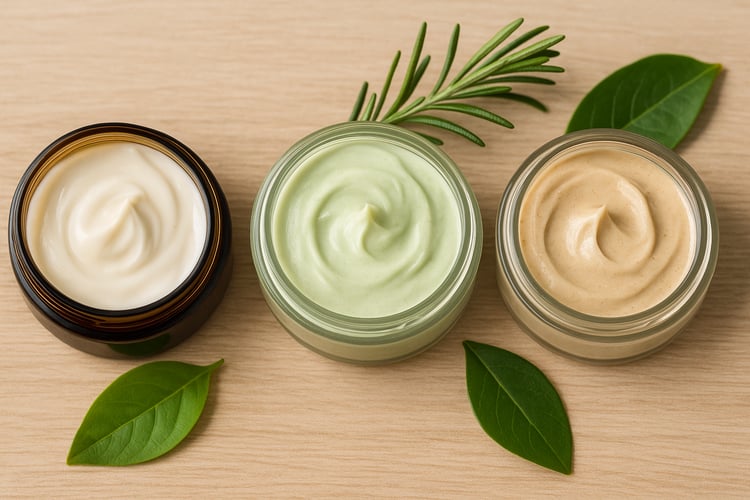
- Moisturisers
- Lipsticks
- Shampoos
- Perfumes
- Deodorants (non-antiperspirant)
OTC Products
An over-the-counter (OTC) product is a drug that is available without a prescription and is regulated by drug authorities. OTC drugs are intended to treat or prevent specific health conditions and must meet strict regulatory standards.
Examples include:
- Sunscreens
- Anti-dandruff shampoos
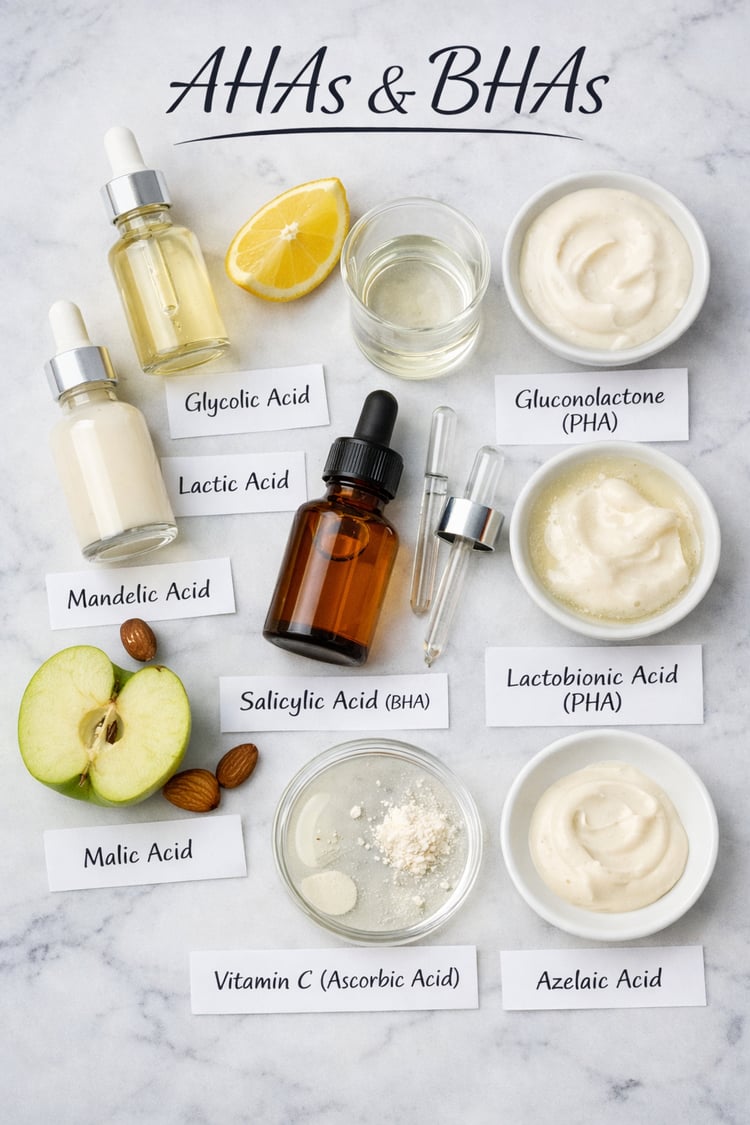
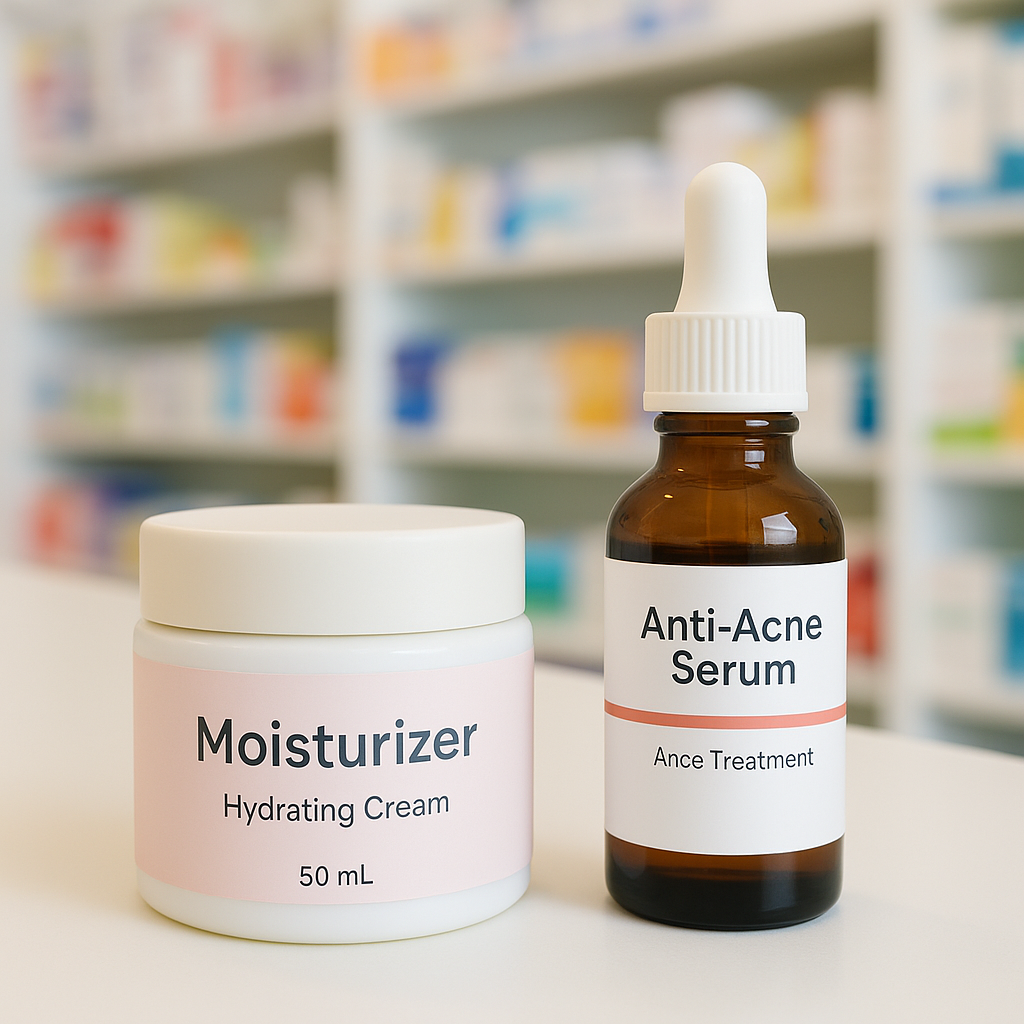
- Acne treatments (e.g. benzoyl peroxide, salicylic acid)
- Antiperspirants
2. Regulatory Oversight
Cosmetics
Cosmetics are regulated primarily for safety and labeling, not efficacy. They:
- Do not require pre-market approval (except for certain colorants)
- Must comply with Good Manufacturing Practices (GMP)
- Cannot make therapeutic claims
OTC Drugs
OTC products are subject to drug regulations, which means:
- They must conform to an official monograph or be approved through a New Drug Application (NDA)
- Efficacy and safety data are required
- Manufacturing must meet pharmaceutical-grade GMP
3. Claims Allowed
Cosmetic Claims
Focus on appearance only and must avoid implying any treatment or bodily change.
Examples of cosmetic claims:
- “Hydrates the skin”
- “Improves the appearance of fine lines”
- “Softens and smooths skin texture”
OTC Drug Claims
These describe a medical or therapeutic purpose.
Examples of OTC drug claims:
- “Treats acne”
- “Reduces underarm perspiration”
- “Prevents sunburn”
Making a drug claim on a product not approved as a drug can result in legal action, fines, or product recalls.
4. Ingredients and Actives
Cosmetics
Use ingredients approved for topical, non-medical use. Many have skin-beneficial functions but cannot be marketed as therapeutic.
OTC Drugs
Contain active drug ingredients supported by scientific evidence, allowed at specific concentrations.
Examples:
- Salicylic acid (acne treatment)
- Zinc oxide, avobenzone (sunscreens)
- Aluminum chlorohydrate (antiperspirant)
5. Testing and Documentation
Cosmetics
Voluntary but recommended testing includes:
- Stability testing
- Patch testing
- Microbial testing
OTC Drugs
Require comprehensive testing:
- Active ingredient validation
- Efficacy testing
- Labeling compliance
- Drug Facts formatting
6. Labeling Requirements
Cosmetics
Must include:
- Full ingredient list (INCI)
- Product weight/volume
- Manufacturer/distributor information
- Directions and basic warnings
OTC Drugs
Label must include a Drug Facts panel with:
- Active and inactive ingredients
- Uses, warnings, directions
- Purpose of each active
7. Blurry Lines: Where It Gets Tricky
Certain products may fall into both categories based on claims or ingredients.
Examples:
- A moisturiser with SPF becomes a drug
- A shampoo that treats dandruff is a drug
- An eye cream that “reduces puffiness” may remain cosmetic, but “reduces inflammation” becomes a drug claim
Knowing whether your formulation is a cosmetic or an OTC drug is crucial for staying compliant and building a trustworthy brand. It affects:
- The ingredients you can use
- The claims you can legally make
- The testing and documentation required
- The level of regulatory scrutiny you'll face
Before you launch, always ask:
- What is the intended use?
- What claims will I make?
- What region am I selling in?
Want to Know More?
Go deeper into the difference between a cosmetic and OTC product with my 70+ page extensive educational document. This comprehensive guide breaks down everything you need to know about global regulations, classification pitfalls, marketing claims, and formulation compliance.
Whether you're a formulator, brand owner, or product developer, this document is your essential tool for navigating the complex regulatory world of skincare.