

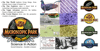
The Microscopic Park Project: Exploring the Hidden World with a Low-Cost Educational Microscope
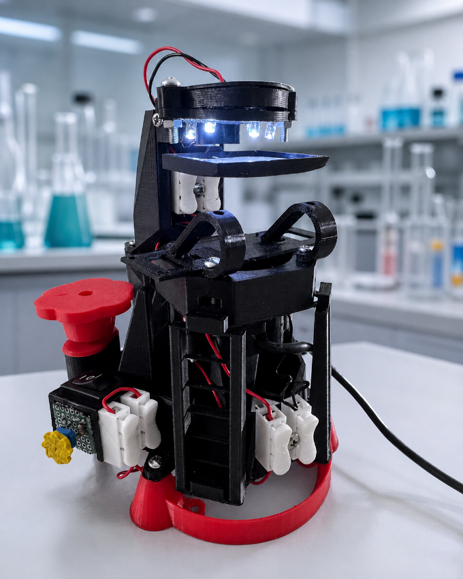
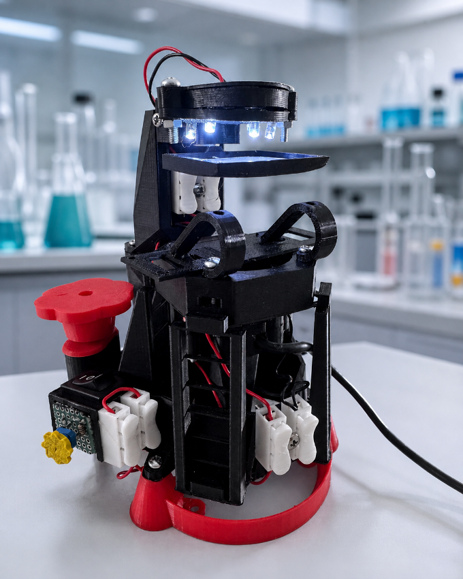
The Microscopic Park project describes the design and educational implementation of a modified OpenFlexure-derived optical microscope optimised for early STEM education.
The instrument achieves 100–150× magnification using a simplified, low-cost assembly, and employs transparent polystyrene substrates—recycled from discarded CD and DVD cases—in place of conventional glass slides, substantially reducing both cost and safety hazards.
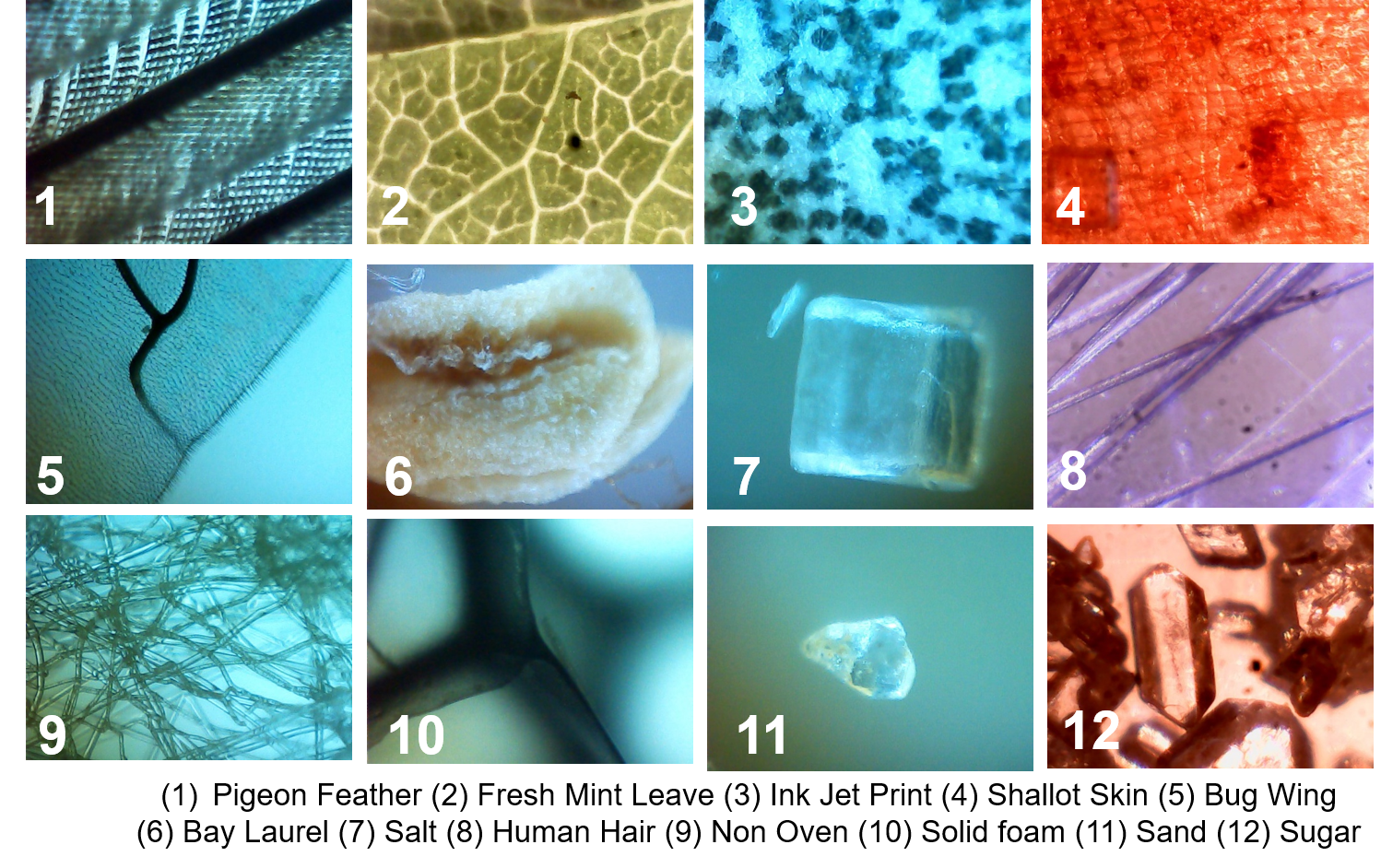
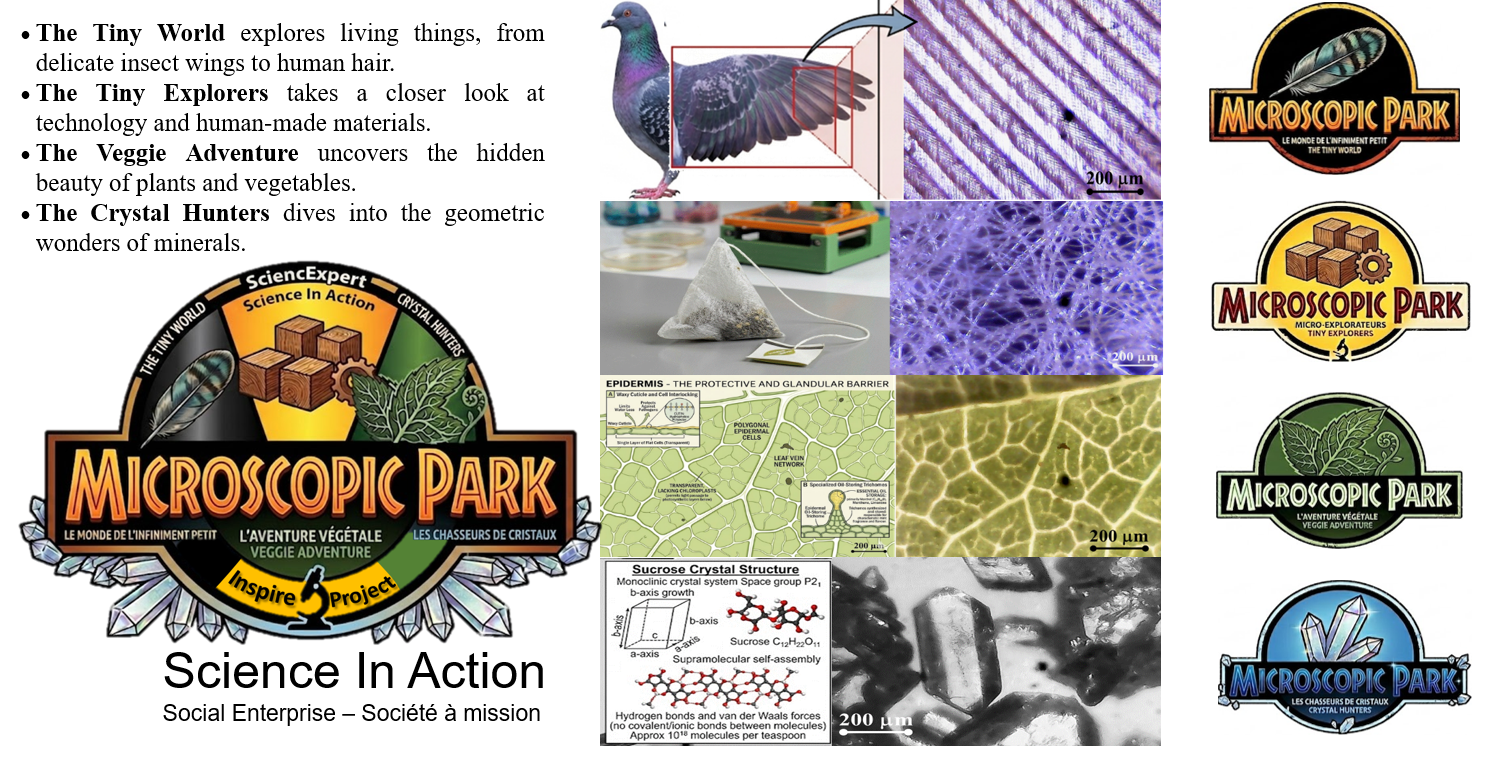
Twelve specimen observations, organised into four thematic collections (The Tiny World, The Tiny Explorers, The Veggie Adventure, and The Crystal Hunters), span biological tissues, engineered materials, plant structures, and mineral crystals. For each specimen, we provide calibrated micrograph images, physical interpretation of the observed structures, and a concise discussion of accessible classroom alternatives.
This article presents the instrument design rationale, the slide preparation protocol, and the full specimen catalogue, with the aim of providing educators worldwide with a replicable, low-barrier framework for observation-based physics and science education.