

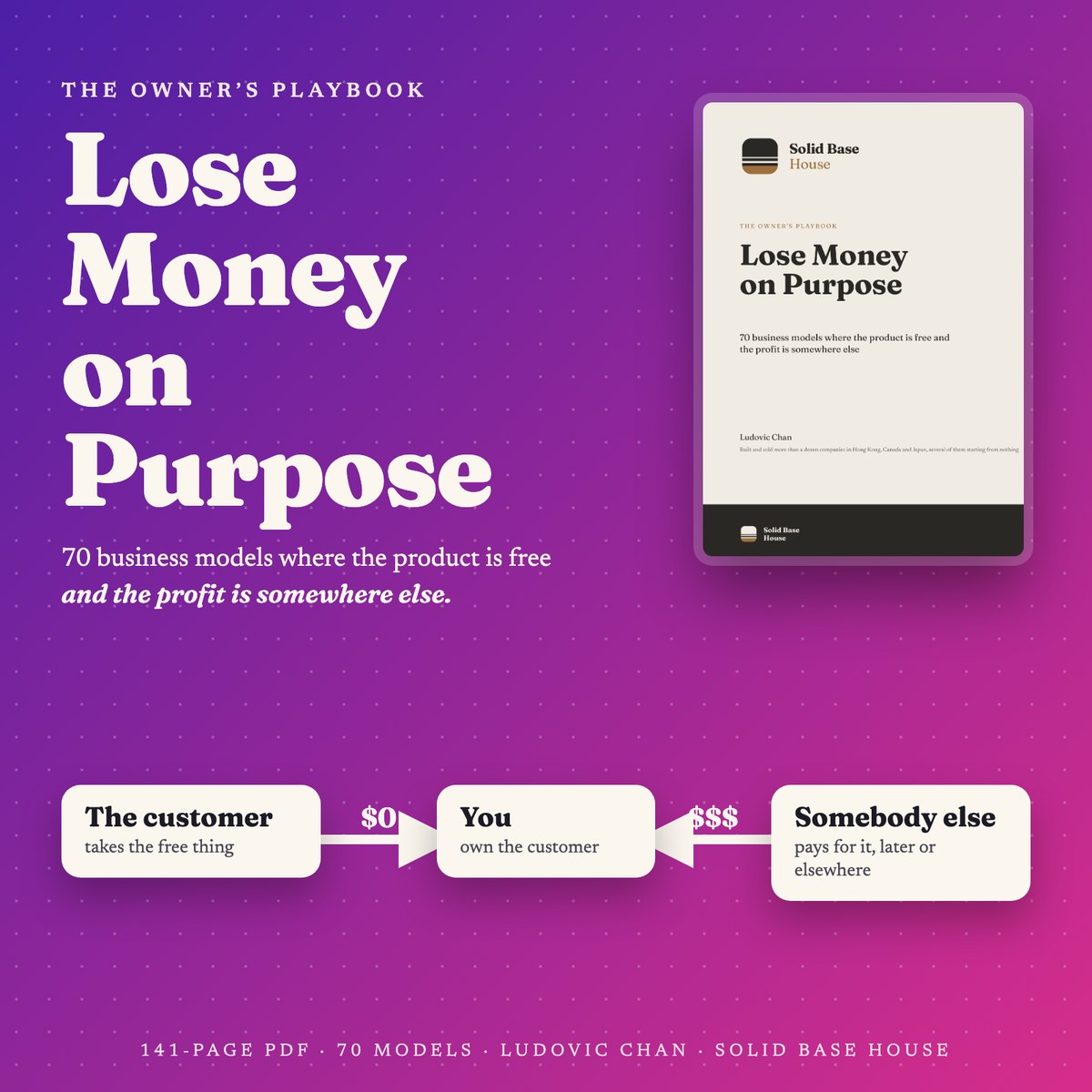
Lose Money on Purpose: 70 Business Models Where the Product Is Free and the Profit Is Somewhere Else
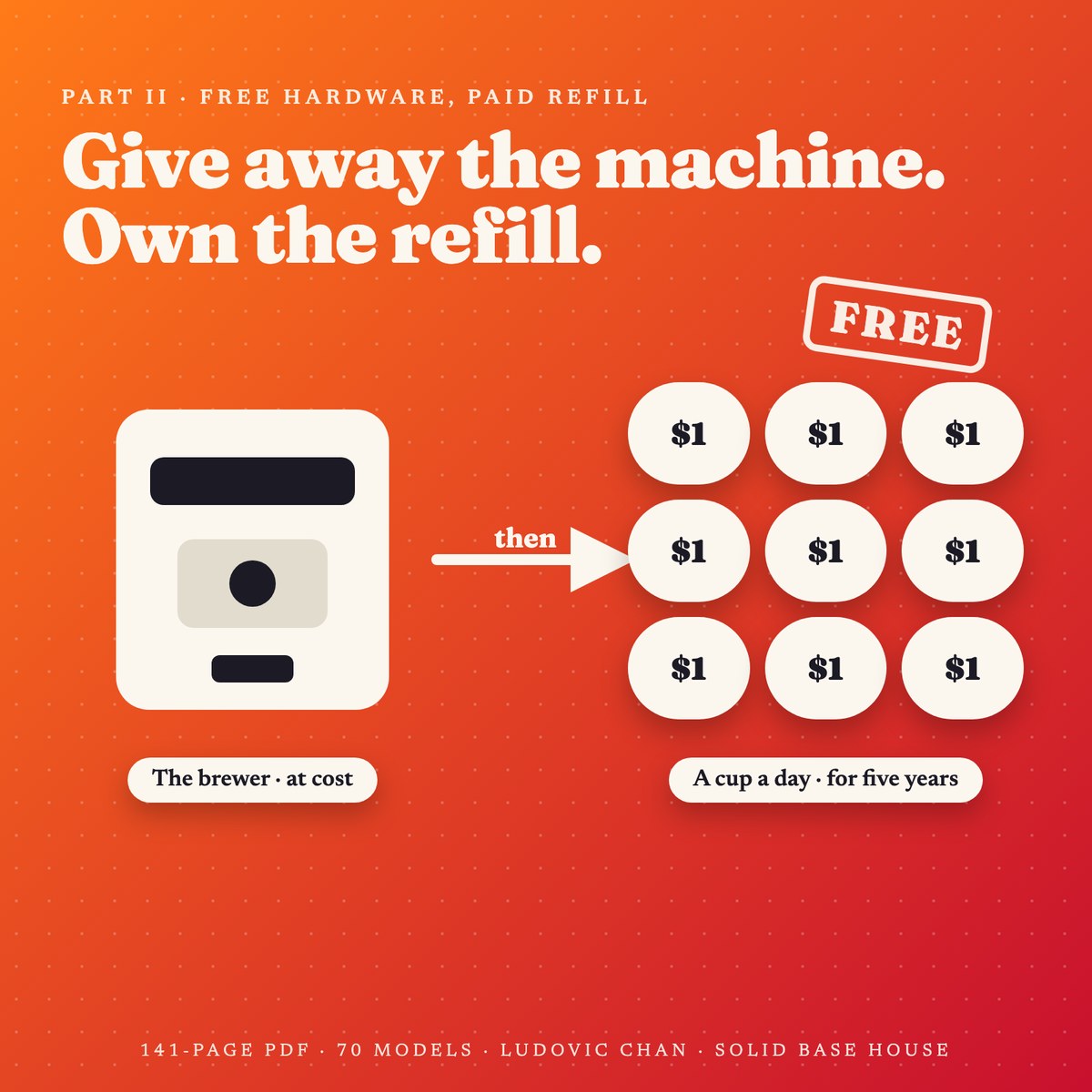
The coffee machine is sold at cost and the pods cost more per cup than a café. The gym charges ten dollars a month and would go bust if its members came. The biggest lodging company owns no rooms, the biggest taxi company owns no cars, and the furniture chain with the most showrooms has no stores, because its showrooms are its customers' living rooms. None of this is a trick, and none of it is charity. It is a way of thinking about where the money comes from that most owners of ordinary businesses have never been shown, because the people who use it do not explain it. They just keep taking your customers.
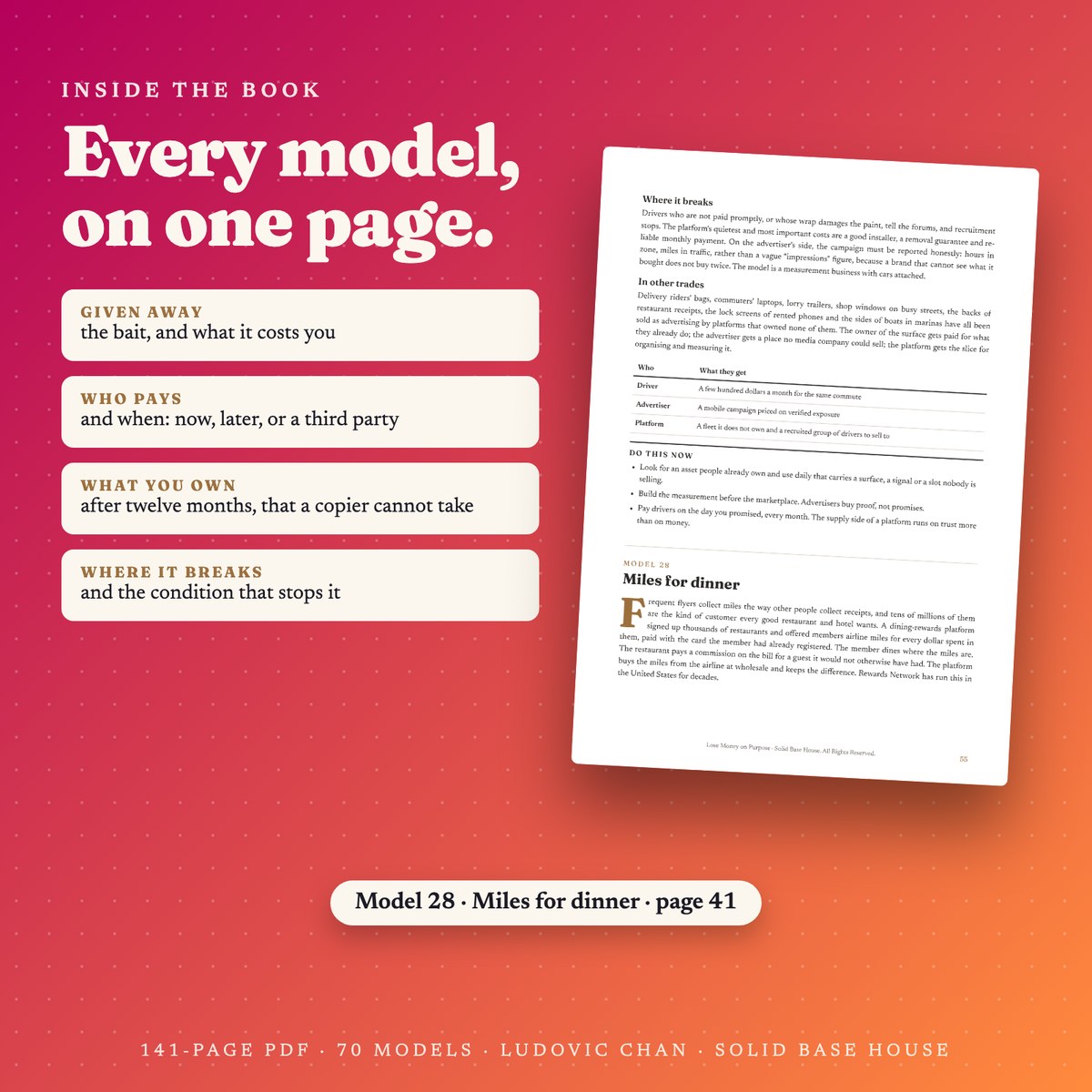
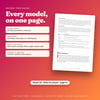
Lose Money on Purpose is a 141-page playbook of seventy business models built on one idea: the product is not the business, the customer is, and the product is how you get the customer. Each model gets its own entry: what is given away, who actually pays, what you end up owning, where the model breaks, how the same mechanism works in other trades, and two or three things to do if you want to try it. The models are grouped by mechanism rather than by industry, because the mechanism is what transfers: a pod machine, a water filter and a free card terminal are the same model wearing different clothes.
Written by a founder who has started companies with almost nothing and companies with plenty, and who once spent a year competing on price with a competitor who was not charging at all.
INSIDE, YOU'LL LEARN
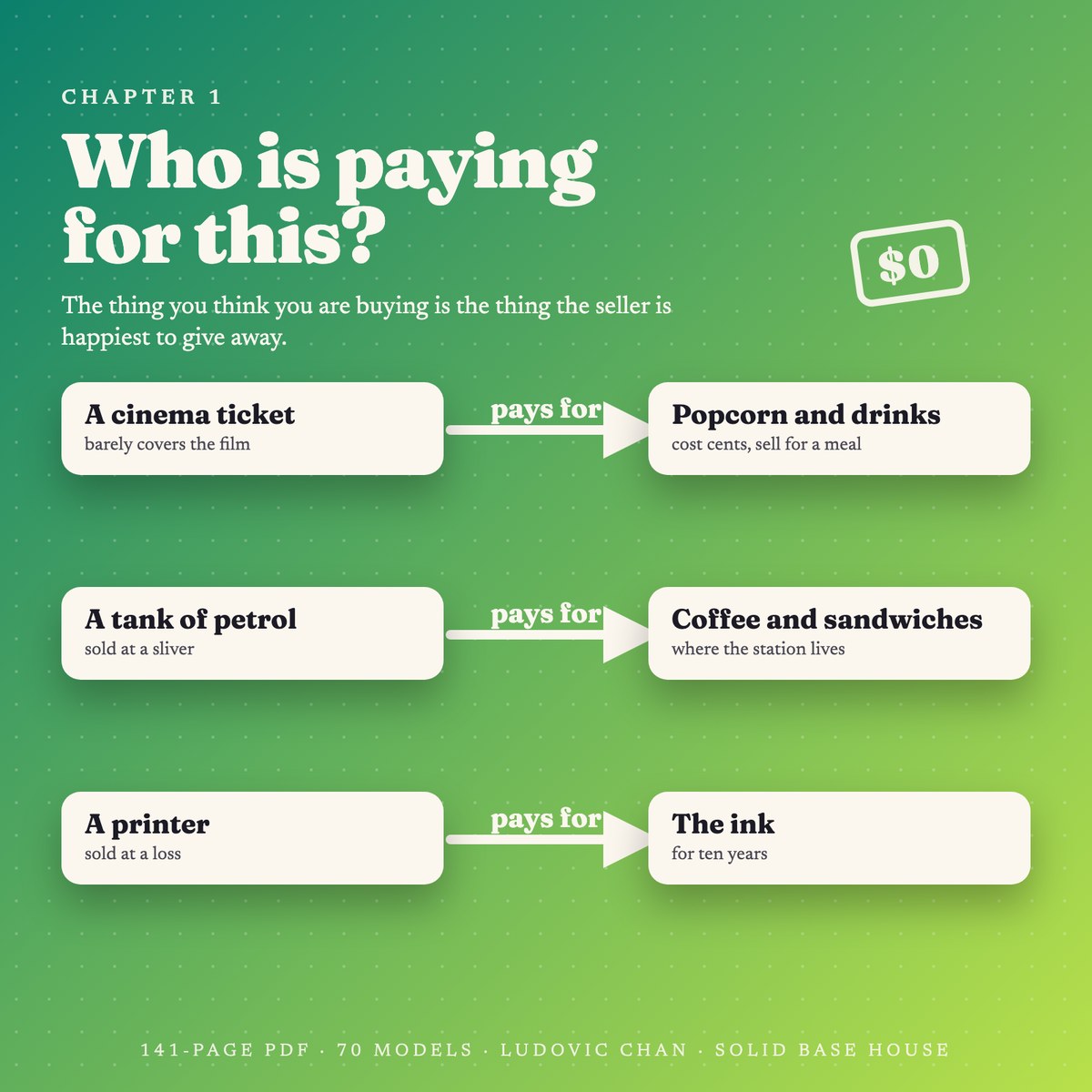
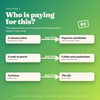
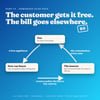
• The three questions to ask of any business, including yours: who is the customer, who pays and when, what do you end up owning (Chapter 1)
• The arithmetic of a deliberate loss: the two numbers to know before you make anything free, and three tests to run first (Chapter 2)
• Why the agent earns more than the talent, and why the owner who keeps seventy percent ends up with less than the one who keeps twenty (Chapter 3)
• Product, service, platform: why the same violinist earns a few dollars in a station and thousands in a hall (Chapter 4)
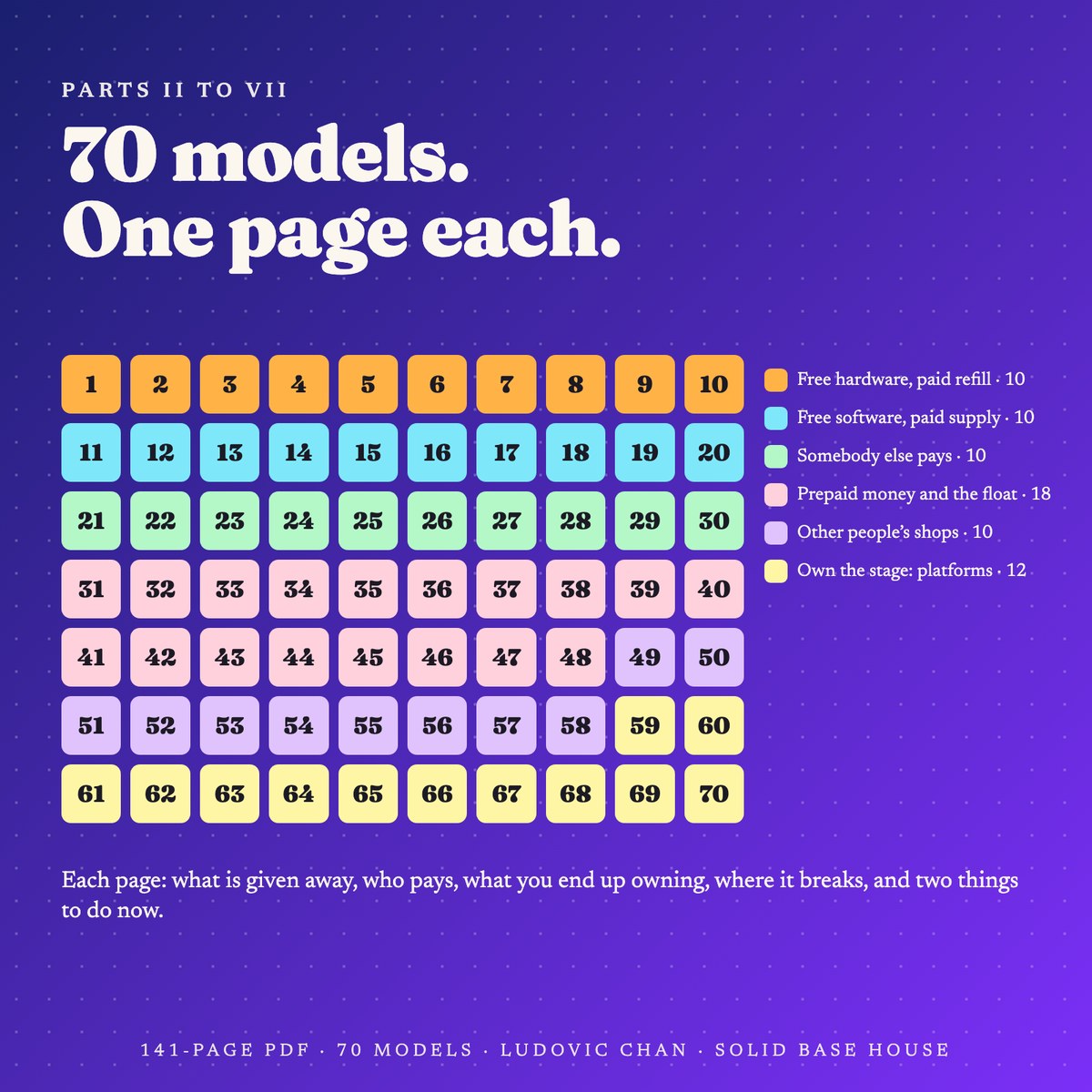
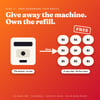
• Free hardware, paid refill: the pod machine, the free water filter, the metered air conditioner, the grandparent watch, the free card terminal (Models 1–10)
• Free software, paid supply: the free restaurant till that sells potatoes, the free car-wash system, the farm platform that sells feed (Models 11–20)
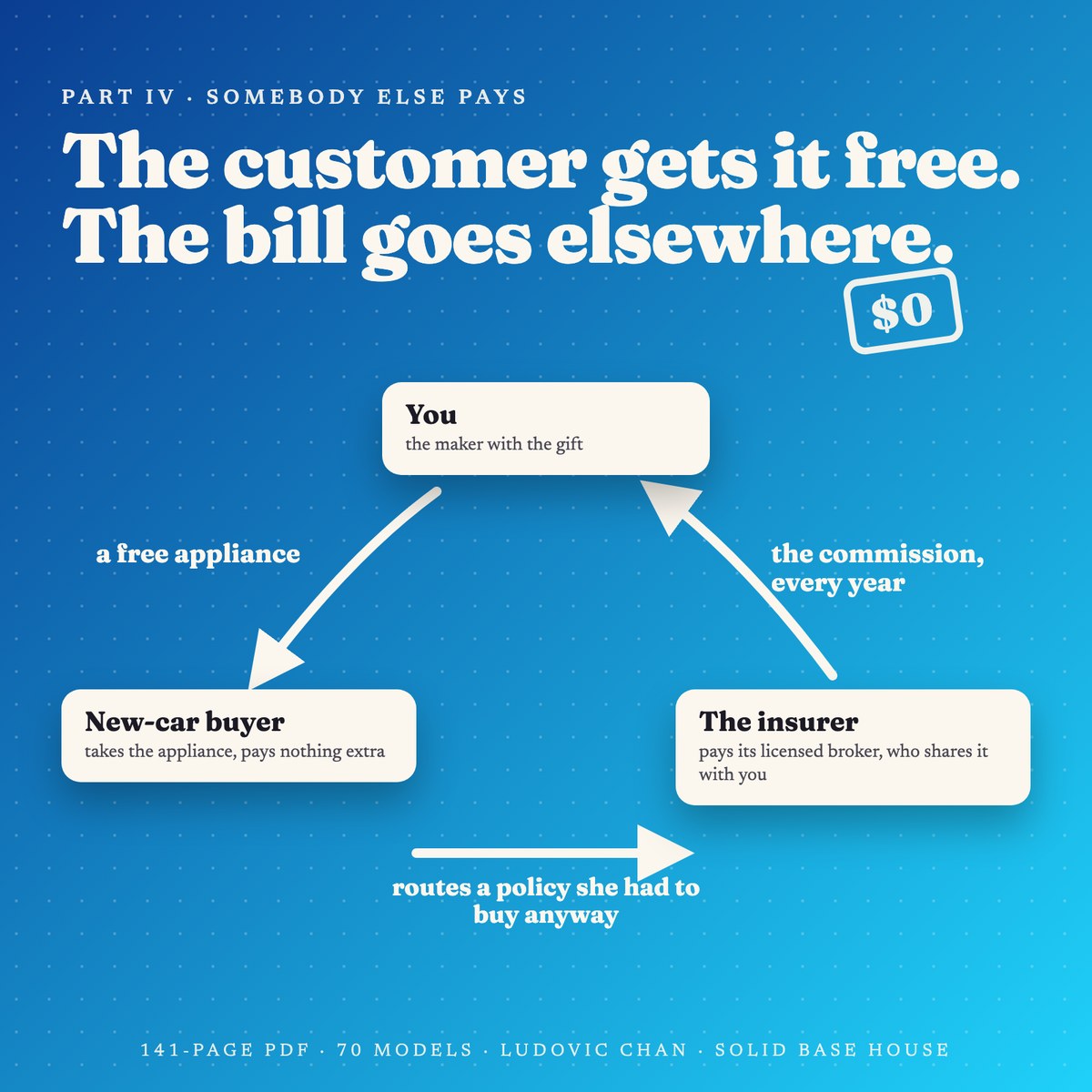
• Somebody else pays: the appliance the insurer paid for, the gift at face value, miles for dinner, the wrapped car, free Wi-Fi three ways (Models 21–30)
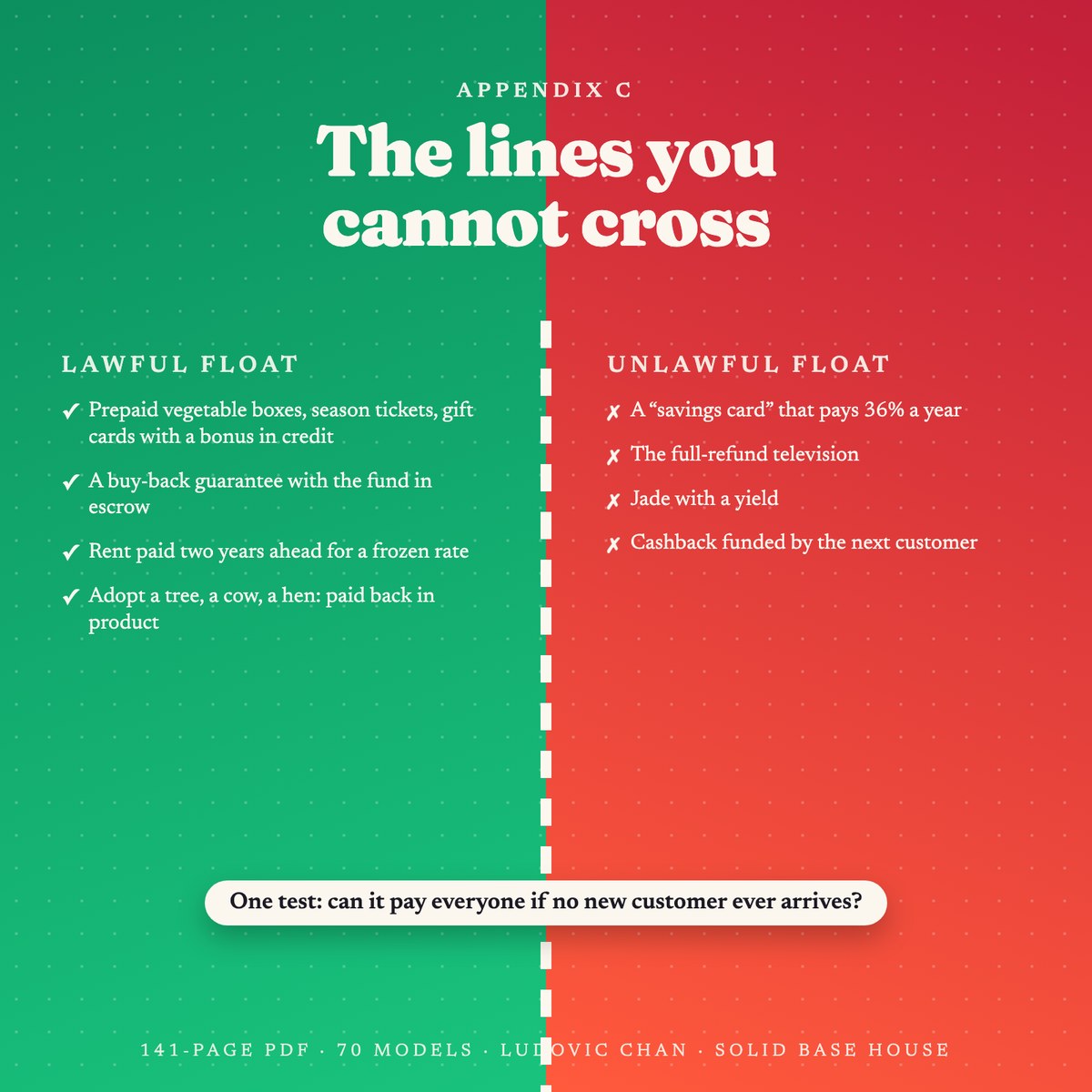
• Prepaid money, deposits and the float: adopt an olive tree, the bonus gift card, the buy-back guarantee, the lease-option takeover, the landlord who refunds the rent, and the schemes that are illegal almost everywhere, with the lawful version of each (Models 31–48)
• Other people's shops: the hotel that is a showroom, your customer's living room, snacks in the office, the counter in the dead hours, the micro-shop mall (Models 49–58)
• Platforms: the everywhere gym pass, the lunch subscription, the repair app, the merchant alliance, the wedding magazine that charges vendors (Models 59–70)
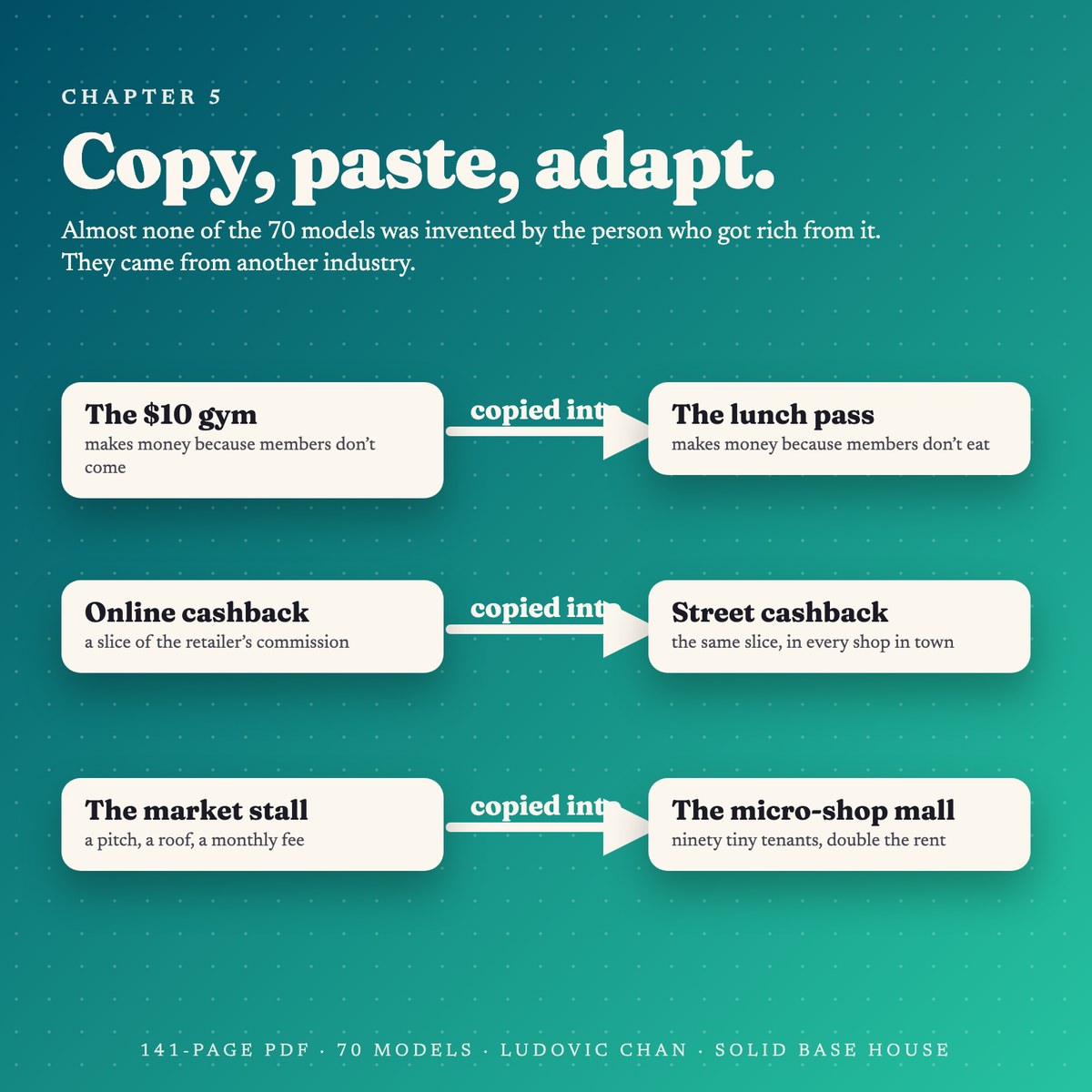
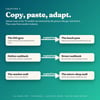
• Copy, paste, adapt: how almost every model was borrowed from another industry, and the five-step method for doing it yourself (Chapter 5)
• The five questions every model must answer, with a worked design for an independent pet shop (Chapter 6)
• Free, with conditions: seven conditions that keep the gift away from freeloaders, and why "free" is a regulated word (Chapter 7)
• Three ways money is made, and the one-sentence test that separates a float from a fraud (Chapter 8)
READY TO USE
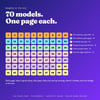
• Appendix A: the 70 models at a glance, with the legal note on each
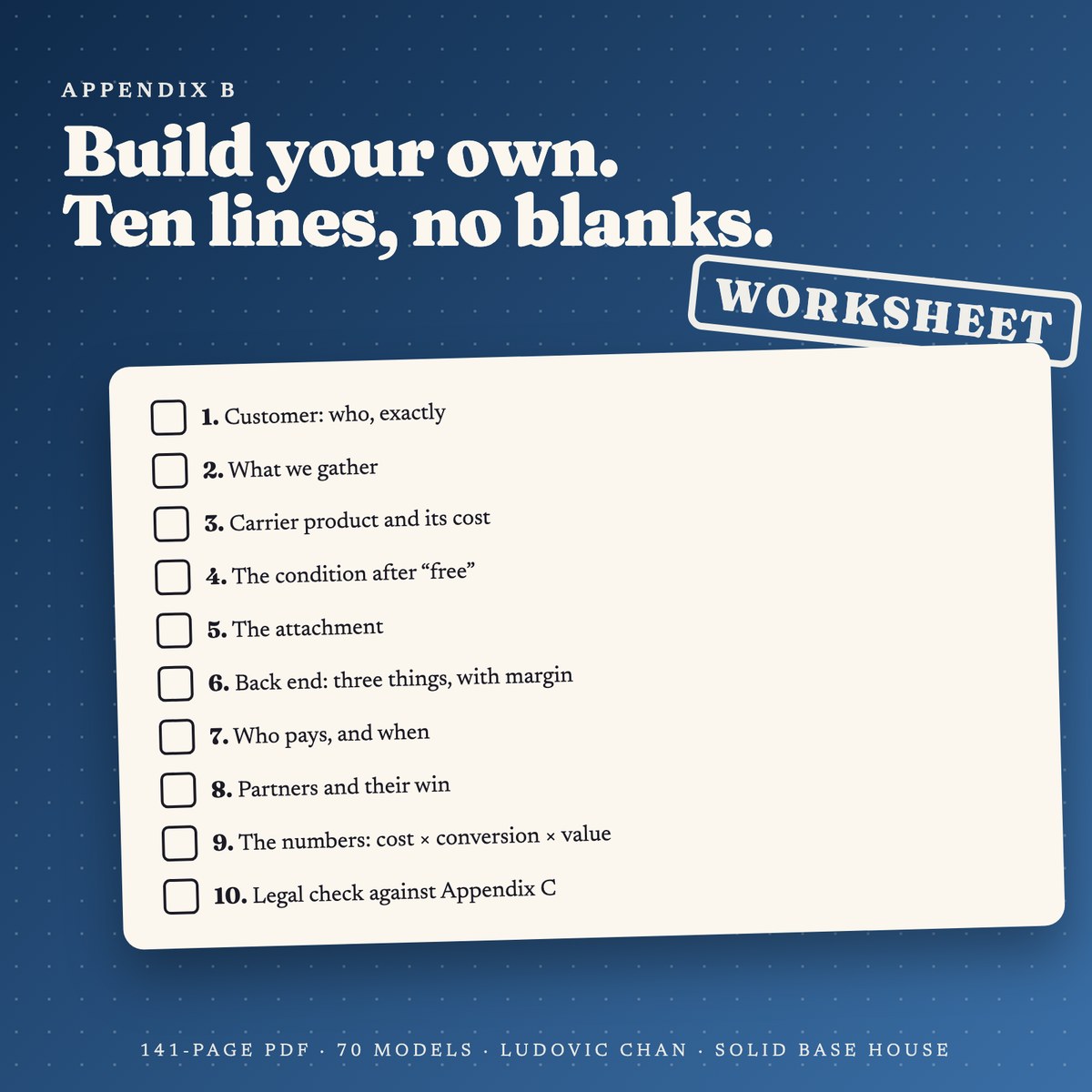
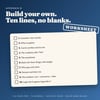
• Appendix B: the model worksheet, ten lines, no blanks
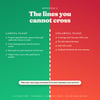
• Appendix C: the lines you cannot cross: thirteen regulated activities, what the law calls them, and the lawful shape of each
• Appendix D: three models fully costed, with every assumption written down
• Appendix E: glossary
NOT IN THIS BOOK
No get-rich schemes. Several of the models described are deposit-taking or Ponzi arithmetic in their original form, and they are in the book so that you recognise them, with the legal version beside each. Company names appear only where a model is famous and public; the rest are described without names, with round, illustrative numbers.
WHO IT IS FOR
Owners of small and mid-sized businesses, founders, and anyone whose product is being undercut by a competitor who does not need to make money on it. If you sell a thing at a margin and wonder why the margin keeps shrinking, this is the book.
FORMAT
PDF ebook, A4, 141 pages, typeset to read on a tablet or print at home. Instant download. First edition, 2026.
GUARANTEE
If the book doesn't give you at least one model you could test in your own business this quarter, reply to the delivery email within seven days and the price is refunded. Keep the PDF.