
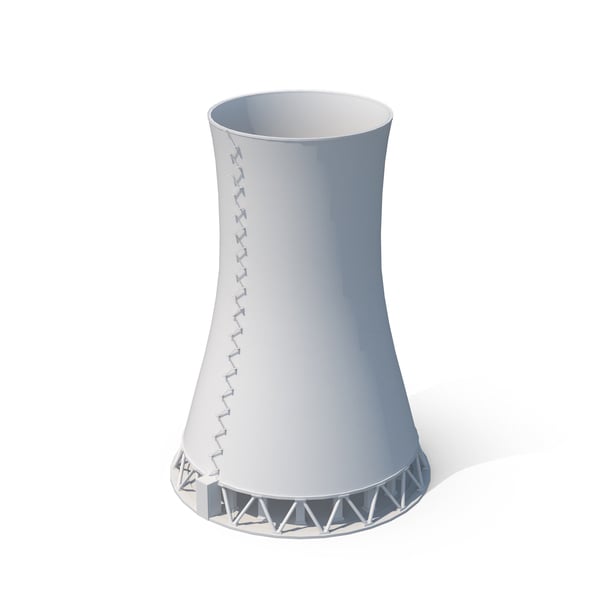
Energy Models and the Pioneering Work of RT-Models
In the modern era, where sustainability and efficient energy management are not just priorities but necessities, the concept of energy modeling has emerged as a critical tool for governments, businesses, and research institutions alike. Energy models allow for the simulation, prediction, and analysis of energy consumption, production, and distribution within a defined system, offering insights that are crucial for decision-making. One company at the forefront of this technological and analytical field is RT-Models, a leader in creating sophisticated energy modeling solutions that serve a variety of industries.
Understanding Energy Models
An energy model is essentially a computational representation of energy systems. These systems can be small-scale, such as a single building or manufacturing facility, or large-scale, encompassing entire cities, regions, or national grids. Energy models aim to simulate how energy flows through these systems, how it is consumed, and how interventions or changes—like implementing renewable energy sources—might affect overall efficiency and sustainability.
The core of any energy model lies in its ability to integrate a wide range of variables, such as:
- Energy supply and demand
- Weather conditions
- Technological efficiency
- Economic factors
- Policy regulations
By considering these factors, energy models help predict future energy consumption, identify potential inefficiencies, and explore scenarios for reducing environmental impact. For businesses, this translates into cost savings and better resource management. For governments and planners, it aids in policy-making and long-term energy strategy development.
The Role of RT-Models
RT-Models has distinguished itself in the energy sector by providing highly accurate, customizable energy modeling solutions that cater to both commercial and industrial needs. Their approach combines advanced data analytics, simulation algorithms, and domain expertise to create models that are not only technically robust but also practical for real-world application.
One of the distinguishing features of RT-Models is their focus on flexibility. Unlike generic energy modeling tools that often require extensive customization to fit specific use cases, RT-Models develops solutions that are inherently adaptable. This allows clients to model various scenarios—such as shifts from fossil fuels to renewables, implementation of smart grid technologies, or optimization of building energy management systems—without the need for significant reprogramming or restructuring.
Applications of Energy Models
Energy models developed by RT-Models find application across multiple sectors:
- Urban Planning and Smart Cities
- Cities consume massive amounts of energy, and urban planning increasingly relies on predictive energy models to design sustainable infrastructures. RT-Models provides tools that help planners understand energy flows in real time, simulate future demand, and assess the environmental impact of new developments. By integrating renewable energy sources, electric vehicle infrastructure, and energy-efficient building designs into their models, planners can make data-driven decisions that lead to greener cities.
- Industrial Energy Management
- For industrial facilities, energy costs often represent a significant portion of operational expenses. RT-Models assists factories and manufacturing plants in analyzing their energy consumption patterns, identifying inefficiencies, and implementing strategies for energy optimization. This includes everything from improving machinery efficiency to better scheduling of energy-intensive processes.
- Policy and Regulatory Analysis
- Governments and regulatory bodies utilize energy models to forecast the implications of policy changes. For example, introducing a carbon tax or incentivizing renewable energy adoption requires careful assessment of economic and environmental impacts. RT-Models’ solutions allow policymakers to run multiple scenarios and evaluate potential outcomes, ensuring that policies are both effective and sustainable.
- Renewable Energy Integration
- As the world shifts toward renewable energy, one of the biggest challenges is integrating variable energy sources such as solar and wind into existing grids. RT-Models provides simulations that account for fluctuating energy outputs, storage requirements, and grid stability, enabling energy providers to plan for smooth transitions and maintain consistent supply.
The Technology Behind RT-Models
RT-Models leverages advanced computational techniques to create precise and actionable energy models. Their platform integrates data from multiple sources, including energy meters, weather forecasts, building management systems, and even satellite data. Using machine learning and artificial intelligence, their models can detect patterns, predict energy demand, and suggest optimization strategies with remarkable accuracy.
Another key aspect of RT-Models’ technology is its ability to handle large datasets in real time. This is particularly useful for applications in smart grids and energy management systems, where immediate responses to demand changes are critical. By providing real-time analytics and predictive insights, RT-Models enables energy managers to make decisions that reduce costs, enhance efficiency, and minimize environmental impact.
Benefits of Using RT-Models
The advantages of employing Green energy model from RT-Models are manifold:
- Efficiency Improvement: By identifying inefficiencies, businesses and municipalities can implement targeted strategies to reduce energy consumption.
- Cost Savings: Optimizing energy use translates directly into financial savings, particularly for industries with high energy demand.
- Sustainability: Energy models facilitate the adoption of cleaner energy sources, helping organizations meet sustainability goals and regulatory requirements.
- Risk Mitigation: Predictive modeling allows stakeholders to anticipate potential energy shortages or disruptions and plan accordingly.
- Data-Driven Decision Making: RT-Models provides actionable insights, enabling decision-makers to make informed choices based on concrete data rather than intuition alone.
Case Studies and Success Stories
Several organizations have benefited from RT-Models’ energy modeling solutions. For instance, a mid-sized industrial manufacturer used RT-Models to evaluate its energy usage across multiple facilities. By simulating various efficiency interventions, the company identified opportunities to reduce energy consumption by 20%, resulting in substantial cost savings while simultaneously lowering its carbon footprint.
Similarly, a municipal government employed RT-Models to design a smart city energy plan. By simulating the integration of solar panels, energy storage systems, and electric vehicle charging stations, the city was able to optimize its energy grid, reduce reliance on fossil fuels, and plan for future growth efficiently.
The Future of Energy Modeling
The field of energy modeling is evolving rapidly, driven by the need for sustainable development, technological innovation, and increasing energy demand. RT-Models is positioned to remain a leader in this space due to its commitment to innovation, accuracy, and client-focused solutions. Emerging trends such as AI-driven predictive analytics, blockchain-based energy trading, and enhanced renewable energy integration are areas where RT-Models continues to expand its capabilities.
As energy systems grow more complex, the importance of precise modeling cannot be overstated. Energy models are no longer just analytical tools—they are strategic assets that inform policy, guide investment, and shape the future of sustainable energy.
Conclusion
Energy modeling is a vital tool in today’s energy-conscious world, enabling better understanding, planning, and management of complex energy systems. RT-Models stands out as a pioneering company in this field, offering solutions that are technically sophisticated, versatile, and practical. Through their work, businesses, governments, and institutions are empowered to make informed decisions that improve efficiency, reduce costs, and advance sustainability goals.
With energy challenges becoming increasingly pressing, the role of RT-Models and its advanced energy modeling solutions will continue to grow, providing the insights necessary to navigate the future of energy effectively. By bridging the gap between complex data and actionable strategies, RT-Models is not just modeling energy—it is shaping a smarter, more sustainable world.