

Civil Law Studies — Roman, English and American Traditions — Year 1896
What if the foundations of English and American law were not just homegrown, but rooted in the wisdom of Rome?
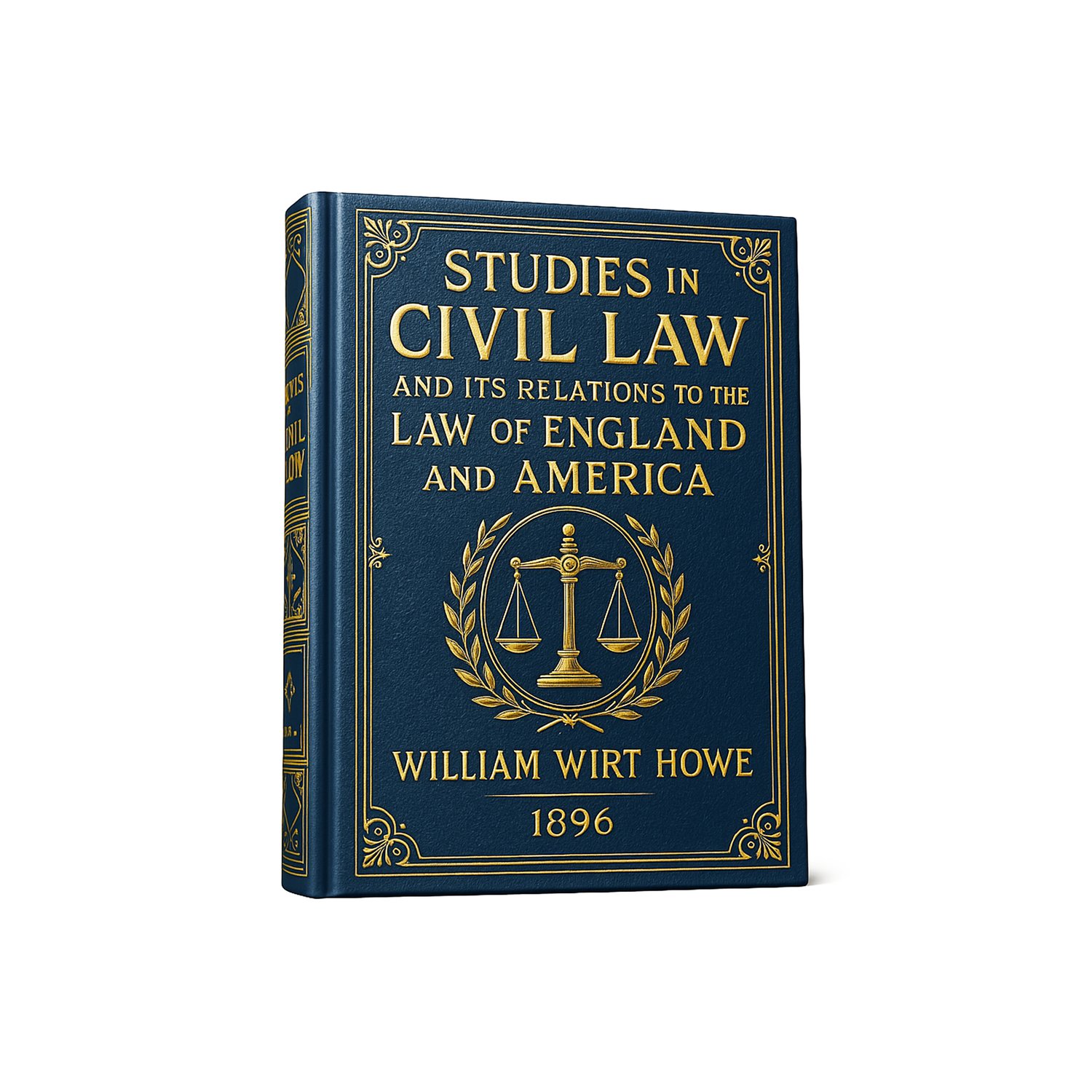
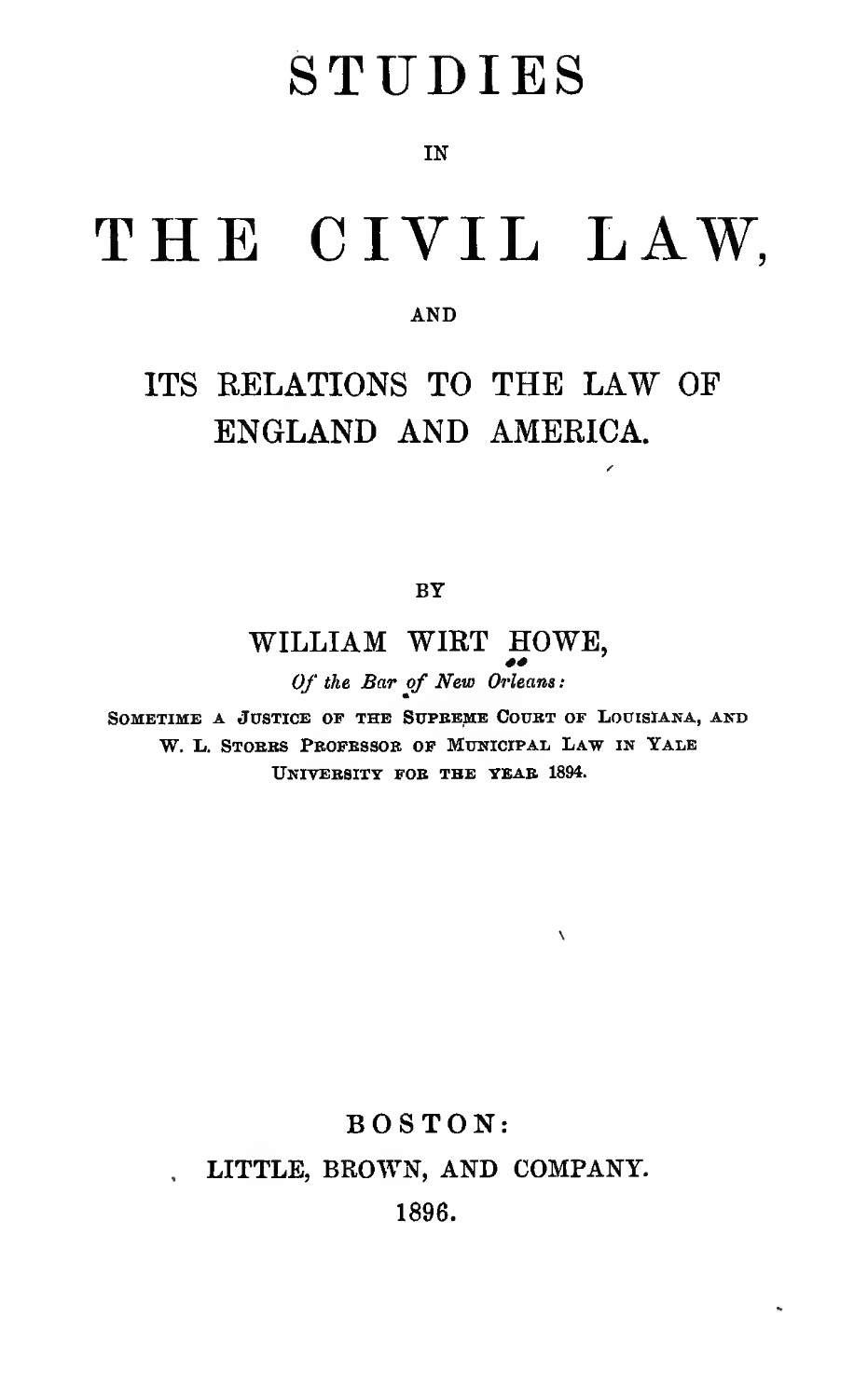
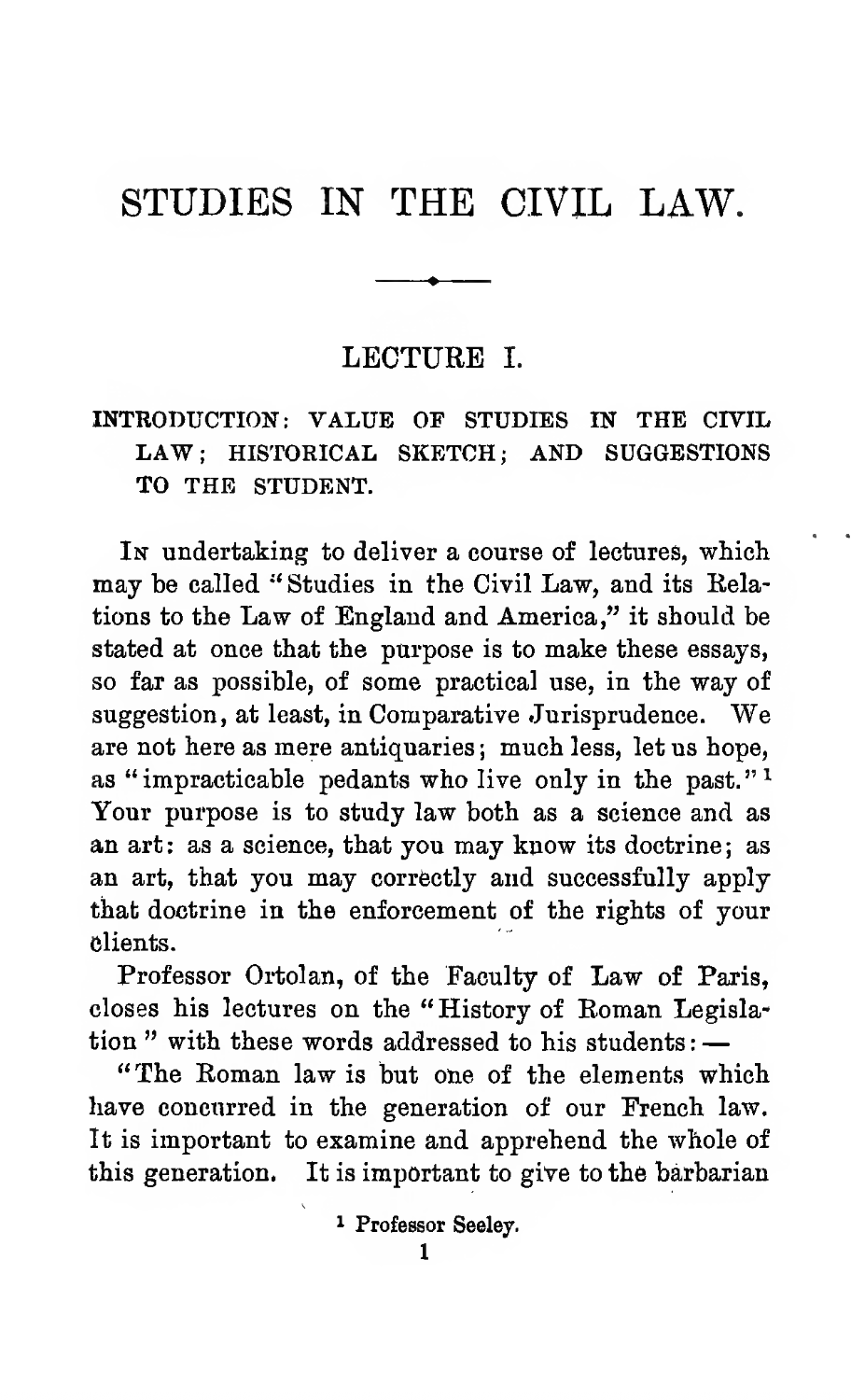
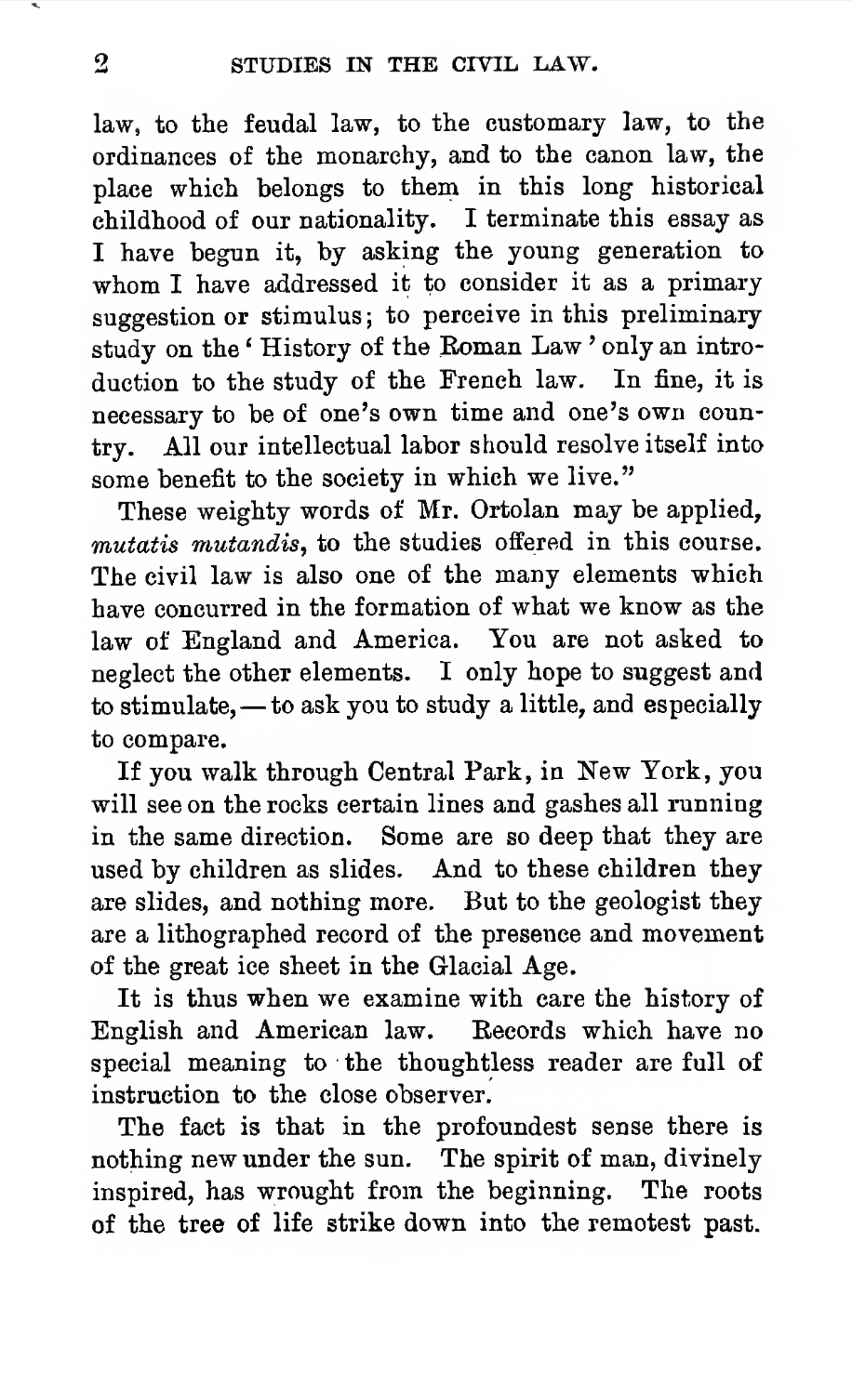
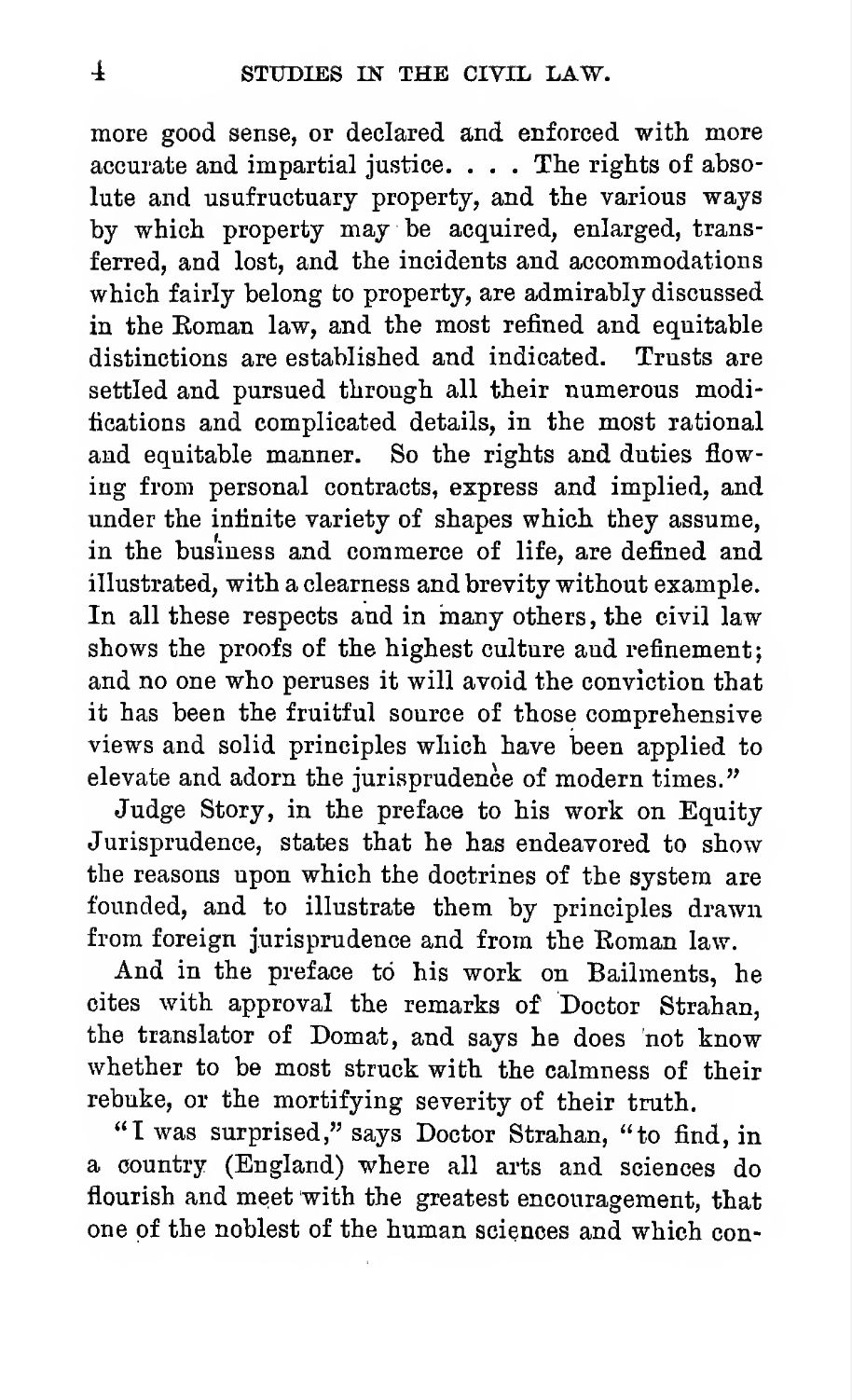
In Studies in the Civil Law (1896), William Wirt Howe—Justice of the Louisiana Supreme Court and Yale Law Professor—unveils the deep connections between Roman civil law and Anglo-American jurisprudence.
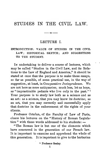
Originally delivered as the Storrs Lectures at Yale, this work bridges centuries of legal thought.
Howe traces the Roman jurists, the Twelve Tables, the Institutes of Gaius, and Justinian’s Corpus Juris Civilis, showing how these ancient principles survived in the civil codes of France, Spain, and Louisiana, and how they continue to shape common law reasoning today.
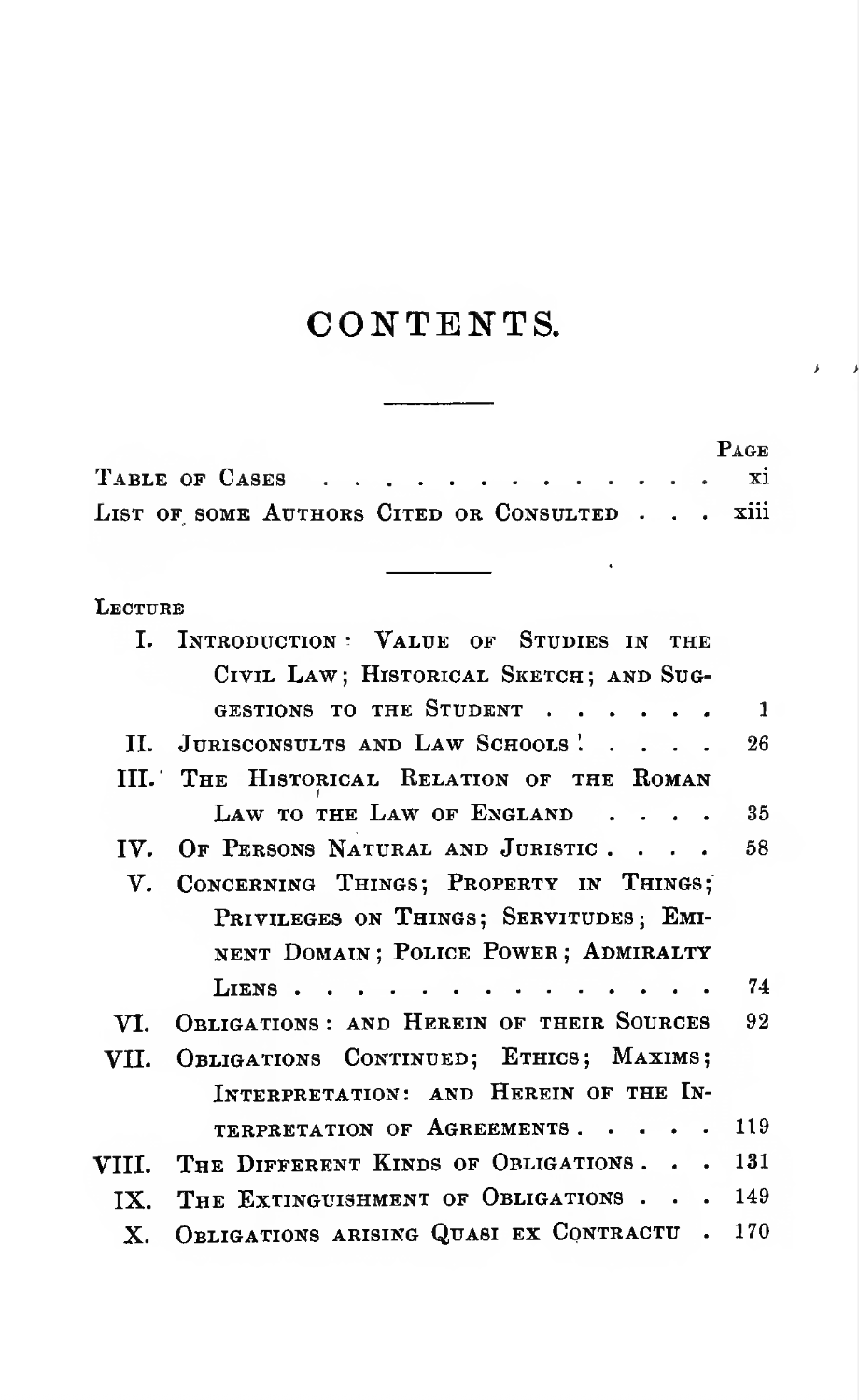
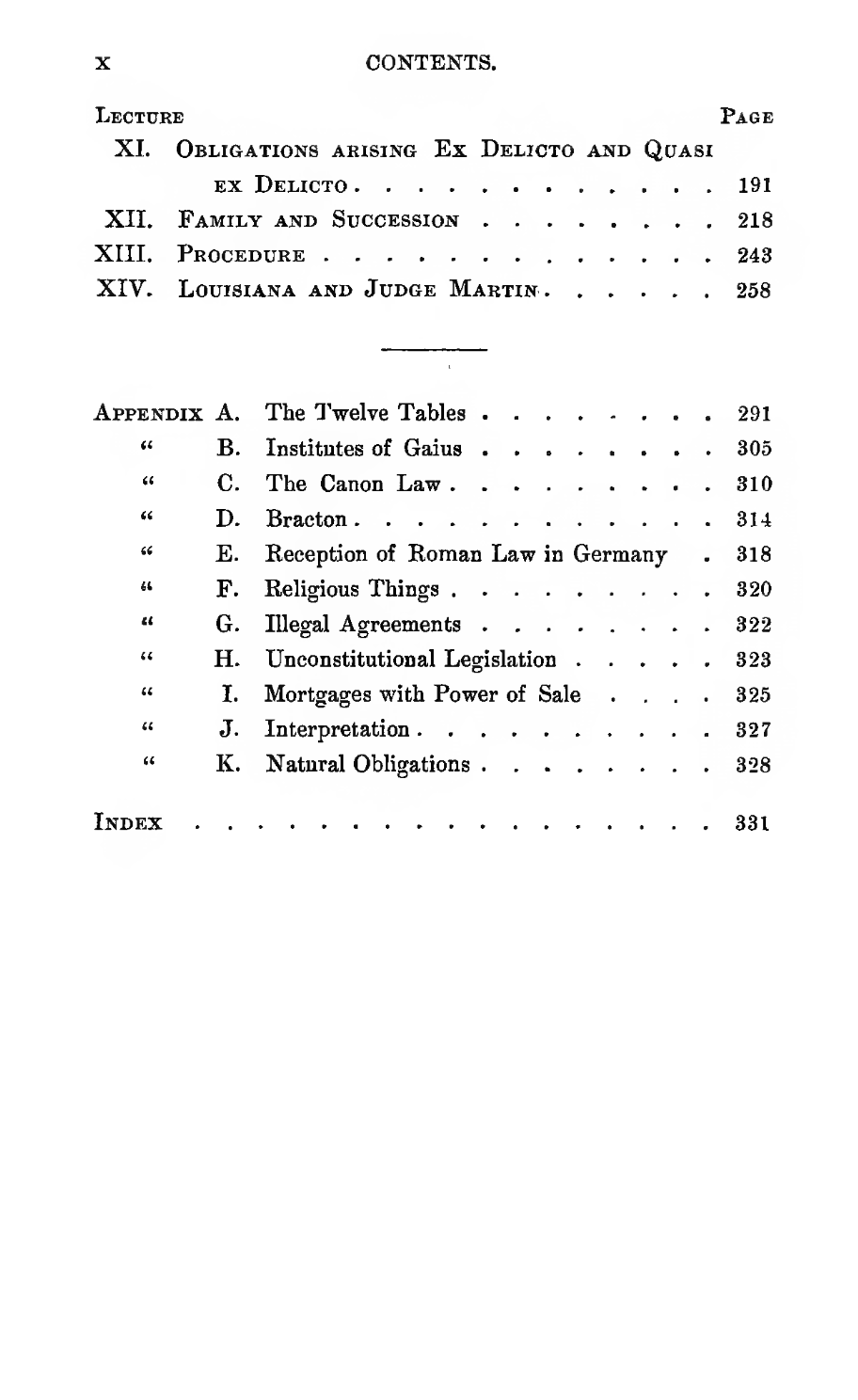
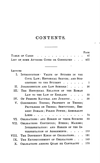
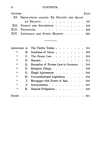
Chapters explore persons and property, contracts and obligations, succession, family law, and procedure.
Howe highlights how doctrines of equity, constitutional limits, and judicial interpretation carry Roman DNA into modern American courts.
Appendices even include the Twelve Tables, Gaius, the Canon Law, and the reception of Roman law in Europe.
This is more than legal history—it is comparative jurisprudence at its finest.
Howe reveals law as a living organism, shaped by evolution, survival, and adaptation. For students, scholars, and practitioners, this eBook offers both intellectual inspiration and practical insight into the shared roots of Western legal systems.
📖 Pages: 367
📌 Digital Format Only (eBook) – No printed or physical book will be mailed.