
Why Darker Skin Tones Are More Prone to Hyperpigmentation
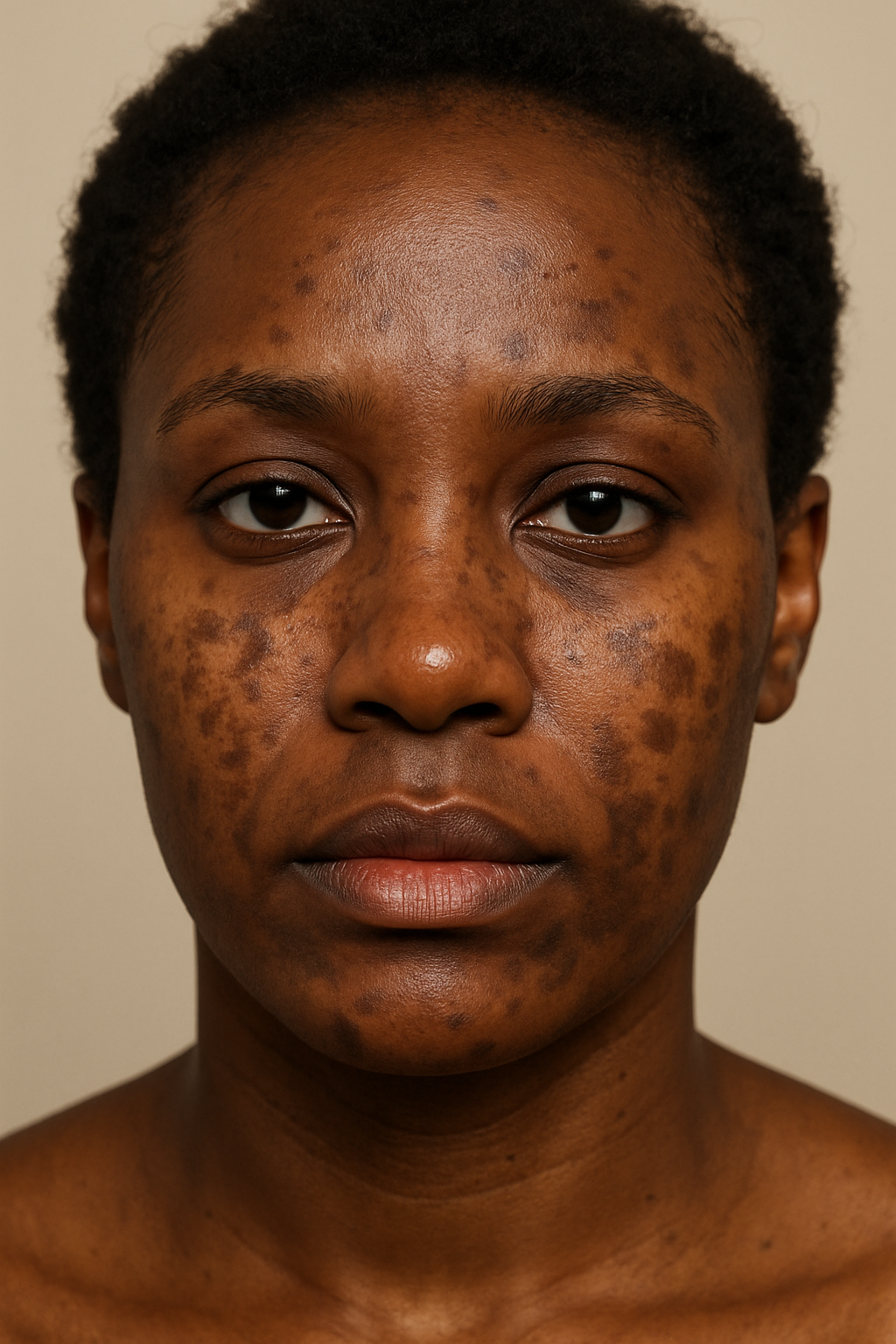
Hyperpigmentation is a common skin concern affecting individuals of all ethnic backgrounds. However, those with darker skin tones are more prone to developing various types of pigmentation issues, including post-inflammatory hyperpigmentation (PIH), melasma, and sun spots. Understanding the underlying biology, environmental factors, and formulation considerations is essential for creating products that are both effective and safe for melanin-rich skin.
This document explores the science behind melanin production, the differences in skin structure, the mechanisms of hyperpigmentation, and why darker skin tones are more susceptible to pigmentation disorders. It also discusses appropriate treatment and prevention strategies, including ingredient selection and regulatory considerations for the Australian cosmetic industry.
Understanding Melanin and Skin Tone
Skin colour is primarily determined by the presence and activity of melanocytes, the specialised cells in the basal layer of the epidermis responsible for producing melanin. Melanin is the pigment that gives skin, hair, and eyes their colour. There are two main types of melanin: eumelanin, which is brown to black in colour, and pheomelanin, which is yellow to reddish.
In darker skin tones, melanocytes produce more eumelanin and transfer it more efficiently to surrounding keratinocytes. Importantly, while the number of melanocytes is relatively consistent across all ethnicities, their activity, size, and the distribution of melanin granules differ. These variations account for the deeper pigmentation seen in darker skin tones.
How Melanin Provides Protection
Melanin acts as a natural defence mechanism against ultraviolet (UV) radiation. In darker skin, the higher concentration and larger size of melanosomes provide a greater degree of photoprotection. This reduces the risk of sunburn and certain types of skin cancer. However, this protective barrier does not prevent the development of uneven pigmentation when the skin is exposed to inflammation or trauma.
Melanin absorbs and dissipates up to 75 percent of UV radiation in darker skin, compared to around 25 percent in lighter skin. While this is beneficial, it also means that any injury or inflammation that stimulates melanin production has the potential to result in lasting dark marks.
Why Darker Skin is More Prone to Hyperpigmentation
Several biological factors contribute to the increased risk of hyperpigmentation in darker skin tones:
1. Hyperactive Melanocytes
Darker skin contains melanocytes that are not only more efficient at synthesising melanin but also more reactive to stimulation. Any inflammation, injury, or hormonal fluctuation can trigger excess melanin production, leading to pigmentation that is more pronounced and longer-lasting than in lighter skin tones.
2. Higher Risk of Post-Inflammatory Hyperpigmentation
Post-inflammatory hyperpigmentation (PIH) occurs when the skin produces excess melanin in response to inflammation, such as acne, eczema, dermatitis, or even minor wounds. In darker skin, PIH is more severe and can persist for months or even years without treatment. The pigment often penetrates deeper into the dermis, making it more resistant to topical therapies.
3. Increased Baseline Melanin Activity
The baseline level of melanin activity in darker skin is naturally higher, meaning that any increase in melanogenic signals can quickly result in visible changes in skin tone. This is particularly relevant in the context of skincare products that may inadvertently irritate the skin, such as exfoliants or active acids.
4. Greater Tendency Toward Dermal Pigmentation
In some cases, melanin produced in response to inflammation or UV exposure becomes trapped in the dermis. This dermal pigmentation, often seen as blue-grey or brown patches, is more common in darker skin types and is significantly more challenging to treat.