








BEGINNER "DO-IT-YOURSELF" BOOKKEEPING COURSE

 Calling all SMALL BUSINESS OWNERS!!! Are you ready to embark on a business bookkeeping journey???
Have you opened a new Online, Storefront or Service-Based Business, and are struggling with setting up/maintaining your business financial information???
 Are you ready to TRANSFORM your FINANCIAL MANAGEMENT PROCESS into a effective BOOKKEEPING SYSTEM???
Are you ready to INVEST in the FINANCIAL SUCCESS of your Small Business???
Take the leap and invest in your financial future with our "Business Bookkeeping For Beginners" Course ... the ultimate comprehensive guide designed exclusively for small business owners like you!!!
This in-depth course takes you on an exciting journey, equipping you with the knowledge and skills needed to navigate the complexities of Financial Management confidently, and successfully.
As well, this program provides you with downloadable and printable PDF Lessons, allowing you to learn at your own pace, from wherever you choose.
WHAT YOU WILL LEARN IN THIS COURSE:
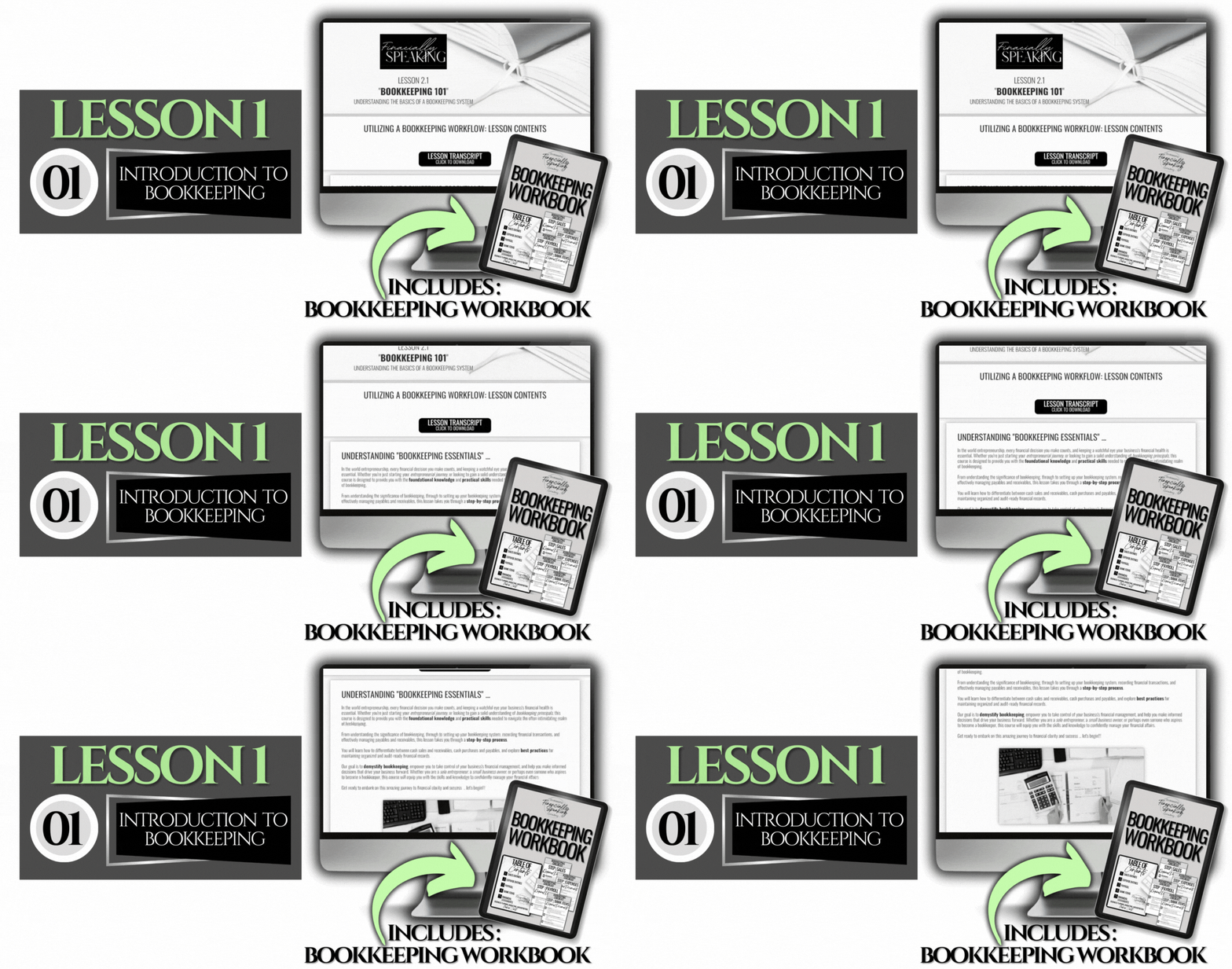
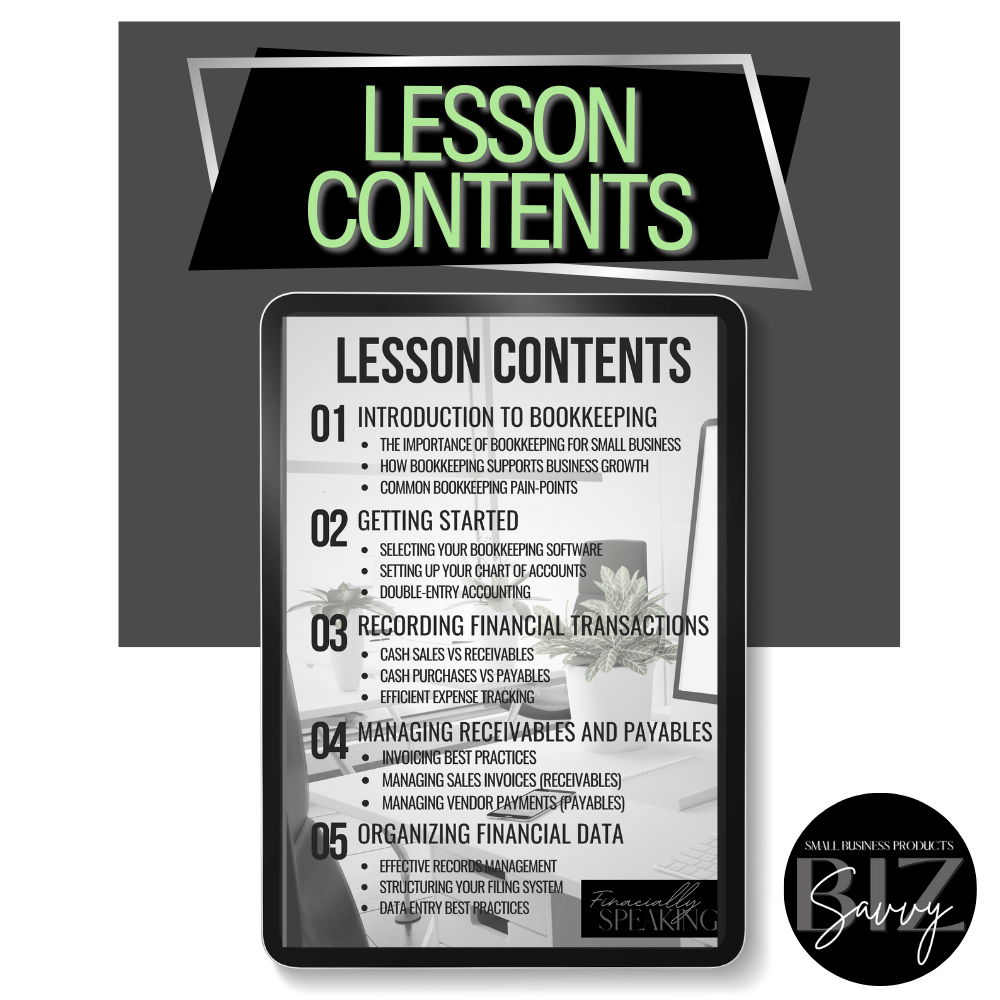
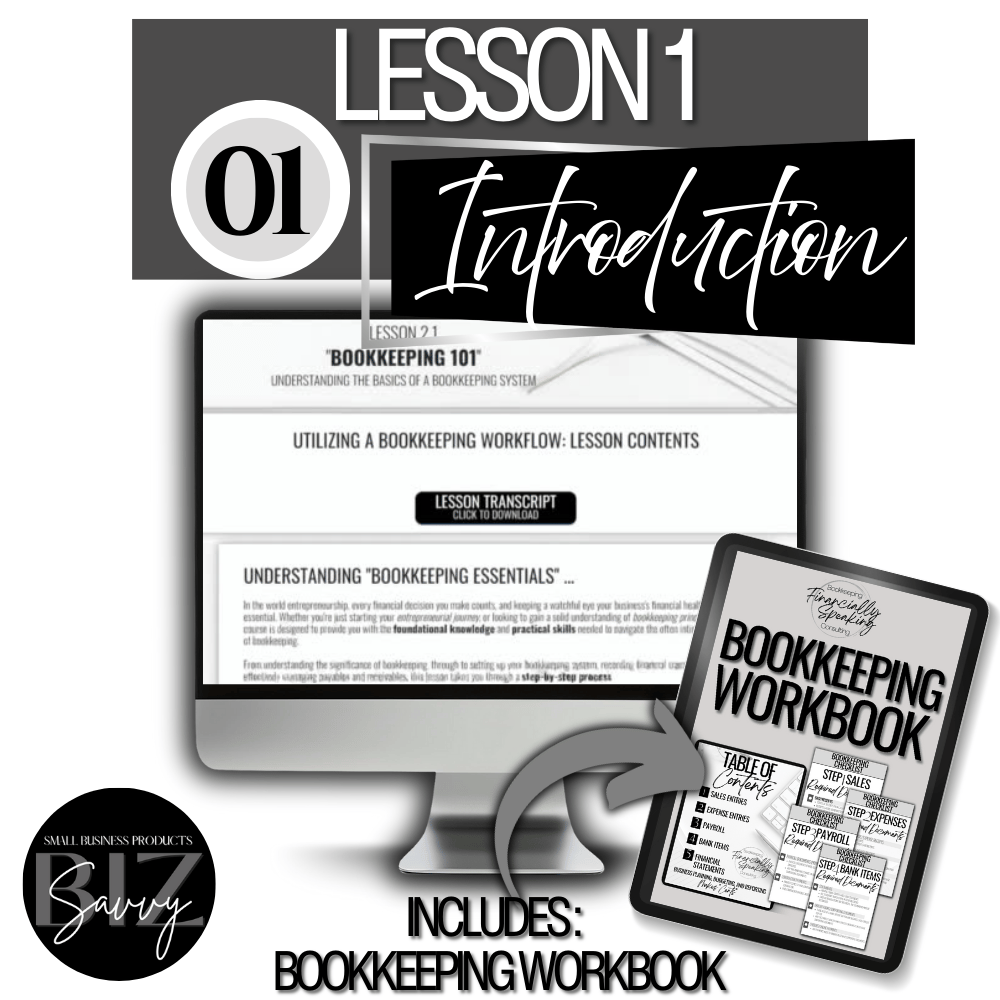
LESSON 1: INTRODUCTION TO BOOKKEEPING
🚀 SECTION 1: THE IMPORTANCE OF BOOKKEEPING FOR SMALL BUSINESS
Bookkeeping is often perceived as a daunting financial task. However, once the "overwhelm" of learning and creating a custom system is surpassed, this vital tool will empower you to take your business to the next level by assisting with:
- Financial Control/Decision Making
- Tax Compliance/Taxes
- Growth Opportunities
- Risk Management
By the end of this section, you will have a better understanding of what bookkeeping means to your
business, and that it isn't simply a monthly "task" but rather a "strategic tool" that you must utilize
throughout your business journey ...
🚀 SECTION 2: HOW BOOKKEEPING SUSTAINS BUSINESS GROWTH
This section is your "roadmap" to understanding the strategic advantages that an effective
bookkeeping system will provide for your business. We will uncover how it will empower you to:
- Create Financial Clarity During Business Expansion
- Plan/Forecast Your Business's Financial Future
- Secure Funding
- Increase Cost Control And Profit Maximization
- Enhance Operational Efficiency
- Create Efficient Cash Flow Management
- Increase Your Business's Competitive Advantage
From maintaining a healthy cash flow to gaining a competitive edge in your business market, we will
discover how bookkeeping is the tool you will utilize to propel your business forward ...
🚀 SECTION 3: IDENTIFYING COMMON BOOKKEEPING "PAIN-POINTS"
Understanding the common challenges, or "pain-points" as they are commonly referred to as, is the first step in addressing them effectively. Small business owners often encounter issues such as:
- Data Entry Errors
- Missing Receipts/Documents
- Disorganized Records
- Time Constraints
- Software/Tools Selection
This section will prepare you to tackle the above-listed challenges head-on, and utilize established systems overcome the overwhelm of managing your financial system ...
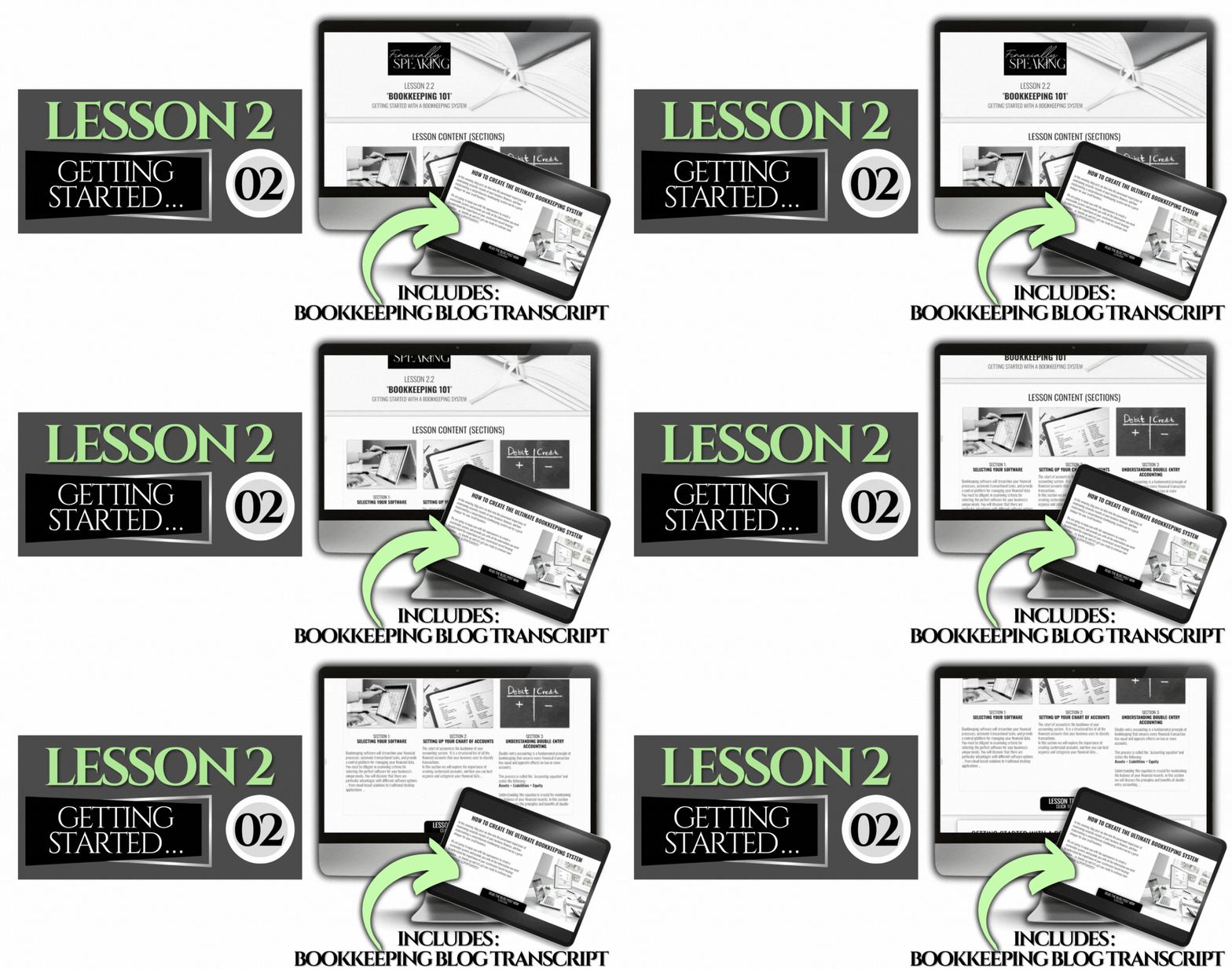
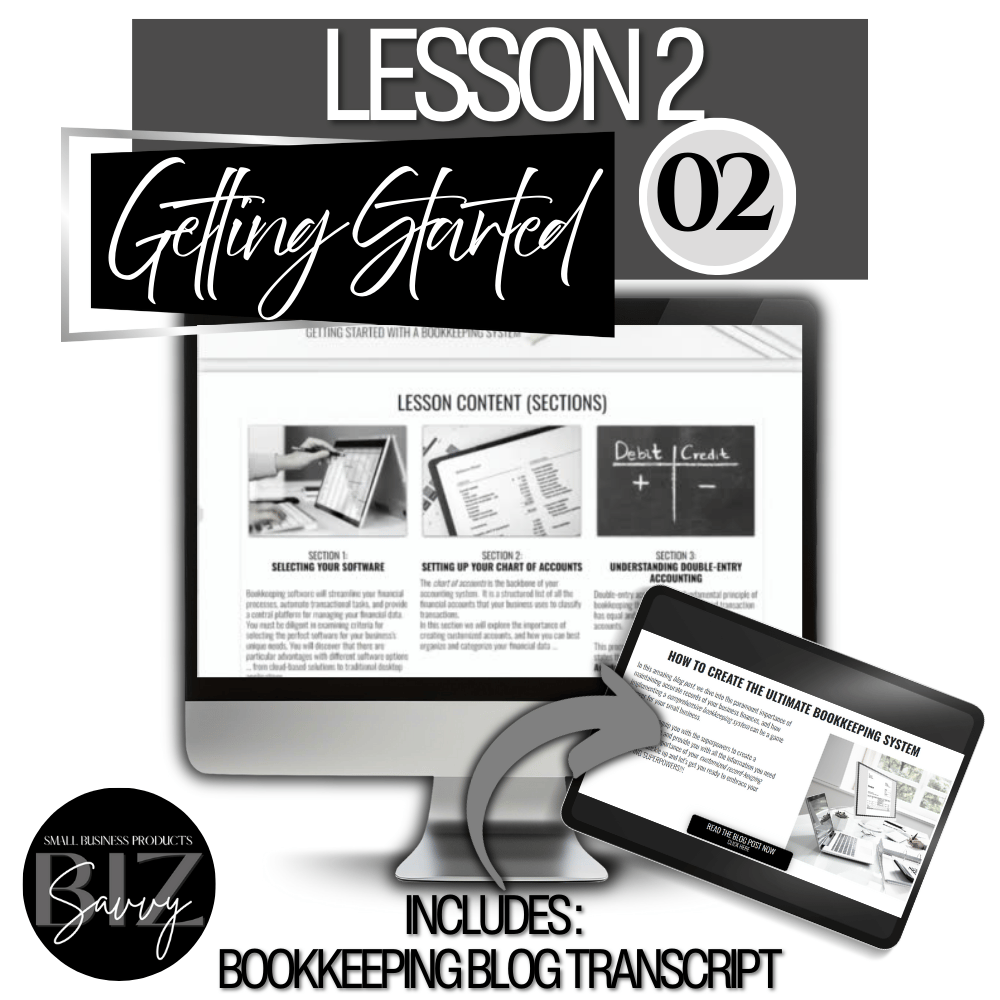
LESSON 2: GETTING STARTED WITH A BOOKKEEPING SYSTEM
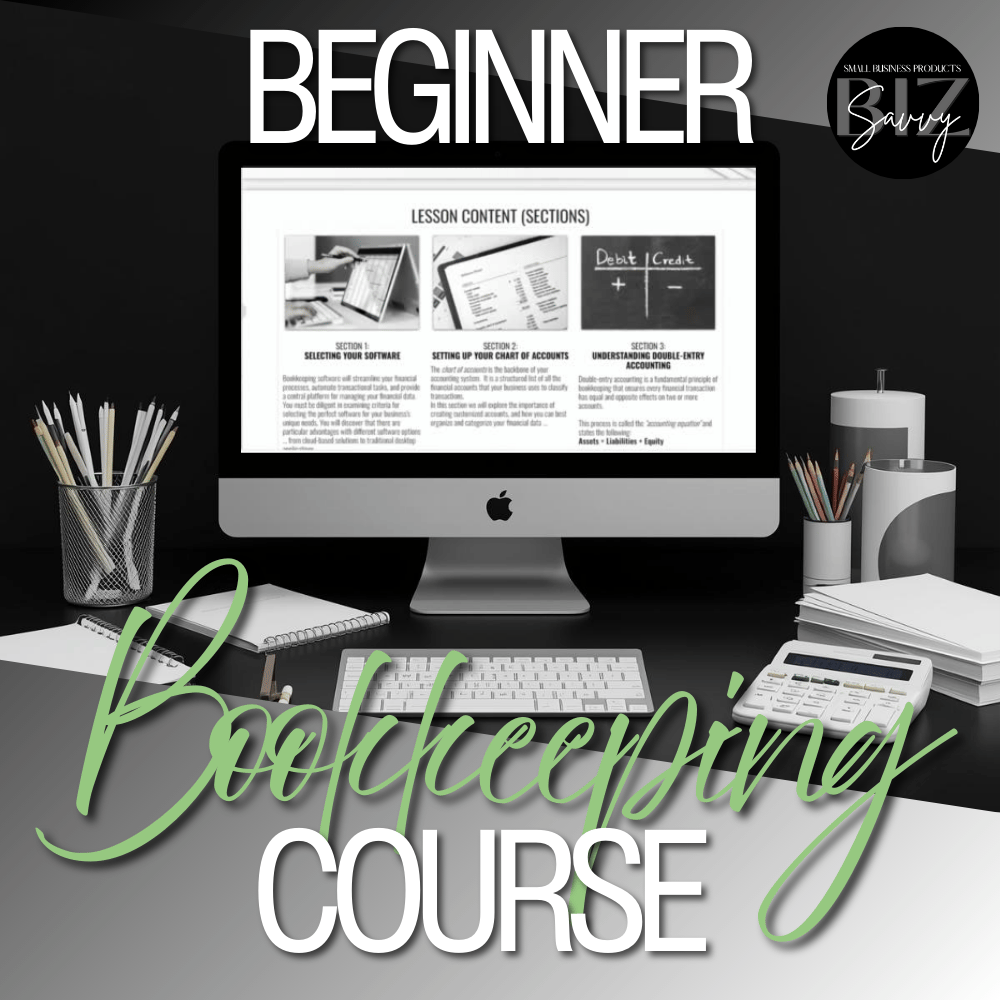
🚀 SECTION 1: SELECTING YOUR SOFTWARE
Choosing the right accounting software is a pivotal decision, as it forms the backbone of your
bookkeeping journey. Bookkeeping software will streamline your financial processes, automate
transactional tasks, and provide a central platform for managing your financial data.
🚀 SECTION 2: SETTING UP YOUR CHART OF ACCOUNTS
The chart of accounts is the backbone of your accounting system. It is a structured list of all the
financial accounts that your business uses to classify transactions.
In this section we will explore the importance of creating customized accounts, and how you can
best organize and categorize your financial data ...
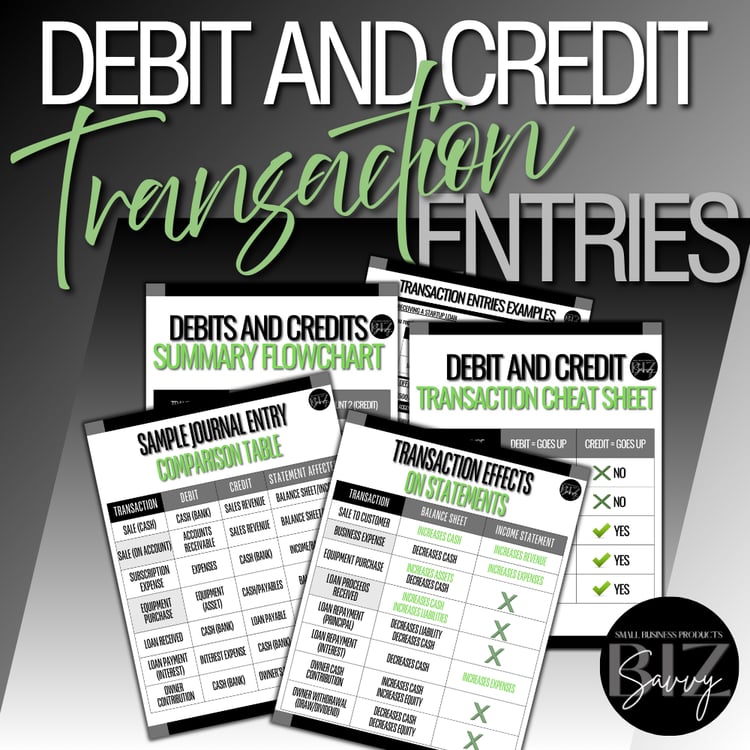
🚀 SECTION 3: UNDERSTANDING "DOUBLE-ENTRY ACCOUNTING"
Double-entry accounting is a fundamental principle of bookkeeping that ensures every financial transaction has equal and opposite effects on two or more accounts. This process is called the "accounting equation" and states the following: Assets = Liabilities + Equity
Understanding this equation is crucial for maintaining the balance of your financial records. In this section we will discuss the principles and benefits of double-entry accounting ...
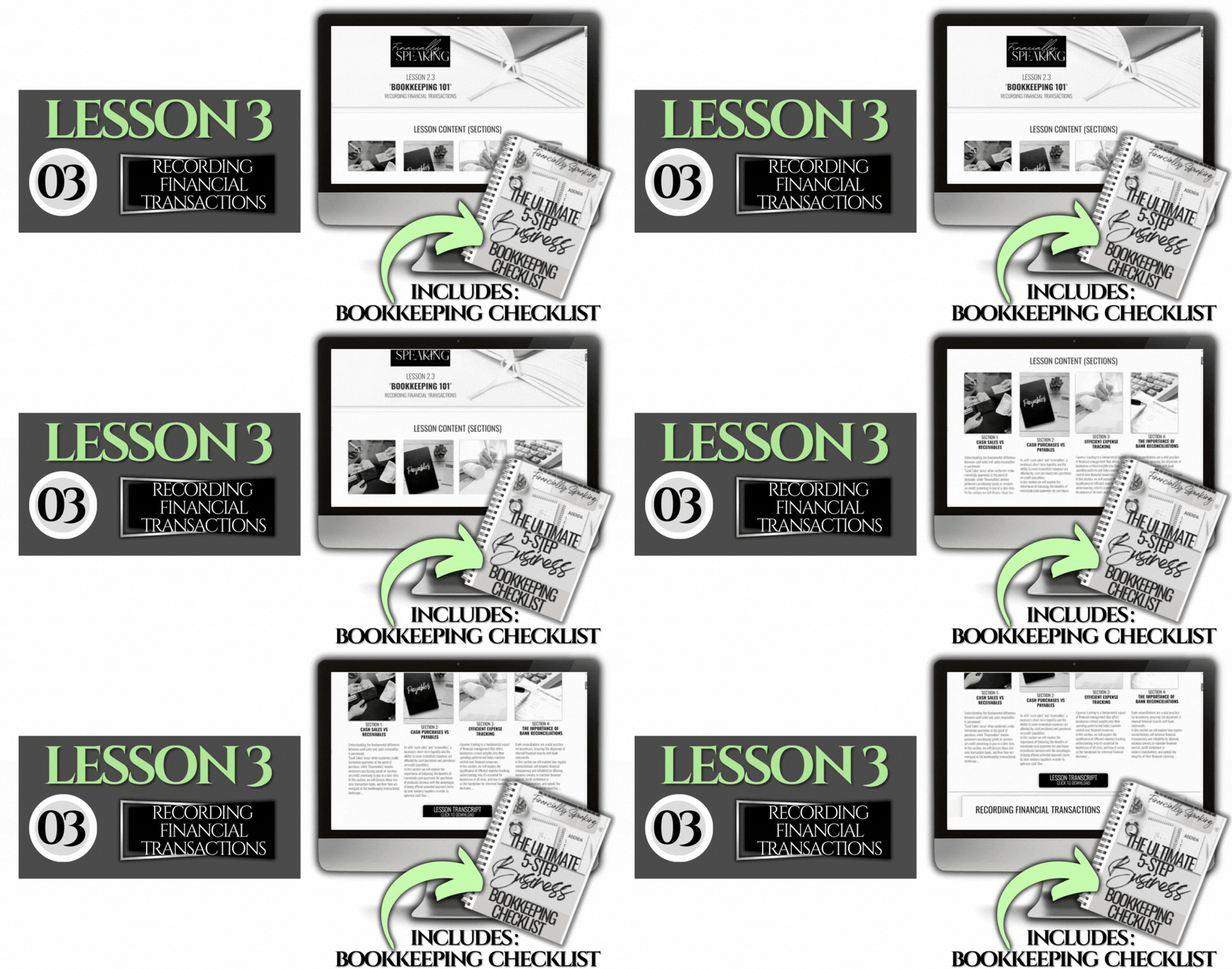
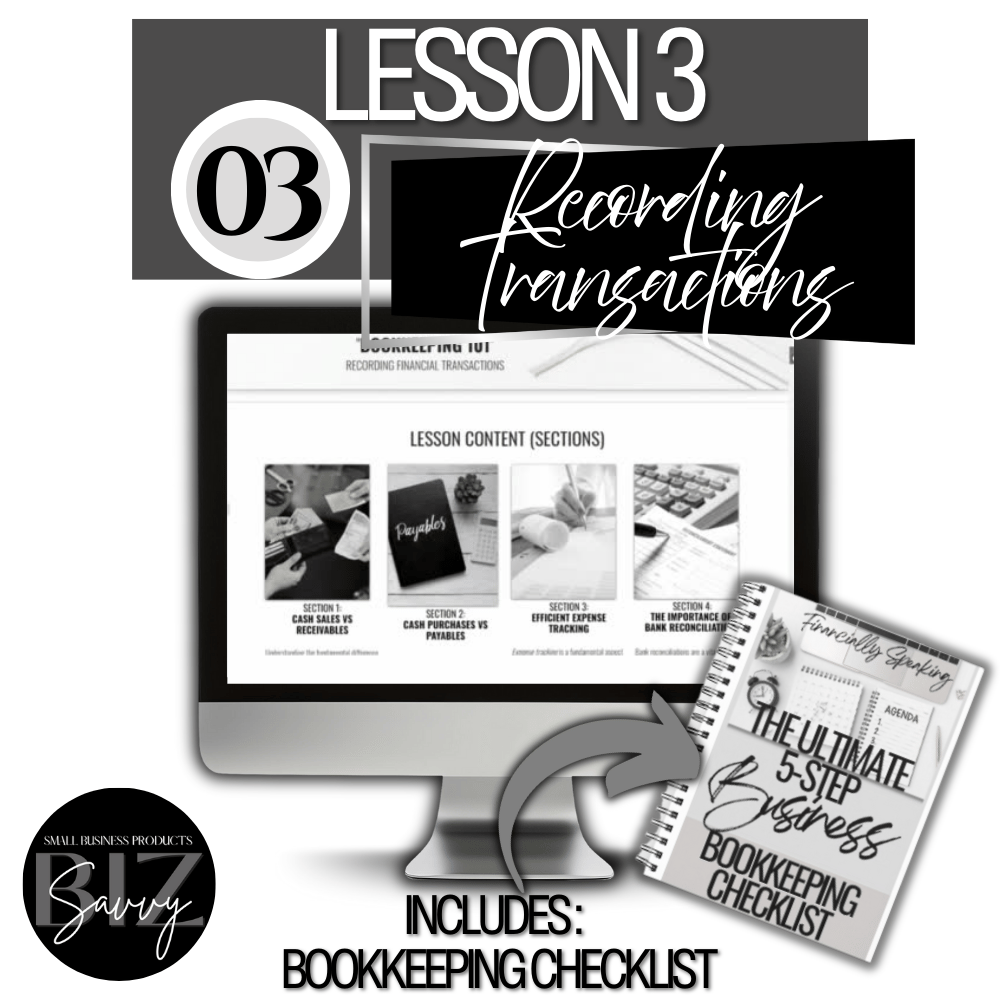
LESSON 3: RECORDING FINANCIAL TRANSACTIONS
🚀 SECTION 1: DIFFERENTIATING CASH SALES AND RECEIVABLES
When it comes to business financial transactions, understanding the fundamental difference between cash sales and sales receivables is paramount.
In this section, we will discuss these two core transaction types, and how they are managed in the bookkeeping transactional landscape ...
🚀 SECTION 2: DISTINGUISHING CASH PURCHASES AND PAYABLES
Understanding cash purchases and purchase payables extends far beyond understanding the definitions of these transactions. As with cash sales" and "receivables", a business's short-term liquidity and the ability to cover immediate expenses are affected by cash purchases and purchases on credit (payables).
Businesses must balance the benefits of immediate cash payments for purchases of products and/or services with the advantages of being offered extended payment terms by your vendors/suppliers in order to optimize cash flow ...
🚀 SECTION 3: EFFICIENT EXPENSE TRACKING
Expense tracking is a fundamental aspect of financial management that offers businesses critical
insights into their spending patterns and helps maintain control over financial resources.
In this section, we will explore the significance of efficient expense tracking, understanding why it's
essential for businesses of all sizes, and how it serves as the foundation for informed financial
decisions ...
🚀 SECTION 4: BANK RECONCILIATIONS
Bank reconciliations are a vital practice for businesses, ensuring the alignment of internal financial records with bank statements. This process helps identify and rectify errors, providing an accurate financial picture.
In this section, we will explore how regular reconciliations will enhance financial transparency and reliability. When transactional discrepancies are identified and addressed, it allows business owners to maintain financial control, instill confidence in lenders/stakeholders, and uphold the integrity of their financial reporting ...
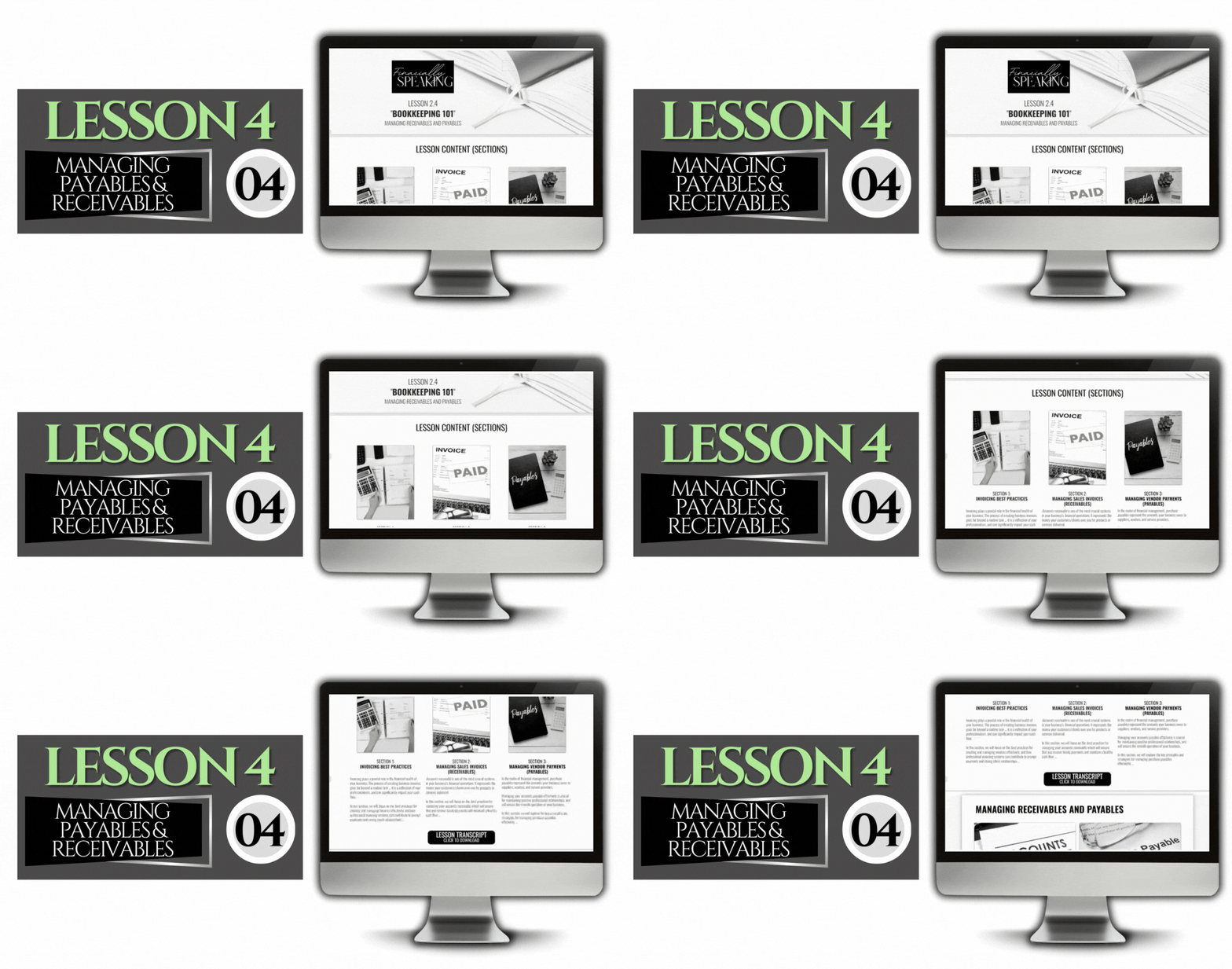
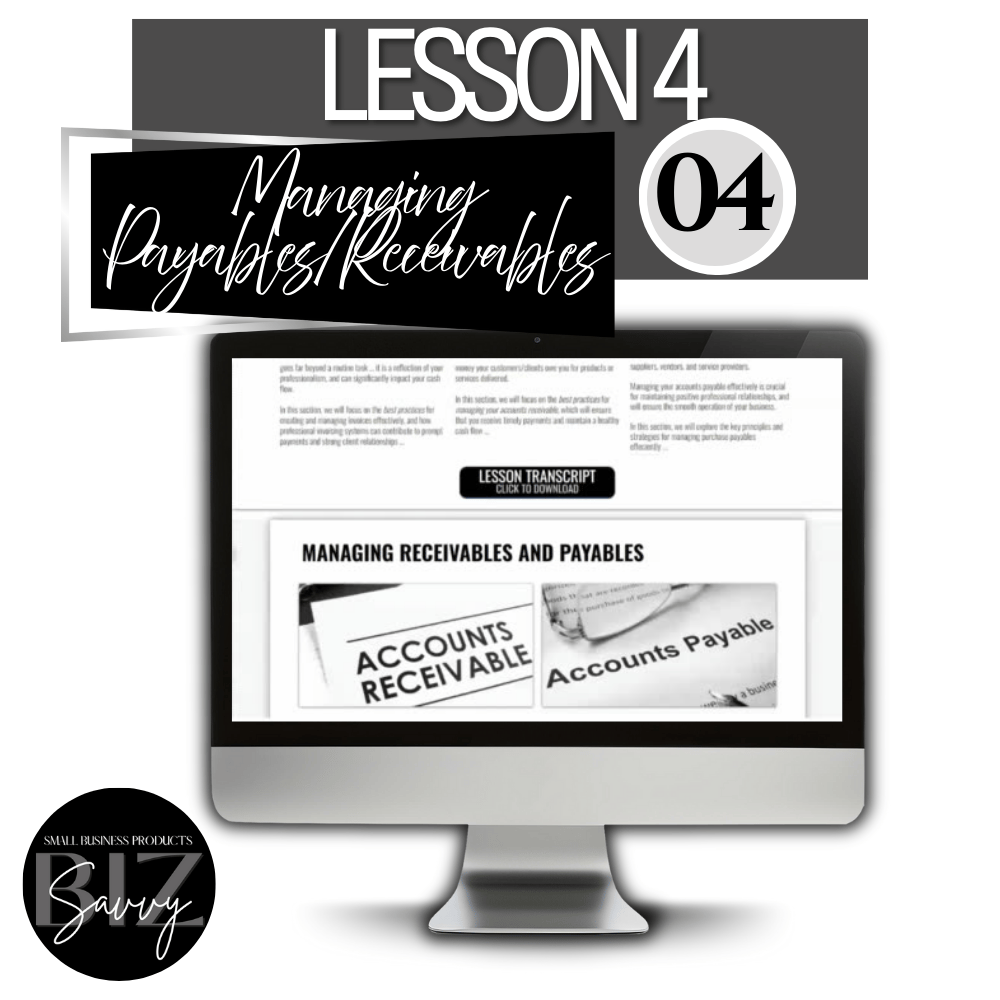
LESSON 4: MANAGING RECEIVABLES AND PAYABLE
🚀 SECTION 1: INVOICING BEST PRACTICES
Invoicing plays a pivotal role in the financial health of your business. The process of creating
business invoices goes far beyond a routine task ... it is a reflection of your professionalism, and can significantly impact your cash flow.
In this sections, we will focus on the best practices for creating and managing invoices effectively, and how professional invoicing systems can contribute to prompt payments and strong client relationships ...
🚀 SECTION 2: MANAGING SALES INVOICES (RECEIVABLES):
Accounts receivable is one of the most crucial systems in your business's financial operations. It
represents the money your customers/clients owe you for products or services delivered.
In this section, we will focus on the best practices for managing your accounts receivable, which will ensure that you receive timely payments and maintain a healthy cash flow ...
🚀 SECTION 3: MANAGING VENDOR PAYMENTS (PAYABLES)
In the realm of financial management, purchase payables represent the amounts your business owes to suppliers, vendors, and service providers. Managing your accounts payable effectively is crucial for maintaining positive professional relationships, and will ensure the smooth operation of your business.
In this section, we will explore the key principles and strategies for managing purchase payables efficiently ...
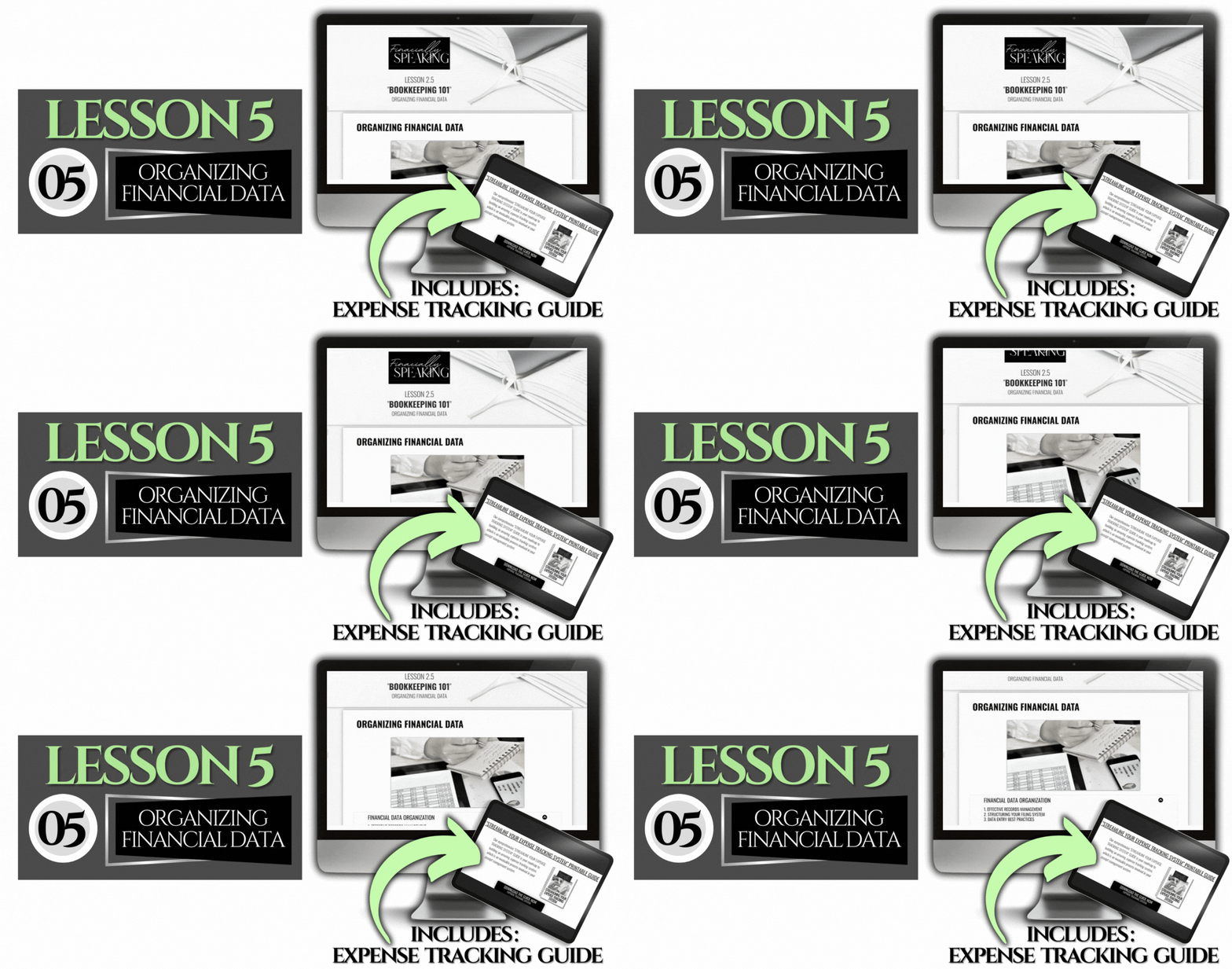
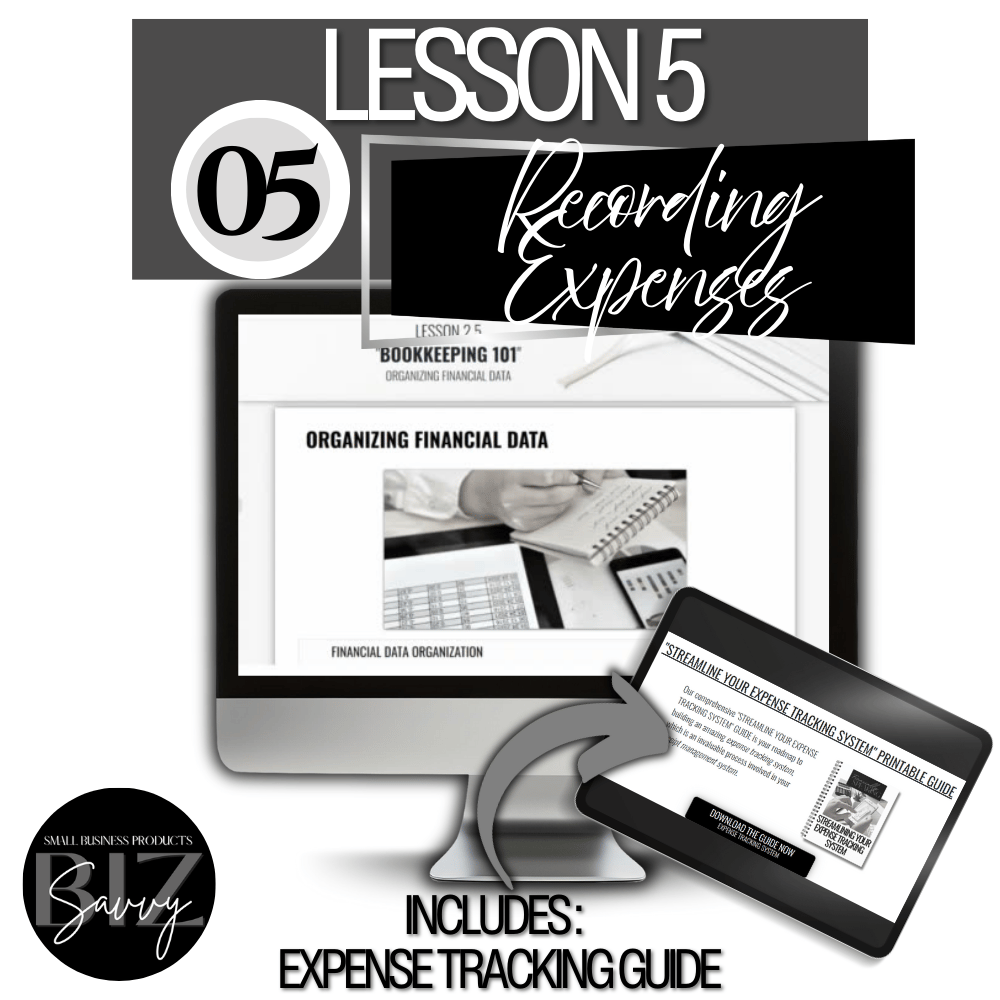
LESSON 5: ORGANIZING FINANCIAL DATA
🚀 SECTION 1: EFFECTIVE RECORDS MANAGEMENT
Effective records management is a critical component of maintaining organized and efficient
business operations. It involves the systematic creation, maintenance, and disposal of financial records in order to ensure compliance, facilitate decision-making, and enhance productivity.
In this section, we will focus on the key principles and strategies for effective records management ...
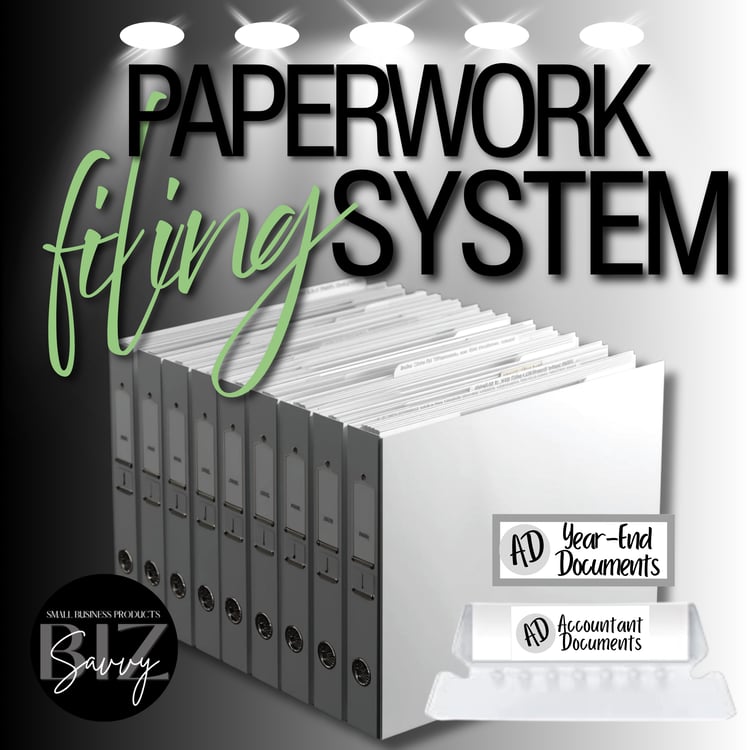
🚀 SECTION 2: STRUCTURING YOUR FILING SYSTEM
Structuring your filing system is essential for easy access to information, quick retrieval of
documents, and streamlined record-keeping.
In this section, we will explore the key principles and strategies for structuring a filing system that
optimizes your records management process ...
🚀 SECTION 3: DATA ENTRY BEST PRACTICES
Accurate and efficient data entry is essential for maintaining the integrity of your records. Data entry errors can lead to significant financial discrepancies and operational inefficiencies, and must therefore be avoided by maintaining procedural transactional entries when performing record-keeping duties.
In this section, we will explore the key "best practices" principles and strategies for improving data entry accuracy and efficiency ...
WHAT YOU WILL RECEIVE UPON PURCHASE:
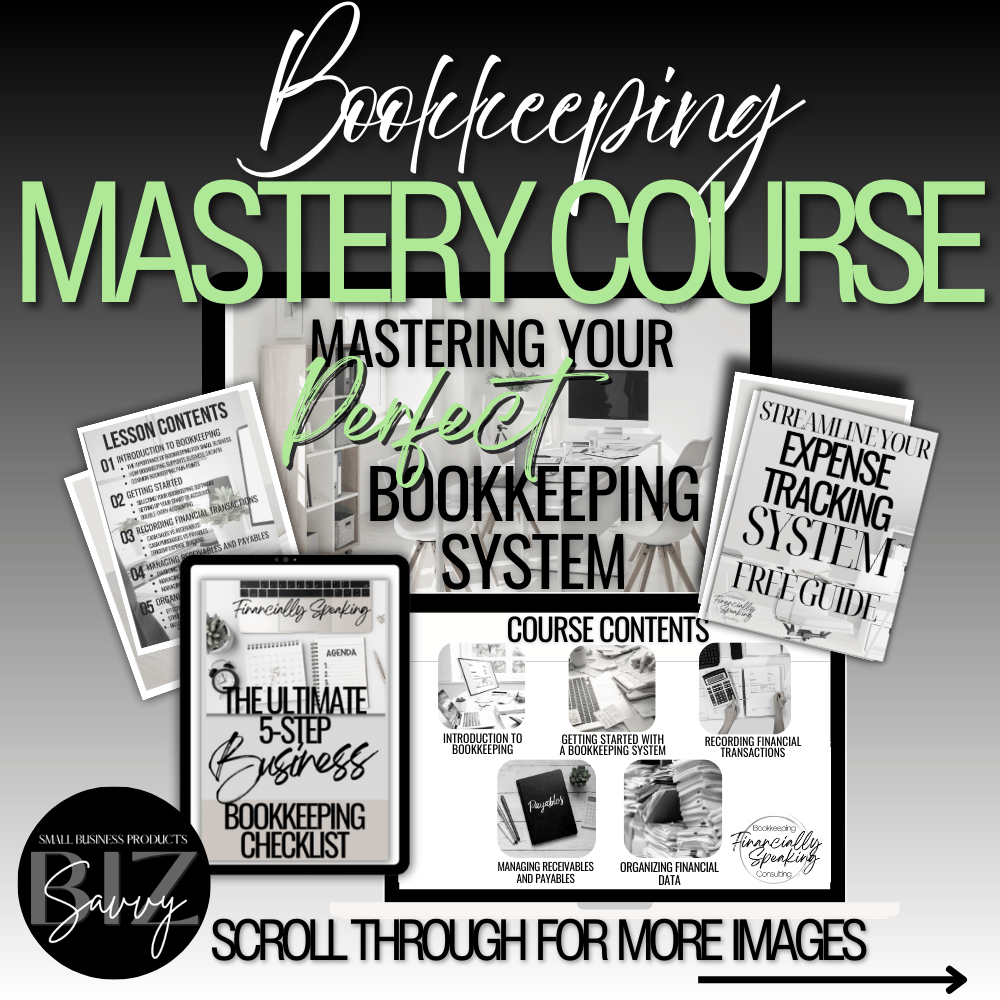
(1) 5 Lessons - Printable PDF Documents
(2) Lesson Quizzes - 1 PDF Printable Quiz Per Lesson/Section
(3) Lesson Quiz Answers - 1 Printable Answer Sheet Per Lesson/Section
(4) Beginner Bookkeeping Checklist - Printable PDF Document
(5) Example Chart Of Accounts - Printable PDF Document
(6) Expense Tracking System Guide - Printable PDF Document
INVEST in this course now, and together, we'll build the bookkeeping foundation for your business's financial journey!!!