
Electronic for Chemists_ Smart Devices & CNC Plotters
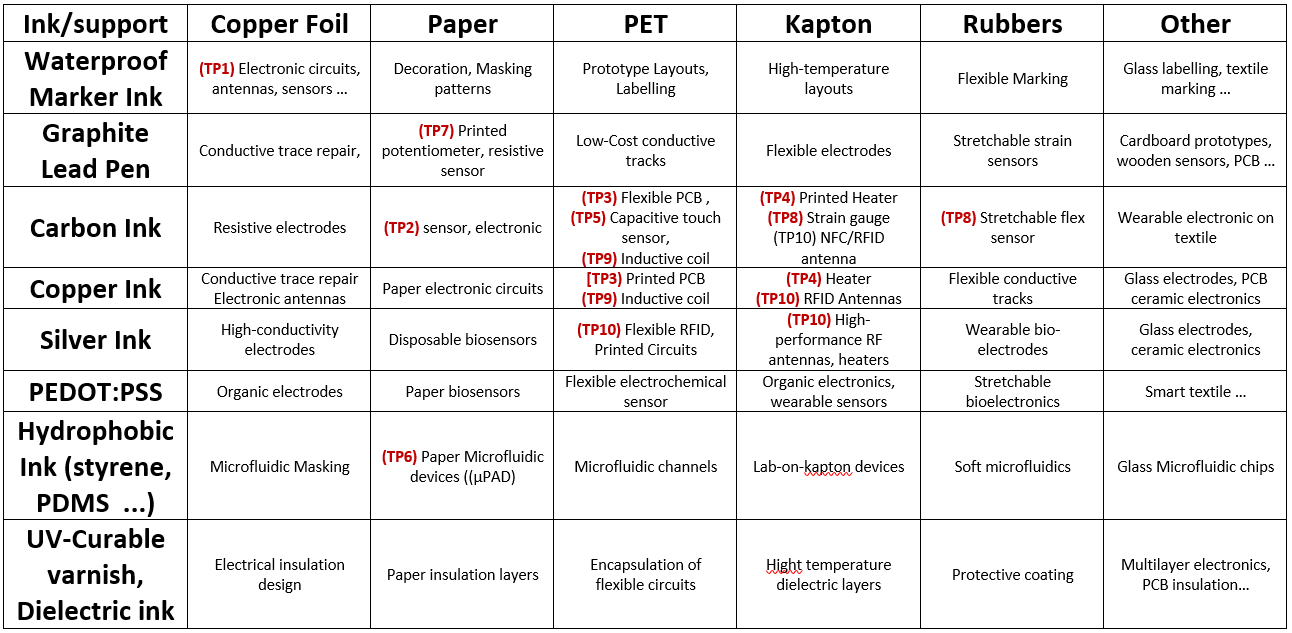
The rapid development of digital fabrication technologies has transformed the design and manufacture of scientific instruments, electronic devices, and experimental systems. While three-dimensional printing, laser cutting and CNC milling have become standard tools in research laboratories and makerspaces, CNC plotters remain a remarkably versatile yet underexplored technology. Originally developed for technical drawing, modern CNC plotters have evolved into precise, programmable machines that can deposit functional materials onto a variety of surfaces. This enables the production of electronic circuits, chemical sensors, wearable devices, microfluidic systems, flexible electronics, antennas and laboratory equipment at a very low cost.
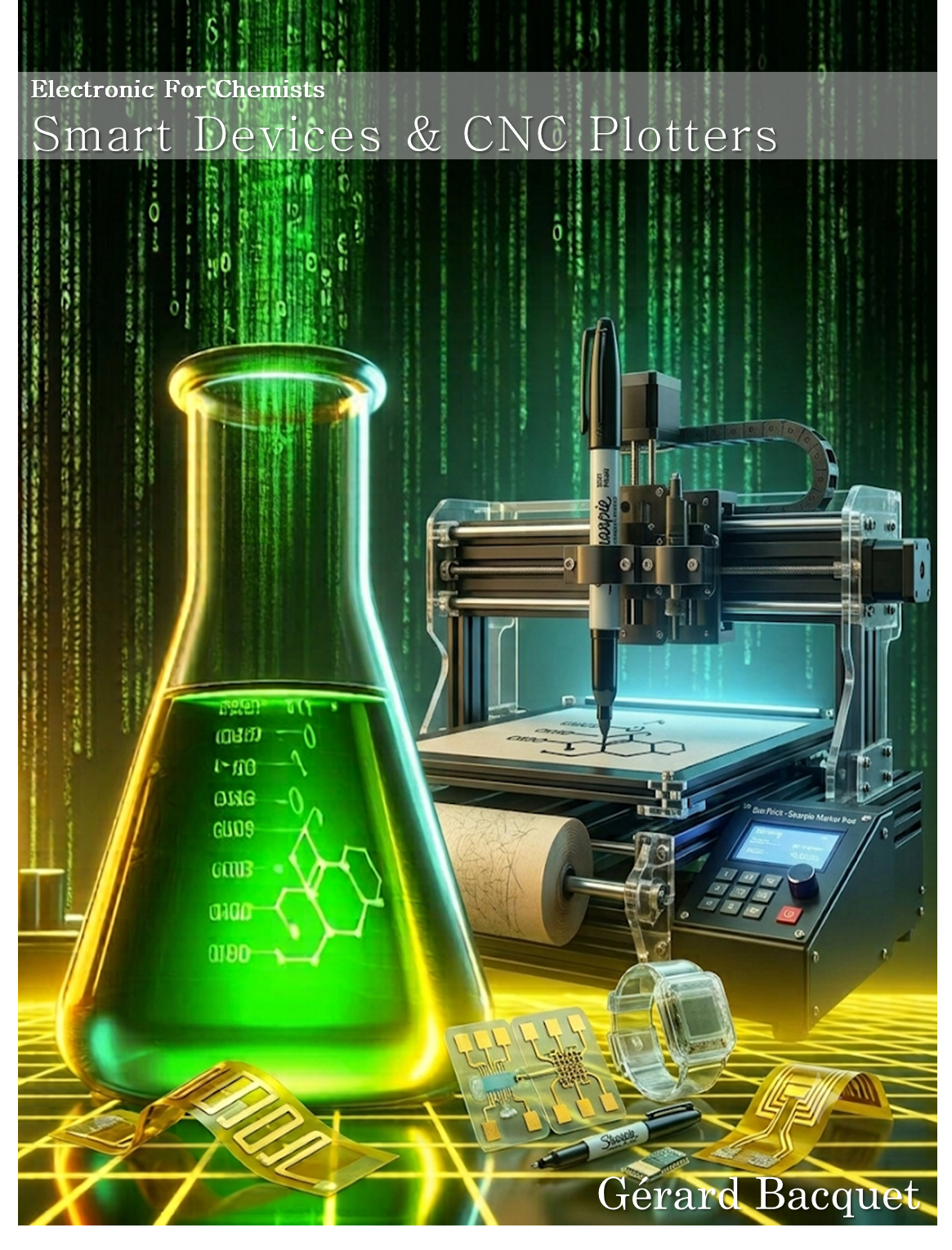
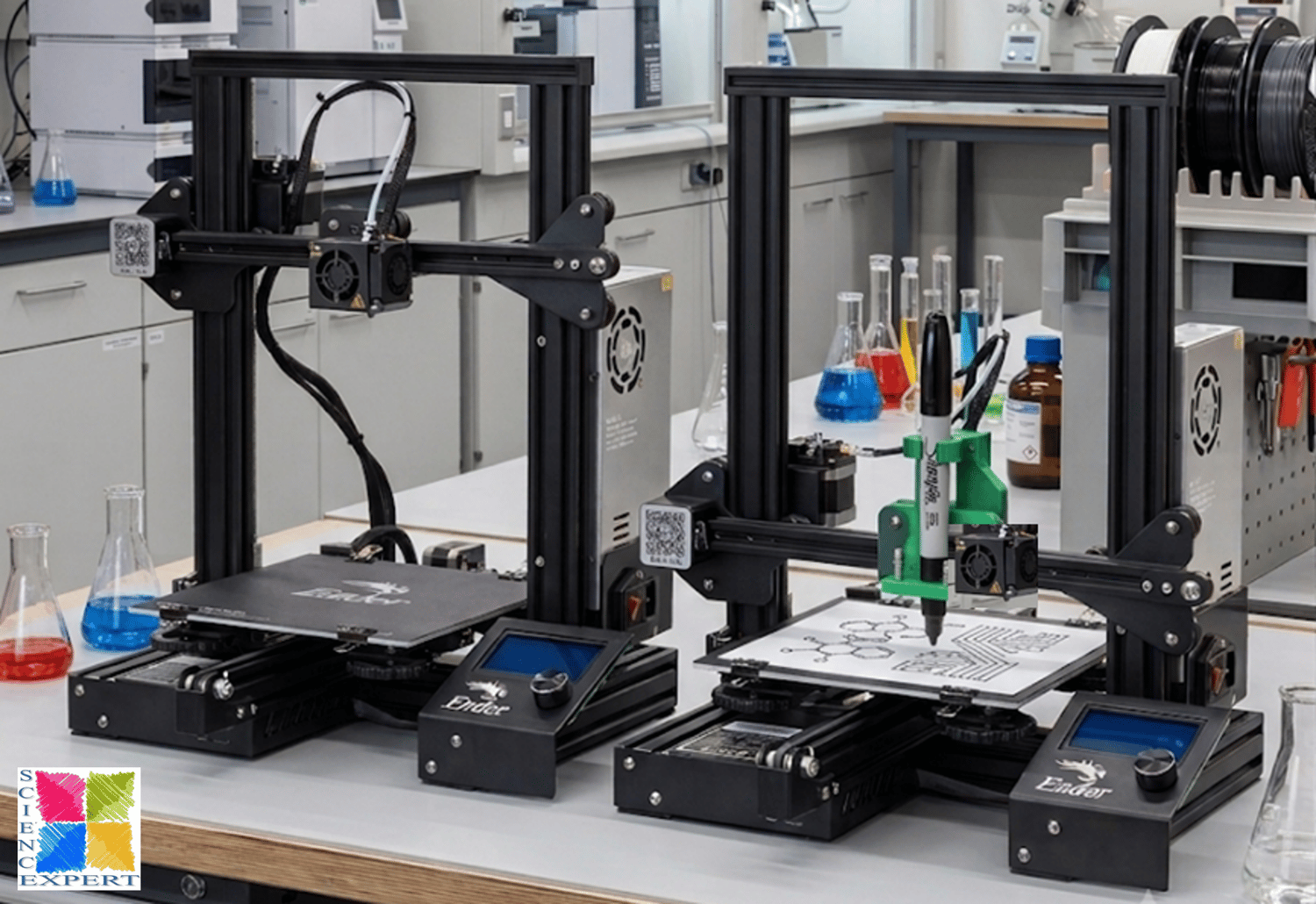
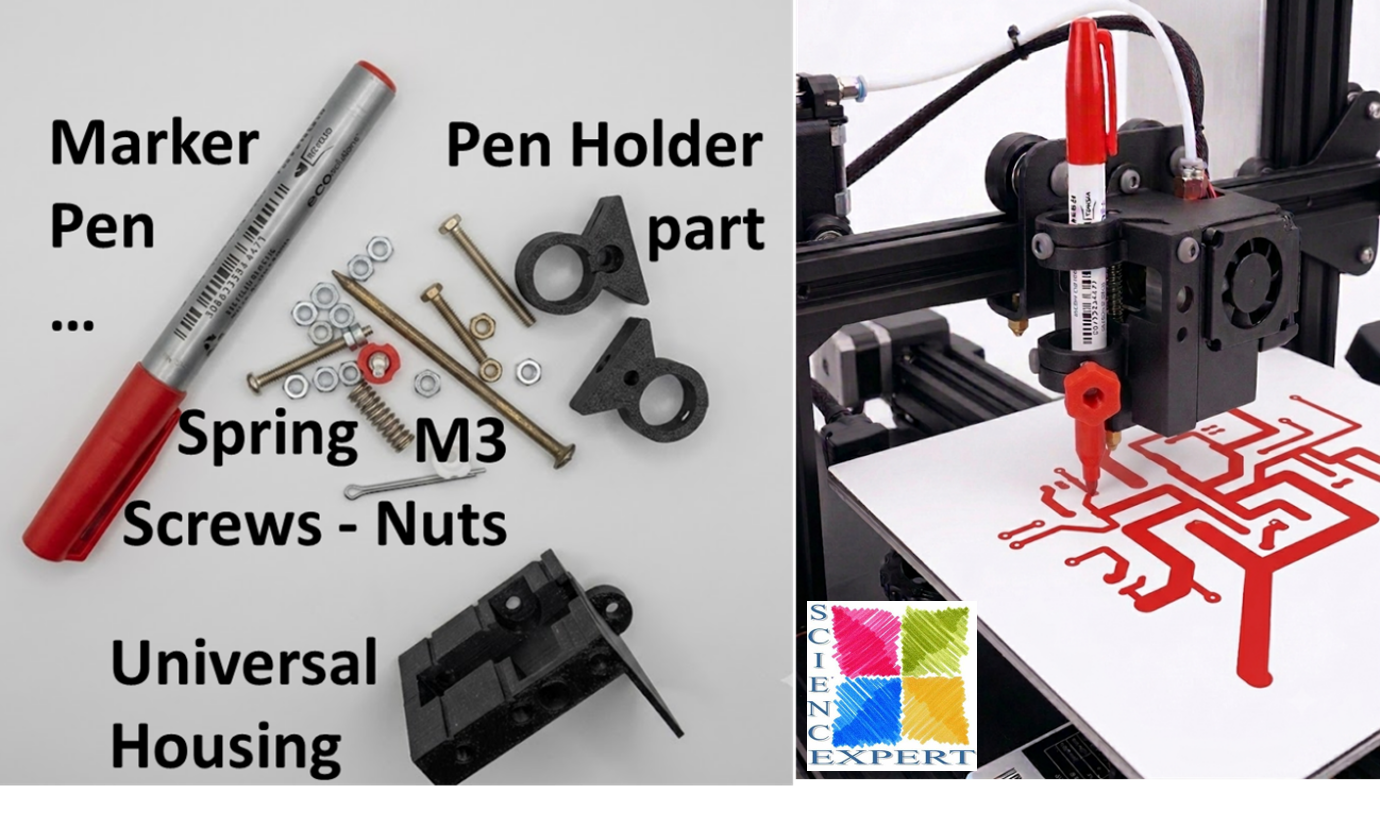
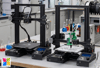
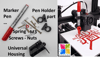
This book is a comprehensive guide to the scientific use of CNC plotters as digital fabrication platforms. Rather than focusing solely on machine operation, it shows how a basic XY plotting system — a modified Crealty Ender 3 in this case — can be converted into a versatile tool for rapid prototyping in fields such as engineering, chemistry, physics, biology, materials science, environmental monitoring and biomedical applications. It also combines the rigour of a scientific reference work with the practicality of a laboratory manual. Each chapter is based on peer-reviewed scientific literature and provides detailed fabrication protocols that can be replicated in engineering schools, universities, FabLabs, research centres, innovation hubs and home workshops. Every project has been selected for its educational value, scientific relevance, affordability, and ease of reproduction.
By relying on inexpensive hardware, open-source software, and readily available materials, this book also demonstrates that advanced scientific fabrication is no longer restricted to specialized laboratories but is accessible to educators, students, researchers, makers, and innovators worldwide.
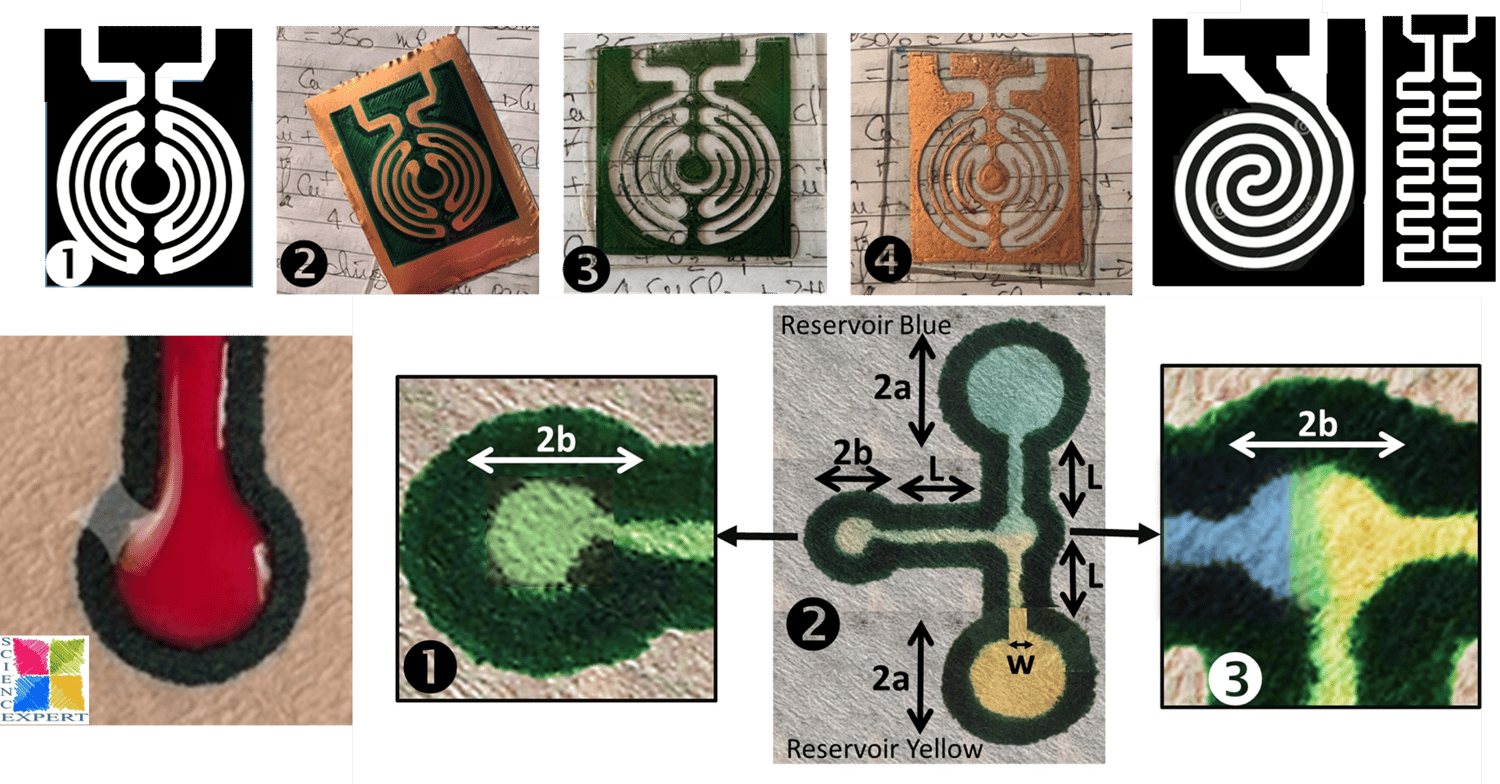
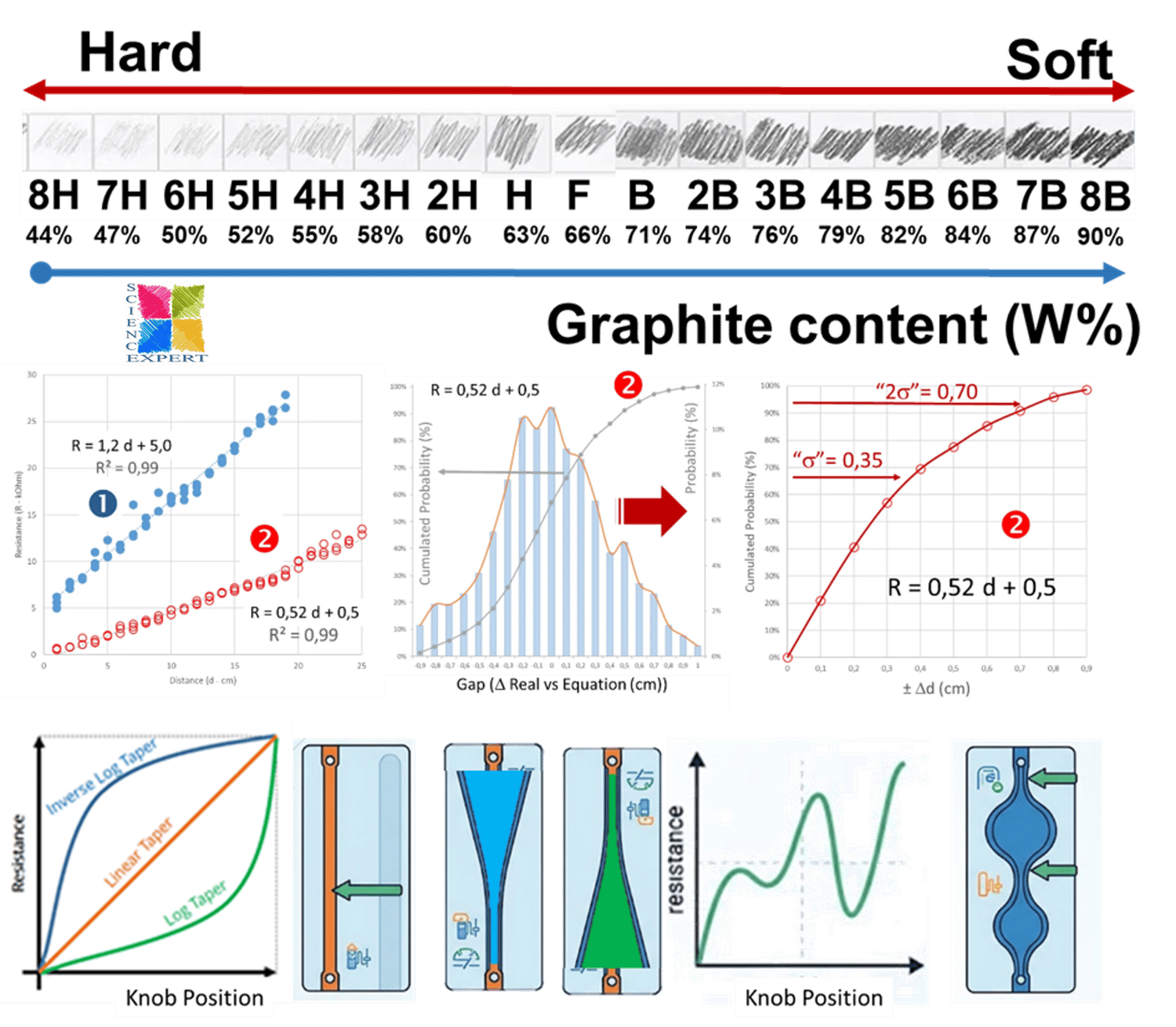
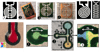
A progressive series of laboratory projects introduces readers to the principles of digital fabrication, motion control, computer-aided design, G-code generation, material deposition, and printed electronics. These projects cover topics such as conductive patterning, printed circuits, capacitive interfaces, resistive sensors, flexible heaters, paper-based microfluidics, strain sensors, electromagnetic coupling, and NFC/RFID antennas. Together, these projects demonstrate how low-cost CNC plotters can be used to fabricate a variety of scientific devices for sensing, flexible electronics, and wireless communication.
The book also emphasises the increasing importance of CNC plotters in education. The proposed experiments have been designed to support project-based learning in engineering schools, universities, technical colleges and STEM outreach programmes. Each activity incorporates concepts from electronics, mechanics, chemistry, programming, instrumentation and data analysis, enabling students to experience the entire engineering design process, from conception to the creation of a functional prototype. The presented methodologies are not only applicable to education, but also to scientific research. Recent studies demonstrate that programmable deposition systems are rapidly expanding into fields such as environmental monitoring, biomedical diagnostics, flexible electronics, wearable devices and lab-on-a-chip technologies. The techniques presented in this book provide a practical foundation for exploring these emerging applications.