

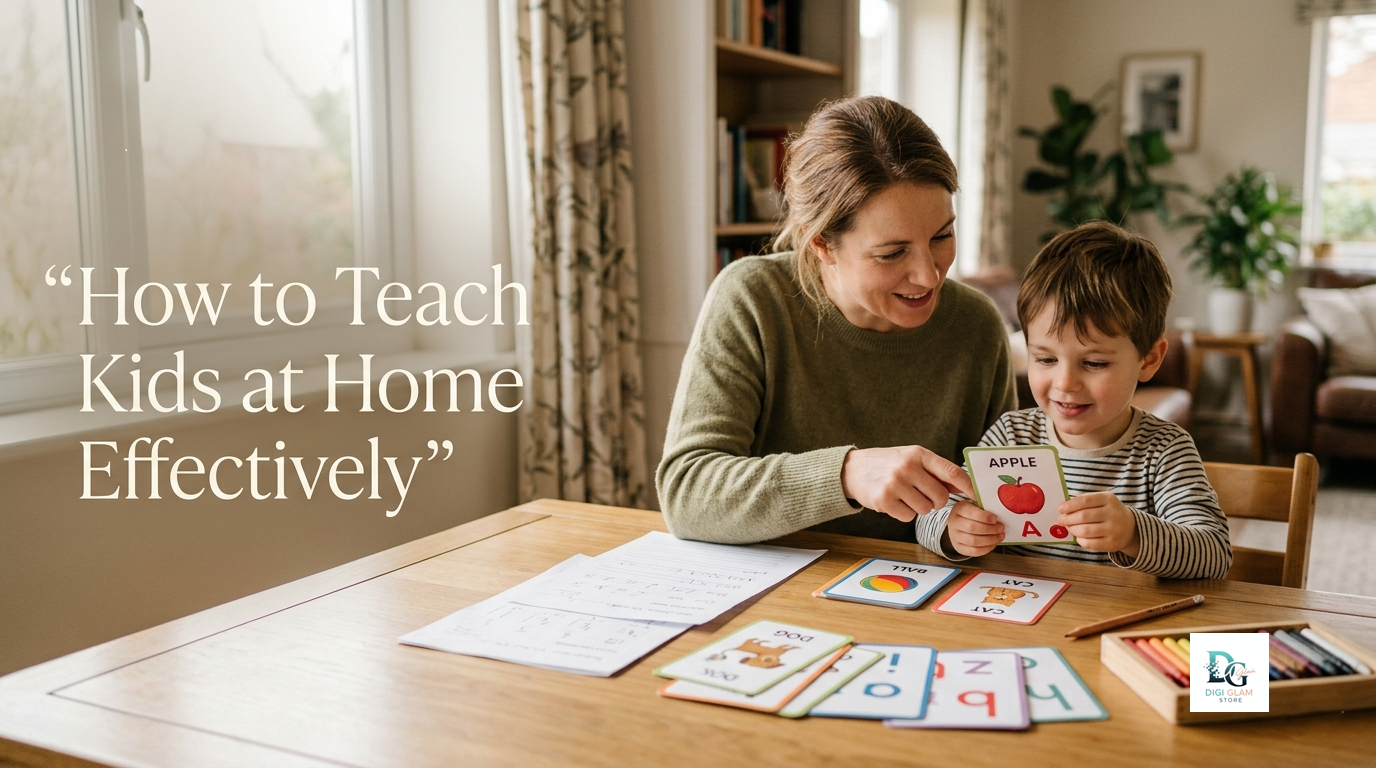
Teaching kids at home can feel overwhelming—especially when you’re juggling work, chores, and everything in between. If your child gets distracted easily or struggles to stay interested, you’re not alone.
The good news? You don’t need complicated lesson plans to help your child learn. With the right approach, learning at home can be simple, effective, and even enjoyable.
Here are practical strategies that actually work.
1. Keep Lessons Short and Focused
Kids—especially younger ones—have short attention spans. Long lessons often lead to frustration and loss of interest.
Instead:
- Teach in 10–15 minute sessions
- Focus on one topic at a time
- Take short breaks in between
Short, consistent learning sessions are far more effective than long ones.
2. Use Visual Learning Tools
Children learn best when they can see and interact with what they’re learning.
That’s where tools like flashcards and visual aids come in.
They help kids:
- recognize patterns faster
- remember information better
- stay engaged during lessons
Tip: Use colorful, clear flashcards when teaching letters, vocabulary, or basic concepts.
3. Make Learning Feel Like Play
If learning feels like a chore, kids resist it.
But when it feels like a game—they participate willingly.
Try:
- turning flashcards into guessing games
- using rewards or simple challenges
- letting your child “teach you” what they learned
The goal is to make learning something they look forward to.
4. Create a Simple Routine
Consistency is more important than perfection.
You don’t need a strict schedule—just a predictable routine.
Example:
- 10 minutes reading
- 10 minutes flashcards
- 5 minutes review
Doing this daily builds strong learning habits over time.
5. Don’t Overcomplicate It
Many parents feel pressured to do everything “perfectly.”
You don’t need:
- complicated lesson plans
- expensive materials
- hours of teaching
Simple, clear, and consistent teaching works best.
6. Use Ready-Made Resources to Save Time
Let’s be honest—creating your own materials takes time and energy.
Using ready-made resources like printable flashcards, worksheets, or guided eBooks can:
- save hours of preparation
- give structure to your lessons
- make teaching less stressful
This is especially helpful for busy moms and first-time homeschoolers.
7. Focus on Progress, Not Perfection
Every child learns at their own pace.
Some days will feel productive—others won’t.
What matters is consistency.
Celebrate small wins:
- recognizing letters
- remembering words
- staying focused longer
These small steps lead to big progress over time.
Final Thoughts
Teaching kids at home doesn’t have to be stressful or complicated.
With short lessons, engaging tools, and a simple routine, you can create a learning environment that works—for both you and your child.
If you’re looking for easy-to-use learning materials, printable flashcards and guided resources can make a big difference in keeping lessons fun and effective.
Start simple, stay consistent, and enjoy the process of learning together.
Let’s grow this learning community together!
Comment your favorite teaching or learning topic below, and follow my blog for more fun, affordable, and kid-friendly educational printables.



Comments ()