


You've probably spent more time than you'd like to admit Googling "how to make money from home" — only to feel completely overwhelmed by the results.
Start a blog. Build a course. Grow your audience. Create a product. Launch a store.
It all sounds like a second job you don't have time for, especially when you're already managing a household, keeping tiny humans alive, and trying to carve out five minutes of quiet before bedtime.
Here's the thing no one tells you: you don't need any of that to start earning money online.
You don't need your own product. You don't need a huge following. You don't need to become an influencer or film yourself on TikTok. You just need a platform that already has millions of buyers searching for things to purchase every single day.
That platform is Pinterest.
And the strategy is called affiliate marketing.
By the time you finish reading this, you'll understand exactly how it works, why it's one of the most beginner-friendly income streams available, and how to take your first step today.
Can You Really Make Money on Pinterest Without Selling Anything?
Yes — and here's why most people get Pinterest completely wrong.
Pinterest isn't social media. It's a search engine.
When someone opens Pinterest and types "best budget meal prep ideas" or "work from home jobs for moms," they're not scrolling to kill time. They're searching for solutions, products, and resources — just like they would on Google. The difference is that Pinterest results are visual (called Pins), which makes them incredibly clickable.
Pinterest has over 500 million monthly active users, and the majority of them are women. Studies show that over 80% of Pinterest users have made a purchase based on something they discovered on the platform. These aren't casual browsers — they're warm buyers actively looking for what to try next.
Here's what that means for you:
- You don't need followers. Pinterest traffic comes from search, not from follower counts. A brand-new account can reach thousands of people if the right keywords are used.
- Your content has a long shelf life. Unlike Instagram posts that disappear in 24 hours, a well-optimized Pinterest pin can drive traffic for months or even years.
- The audience already has buying intent. You're meeting people at the exact moment they're searching for what you're recommending.
That combination — massive search traffic, long-term reach, and ready-to-buy users — is exactly why Pinterest and affiliate marketing work so well together.
5 Ways to Make Money on Pinterest Without Your Own Products
There are several ways to earn money on Pinterest without creating anything to sell. Here are the most realistic options for beginners.
1. Affiliate Marketing This is the most popular method and the one we'll focus on throughout this article. You join an affiliate program, get a unique tracking link for a product, and earn a commission every time someone buys through your link. No inventory, no customer service, no product creation required.
2. Promote Etsy Products The Etsy affiliate program (through Awin) lets you earn 4–8% commission on sales of printables, planners, digital downloads, and handmade goods. Great if your niche overlaps with Etsy's audience.
3. Amazon Associates Amazon's program lets you promote millions of products — from baby gear to kitchen tools to books — and earn 1–10% per sale. Commissions are lower, but the sheer variety of products makes it versatile for almost any niche.
4. Promote Software Tools Software tools and apps often pay recurring monthly commissions, meaning you earn every month for as long as your referral stays subscribed. Email marketing tools, website builders, and productivity apps fall into this category.
5. Sponsored Content Once your Pinterest account grows, brands may pay you to create pins or content featuring their products. This takes longer to build toward, but it's a natural next step as your account gains traction.
Of all five methods, affiliate marketing is the easiest starting point for beginners because it requires zero upfront investment, no product expertise, and you can start the same day you sign up.
Why Pinterest Affiliate Marketing Is Perfect for Beginners
Let's be honest about why most other online income ideas don't work for busy moms.
Dropshipping requires managing inventory and customer complaints. Creating courses takes months of content development. Freelancing trades time for money with no passive upside. And building a brand on Instagram or TikTok feels like a full-time job just to grow an audience.
Pinterest affiliate marketing sidesteps all of that.
No inventory to manage. You're not handling, shipping, or storing any products. Someone else does that.
No customer support. When a customer has a question or a return, that's the merchant's responsibility — not yours.
No product creation. You never have to spend weeks building something. You find products that already exist and already convert.
Low startup cost. You can start for free using a Pinterest business account, Medium.com for your content, and free Canva templates for your pin designs. Total upfront cost: $0.
Flexible schedule. This works on 30–60 minutes a day. Nap time, school hours, after bedtime — it doesn't matter when you sit down to work, as long as you're consistent.
Here's a real example of what this can look like: Imagine a mom in the home organization niche. She writes a simple article called "10 Budget Storage Solutions That Actually Keep Your Pantry Organized."
She includes affiliate links to a few of the products she mentions. She creates three Pinterest pins linking to that article and posts them with keyword-rich titles like "Pantry Organization Ideas for Busy Moms."
Pinterest starts showing those pins to people searching for organization tips. Some click. Some buy. She earns a commission — without doing anything else.
How Pinterest Affiliate Marketing Works
The process is simpler than most people expect. Here's the flow from start to finish:
Pinterest Pin → Blog Post or Article → Affiliate Recommendation → Commission
Breaking that down step by step:
- You join an affiliate program (free to do)
- You get a unique tracking link for a product
- You write a helpful article or create a simple landing page that includes that link
- You design a Pinterest pin that links to your article
- Pinterest shows your pin to people searching for your topic
- Someone clicks your link and buys the product
- You earn a commission automatically
The key insight is that Pinterest acts as your traffic source. It sends people to your content, and your content sends people to the product. You're the helpful middleman — and you get paid every time someone buys.
don't need a formal blog to get started either. Platforms like Medium.com are completely free, take minutes to set up, and even rank on Google. You can start publishing affiliate content today without touching a single line of code.
Step-by-Step: How to Start Today
Here's how to go from zero to your first pins live, broken into clear steps.
Step 1: Choose a Niche
Your niche is the specific topic your Pinterest account focuses on. Staying focused matters — Pinterest rewards accounts that consistently post about one subject because it helps the algorithm understand what your content is about and who to show it to.
The best niches for Pinterest affiliate marketing are ones where people are actively searching for solutions and there are quality products to recommend. Strong options include:
- Personal finance and budgeting
- Home organization
- Health and wellness for moms
- Parenting tips and resources
- Side hustles and online income
- Productivity and time management
Pick the niche where you already have some experience or genuine interest. Content you care about is easier to write — and readers can tell the difference.
Step 2: Create a Pinterest Business Account
Go to pinterest.com/business/create and set up your free business account. Optimize your profile with:
- A clear profile photo or simple branded image
- A display name that includes a keyword (e.g., "Sarah | Budget Tips for Moms")
- A bio that explains who you help and what you post about
- 8–12 keyword-rich boards with descriptive titles (e.g., "Budget Tips for Moms," "Home Organization Ideas")
Fill each new board with 10–20 repins before adding your own content. This helps the algorithm understand your niche from day one.
Step 3: Join Affiliate Programs
Start with just one or two programs. Trying to promote ten products at once leads to overwhelm and inconsistency. Good beginner-friendly options include:
- ShareASale — Large network with thousands of merchants; approval usually takes 1–3 days
- ClickBank — Specializes in digital products; instant access with no approval needed
- Amazon Associates — Promote millions of products; great for physical goods in any niche
- Impact — Premium network with higher-paying software brands
When evaluating programs, look for commission rates of 20% or higher (especially for digital products), cookie durations of 30 days or more, and products priced at $37 or above.
Step 4: Create Helpful Content
Write an article that helps your reader solve a problem, and include your affiliate link naturally within it.
The formula that works: lead with the problem, share why it matters, introduce the product as a solution, and close with a clear call to action.
You don't need perfect writing. You need useful writing. Think about what your reader is struggling with and write the article you wish someone had handed you when you were in their shoes.
Step 5: Design Pinterest Pins
Use Canva's free Pinterest pin template (1000 x 1500 pixels) to create eye-catching pins. Keep the design clean: one strong image, one bold headline, and your website URL or handle at the bottom.
Good pin titles follow a simple formula: keyword + benefit. For example: "10 Easy Budget Hacks for Stay-at-Home Moms" or "How to Organize Your Pantry on a $20 Budget."
Create 3 pins for each article to maximize your reach. Different images, different headlines, same destination link.
Step 6: Learn Pinterest SEO
Pinterest SEO means using the right keywords so your pins show up when people search for your topic.
Include keywords in your pin title, pin description, board title, and board description. Use Pinterest's own search bar to find keyword ideas — the dropdown suggestions are real searches people are making right now.
Step 7: Stay Consistent
Pinterest rewards accounts that post regularly. Aim for 5–7 fresh pins per week. Consistency over weeks and months is what builds momentum — which brings us to the next section.
Common Mistakes Beginners Make on Pinterest
Most people who try Pinterest and give up are making at least one of these mistakes. Recognizing them early can save you weeks of frustration.
Waiting for followers before posting. Pinterest traffic comes from search, not followers. A new account can reach thousands of people within weeks if the keywords are right. Don't wait.
Posting random pins with no keyword strategy. Pins without keywords don't show up in search — which means no one sees them. Before creating any pin, spend five minutes researching what your audience is actually searching for.
Choosing too many affiliate programs. Starting with ten different products dilutes your focus. Master one or two programs first, then expand.
Being overly promotional. Pins and content that feel like ads get ignored. Lead with value. Help first, sell second. Your readers should feel like they're getting advice from a trusted friend, not a sales pitch.
Giving up too early. This is the biggest one. Many beginners quit after 3–4 weeks when they haven't seen results yet. Pinterest is a compounding platform — pins gain reach over time, not overnight. Most accounts start generating meaningful traffic between 60 and 90 days in.
Poor pin design. Blurry images, tiny text, and cluttered layouts get scrolled past without a second glance. Use Canva's templates, keep your design clean, and always test 2–3 different versions of the same pin to see what performs.
How Long Does It Take to Make Money on Pinterest?
This is the question everyone wants answered — and the honest answer is: it depends, but it's closer than you think.
Most beginners see their first affiliate commissions within 60–90 days of consistent effort. Not because Pinterest is slow, but because it takes a few weeks to build up enough content and pins that the algorithm starts serving your work to larger audiences.
Here's what a realistic timeline looks like:
- Weeks 1–2: Setup complete, first article published, first affiliate links active
- Weeks 3–4: 3 articles live, 9+ pins published, first impressions appearing in analytics
- Month 2: 15–20 pins live, traffic beginning, first affiliate clicks recorded
- Month 2–3: First sales. You track what's converting and create more of it.
- Month 3: You refine and repeat. $500 milestone within reach.
What makes Pinterest different from most platforms is that it compounds. A pin you create today can continue driving traffic for 12–18 months. Every piece of content you add builds on what came before. The effort you put in during the first 90 days doesn't disappear — it accumulates.
If you're serious about building a Pinterest affiliate income and want the exact framework, templates, and pin system the PINTEREST STARTER KIT was built to get you there faster.
GET IT HERE → Pinterest Starter Kit.
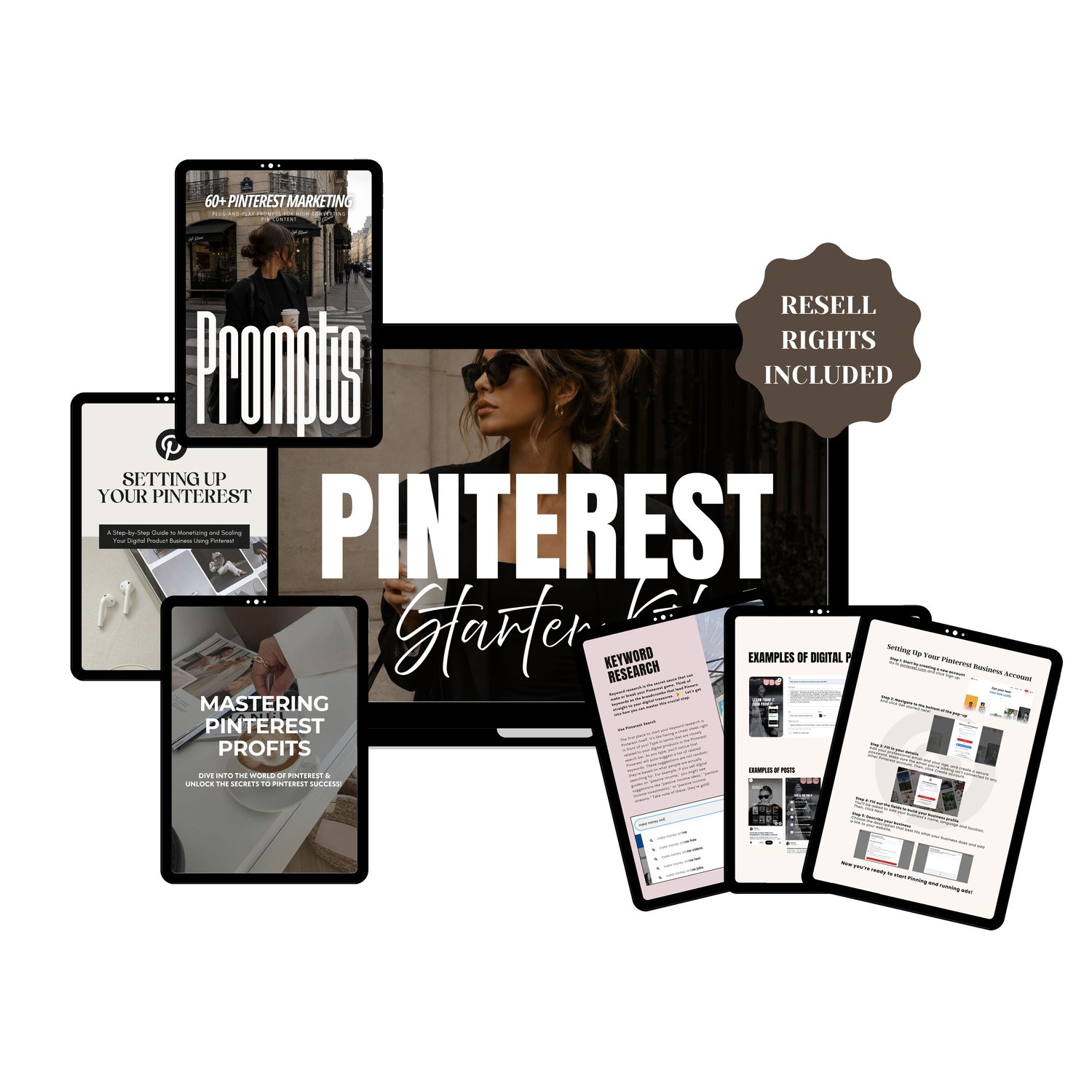
The Pinterest Income Starter Kit gives you the strategies, resources, templates, and tools to build a faceless Pinterest presence designed to attract targeted traffic and turn that traffic into income.
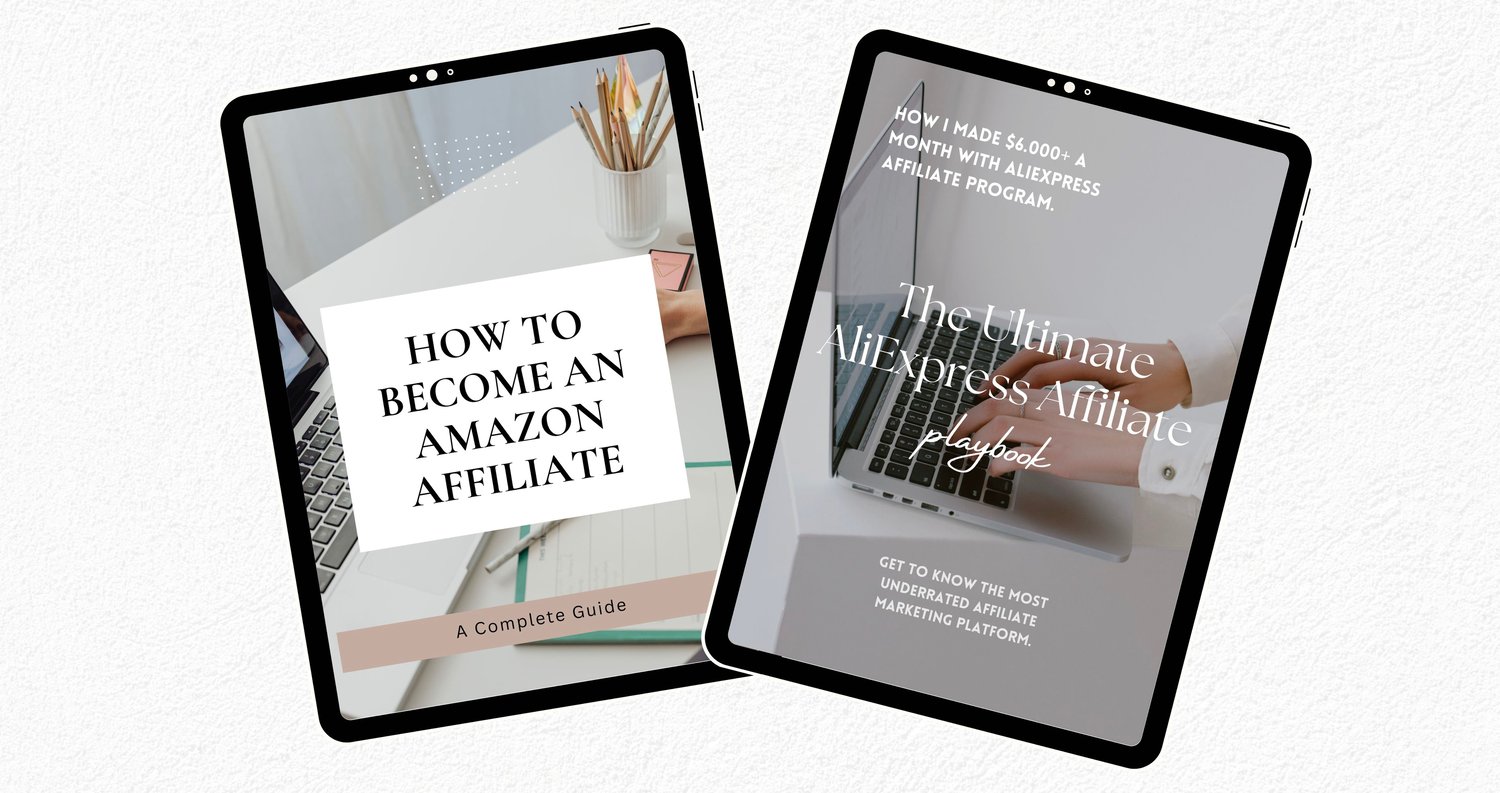
👉🏻 Also, Includes resources and guidance for getting started with platforms such as Amazon and AliExpress.