
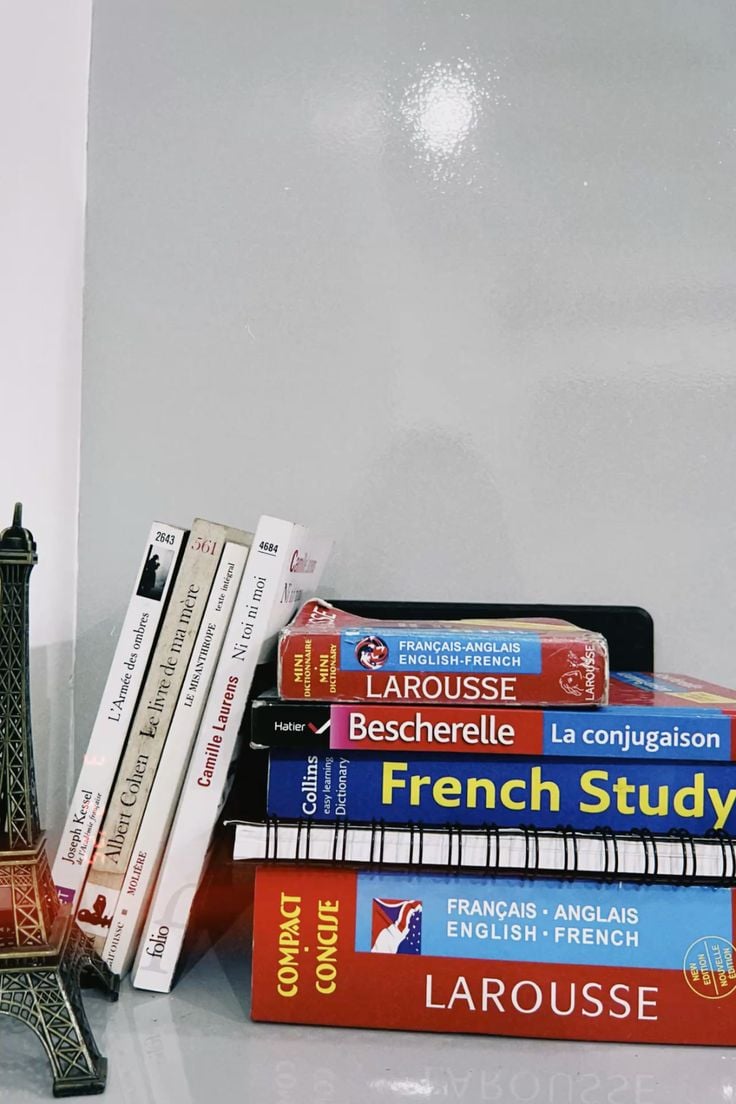
French is one of the most widely spoken languages globally, used in Europe, Africa, Canada, and international organizations. Learning French can open doors to travel, work, cultural experiences, and personal growth. With a clear and structured approach, beginners can progress quickly and confidently.
1. Start With French Pronunciation
French pronunciation can be challenging due to nasal sounds, silent letters, and vowel combinations. Begin by listening to native speakers and repeating phrases aloud. Daily practice helps your brain adapt to the sounds and rhythm of French.
2. Learn Practical Everyday French
Focus on phrases you’ll use in daily life:
- Greetings and introductions
- Polite expressions
- Common questions
- Basic verbs
Being able to communicate early builds confidence and motivation.
3. Build Vocabulary in Context
Learn new words through sentences and short dialogues rather than memorizing lists. Contextual learning helps you understand how words are used naturally and improves memory retention.
4. Listen to French Daily
Daily listening improves comprehension and pronunciation. Watch beginner-friendly videos, follow slow podcasts, or listen to simple audio lessons. Even 10–15 minutes a day leads to noticeable improvement over time.
5. Speak From Day One
Early speaking practice builds confidence and fluency. Repeat phrases aloud, practice dialogues, and create simple sentences. Mistakes are part of learning — they help you improve faster.
6. Learn Grammar Through Real Examples
French grammar is easier to understand when studied in context. Focus on practical grammar points:
- Present tense verbs
- Sentence structure
- Simple question forms
This approach helps you use grammar naturally in conversation.
7. Use Structured Learning Lessons
Structured lessons keep beginners organized and consistent. Courses combining listening, reading, speaking, and exercises provide a clear roadmap.
Explore beginner-friendly French lessons here:
You can also browse all language courses here:
8. Stay Consistent
Short, daily practice sessions are more effective than long, irregular sessions. Consistency creates steady progress and long-term fluency.
Final Thoughts
Learning French opens doors to global communication, travel, and cultural understanding. By focusing on pronunciation, vocabulary, listening, speaking, grammar in context, and structured lessons, beginners can develop real confidence step by step.
If you’re ready to start learning French with a structured approach, beginner-friendly courses are available at: