
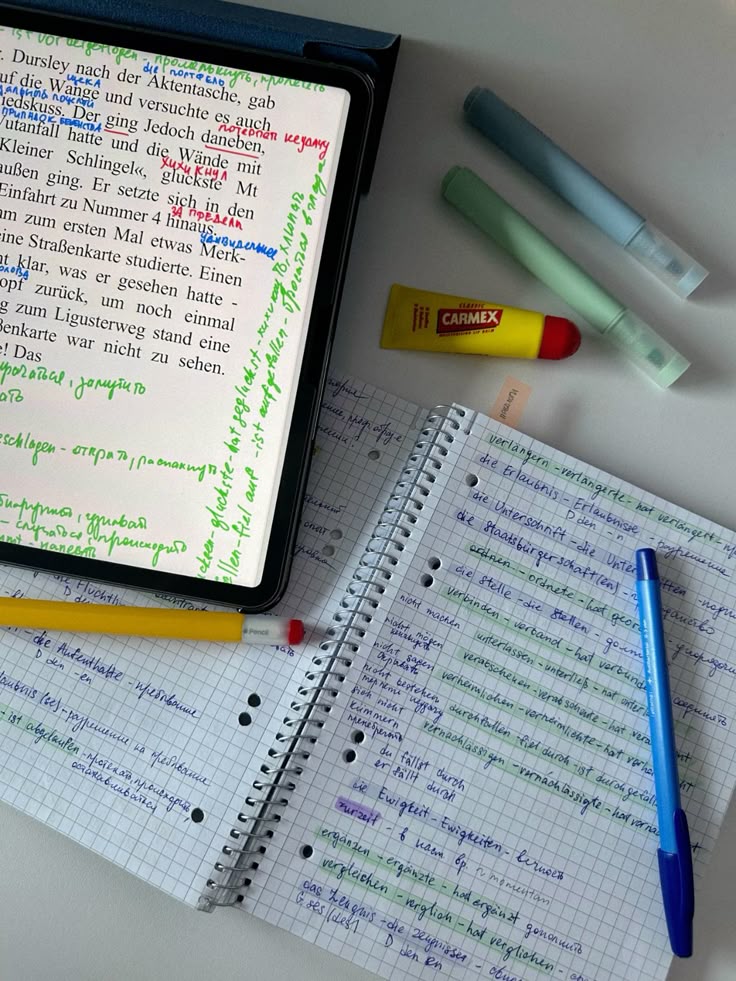
German is widely spoken across Europe and is an important language for business, travel, and education. While it can seem complex at first, German is highly logical, and beginners can make steady progress with the right learning approach.
1. Focus on German Pronunciation First
German pronunciation is consistent and predictable. Listening to native speakers and repeating words aloud from the start builds a strong foundation and boosts confidence.
2. Learn Everyday Vocabulary
Focus on high-frequency words used in daily life: greetings, numbers, basic verbs, and polite phrases. Learning these first helps you communicate quickly and stay motivated.
3. Understand Sentence Structure Gradually
German sentence structure, especially verb placement, can feel tricky. Learn common sentence patterns through real examples and short dialogues to make them easier to remember.
4. Listen Daily to German
Daily listening helps your brain get used to German sounds, rhythm, and sentence flow. Beginner-friendly videos, slow podcasts, and simple audio lessons are excellent tools. Even 10–15 minutes per day improves comprehension.
5. Speak From the Beginning
Speaking early reduces hesitation and builds confidence. Repeat phrases aloud, read short sentences, and practice forming dialogues. Mistakes are normal and help you improve faster.
6. Learn Grammar in Context
German grammar is easier to understand when learned through real sentences rather than memorized rules. This approach helps with cases, verb forms, and sentence order naturally.
7. Use Structured Lessons
Structured lessons help beginners stay organized and consistent. Courses that combine listening, reading, speaking, and exercises provide a clear learning path. You can explore structured German learning options at
You can also browse all available language courses here:
8. Stay Consistent and Patient
Short daily study sessions lead to steady improvement. Consistency is more important than speed in language learning.
Final Thoughts
Learning German is very achievable with structured practice. By focusing on pronunciation, vocabulary, listening, speaking, and grammar in context, beginners can gain real confidence and communication skills.
If you’re looking for a beginner-friendly German course, structured lessons are available at