
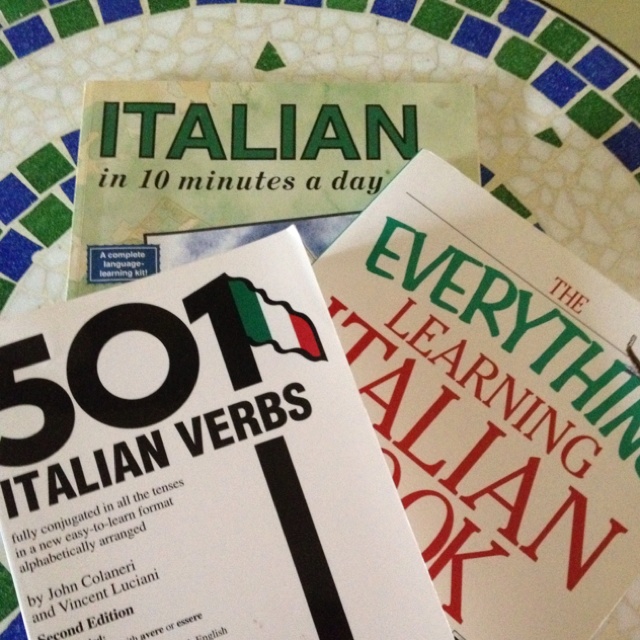
Italian is one of the most enjoyable languages to learn. Its clear pronunciation, logical grammar, and musical sound make it especially friendly for beginners. Whether you want to travel, connect with Italian culture, or learn a new skill, Italian is a great choice.
1. Start With Italian Pronunciation
Italian pronunciation is very consistent — words are spoken exactly as they are written. This makes it easier to start speaking early. Listening to native speakers and repeating words aloud helps you build confidence fast.
2. Learn Practical Everyday Italian
Begin with greetings, polite expressions, numbers, and common verbs. Simple words like ciao, per favore, and grazie allow you to communicate quickly and feel progress from day one.
3. Build Vocabulary Through Real Sentences
Learning vocabulary in context makes words easier to remember. Instead of memorizing lists, focus on sentences and short dialogues you might actually use.
4. Listen to Italian Daily
Daily listening helps your brain adapt to Italian rhythm and intonation. Beginner-friendly videos, slow audio lessons, and simple conversations are ideal. Even 10–15 minutes per day makes a noticeable difference.
5. Speak From the Beginning
Speaking early helps remove fear and builds fluency faster. Repeat phrases aloud, read short texts, and practice forming simple sentences. Mistakes are normal and part of learning.
6. Learn Grammar Naturally
Italian grammar is logical and easier when learned through real examples. Focus on understanding how sentences are formed rather than memorizing complex rules all at once.
7. Use Structured Learning Lessons
Structured lessons help beginners stay organized and consistent. Courses that combine listening, reading, speaking, and exercises provide a clear learning path. You can explore structured Italian learning options at
You can also browse all available language courses here:
8. Stay Consistent and Enjoy the Process
Consistency matters more than speed. Short daily study sessions lead to steady improvement and long-term success.
Final Thoughts
Learning Italian is both practical and rewarding. By focusing on pronunciation, vocabulary, listening, speaking, and grammar in context, beginners can develop real communication skills step by step.
If you’re looking for a beginner-friendly Italian course, structured lessons are available at