
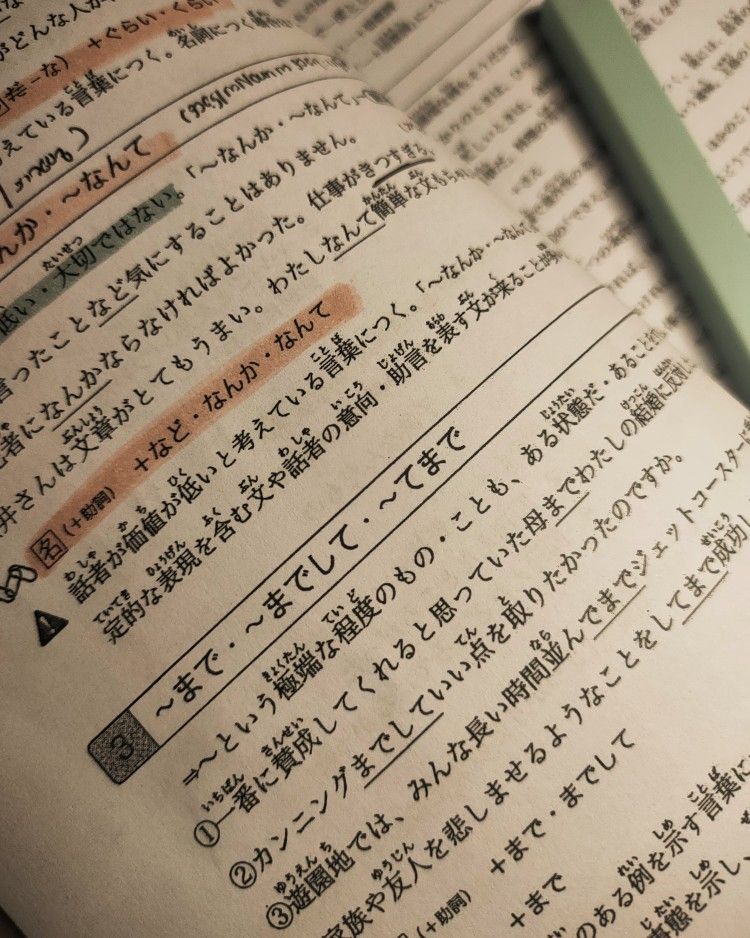
Japanese is a fascinating language with a rich culture and unique writing systems. While beginners often feel intimidated by kanji, hiragana, and katakana, learning Japanese can be much easier with a structured approach and consistent practice.
1. Focus on Listening and Speaking First
Before tackling writing, concentrate on listening and speaking. Japanese pronunciation is relatively consistent, so practicing sounds and repeating words helps you speak naturally. Start with simple greetings, common phrases, and short sentences.
2. Learn Hiragana Gradually
Hiragana is the foundation of the Japanese writing system. Learn a few characters daily instead of trying to memorize everything at once. This allows you to start reading basic texts and recognize words more quickly.
3. Use Useful Everyday Phrases
Begin with phrases you’ll actually use, like introductions, greetings, and questions. This practical approach gives you confidence to communicate early and keeps you motivated.
4. Listen to Japanese Every Day
Daily exposure helps your brain absorb patterns. Watch beginner-friendly videos, listen to simple podcasts, or play audio lessons. Even 10–15 minutes daily strengthens comprehension and pronunciation.
5. Learn Grammar in Context
Instead of memorizing grammar rules, study grammar through sentences and real examples. Understanding grammar in context helps you form sentences naturally and communicate effectively.
6. Speak Out Loud Regularly
Speaking aloud reinforces what you learn. Try repeating dialogues from audio lessons, shadowing sentences, or practicing small conversations. Speaking frequently helps you internalize vocabulary and sentence structure.
7. Use Structured Learning Materials
Because Japanese has multiple writing systems and unique grammar, structured courses make learning much simpler. Guided lessons that combine reading, audio, and exercises keep beginners on track. Some structured resources are available at
8. Be Patient and Consistent
Learning Japanese takes time, but short daily sessions produce better results than occasional long sessions. Focus on steady progress and enjoy small victories along the way.
Final Thoughts
Japanese is a rewarding language that opens doors to travel, culture, and personal growth. By focusing on listening, speaking, daily practice, and structured learning, beginners can gradually gain fluency and confidence.
If you’re looking for a beginner-friendly Japanese course, structured lessons are available at