
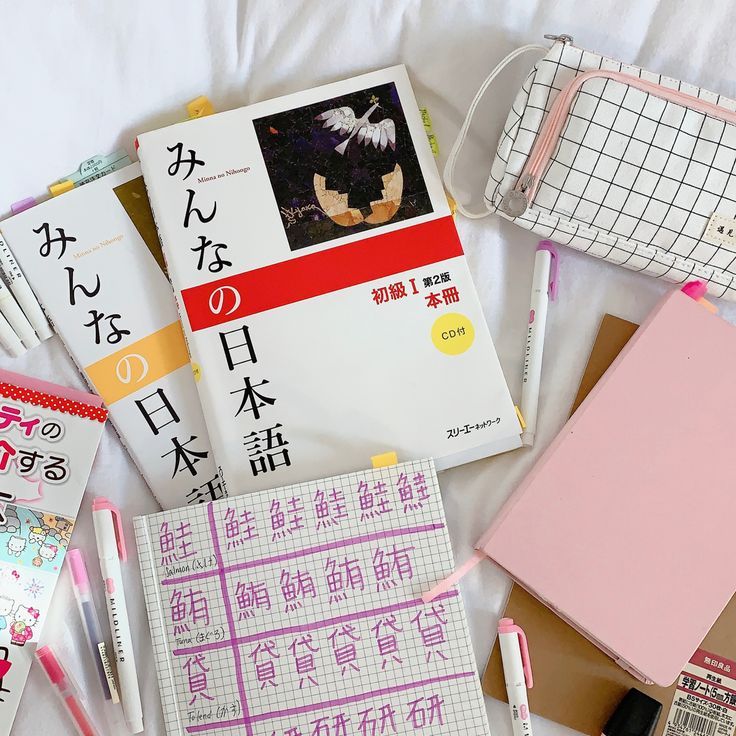
Japanese is a fascinating language with a rich culture behind it. From anime and manga to business and travel, many people are drawn to learning Japanese. While it may look difficult at first because of its writing system, Japanese can be very approachable with the right strategy.
1. Start With Speaking and Listening First
Before worrying too much about reading and writing, focus on listening and speaking. Japanese pronunciation is very consistent, which makes it easier to sound natural early on. Listening to native speakers helps you understand rhythm, tone, and common expressions.
2. Learn Basic Hiragana Gradually
Japanese uses three writing systems, but beginners should start with hiragana. Learning a few characters per day is far more effective than trying to memorize everything at once. Hiragana gives you access to basic reading and pronunciation without overwhelm.
3. Focus on Everyday Phrases
Instead of memorizing isolated words, learn useful phrases such as greetings, introductions, and simple questions. These phrases help you communicate quickly and make the language feel more practical and rewarding.
4. Listen to Japanese Every Day
Daily exposure is essential. Listen to beginner Japanese videos, slow Japanese podcasts, or simple dialogues. Even passive listening trains your brain to recognize sounds and patterns, improving comprehension over time.
5. Don’t Fear Grammar
Japanese grammar is very different from English, but it’s also very logical. Learn grammar through short example sentences, not abstract rules. This helps you understand how sentences are built naturally.
6. Practice Speaking Out Loud
Repeating phrases out loud is one of the most effective ways to improve. Shadow audio lessons, repeat dialogues, or practice speaking to yourself. Speaking regularly builds confidence and reinforces what you learn.
7. Use Structured Learning Materials
Because Japanese has multiple systems and concepts, structured lessons help keep everything organized. Many learners prefer guided resources that combine audio, reading, and exercises. Some structured options can be found at
8. Be Patient and Stay Consistent
Japanese takes time, but consistency makes a huge difference. Even 15–20 minutes per day adds up quickly. Focus on steady progress instead of speed, and learning will feel much more manageable.
Final Thoughts
Learning Japanese may seem challenging at first, but with daily exposure, speaking practice, and a clear learning structure, it becomes an exciting and rewarding journey. Taking small, consistent steps is the key to long-term success.
If you’re looking for a beginner-friendly and organized way to learn Japanese, you can explore structured learning options at