
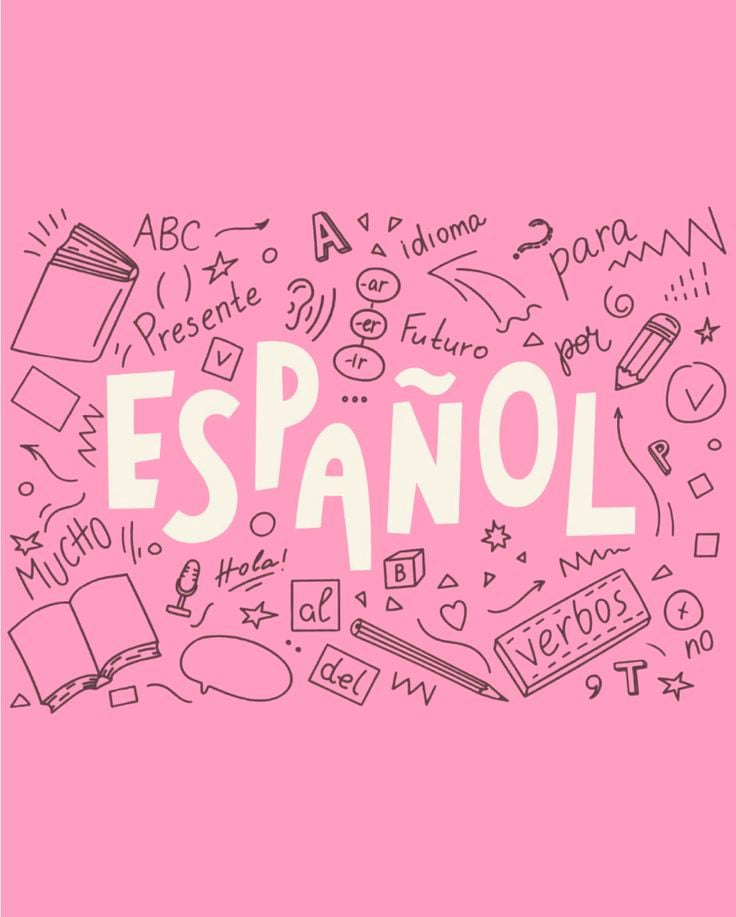
Learning Spanish can open doors to new cultures, travel experiences, and even career opportunities. Whether you’re starting as a complete beginner or brushing up on your skills, these strategies will help you learn efficiently and retain what you study.
1. Start With Common Phrases and Vocabulary
Instead of memorizing long lists of words, focus on everyday phrases that you’ll actually use. Greetings, asking directions, and ordering food are excellent starting points. By practicing these phrases daily, you’ll quickly gain confidence in speaking and understanding basic conversations.
2. Listen to Native Speakers Daily
Immersing yourself in the language is one of the fastest ways to improve. Listen to Spanish podcasts, songs, or YouTube lessons for at least 10–15 minutes every day. Pay attention to pronunciation, rhythm, and intonation — even if you don’t understand everything at first, your brain starts to recognize patterns.
3. Speak From Day One
Many learners hesitate to speak until they feel “ready,” but speaking early accelerates learning. Practice with friends, language exchange partners, or even by recording yourself. Saying words out loud helps you internalize grammar and vocabulary much faster than silent reading alone.
4. Use a Mix of Tools
Combine apps, flashcards, videos, and structured lessons to reinforce learning. This multi-channel approach helps you retain more information and keeps your study sessions interesting. For learners looking for a guided course, you can explore options at Flent.
5. Keep a Language Journal
Write down new words and phrases daily. Include example sentences, short dialogues, or even mini-stories. Reviewing this journal regularly strengthens memory and helps you spot patterns in grammar and usage.
6. Engage With Culture
Watching Spanish movies, reading news articles, or following Spanish-speaking social media accounts makes learning more fun and contextual. Understanding cultural nuances also improves comprehension and communication skills.
7. Set Achievable Goals
Break your learning into weekly or monthly milestones. For example: “This week, I’ll master greetings and numbers,” or “By the end of the month, I’ll hold a 5-minute conversation.” Small wins keep motivation high.
8. Review and Repeat
Repetition is key to retention. Go back to previous lessons, re-listen to audio, and re-read vocabulary lists. Over time, previously challenging phrases become second nature.
💡 Conclusion
Learning Spanish is more effective when you combine daily practice, exposure to native speakers, speaking practice, and structured study methods. Consistency is more important than intensity, and small daily efforts lead to real progress.
If you want to explore a structured Spanish course with exercises and audio lessons, check out Flent.