
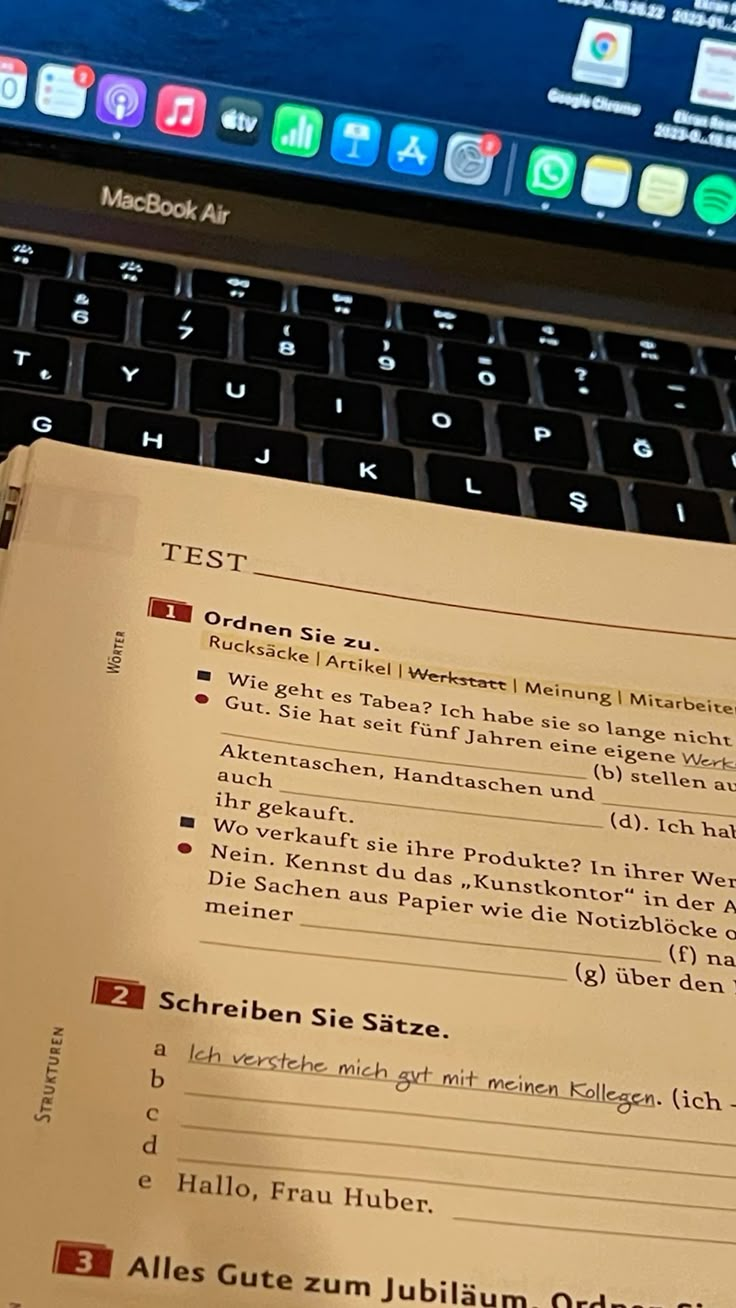
German is an important language for travel, work, and culture in Europe. Learning German allows you to connect with native speakers, explore German-speaking countries, and access career opportunities. But beginners often wonder: how can you start learning German effectively?
The key is consistent practice, real communication, and structured lessons.
1. Start With Everyday German Phrases
Start by learning practical phrases used in daily life. Instead of memorizing complex grammar first, focus on expressions you can use right away.
Simple phrases like “Hallo” (Hello), “Guten Tag” (Good day), and “Danke” (Thank you) let you begin communicating immediately. Using these phrases builds confidence and helps you understand sentence structure naturally.
2. Listen to German Daily
Regular listening helps your brain recognize sounds, pronunciation, and sentence patterns.
Try incorporating these activities into your routine:
- Watch beginner-friendly videos
- Listen to slow conversations
- Repeat phrases aloud
Even short daily listening sessions improve comprehension over time.
3. Speak From the Beginning
Speaking early helps accelerate fluency. Many learners hesitate, but practicing even simple sentences is essential.
You can start speaking German by:
- Introducing yourself
- Practicing greetings
- Repeating phrases from lessons
- Describing daily activities
Every conversation helps improve pronunciation and confidence.
4. Learn Grammar in Context
Learning grammar through real sentences is easier than memorizing rules in isolation.
For example: “Ich lerne Deutsch” (I am learning German) shows how verbs and subjects work together naturally. Grammar in context becomes practical and memorable.
5. Build High-Frequency Vocabulary
Focus on common words and phrases used in daily conversations. High-frequency vocabulary helps you communicate effectively without needing to know every word.
6. Practice Reading and Writing
Reading simple texts and writing short sentences strengthens your understanding of grammar and vocabulary. Beginner-friendly stories, dialogues, and short journals are great starting points.
7. Follow a Structured Learning Plan
A structured learning plan keeps you organized and progressing step by step.
Following a clear roadmap ensures steady improvement.
8. Stay Consistent
Consistency is the key to language learning success. Practicing German daily, even for a few minutes, is more effective than occasional long sessions.
Final Thoughts
Learning German as a beginner can be a rewarding journey. By focusing on everyday phrases, listening regularly, speaking early, and following a structured learning plan, you can gradually build confidence and fluency. With regular practice and patience, mastering German is achievable.