
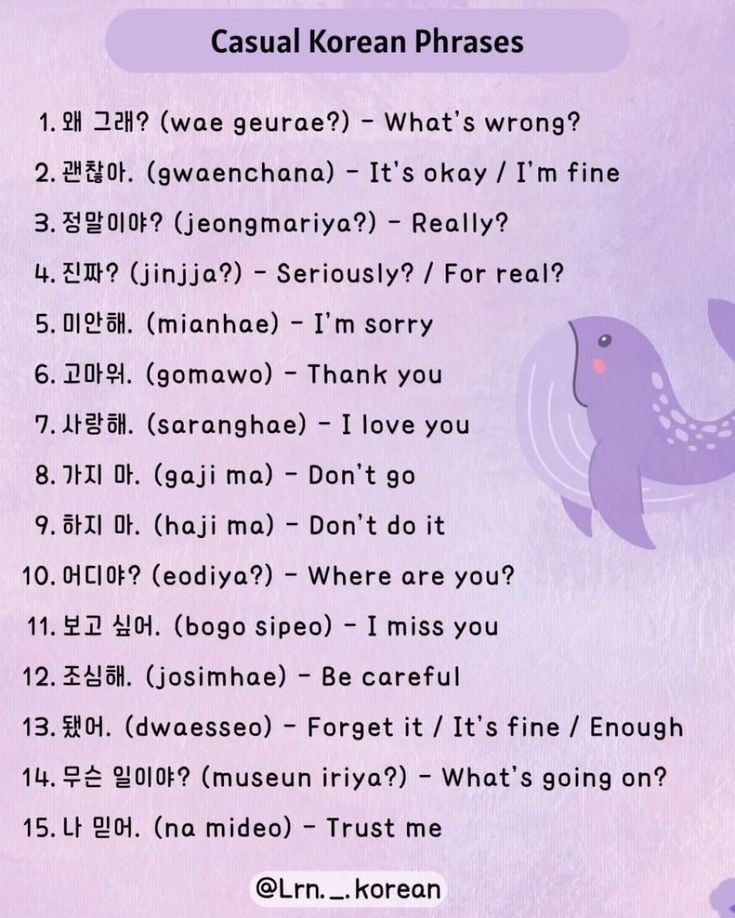
Korean has become increasingly popular worldwide thanks to Korean culture, music, films, and business opportunities. Learning Korean can help you understand Korean media, travel more confidently, and connect with native speakers. But many beginners ask an important question: how can you start learning Korean effectively?
The key is consistent practice, real communication, and structured lessons.
1. Start With Everyday Korean Phrases
One of the best ways to begin learning Korean is by focusing on practical phrases used in everyday conversations. Instead of starting with complex grammar, learn expressions you can use immediately.
Simple phrases like “안녕하세요 (Annyeonghaseyo)” for hello or “감사합니다 (Gamsahamnida)” for thank you help beginners start communicating quickly. Learning these useful expressions builds confidence and shows how Korean sentences are structured.
Using phrases instead of isolated words helps you understand natural speech patterns.
2. Listen to Korean Daily
Listening regularly helps you become familiar with the sounds, rhythm, and pronunciation of Korean.
You can build a daily listening habit by:
- Watch beginner-friendly videos
- Listen to slow conversations
- Repeat phrases aloud
Even short listening sessions every day can significantly improve comprehension over time.
3. Speak From the Beginning
Many learners feel shy about speaking Korean at first, but speaking early is essential for building fluency.
You can start speaking Korean by:
- Practicing greetings
- Repeating phrases from lessons
- Introducing yourself
- Talking about simple daily activities
The more you speak, the more natural the language will feel.
4. Learn Grammar in Context
Korean grammar can seem different from English, but learning it through real sentences makes it easier to understand.
For example, a sentence like “저는 학생입니다 (Jeoneun haksaengimnida)” meaning “I am a student” shows how Korean sentence structure works. Studying grammar through examples helps you see how the language is used in real conversations.
5. Build High-Frequency Vocabulary
Focus on learning words that appear often in daily conversations. High-frequency verbs, common nouns, and basic adjectives allow beginners to express more ideas quickly.
Learning the most common vocabulary helps you understand spoken Korean much faster.
6. Practice Reading and Writing
Korean uses the Hangul alphabet, which is known for being logical and relatively easy to learn. Beginners should start by mastering Hangul and practicing simple reading exercises.
Writing short sentences or basic journal entries can also help reinforce vocabulary and grammar patterns.
7. Follow a Structured Learning Plan
A structured plan helps beginners stay focused and progress step by step without feeling overwhelmed.
Structured lessons guide learners through vocabulary, grammar, and practical communication skills.
8. Stay Consistent
Consistency is one of the most important parts of language learning. Studying Korean for a short time every day is far more effective than occasional long sessions.
Even 15 minutes of daily practice can lead to steady improvement over time.
Final Thoughts
Learning Korean as a beginner can be an exciting and rewarding journey. By focusing on useful phrases, listening daily, speaking early, and following a structured learning plan, you can steadily build confidence and communication skills. With patience and consistent effort, fluency in Korean is achievable.