
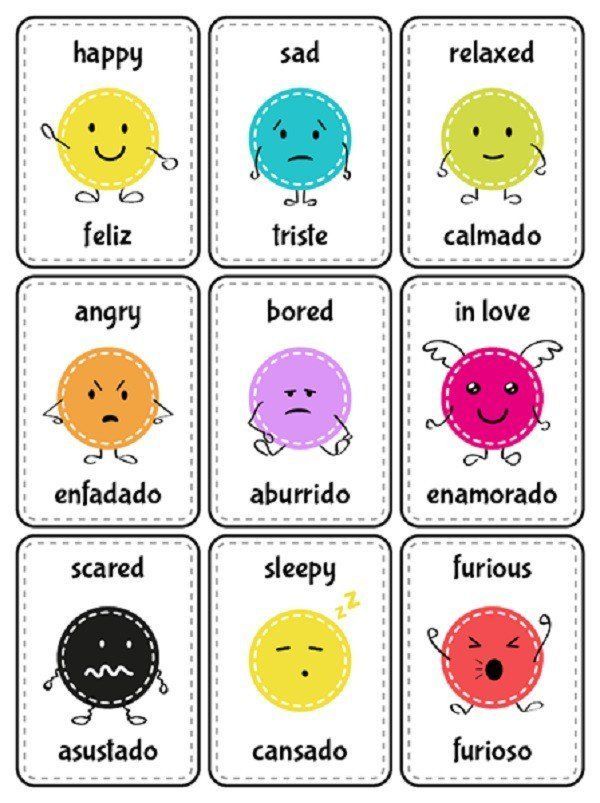
Spanish is one of the most widely spoken languages in the world and is useful for travel, business, and cultural connections. Learning Spanish allows you to communicate with millions of people and experience rich traditions and cultures. But beginners often ask: how can you learn Spanish effectively from the beginning?
The key is consistent practice, real communication, and structured lessons.
1. Start With Everyday Spanish Phrases
A great way to begin learning Spanish is by focusing on practical phrases used in everyday conversations. Instead of starting with complicated grammar rules, beginners should learn expressions they can use immediately.
Common phrases like “Hola,” “¿Cómo estás?” and “Gracias” allow learners to start communicating right away. Learning useful phrases also helps you understand how Spanish sentences are structured.
This method builds confidence and makes early learning more enjoyable.
2. Listen to Spanish Daily
Listening regularly helps you become familiar with Spanish pronunciation and rhythm.
You can develop your listening skills by:
- Watch beginner-friendly videos
- Listen to slow conversations
- Repeat phrases aloud
Daily listening practice helps your brain recognize common sounds and patterns.
3. Speak From the Beginning
Speaking early helps build fluency faster. Even simple conversations can improve your confidence and communication skills.
You can start speaking Spanish by:
- Practicing greetings
- Introducing yourself
- Repeating phrases from lessons
- Talking about simple daily activities
The more you speak, the easier communication becomes.
4. Learn Grammar in Context
Spanish grammar becomes easier when you learn it through real sentences rather than memorizing rules alone.
For example, a sentence like “Yo aprendo español” (I learn Spanish) helps you understand how verbs and subjects work together naturally.
5. Build High-Frequency Vocabulary
Focus on the most commonly used Spanish words. Learning high-frequency vocabulary allows beginners to understand and communicate more quickly.
Common verbs, everyday objects, and useful expressions should be your main focus.
6. Practice Reading and Writing
Reading and writing help reinforce everything you learn from listening and speaking.
Beginners can start with simple dialogues, short texts, or beginner stories. Writing short sentences or notes in Spanish also strengthens your understanding.
7. Follow a Structured Learning Plan
A structured learning plan helps beginners stay organized and progress step by step.
Following structured lessons can make language learning more efficient.
8. Stay Consistent
Consistency is one of the most important parts of learning Spanish. Practicing every day, even for a short time, helps build steady progress.
Small daily study sessions lead to significant improvement over time.
Final Thoughts
Learning Spanish as a beginner can be an exciting and rewarding experience. By focusing on useful phrases, listening daily, speaking early, and following a structured learning plan, you can gradually build confidence and fluency. With patience and regular practice, Spanish becomes much easier to master.